Table of Contents
The Irreplaceable Beauty of Natural Stone: Texture and Depth Explained
When it comes to home design and renovations, the choice of materials can significantly influence the aesthetic and functional quality of a space. Among the myriad of options available, natural stone stands out for its unparalleled texture and depth, characteristics that engineered materials simply cannot replicate. In this article, we will explore the unique attributes of natural stone, particularly in the context of quartz countertops, granite countertops, and other premium surfaces. Homeowners in the Greater Seattle area, particularly those considering kitchen upgrades or bathroom renovations, will find valuable insights into why choosing natural stone is a decision that enhances both beauty and longevity in their homes.
1. Understanding Natural Stone
Natural stone is a product of geological processes that have taken place over millions of years. Each type of stone, whether it be granite, marble, quartzite, or limestone, has its own unique formation process, resulting in distinct colors, patterns, and textures. This geological history is what gives natural stone its character and appeal, making it a favored choice among homeowners and designers alike.
Natural stones are quarried from the earth and are available in various forms. For instance, granite countertops are known for their durability and unique speckled appearance, while marble countertops offer an elegant, veined look that enhances luxury. The selection of natural stone can significantly influence the overall design and feel of a space, making it essential for homeowners to understand their options.
2. The Unique Texture of Natural Stone
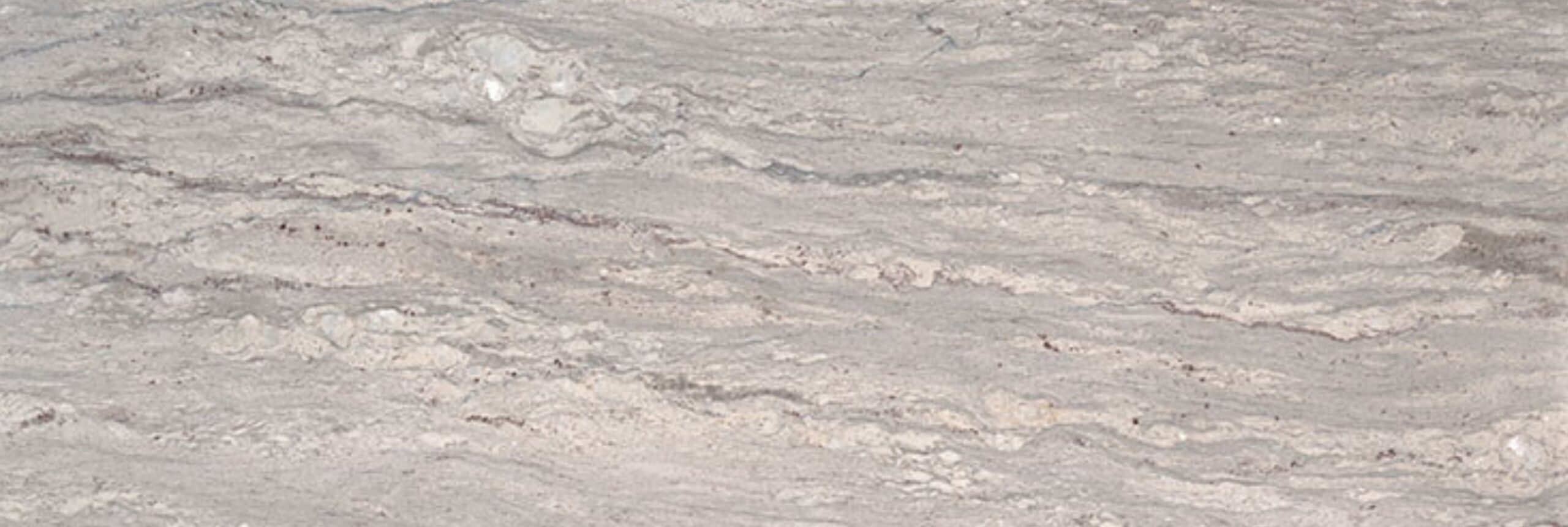
One of the most striking features of natural stone is its texture. Unlike engineered materials, which are often uniform and predictable, natural stone boasts an organic texture that varies from slab to slab. This variation is a result of the natural processes involved in the stone’s formation, including crystallization, sedimentation, and metamorphism.
The texture of natural stone can be categorized into several types:
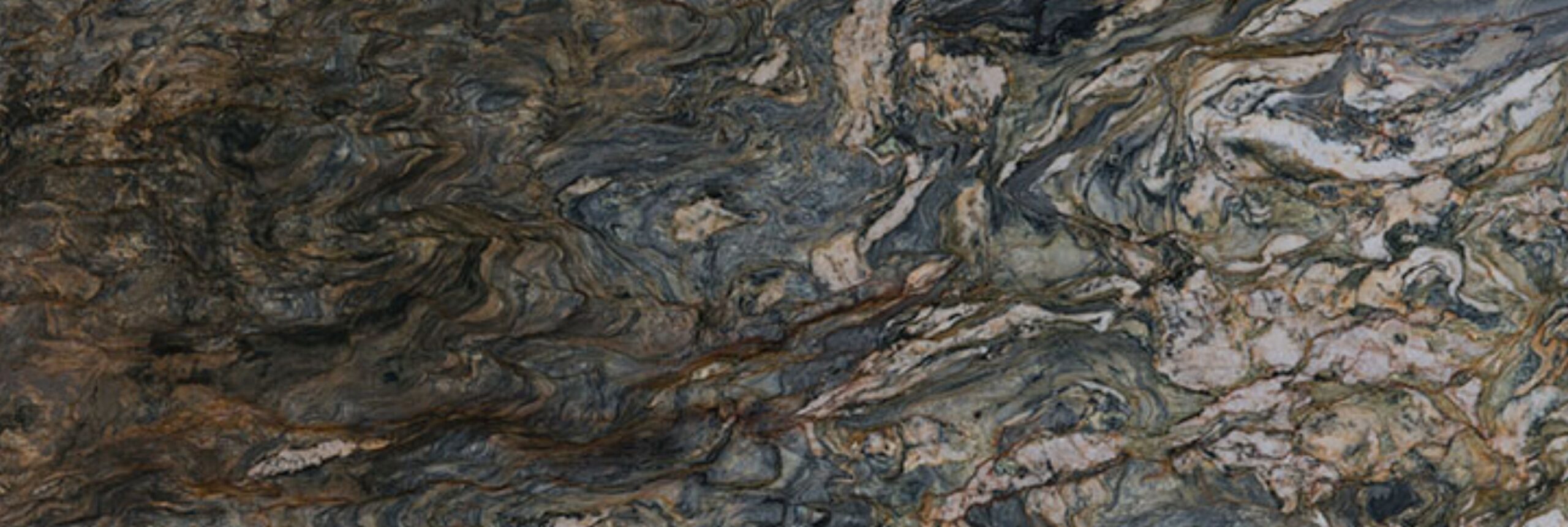
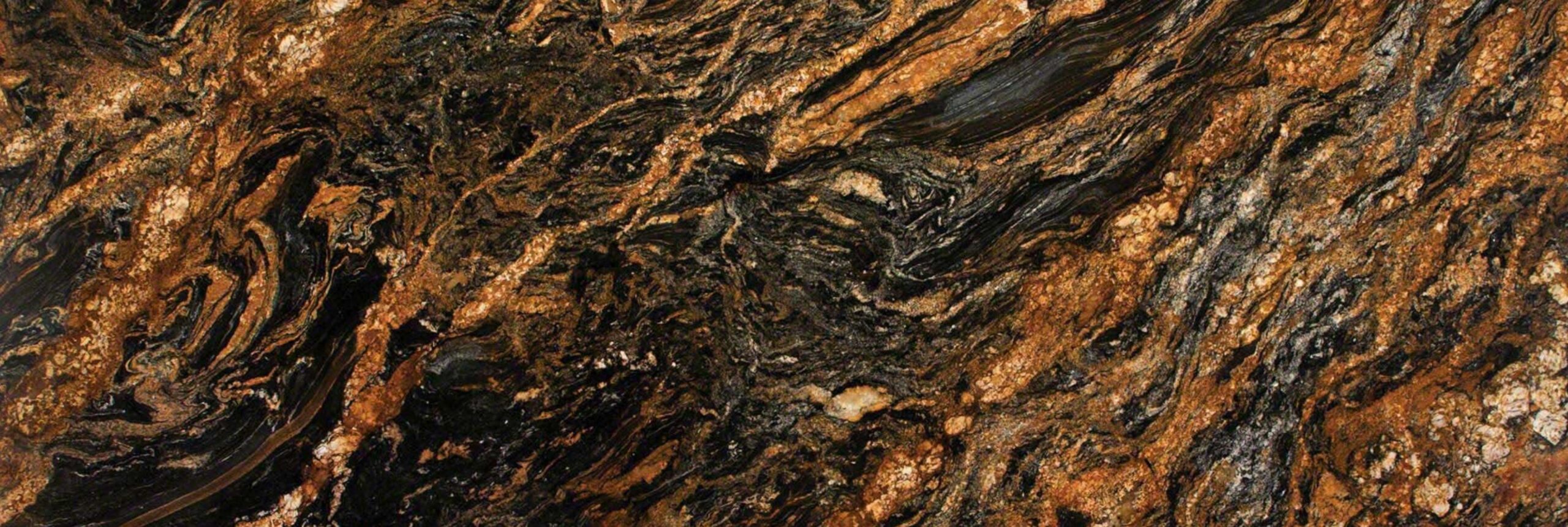
- Granite: Known for its coarse grain, granite features a mixture of quartz, feldspar, and mica, providing a textured surface that can be polished to a high shine or left honed for a more rustic feel.
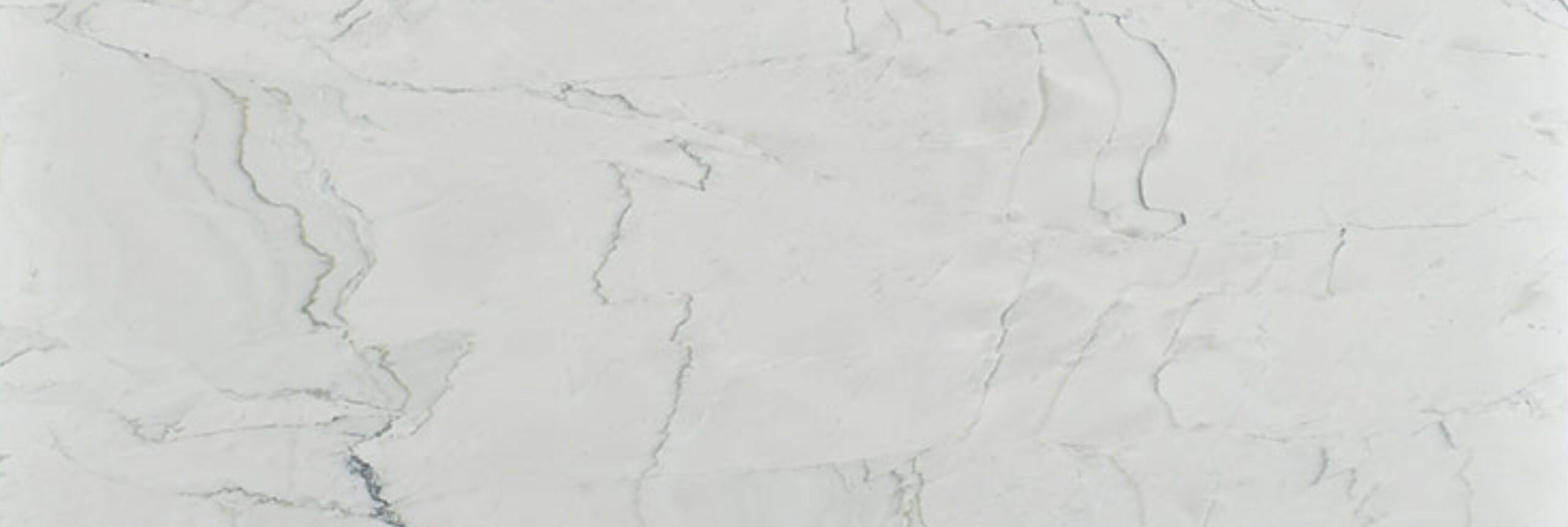
- Marble: Marble offers a smoother texture with a soft sheen, but its veining and color variations create a tactile experience that engineered options cannot offer.
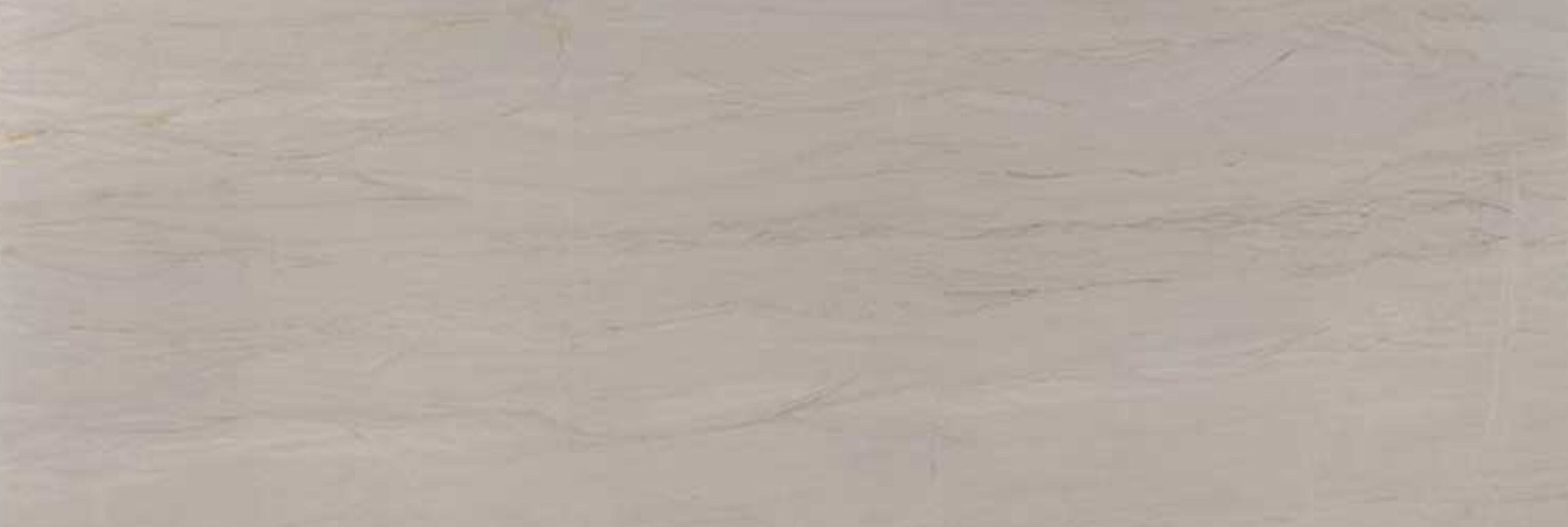
- Quartzite: This metamorphic rock provides a unique textured finish, often resembling marble but with greater durability and resistance to scratching.
When selecting materials for kitchen or bathroom renovations, the sensory experience of natural stone should not be overlooked. The tactile quality of a surface can influence how a space is perceived and enjoyed. Homeowners in the Greater Seattle area can explore a wide array of quartz options at our Everett showroom to find the perfect fit for their design vision.
3. The Depth of Natural Stone
Depth is another critical aspect of natural stone that sets it apart from engineered materials. Depth in stone refers not only to the visual layering created by its natural patterns but also to the dimensionality that can be achieved through various finishes and edge profiles. This depth creates a sense of richness and complexity that cannot be replicated by synthetic alternatives.
The visual depth of natural stone can be enhanced through:
- Polishing: A polished finish reflects light, emphasizing the stone's natural color and patterns, which adds to its perceived depth.
- Honing: A honed finish provides a matte appearance that softens the stone's look while still showcasing its depth and texture.
- Edge Profiles: Custom edge profiles, such as bevelled or rounded edges, can enhance the dimensionality of countertops, further contributing to their depth.
This depth not only impacts aesthetics but also plays a role in the durability and maintenance of the stone. For instance, a polished granite countertop is more resistant to staining compared to a honed surface, making it ideal for high-traffic areas in the kitchen.
4. Engineered Materials: A Comparison
While engineered materials, such as quartz composites, offer a variety of benefits, they fall short in replicating the natural beauty and unique characteristics of stone. Engineered surfaces are manufactured using a combination of crushed stone and resin, allowing for greater consistency in color and texture. However, this uniformity comes at the cost of the depth and organic variation found in natural stone.
| Feature | Natural Stone | Engineered Material |
|---|---|---|
| Texture | Organic, varied | Uniform, predictable |
| Depth | Rich, dimensional | Flat, lacking depth |
| Durability | Highly durable, but varies by type | Consistent durability, scratches easier |
| Maintenance | Requires sealing, varies by stone | Low maintenance, easy to clean |
As shown in the table above, natural stone offers a unique texture and depth that engineered materials simply cannot match. Homeowners seeking to create a distinctive and luxurious environment should consider the long-term benefits of investing in natural stone surfaces like granite countertops or marble countertops.
5. Choosing the Right Natural Stone for Your Home
When selecting natural stone for your kitchen or bathroom renovations, it’s crucial to consider several factors, including style, functionality, and maintenance. Here are some tips to guide your selection:
- Assess Your Style: Determine the overall aesthetic you want to achieve. For a modern look, consider sleek granite or quartzite; for a classic feel, marble may be the best choice.
- Consider Usage: Think about how the space will be used. For high-traffic areas, durable options like granite or quartzite are ideal, while marble may be better suited for lower-use environments.
- Evaluate Maintenance Needs: Different stones require varying levels of care. Understand the sealing and cleaning requirements before making a decision.
At Washington Granite, we offer personalized slab selection experiences to help homeowners find the perfect natural stone for their unique needs. Request a free consultation online to explore your options.
6. Expert Tips for Maintaining Natural Stone
Proper maintenance is essential to keep your natural stone surfaces looking their best. Here are some expert tips:
- Sealing: Most natural stones require periodic sealing to prevent staining. Check with your fabricator for specific recommendations.
- Immediate Cleaning: Wipe up spills immediately to prevent absorption and staining, especially with porous stones like marble.
- Avoid Harsh Chemicals: Stay away from acidic or abrasive cleaners, which can dull the surface and damage the stone.
By following these maintenance tips, homeowners can ensure that their natural stone surfaces retain their beauty and functionality for years to come.
7. Conclusion
Natural stone remains a timeless choice for homeowners looking to enhance their living spaces with unique texture and depth. While engineered materials may offer convenience, they cannot replicate the organic beauty and character of natural stone. By investing in premium surfaces like quartz, granite, or marble, homeowners not only elevate the aesthetic of their homes but also ensure lasting quality and value. For those in the Greater Seattle area, visit our Everett showroom to explore our extensive selection of natural stone options and to receive personalized guidance from our experienced team.
8. FAQ
What is natural stone?
Natural stone is a material quarried from the earth, formed through geological processes. It includes types like granite, marble, quartzite, and limestone.
Why choose natural stone over engineered materials?
Natural stone offers unique texture, depth, and organic variation that engineered materials cannot replicate, making it a more aesthetically pleasing choice for many homeowners.
How do I maintain natural stone surfaces?
Regularly clean with a pH-balanced cleaner, seal as recommended, and avoid harsh chemicals to maintain the beauty of natural stone.
Is natural stone durable?
Yes, natural stone is highly durable, but its resistance to wear and tear varies by type. Granite, for example, is known for its toughness.
Can I use natural stone in high-traffic areas?
Yes, certain natural stones like granite and quartzite are excellent choices for high-traffic areas due to their durability.
What types of natural stone are best for kitchens?
Granite and quartzite are popular for kitchen countertops due to their durability and resistance to scratching and staining.
How often should I seal my natural stone?
Sealing frequency depends on the type of stone and usage. Generally, it’s recommended to seal every 1-3 years.
Where can I see natural stone options in person?
You can visit Washington Granite's showroom in Everett, WA, to explore a wide selection of natural stone slabs.

About Washington Granite
Premium granite, quartz, quartzite, and marble countertop specialists in Washington State. We help homeowners transform their kitchens and bathrooms with luxury stone surfaces.