Table of Contents
The Complete Guide to Understanding Quartzite Hardness and Performance
When it comes to selecting the perfect countertop material for your home, understanding the properties and performance of quartzite is essential. This durable natural stone is increasingly becoming a favorite among homeowners and designers alike for its unique aesthetic and impressive resilience. In this comprehensive guide, we will delve into the hardness and performance of quartzite, helping you make an informed decision for your kitchen or bathroom upgrade.
Quartzite is renowned for its hardness, often compared to granite, but what does that mean for your home? In this article, we will explore the scientific makeup of quartzite, its advantages and disadvantages, maintenance tips, and how it stacks up against other popular countertop materials. By the end, you will have a thorough understanding of quartzite and whether it’s the right choice for your project.
What is Quartzite?
Quartzite is a metamorphic rock that originates from sandstone. Over millions of years, quartz-rich sandstone undergoes intense heat and pressure, transforming into a dense, durable stone. This natural stone is primarily composed of quartz, making it exceptionally hard and resilient. Unlike granite, which is an igneous rock, quartzite is formed through metamorphism, resulting in unique patterns and colors that can enhance any space.
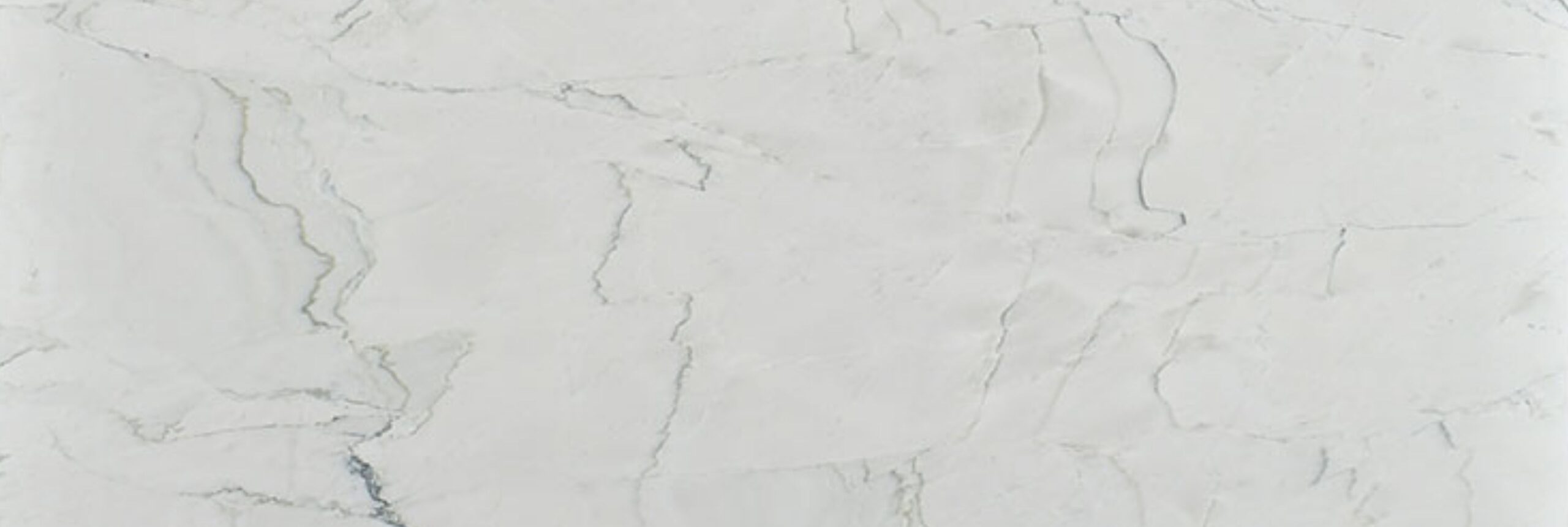
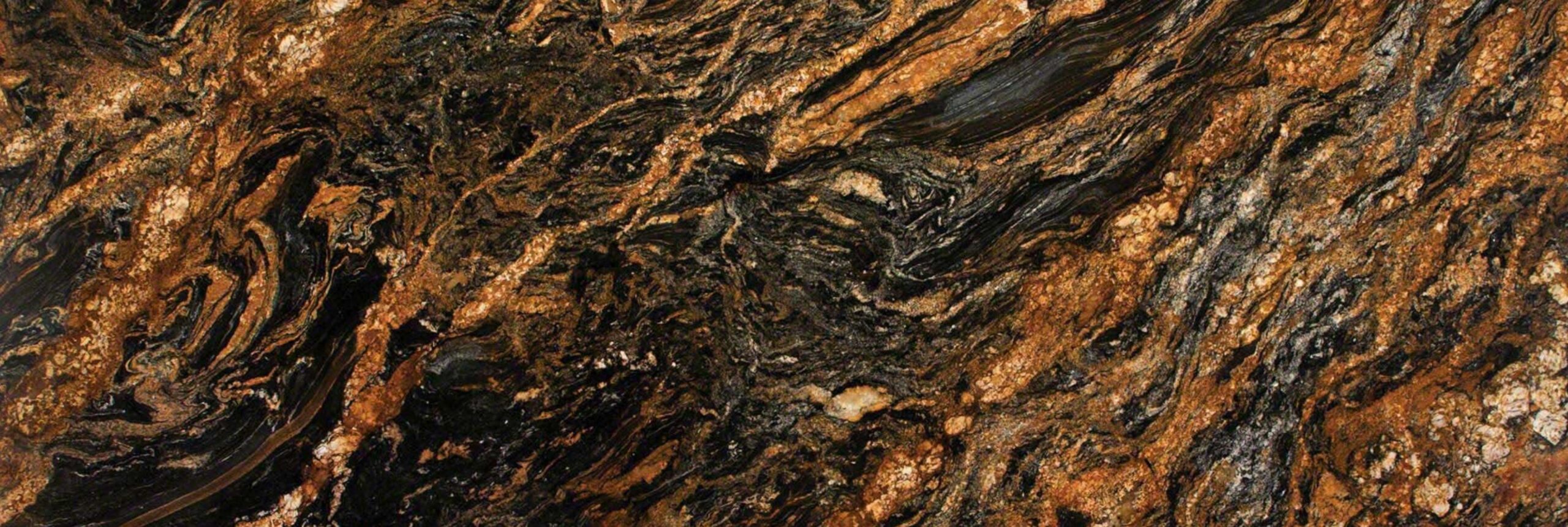
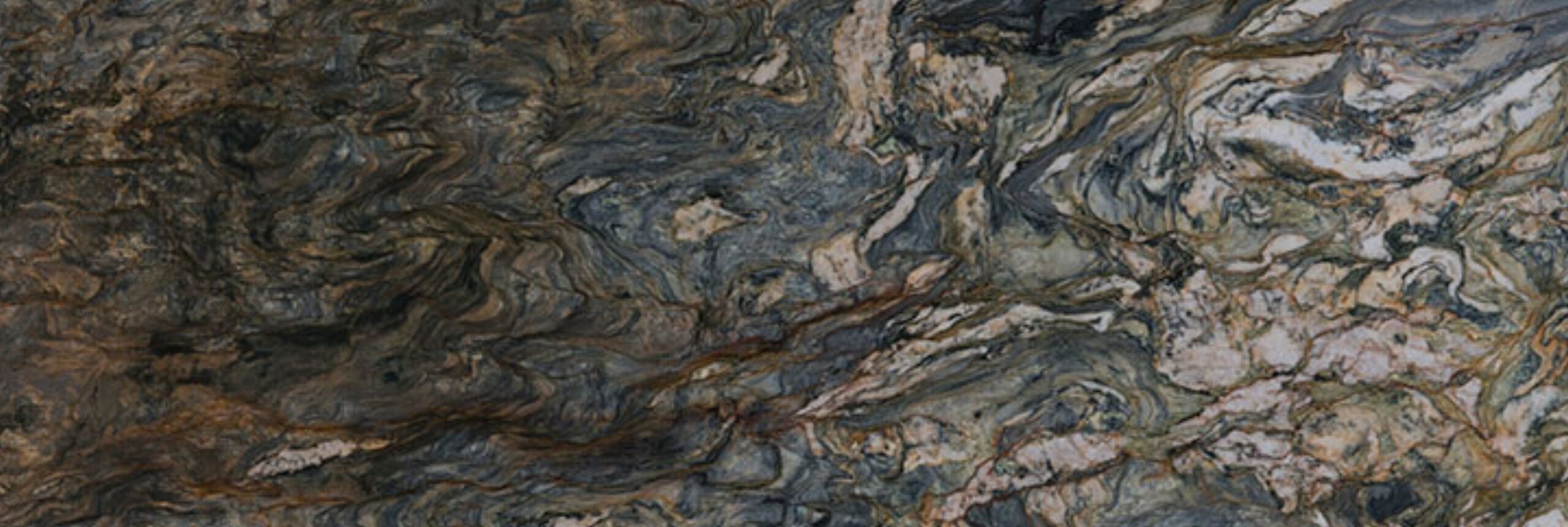
Quartzite is available in a variety of colors, ranging from soft whites and grays to vibrant hues of red, green, and blue. The specific coloration depends on the minerals present during its formation. This versatility makes quartzite an attractive choice for homeowners looking to add a touch of elegance to their kitchen or bathroom.
Understanding Quartzite Hardness
The hardness of quartzite is one of its most significant attributes, often rated between 7 and 8 on the Mohs scale of mineral hardness. For context, diamond is at the top of the scale, rated at 10, while granite typically ranges from 6 to 7. This impressive hardness means that quartzite is highly resistant to scratching, chipping, and other forms of damage, making it an excellent choice for high-traffic areas.
A study published by the U.S. Geological Survey indicated that quartzite's durability stems from its composition, which allows it to withstand significant wear and tear. This makes it ideal for countertops, flooring, and other surfaces that experience daily use.
Factors Affecting Quartzite Hardness
Several factors contribute to the overall hardness of quartzite, including:
- Mineral Composition: The primary mineral in quartzite is quartz, but the presence of other minerals can influence its hardness. For example, higher concentrations of feldspar can increase the overall strength of the stone.
- Formation Conditions: The conditions under which quartzite is formed, including temperature and pressure, affect its ultimate hardness. Quartzite formed at higher temperatures tends to be denser and harder.
- Porosity: The porosity of quartzite can also impact its durability. Less porous stones are generally more resistant to staining and damage.
Performance Characteristics of Quartzite
In addition to its hardness, quartzite boasts a range of performance characteristics that make it a superior choice for countertops and other surfaces:
Heat Resistance
Quartzite is highly resistant to heat, making it ideal for kitchen environments where hot pots and pans are frequently placed on countertops. Unlike some other materials, quartzite won’t easily scorch or warp under high temperatures.
Stain Resistance
While quartzite is naturally resistant to stains, it’s not completely impervious. Regular sealing can enhance its stain resistance, especially in areas prone to spills, such as kitchens. This characteristic makes quartzite a practical choice for homeowners who prioritize cleanliness and ease of maintenance.
Scratch Resistance
Thanks to its hardness, quartzite is highly resistant to scratches. This property ensures that your countertops maintain their aesthetic appeal even with daily use, making them suitable for families and active households.
Versatility in Design
Quartzite’s natural beauty and variety of colors make it a versatile choice for various design styles. Whether you prefer a modern, sleek look or a more rustic feel, quartzite can complement your vision. Its unique patterns add character to any space, making it a popular choice among designers.
Comparing Quartzite to Other Countertop Materials
Understanding how quartzite stacks up against other popular materials can help you make an informed decision. Below is a comparison table highlighting the key differences between quartzite, granite, and quartz.
| Property | Quartzite | Granite | Quartz |
|---|---|---|---|
| Hardness (Mohs Scale) | 7-8 | 6-7 | 7 |
| Heat Resistance | Excellent | Excellent | Good |
| Stain Resistance | Good (with sealing) | Good | Excellent |
| Scratch Resistance | Excellent | Good | Good |
| Variety of Colors | High | High | Moderate |
| Maintenance | Moderate (requires sealing) | Moderate | Low |
This table shows that while quartzite and granite are similar in hardness and heat resistance, quartzite has the edge in scratch resistance. However, quartz may offer better stain resistance and lower maintenance needs.
Maintenance and Care for Quartzite
Proper maintenance is crucial to preserving the beauty and performance of quartzite countertops. Here are some essential tips:
- Sealing: It’s recommended to seal quartzite surfaces every 1-2 years to enhance stain resistance. Use a high-quality stone sealer for optimal protection.
- Cleaning: Use a pH-balanced cleaner or a mild dish soap with warm water to clean quartzite. Avoid harsh chemicals or abrasive cleaners that can damage the surface.
- Coasters and Trivets: Always use coasters for drinks and trivets for hot pots to prevent heat damage and stains.
- Regular Inspections: Periodically check for signs of wear or damage and address any issues promptly to maintain the integrity of the stone.
Expert Tips for Choosing Quartzite
When selecting quartzite for your countertops, consider the following expert tips:
1. **Choose a Reputable Supplier**: Work with a trusted local showroom like Washington Granite to ensure you receive high-quality materials and professional guidance.
2. **Consider Your Lifestyle**: Think about how you use your kitchen or bathroom. If you have a busy household, prioritize durability and ease of maintenance.
3. **Explore Different Finishes**: Quartzite is available in various finishes, including polished, honed, and leathered. Each finish offers a different look and feel, so choose one that fits your design vision.
Conclusion
Understanding quartzite hardness and performance is essential for homeowners considering this stunning natural stone for their countertops. With its impressive durability, heat resistance, and aesthetic appeal, quartzite stands out as a top choice for both kitchens and bathrooms. By following the maintenance tips and expert insights provided in this guide, you can enjoy the beauty and functionality of quartzite for years to come.
If you’re ready to explore the world of quartzite and see how it can elevate your home, contact us today for personalized guidance or visit our Everett showroom to explore our quartz options.
Frequently Asked Questions
1. What is the difference between quartzite and quartz?
Quartzite is a natural stone formed from sandstone, while quartz is an engineered stone made from crushed quartz and resin.
2. Is quartzite suitable for outdoor use?
Yes, quartzite's durability and heat resistance make it suitable for outdoor applications, such as patios and outdoor kitchens.
3. How do I clean quartzite countertops?
Use a pH-balanced cleaner or mild dish soap with warm water. Avoid harsh chemicals and abrasive cleaners.
4. Does quartzite require sealing?
Yes, quartzite should be sealed every 1-2 years to enhance its stain resistance.
5. Can quartzite be scratched?
While quartzite is highly scratch-resistant, it can still be scratched by harder materials. Use cutting boards to prevent damage.
6. What colors are available in quartzite?
Quartzite comes in a variety of colors, including whites, grays, reds, and greens, depending on the minerals present during its formation.
7. How does quartzite compare to granite?
Quartzite is generally harder and more scratch-resistant than granite, but both materials are highly durable and heat-resistant.
8. Is quartzite a good choice for kitchen countertops?
Yes, quartzite is an excellent choice for kitchen countertops due to its durability, heat resistance, and aesthetic appeal.

About Washington Granite
Premium granite, quartz, quartzite, and marble countertop specialists in Washington State. We help homeowners transform their kitchens and bathrooms with luxury stone surfaces.