Table of Contents
Why Every Slab of Granite Tells a Geological Story Millions of Years in the Making
Granite countertops are not just a popular choice for kitchens and bathrooms; they are also remarkable geological artifacts that tell stories millions of years in the making. Every slab of granite carries with it the history of the Earth, revealing insights into its formation processes, the conditions under which it was created, and the unique characteristics that define it. In this article, we will explore the fascinating journey of granite from molten rock to the stunning surfaces that enhance our homes. You'll learn about the geological processes involved in granite formation, how to choose the right granite for your space, and why understanding this natural stone can elevate your home design choices. As a trusted local expert in premium countertops, Washington Granite is here to guide you through this captivating story.
The Formation of Granite: A Geological Overview
Granite is an igneous rock primarily composed of quartz, feldspar, and mica. It forms deep within the Earth's crust from the slow crystallization of molten magma. This process can take millions of years, during which the magma cools and solidifies, allowing large crystals to develop. The geological history of granite can be divided into several key stages:
- Magma Generation: Magma is generated in the Earth's mantle due to the melting of rocks under extreme heat and pressure. This molten rock begins to rise toward the surface.
- Cooling and Crystallization: As magma ascends, it cools slowly in the crust, allowing minerals to crystallize. The slower the cooling process, the larger the crystals that form, resulting in the coarse-grained texture characteristic of granite.
- Intrusion and Exposure: Over time, geological forces such as tectonic activity can cause granite formations to be pushed closer to the surface. Erosion then removes the overlying materials, exposing the granite.
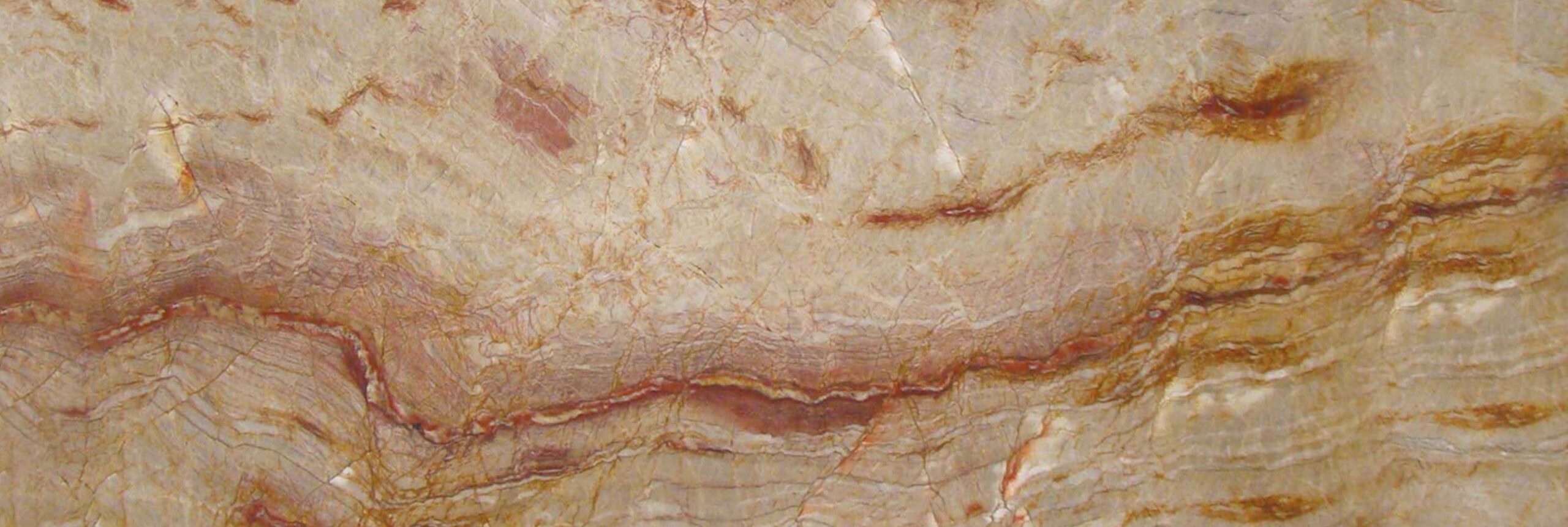
This lengthy process is what gives granite its unique colors and patterns, influenced by the mineral composition and the conditions under which it formed. For instance, granite from the Pacific Northwest often features striking colors and patterns due to the region's specific geological history.
Identifying Granite: Characteristics and Composition
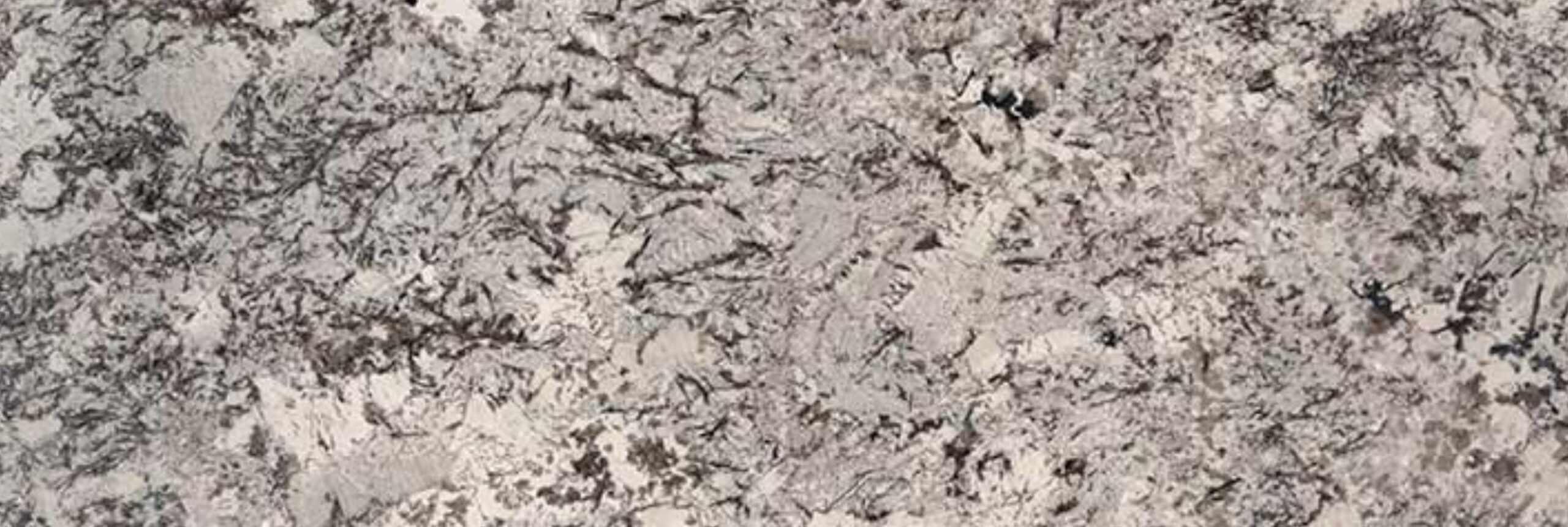
Granite is identifiable by its speckled appearance, which results from the crystalline structure of its minerals. The primary minerals found in granite include:
- Quartz: Typically transparent or translucent, quartz is the most abundant mineral in granite, contributing to its durability.
- Feldspar: This mineral comes in various colors, including pink, white, and gray, and is responsible for much of granite's strength.
- Mica: Often present in black or silvery flakes, mica adds to the visual texture of granite.
Granite is also known for its exceptional durability and resistance to scratches, heat, and stains, making it an ideal choice for high-traffic areas like kitchens and bathrooms. To illustrate the varying characteristics of granite, we can compare different types:
| Granite Type | Primary Colors | Main Minerals | Common Uses |
|---|---|---|---|
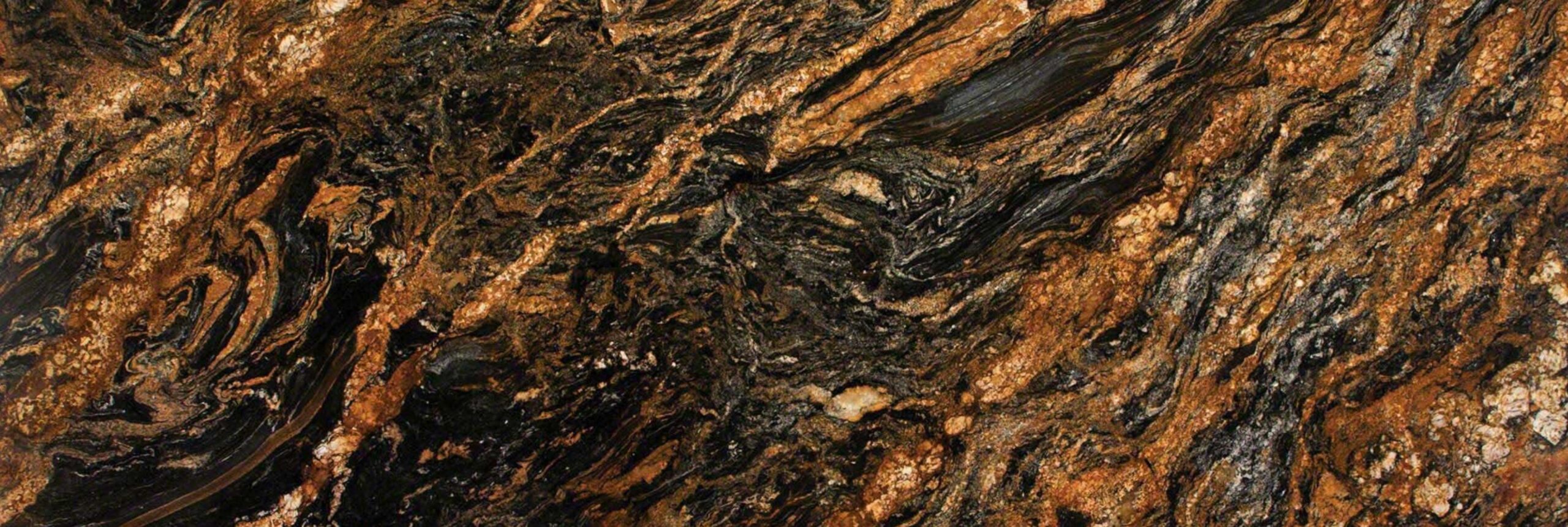
| Black Galaxy | Black with gold flecks | Quartz, Feldspar, Mica | Countertops, Flooring |
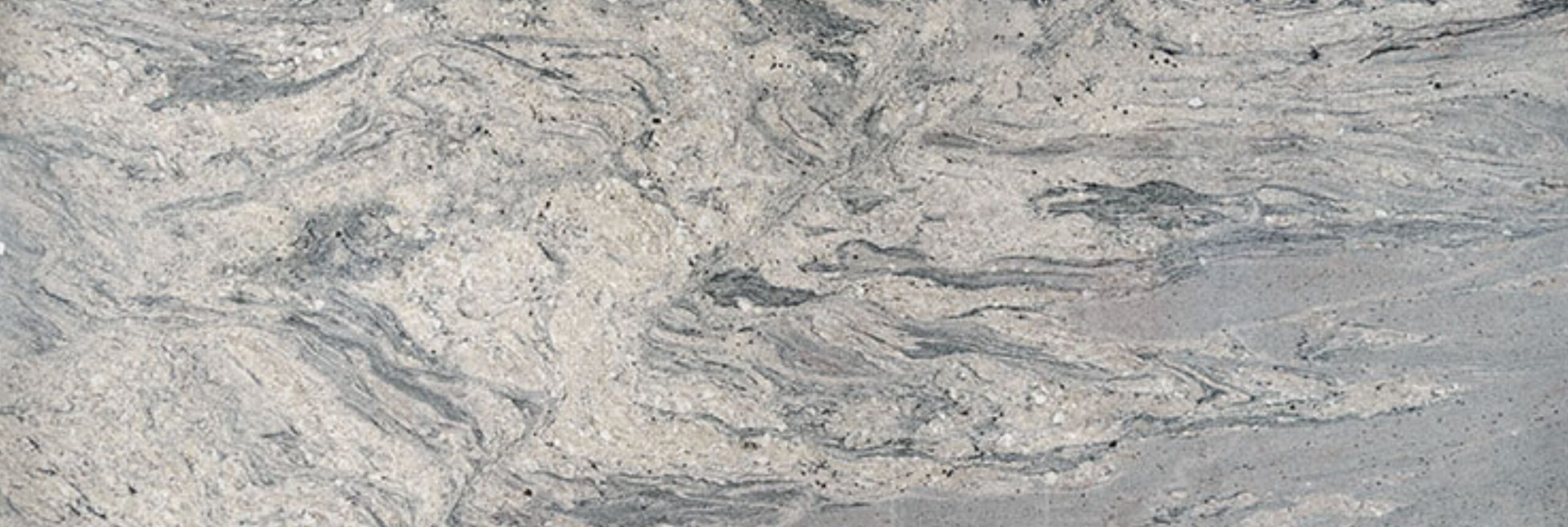
| Blue Pearl | Blue and gray | Quartz, Feldspar | Countertops, Wall Cladding |
| Bianco Antico | White with gray and brown | Quartz, Feldspar, Mica | Countertops, Backsplashes |
Understanding these characteristics not only helps in selecting the right granite for your project but also deepens your appreciation for the geological story behind each slab.
The Journey of Granite: From the Earth to Your Home
The journey of granite from its formation to installation in your home is a fascinating process that involves several steps:
- Quarrying: Granite is extracted from quarries, where large blocks of stone are cut from the earth. This process requires skilled labor and heavy machinery to ensure safety and precision.
- Slab Preparation: Once quarried, the granite blocks are transported to fabrication facilities. Here, they are cut into slabs, polished, and finished to meet specific design requirements.
- Installation: After fabrication, the granite slabs are delivered to your home, where professional installers carefully fit them into your kitchen or bathroom. This step is crucial for ensuring that the countertops are not only aesthetically pleasing but also functional.
At Washington Granite, we pride ourselves on offering exceptional craftsmanship and personalized service throughout this entire process. Our experienced installers ensure that your granite countertops are not only beautiful but also installed with precision and care.
Choosing the Right Granite for Your Space
When selecting granite for your kitchen or bathroom, consider the following factors:
- Color and Pattern: Choose a color that complements your existing decor. The unique patterns in granite can serve as a focal point in your space.
- Durability: Ensure the granite you select is suitable for the intended use. For high-traffic areas, opt for a denser, more durable variety.
- Finish: The finish of the granite can impact its appearance and maintenance. Polished granite offers a glossy look, while honed finishes provide a more matte appearance.
For personalized guidance, call +1 425-545-8006 or request a free consultation online. Our team is dedicated to helping you find the perfect granite for your home.
The Value of Understanding Granite's Geological Story
Understanding the geological story behind granite can enhance your appreciation for this natural stone. Each slab has a unique history that reflects the conditions of the Earth at the time of its formation. By recognizing the significance of granite, homeowners can make informed decisions that align with their values and design preferences.
Moreover, the geological context of granite can also influence its market value. Unique patterns, colors, and origins can make certain granites more sought after. This understanding can empower homeowners when discussing options with fabricators and designers.
Expert Tips for Caring for Your Granite Countertops
- Sealing: Seal your granite countertops every 6-12 months to protect against stains and moisture.
- Cleaning: Use a mild soap and warm water for daily cleaning. Avoid harsh chemicals that can damage the surface.
- Hot Items: Always use trivets or hot pads under hot pots and pans to prevent thermal shock.
By following these care tips, you can ensure that your granite countertops remain a stunning focal point in your home for years to come.
Frequently Asked Questions
What is granite made of?
Granite is primarily composed of quartz, feldspar, and mica, which contribute to its strength and durability.
How is granite formed?
Granite is formed from the slow crystallization of molten magma deep within the Earth's crust.
Why should I choose granite for my countertops?
Granite is a durable and aesthetically pleasing material that is resistant to scratches, heat, and stains, making it an ideal choice for kitchens and bathrooms.
How do I maintain my granite countertops?
Regular sealing, gentle cleaning with mild soap, and using trivets for hot items are essential for maintaining granite countertops.
Can granite be repaired if it gets damaged?
Yes, minor scratches and chips can often be repaired by professionals using special tools and techniques.
What are the different types of granite?
There are many types of granite, each with unique colors and patterns, including Black Galaxy, Blue Pearl, and Bianco Antico.
How does the geological history affect the price of granite?
Unique colors, patterns, and origins can influence the market value of granite, making certain slabs more desirable.
Where can I find high-quality granite countertops in the Greater Seattle area?
Visit Washington Granite in Everett, WA, for a wide selection of premium granite countertops.

About Washington Granite
Premium granite, quartz, quartzite, and marble countertop specialists in Washington State. We help homeowners transform their kitchens and bathrooms with luxury stone surfaces.