Table of Contents
Why Quartz Outperforms Concrete as a Kitchen Countertop Material
When it comes to selecting the perfect countertop material for your kitchen, homeowners often find themselves weighing various options. Two popular contenders are quartz and concrete. While concrete has been a staple in modern design, quartz countertops have risen to prominence for several compelling reasons. In this article, we will explore why quartz outperforms concrete as a kitchen countertop material, focusing on durability, maintenance, aesthetics, and overall value. We'll also provide insights tailored to homeowners in the Greater Seattle and Eastside areas, ensuring you make an informed decision for your kitchen upgrade.
1. Understanding Quartz and Concrete Countertops
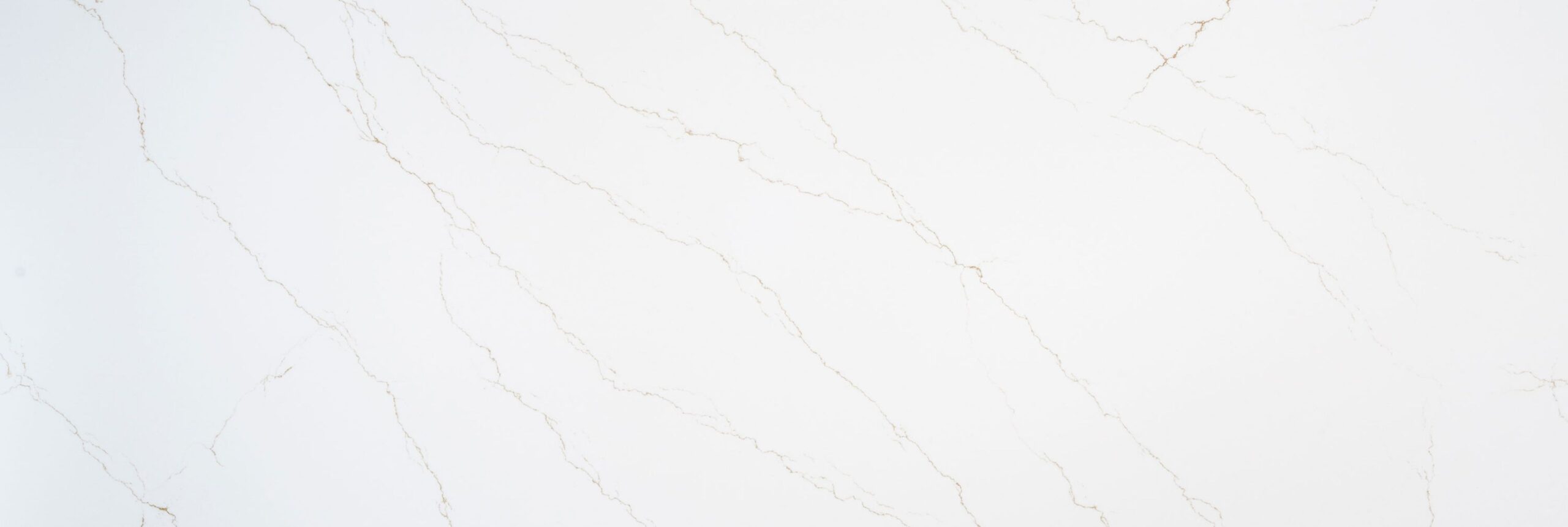
Before diving into the comparison, it’s essential to understand what quartz and concrete countertops are made of. Quartz countertops are engineered stone surfaces made from 90-95% crushed natural quartz crystals combined with resins and pigments. This process creates a non-porous, uniform slab that offers a wide variety of colors and patterns, making it a popular choice among homeowners.
On the other hand, concrete countertops are made from a mixture of cement, aggregates, and water. While concrete can be poured into various shapes and finishes, it often requires additional treatments to enhance its durability and appearance. Both materials have their unique qualities, but for kitchen countertops, quartz tends to be the superior option.
2. Durability: Quartz vs. Concrete
Durability is a crucial factor when selecting a kitchen countertop material. Quartz is known for its exceptional resilience. It is non-porous, which means it does not absorb liquids or harbor bacteria, making it a hygienic choice for food preparation areas. In contrast, concrete is more susceptible to chipping, cracking, and staining, particularly if not properly sealed.
| Feature | Quartz | Concrete |
|---|---|---|
| Porosity | Non-porous | Porous (requires sealing) |
| Scratch Resistance | High | Moderate |
| Stain Resistance | High | Moderate to Low |
| Impact Resistance | High | Variable |
| Heat Resistance | Moderate | High |
As shown in the table, quartz countertops offer superior resistance to scratches and stains compared to concrete. While concrete can withstand high temperatures, it can also crack under sudden temperature changes. Therefore, homeowners seeking a durable and long-lasting surface should consider quartz as the optimal choice.
3. Maintenance Requirements
Maintenance is another critical aspect to consider. Quartz countertops are relatively low-maintenance. They can be cleaned easily with mild soap and water, and do not require any special sealing or treatments. This ease of maintenance is a significant advantage for busy homeowners.
Concrete countertops, however, require more attention. They need to be sealed regularly to prevent staining and moisture absorption. Additionally, any cracks or chips may require patching and resealing, which can be time-consuming and costly. For homeowners looking for a hassle-free solution, quartz is the clear winner in terms of maintenance.
4. Aesthetic Appeal and Design Versatility
Aesthetics play a vital role in the decision-making process for kitchen upgrades. Quartz countertops are available in a wide range of colors, patterns, and finishes, allowing homeowners to choose a style that complements their kitchen design. From sleek modern looks to rustic finishes, quartz can cater to diverse preferences.
Concrete countertops can also be customized, but their appearance is often limited to a more industrial or rustic aesthetic. While some homeowners appreciate this look, others may find it less versatile compared to the myriad options available in quartz. Furthermore, quartz surfaces can mimic the appearance of natural stones like marble or granite without the associated upkeep.
5. Value Over Time
Investing in a kitchen countertop is not just about aesthetics; it’s also about long-term value. Quartz countertops tend to hold their value better than concrete over time. According to a study by the National Association of Realtors, kitchen upgrades that include high-quality materials like quartz can significantly enhance the overall value of a home.
Additionally, the longevity and durability of quartz mean that homeowners are less likely to incur replacement costs or extensive repairs in the future. This reliability makes quartz a wise investment for those considering long-term property value and daily living quality.
6. Expert Tips for Choosing Countertop Materials
Choosing the right countertop material can be overwhelming. Here are some expert tips to help guide your decision-making process:
- Assess Your Lifestyle: Consider how much cooking and entertaining you do. If your kitchen is a high-traffic area, quartz may be a better option due to its durability.
- Think About Maintenance: If you prefer low-maintenance solutions, quartz countertops require minimal upkeep compared to concrete.
- Explore Design Options: Visit a local showroom, such as Washington Granite in Everett, to explore different quartz options and find the perfect match for your kitchen.
- Consult Professionals: Don’t hesitate to seek professional advice. A consultation can provide personalized insights tailored to your kitchen layout and design goals.
7. Conclusion
In conclusion, while both quartz and concrete have their merits, quartz countertops clearly outperform concrete in terms of durability, maintenance, aesthetic appeal, and long-term value. For homeowners in the Greater Seattle and Eastside areas, investing in quartz can enhance not only the beauty of your kitchen but also its functionality and overall worth. If you're considering a kitchen upgrade, visit our Everett showroom or contact us for personalized guidance on selecting the right quartz countertops for your space.
8. FAQs
What are the benefits of quartz countertops?
Quartz countertops offer durability, low maintenance, a wide variety of designs, and resistance to stains and scratches.
Are quartz countertops more expensive than concrete?
While quartz may have a higher upfront cost, its long-term durability and low maintenance needs can make it a more cost-effective option over time.
How do I clean quartz countertops?
Simply use mild soap and water to clean quartz surfaces. Avoid harsh chemicals that could damage the resin.
Can quartz countertops chip or crack?
Quartz is highly durable but can chip or crack under extreme impact. However, it is less prone to damage than concrete.
Are concrete countertops more environmentally friendly than quartz?
Concrete can be made from recycled materials, but quartz is also considered sustainable as it utilizes natural stone aggregates.
How long do quartz countertops last?
With proper care, quartz countertops can last for decades, making them a long-term investment for your home.
Can I install quartz countertops myself?
It is recommended to hire professionals for installation to ensure proper fitting and avoid damage.
Where can I see quartz options in person?
Visit Washington Granite’s showroom in Everett to explore a wide range of quartz countertop options.

About Washington Granite
Premium granite, quartz, quartzite, and marble countertop specialists in Washington State. We help homeowners transform their kitchens and bathrooms with luxury stone surfaces.