Table of Contents
Why Quality Stone Countertops Outlast Every Other Kitchen Surface
When it comes to choosing a countertop for your kitchen, the options can be overwhelming. From laminate and wood to concrete and stainless steel, each material has its own pros and cons. However, one category stands out for its durability, aesthetics, and long-term value: quality stone countertops. In this article, we will explore why quality stone countertops — including quartz, granite, quartzite, and marble — outlast every other kitchen surface. We will delve into the unique properties of these materials, their maintenance requirements, and how they can enhance your kitchen's functionality and beauty.
By the end of this article, you will understand the advantages of opting for stone countertops and how they can elevate your kitchen space. You will also gain insights into the selection process, installation, and maintenance tips to ensure your countertops remain stunning for years to come.
The Durability of Stone Countertops
Durability is a primary consideration when selecting a kitchen countertop. Stone countertops, particularly those made from granite, quartzite, and quartz, are known for their exceptional strength and resilience. For instance, granite countertops are formed from molten rock, which makes them incredibly durable and resistant to scratches, heat, and stains. According to the Natural Stone Institute, granite has a hardness rating of 6-7 on the Mohs scale, making it one of the most durable materials available for kitchen surfaces.
Quartzite, a natural stone that is often confused with quartz, is another excellent option. It is metamorphic rock that undergoes intense heat and pressure, resulting in a surface that is not only visually stunning but also highly resistant to abrasion and damage. In fact, quartzite is often considered even more durable than granite, making it an ideal choice for high-traffic kitchens.
On the other hand, quartz countertops, which are engineered stone made from 90-95% crushed natural quartz combined with resin, offer a unique blend of durability and design flexibility. They are non-porous, which means they are less likely to harbor bacteria and do not require sealing like natural stone surfaces do.
Comparing Countertop Materials
To illustrate the advantages of stone countertops over other materials, we can compare them to popular alternatives such as laminate, wood, and stainless steel.
| Material | Durability | Maintenance | Aesthetic Appeal |
|---|---|---|---|
| Granite | High | Requires sealing every 1-2 years | Natural beauty, unique patterns |
| Quartzite | Very High | Minimal, no sealing required | Elegant, natural look |
| Quartz | High | Easy to clean, no sealing | Variety of colors and patterns |
| Laminate | Low | Easy, but can scratch and chip | Limited designs, less luxurious |
| Wood | Moderate | Requires regular oiling and sealing | Warm, classic look |
| Stainless Steel | High | Easy to clean, can dent | Modern, industrial style |
As shown in the comparison table, stone countertops consistently outperform laminate and wood in terms of durability and aesthetic appeal. While stainless steel offers a contemporary look, it may not provide the warmth and character that stone does. The unique veining and colors found in natural stone add a level of sophistication that is hard to replicate.
The Aesthetic Appeal of Stone Countertops
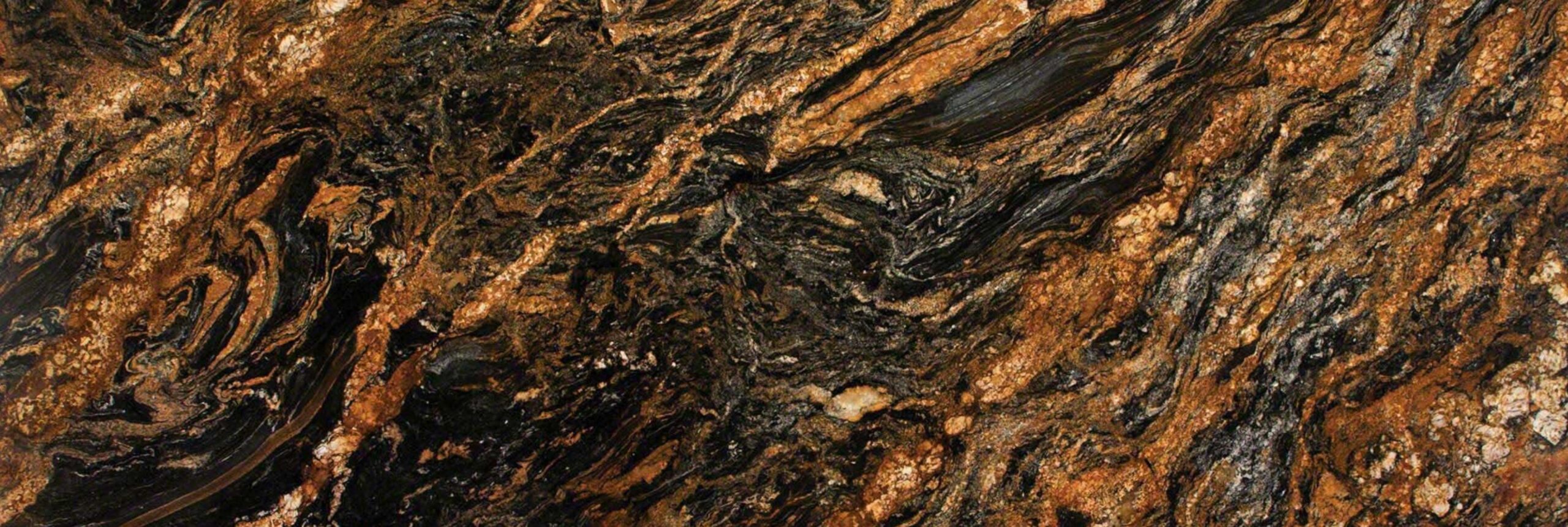
One of the most compelling reasons to choose stone countertops is their aesthetic appeal. Quality stone surfaces can transform a kitchen, adding elegance and sophistication. Granite and quartzite, for instance, come in a variety of colors and patterns, allowing homeowners to select a style that complements their overall kitchen design.
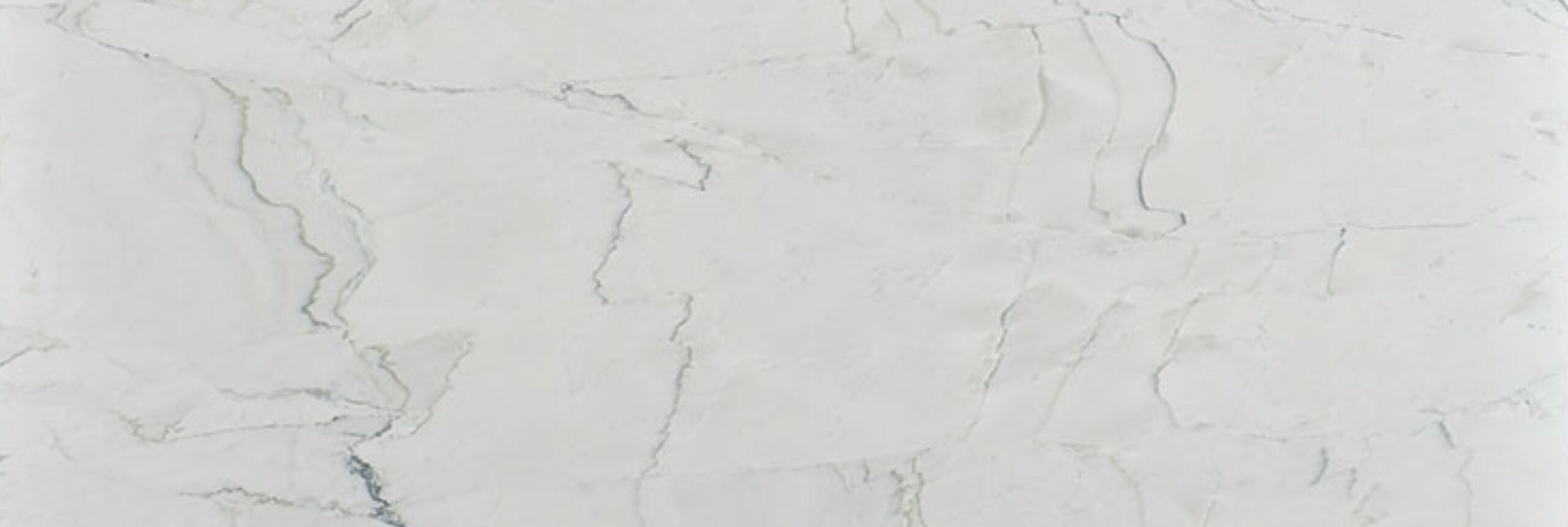
Marble is another stunning option, known for its luxurious appearance and unique veining. While it may require more maintenance compared to granite or quartz, its beauty is unmatched. Many homeowners opt for marble for their kitchen islands or as accent surfaces, blending it with more durable materials for the rest of the countertops.
In addition, the natural variations in stone mean that no two pieces are identical, creating a unique look for your kitchen. This individuality adds character and a personal touch to your space. For those who want to explore different designs, our inspiration gallery offers a wealth of ideas.
Maintenance and Care for Quality Stone Countertops
While stone countertops are known for their durability, proper maintenance is essential to ensure they last a lifetime. Here are some key maintenance tips:
- Sealing: Natural stones like granite and marble should be sealed regularly to protect against stains and moisture. A good rule of thumb is to seal granite every 1-2 years, while marble may require more frequent sealing.
- Cleaning: Use a mild detergent and warm water for daily cleaning. Avoid harsh chemicals that can damage the surface.
- Heat Protection: Always use trivets or hot pads under pots and pans to prevent thermal shock and potential cracking.
- Cutting Boards: While stone is durable, using cutting boards is recommended to avoid scratches and maintain the integrity of the surface.
Environmental Considerations
In today's eco-conscious world, many homeowners are concerned about the environmental impact of their material choices. Quality stone countertops are often more sustainable than synthetic alternatives. Natural stone is sourced from quarries, and when responsibly extracted, it has a minimal environmental footprint.
Furthermore, stone countertops can last for decades, reducing the need for frequent replacements and minimizing waste. According to the U.S. Geological Survey, granite is an abundant resource, and its use in construction has a lower carbon footprint compared to other materials. Additionally, quartz countertops, made from recycled stone materials, can be an eco-friendly option as well.
For more insights into sustainable building practices, check out resources from the U.S. Environmental Protection Agency and the National Association for Industrial and Office Properties.
Cost-Effectiveness and Long-Term Value
While the initial investment in quality stone countertops may be higher than other materials, the long-term value is undeniable. Stone surfaces are not only durable but also add significant resale value to your home. According to a report by the National Association of Realtors, kitchens with high-quality countertops can attract buyers and increase overall home value.
Moreover, the longevity of stone countertops means fewer replacements and repairs over time, translating to lower overall costs. When considering the life cycle of a countertop, stone options often prove to be the more cost-effective choice in the long run.
For homeowners in the Greater Seattle area, Washington Granite offers a range of premium stone countertops, including quartz, granite, quartzite, and marble. Visit our showroom in Everett to explore your options and receive personalized guidance on selecting the perfect countertop for your kitchen.
Choosing the Right Stone Countertop
With various options available, selecting the right stone countertop can be daunting. Here are some steps to guide you through the process:
- Assess Your Needs: Consider your cooking habits, lifestyle, and aesthetic preferences. If you entertain often, a durable and visually striking surface like quartzite may be ideal.
- Explore Options: Visit a local stone showroom, such as Washington Granite, to see samples and get a feel for different materials.
- Consult Experts: Speak with professionals who can provide insights into the pros and cons of each material. Our team is here to help — contact us for personalized advice.
- Consider Installation: Ensure that the fabricator you choose has experience with stone countertops. Proper installation is crucial for the longevity of your surface.
Frequently Asked Questions
1. What are the most durable types of stone countertops?
Granite, quartzite, and quartz are considered the most durable stone countertop materials. They resist scratches, heat, and stains effectively.
2. How often should I seal my granite countertops?
Granite countertops should be sealed every 1-2 years to protect against moisture and staining.
3. Can I use marble countertops in my kitchen?
Yes, marble countertops are beautiful and can be used in kitchens, but they require more maintenance and care than granite or quartz.
4. Are quartz countertops non-porous?
Yes, quartz countertops are non-porous, making them resistant to bacteria and easy to clean.
5. How do I clean my stone countertops?
Use mild detergent and warm water for cleaning. Avoid harsh chemicals that can damage the surface.
6. What is the best stone for a kitchen countertop?
The best stone for a kitchen countertop depends on your needs. Granite and quartzite are excellent for durability, while marble offers aesthetic appeal.
7. Are stone countertops environmentally friendly?
Yes, stone countertops can be environmentally friendly when sourced responsibly, and their longevity reduces waste.
8. How much do stone countertops cost?
While the initial investment may be higher, stone countertops provide long-term value and durability, saving money over time.

About Washington Granite
Premium granite, quartz, quartzite, and marble countertop specialists in Washington State. We help homeowners transform their kitchens and bathrooms with luxury stone surfaces.