Table of Contents
The Complete Guide to Leathered and Brushed Countertop Finishes
If you're considering a kitchen or bathroom renovation, the finish of your countertops can significantly influence the overall aesthetic and functionality of your space. Among the various finishes available, leathered and brushed textures have gained immense popularity due to their unique appearance and practical benefits. In this comprehensive guide, we will explore everything you need to know about leathered and brushed countertop finishes, helping you make informed decisions for your home. By the end of this article, you will understand the differences, advantages, and maintenance requirements of these finishes, ensuring that your investment enhances your property’s value and livability.
What Are Leathered and Brushed Finishes?
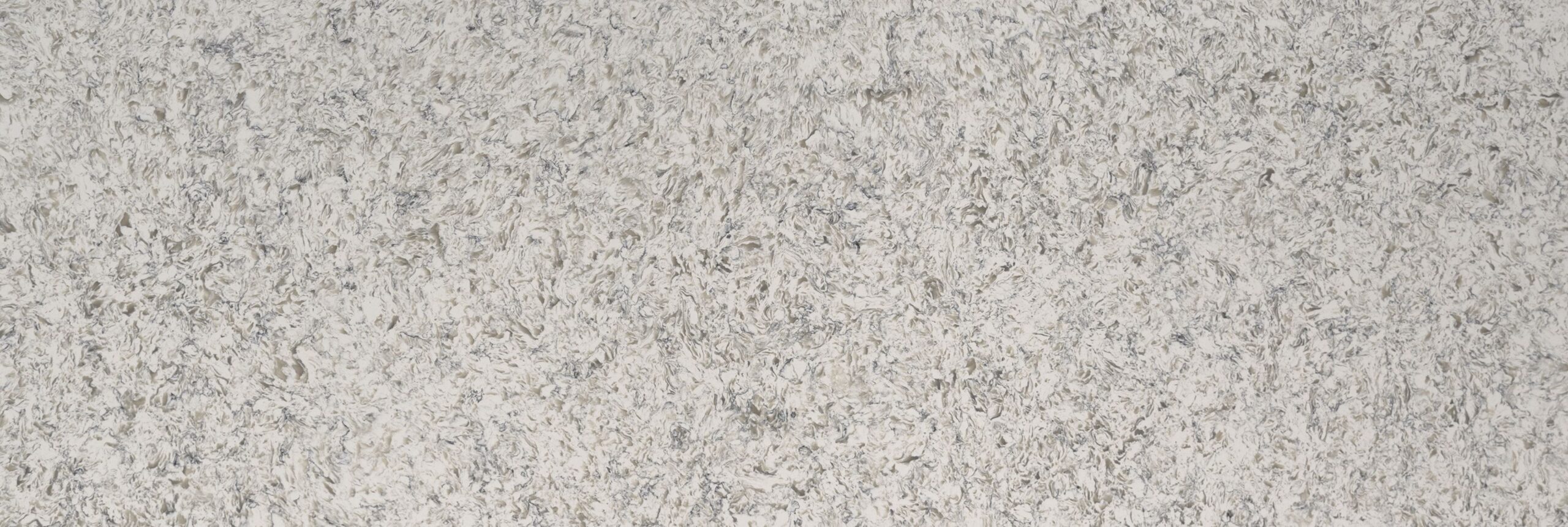
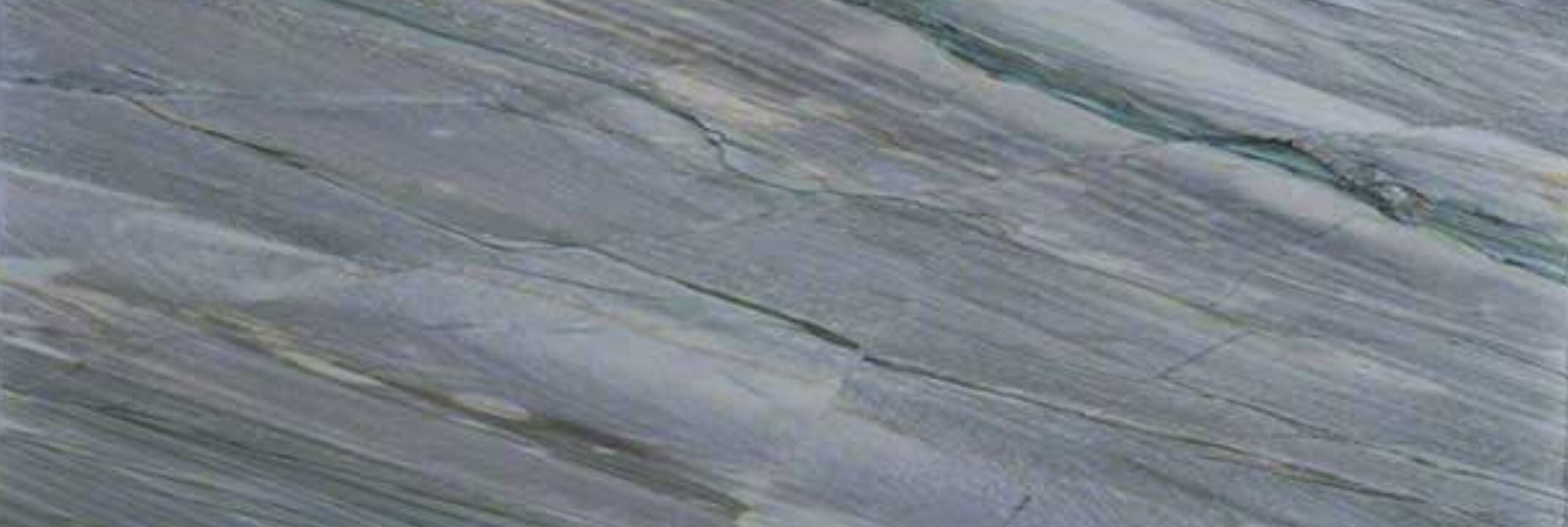
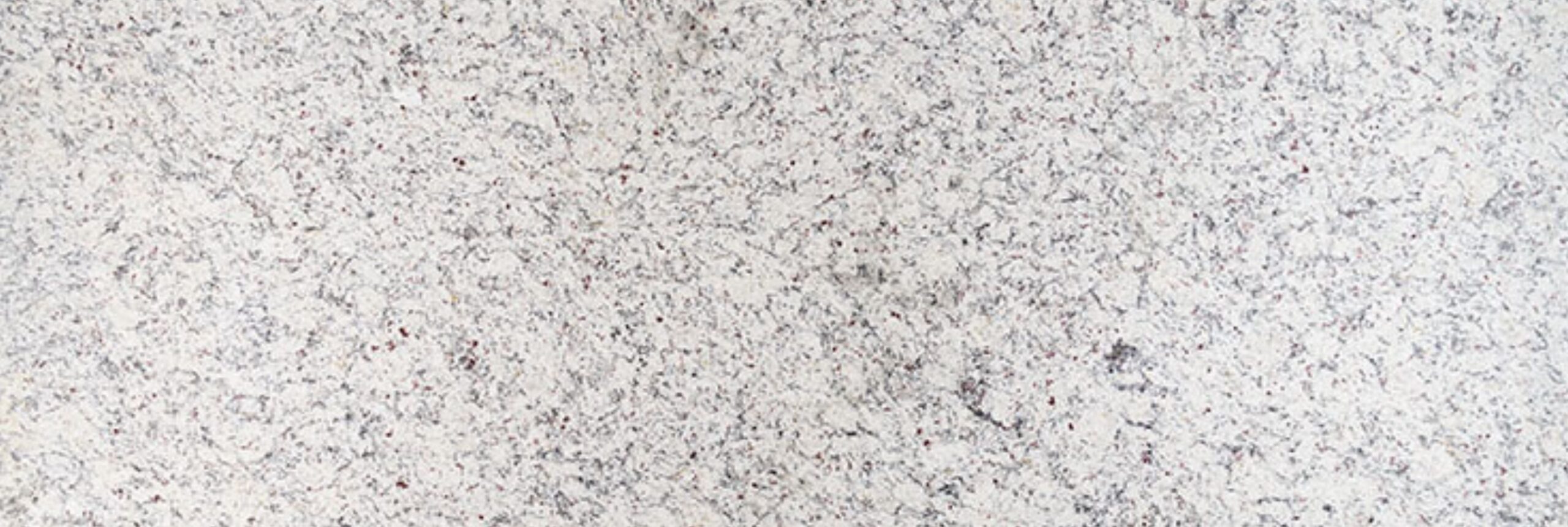
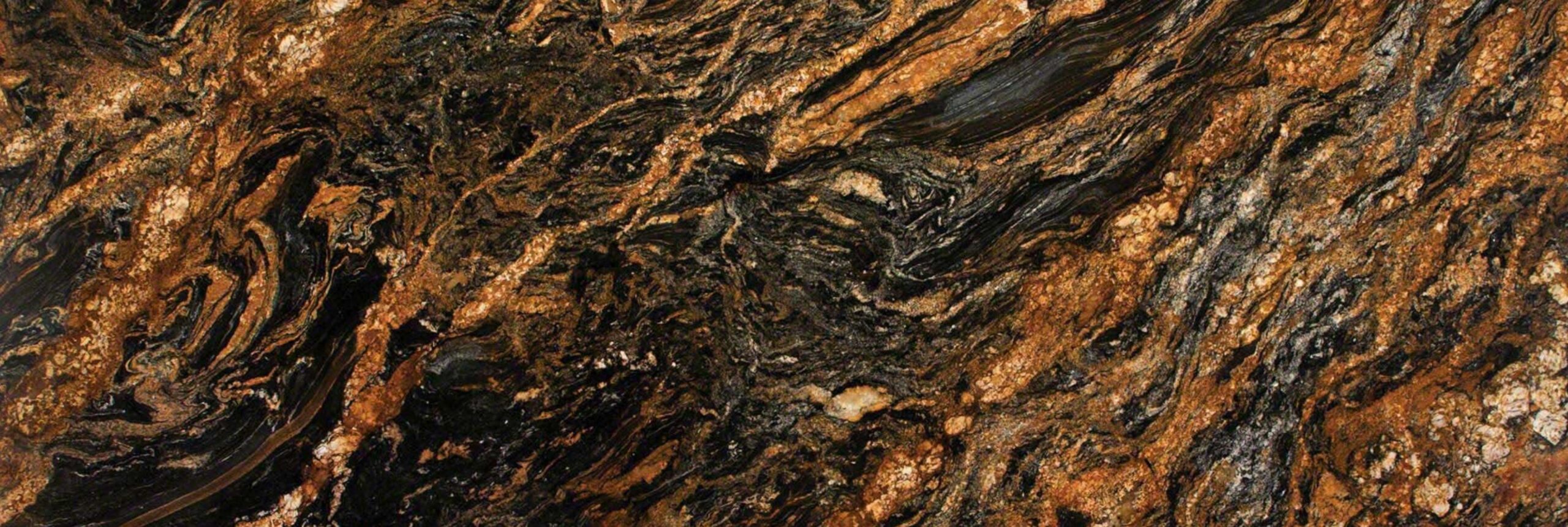
Leathered and brushed finishes are two distinct textural treatments applied to stone countertops, such as granite, quartz, and marble.
Leathered Finish
A leathered finish is achieved through a specific process that involves the use of diamond-tipped brushes to create a textured surface. This method enhances the natural beauty of the stone while providing a matte appearance that is less reflective than polished finishes. The result is a warm, organic look that highlights the stone's unique veining and patterns. Leathered finishes are particularly popular for homeowners seeking a rustic or contemporary aesthetic.
Brushed Finish
On the other hand, a brushed finish is created by using finer abrasives to give the stone a slightly textured surface without the depth of a leathered finish. This finish retains a subtle sheen, making it ideal for those who prefer a more refined appearance. Brushed finishes are versatile and can complement various design styles, from traditional to modern.
Advantages of Leathered Countertops
Leathered countertops offer several benefits that make them an attractive choice for homeowners:
- Enhanced Durability: The textured surface of leathered countertops helps to hide scratches and imperfections, making them more durable for everyday use.
- Stain Resistance: Leathered finishes are typically treated with sealants that enhance their resistance to stains, making them ideal for kitchens and bathrooms.
- Unique Aesthetic: Each leathered countertop is unique, showcasing the natural variations in the stone, which adds character to your space.
- Non-Slip Surface: The texture of leathered finishes provides a non-slip surface, making it safer for families with children.
- Low Maintenance: Leathered surfaces are easier to clean and maintain compared to polished finishes, requiring only regular sealing and gentle cleaning.
Advantages of Brushed Countertops
Brushed countertops also come with their own set of advantages:
- Subtle Elegance: The brushed texture offers a refined look that works well in both modern and traditional settings.
- Scratch Resistance: Similar to leathered finishes, brushed countertops are less prone to visible scratches, making them ideal for high-traffic areas.
- Easy Maintenance: Brushed finishes are relatively easy to clean and maintain, requiring minimal effort to keep them looking fresh.
- Versatility: The understated beauty of brushed finishes complements various design elements, allowing for flexibility in kitchen or bathroom aesthetics.
How to Choose Between Leathered and Brushed Finishes
Choosing between leathered and brushed finishes depends on your personal preferences, design goals, and lifestyle needs. Here are some factors to consider:
- Design Style: Consider the overall design theme of your home. Leathered finishes add a rustic charm, while brushed finishes provide a sleek, refined look.
- Usage and Durability: If your kitchen or bathroom is frequently used, the durability of leathered finishes might be more beneficial. However, brushed finishes also offer good durability.
- Maintenance: Both finishes are relatively low maintenance, but leathered finishes may require more frequent sealing to maintain their appearance.
- Budget: While both finishes can vary in cost, leathered finishes may be slightly more expensive due to the additional processing involved.
Maintenance and Care for Leathered and Brushed Finishes
Proper maintenance is essential to ensure the longevity and beauty of your leathered or brushed countertops. Here are some maintenance tips:
Leathered Countertops
- Regular Sealing: Leathered surfaces should be sealed every 6-12 months to protect against stains and moisture.
- Gentle Cleaning: Use a pH-balanced cleaner and a soft cloth for routine cleaning. Avoid harsh chemicals that can damage the sealant.
- Wipe Spills Immediately: Clean up spills as soon as possible to prevent staining, especially from acidic substances.
Brushed Countertops
- Sealing: Like leathered finishes, brushed countertops should also be sealed regularly, typically every 6-12 months.
- Cleaning: Use mild soap and warm water for cleaning. Avoid abrasive pads that can damage the surface.
- Preventative Measures: Use coasters and cutting boards to prevent scratches and stains.
Cost Considerations
While discussing finishes, it’s important to consider the overall investment in your countertops. The cost of leathered and brushed finishes can vary based on several factors:
| Factor | Leathered Finish | Brushed Finish |
|---|---|---|
| Material Type | Granite, Quartz, Marble | Granite, Quartz, Marble |
| Processing Costs | Higher due to specialized finishing | Moderate processing costs |
| Average Price Range | Varies widely based on material | Varies widely based on material |
Consulting with local experts, such as those at Washington Granite, can provide insights on specific materials and finishing options available in Everett and the Greater Seattle area.
Conclusion
Choosing between leathered and brushed countertop finishes ultimately depends on your personal style, maintenance preferences, and the intended use of your countertops. Both finishes offer unique advantages and can enhance the beauty and functionality of your kitchen or bathroom. By educating yourself on these options, you can make an informed decision that aligns with your design vision and lifestyle needs. For personalized guidance, call +1 425-545-8006 or visit our Everett showroom to explore premium countertop options tailored to your home.
Frequently Asked Questions
1. What is the difference between leathered and brushed finishes?
Leathered finishes have a more textured, matte appearance, while brushed finishes offer a subtle sheen with a smoother texture.
2. Are leathered countertops more durable than polished ones?
Yes, leathered countertops are generally more durable as they tend to hide scratches and imperfections better than polished surfaces.
3. How often do I need to seal leathered and brushed countertops?
Both finishes should be sealed every 6-12 months to maintain their appearance and protect against stains.
4. Can I use harsh chemicals on leathered or brushed countertops?
No, it’s best to use pH-balanced cleaners to avoid damaging the surface or sealant.
5. Which finish is better for high-traffic areas?
Leathered finishes are often preferred for high-traffic areas due to their durability and scratch resistance.
6. Are there specific stones that work better with leathered or brushed finishes?
Both finishes can be applied to granite, quartz, and marble, but the choice often depends on the desired aesthetic and texture.
7. Can I change the finish of my countertops after installation?
Yes, it is possible to change the finish, but it requires professional refinishing and can be costly.
8. How do I clean spills on leathered or brushed countertops?
Wipe spills immediately with a soft cloth and pH-balanced cleaner to prevent staining.

About Washington Granite
Premium granite, quartz, quartzite, and marble countertop specialists in Washington State. We help homeowners transform their kitchens and bathrooms with luxury stone surfaces.