Table of Contents
Why Quartz Outperforms Laminate in Every Category That Matters
When it comes to choosing the right countertop material for your kitchen or bathroom, homeowners often find themselves at a crossroads between quartz and laminate. While laminate has been a go-to option for many years due to its affordability, quartz countertops are increasingly becoming the preferred choice for those seeking durability, elegance, and long-term value. In this article, we will explore why quartz outperforms laminate in every category that matters, from aesthetics and durability to maintenance and resale value.
1. The Aesthetic Appeal of Quartz
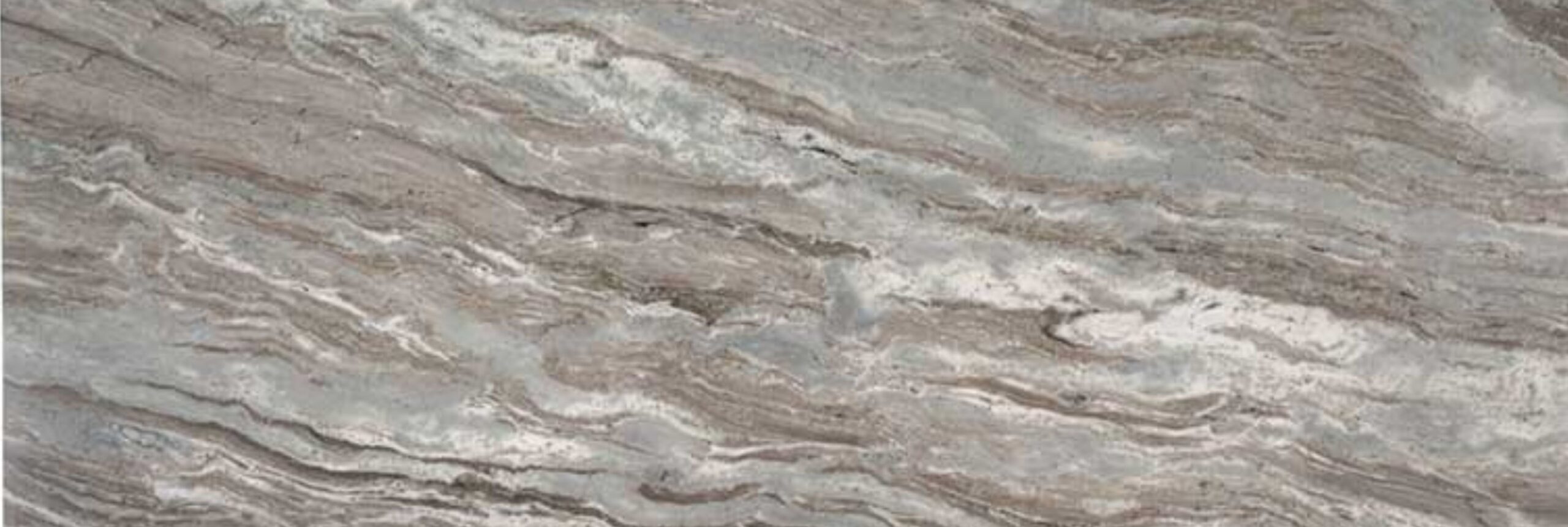
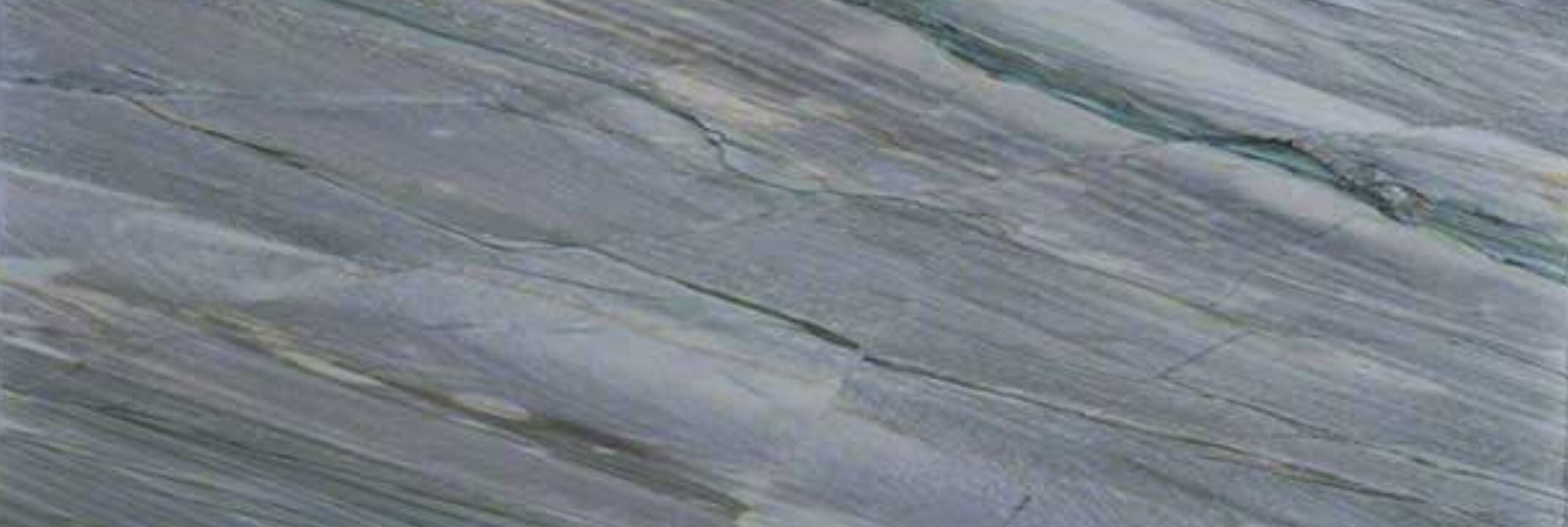
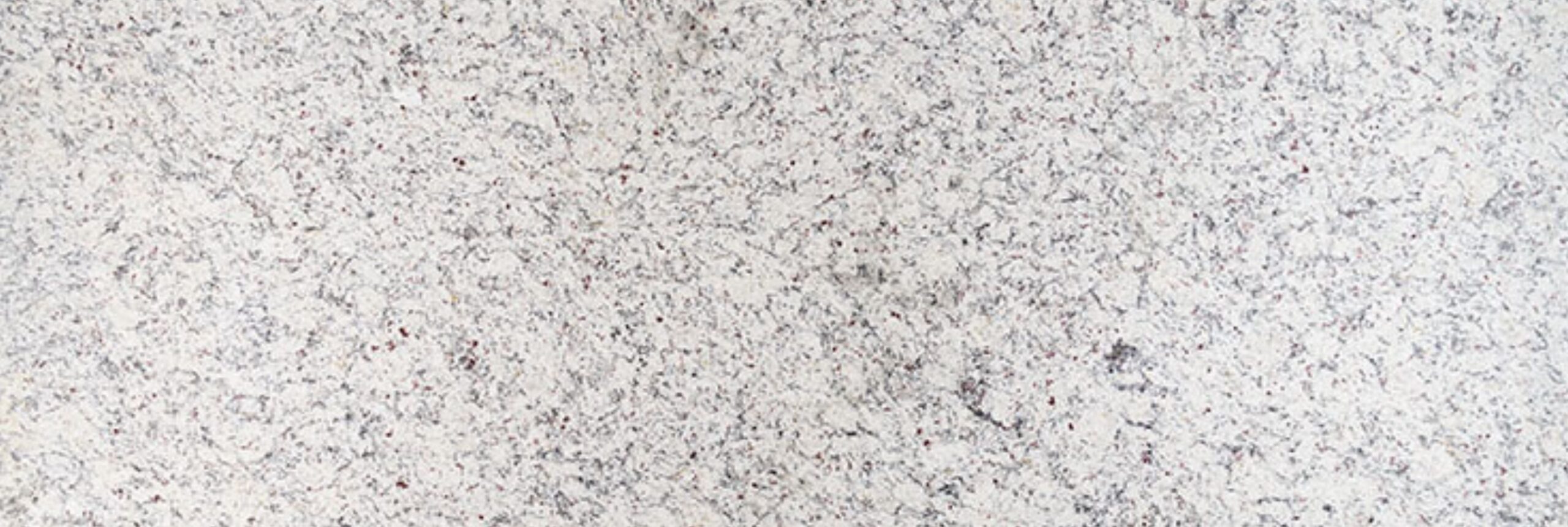
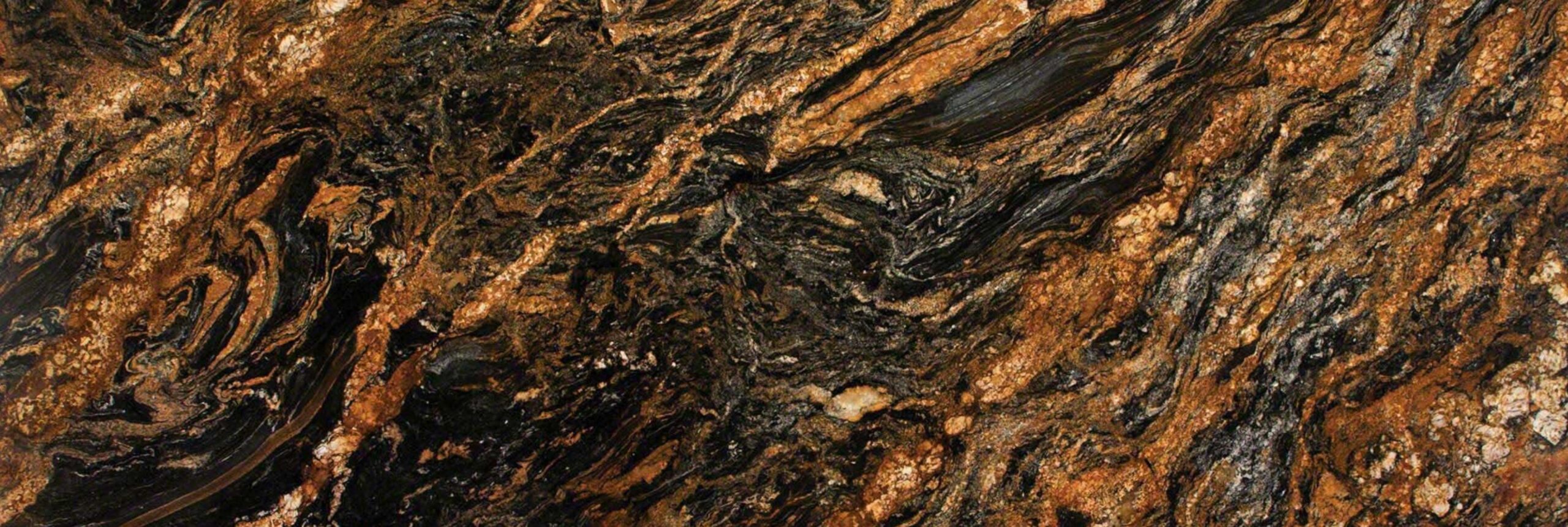
One of the most significant advantages of quartz countertops is their aesthetic appeal. Available in a wide variety of colors, patterns, and finishes, quartz can mimic the look of natural stones like granite and marble while offering a more uniform appearance. Homeowners in the Greater Seattle area can visit our Everett showroom to explore the stunning options available.
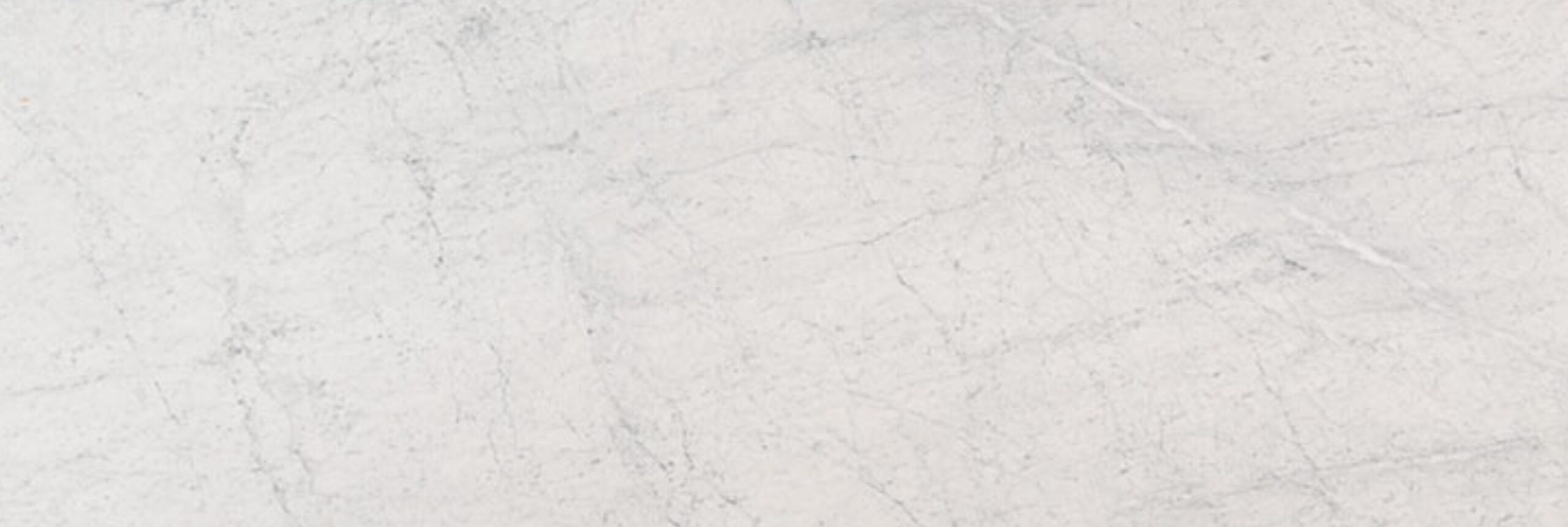
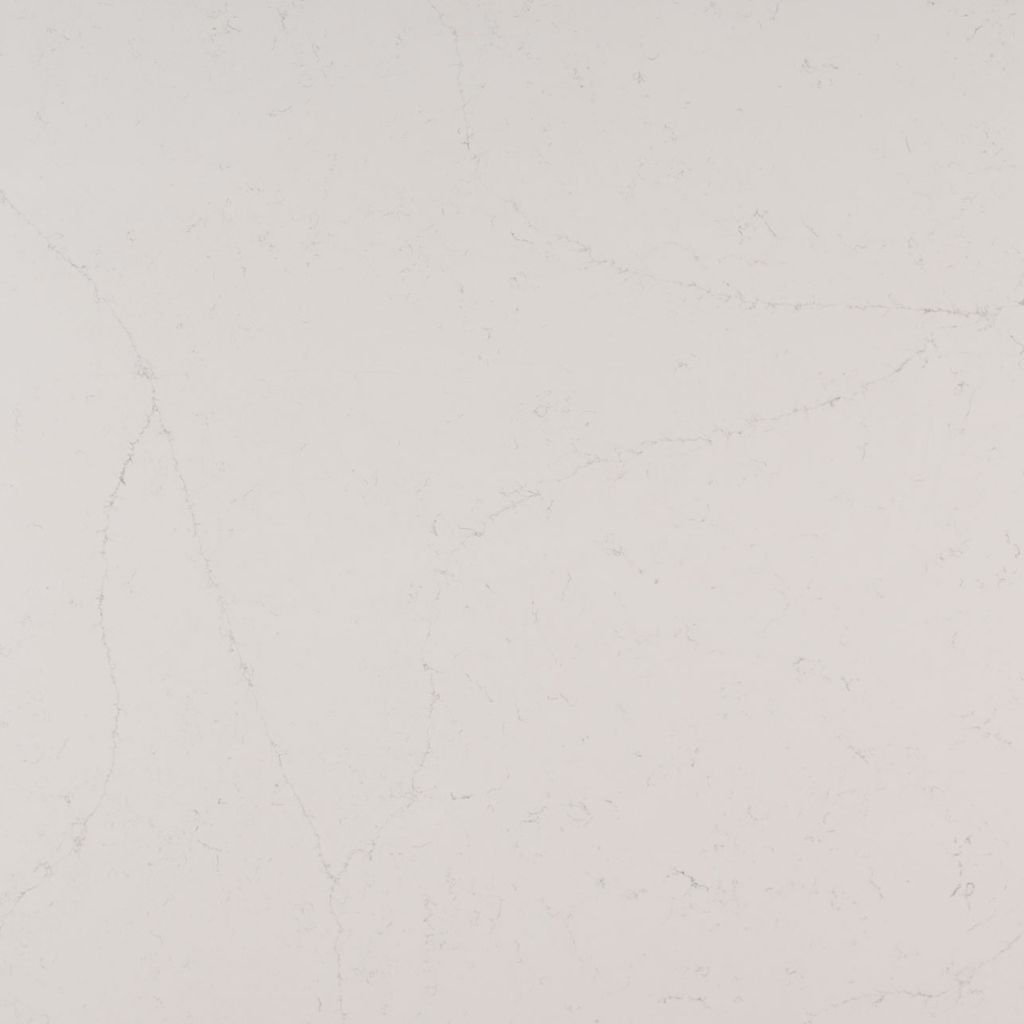
Unlike laminate, which is often limited to flat, printed designs, quartz surfaces provide depth and richness. The natural mineral content in quartz creates unique visual effects, making each slab distinct. For example, our Calacatta Alto features elegant veining that adds sophistication to any space.
2. Durability and Longevity
Durability is a crucial factor when selecting a countertop material. Quartz countertops are engineered to withstand the rigors of daily use. They are non-porous, which means they resist staining and are less susceptible to harboring bacteria compared to laminate surfaces.
| Feature | Quartz | Laminate |
|---|---|---|
| Durability | Highly durable and scratch-resistant | Can chip and scratch easily |
| Heat Resistance | Moderate heat resistance | Poor heat resistance |
| Stain Resistance | Non-porous, stain-resistant | Can stain easily |
| Longevity | Lasts 25+ years | Lasts 5-10 years |
On average, quartz countertops can last over 25 years with proper care, while laminate typically shows wear and tear within 5 to 10 years. This longevity makes quartz a more cost-effective choice in the long run.
3. Maintenance and Care
When it comes to maintenance, quartz countertops require minimal effort to keep them looking their best. A simple wipe down with mild soap and water is usually sufficient to maintain their luster. In contrast, laminate surfaces may require special cleaning products to avoid damage.
Moreover, quartz’s non-porous nature means that it does not require sealing, unlike natural stone surfaces that need periodic sealing to prevent stains and damage. This makes quartz a hassle-free choice for busy homeowners.
4. Environmental Impact
As environmental considerations become increasingly important, it’s essential to examine the sustainability of the materials we choose. Quartz countertops are often made from recycled materials and can be manufactured with a lower environmental impact compared to laminate, which is derived from petroleum-based products.
Many quartz manufacturers are committed to sustainable practices, including using eco-friendly resins and minimizing waste during production. For more information on sustainable countertop materials, you can check resources from the Environmental Protection Agency (EPA).
5. Resale Value Considerations
When investing in your home, it’s crucial to consider how your choices will affect resale value. Quartz countertops are highly sought after by potential buyers and can significantly enhance the overall appeal of your home. A study by the National Association of Realtors found that kitchen remodels, particularly those that include high-quality materials like quartz, often yield a favorable return on investment.
In contrast, laminate countertops may detract from your home’s value and can be viewed as a less desirable option. By choosing quartz, homeowners not only improve their living space but also make a wise investment for the future.
6. Cost Considerations
While quartz countertops may have a higher upfront investment compared to laminate, it’s essential to consider the total cost of ownership over time. The longevity, durability, and low maintenance requirements of quartz translate into fewer replacements and repairs, ultimately making it a more economical choice.
Homeowners can consult with our experts at Washington Granite for personalized guidance on selecting the right countertop materials for your home renovation project.
7. Conclusion
In conclusion, quartz countertops outperform laminate in every category that matters, including aesthetics, durability, maintenance, environmental impact, and resale value. By investing in quartz, homeowners not only enhance their living space but also make a smart choice for the future. If you’re ready to explore the world of quartz countertops, visit our Everett showroom today or request a free consultation online. Our experienced team is here to help you find the perfect countertop solution for your kitchen or bathroom renovation.
8. FAQ
What are the main benefits of quartz countertops?
Quartz countertops offer durability, low maintenance, aesthetic appeal, and a long lifespan, making them a popular choice for homeowners.
How do quartz countertops compare to laminate in terms of durability?
Quartz is significantly more durable than laminate, resisting scratches, heat, and stains, and lasts much longer.
Are quartz countertops easy to maintain?
Yes, quartz countertops require minimal maintenance, typically needing only soap and water for cleaning.
Is quartz environmentally friendly?
Many quartz countertops are made from recycled materials and produced using eco-friendly practices, making them a sustainable choice.
What is the average lifespan of quartz countertops?
Quartz countertops can last over 25 years with proper care, while laminate typically lasts 5 to 10 years.
Can I use hot pots on quartz countertops?
While quartz is heat resistant, it’s recommended to use trivets or hot pads to protect the surface from extreme heat.
Do quartz countertops require sealing?
No, quartz countertops are non-porous and do not require sealing, unlike natural stone surfaces.
What factors influence the cost of quartz countertops?
The cost of quartz countertops can be influenced by factors such as brand, color, thickness, and installation complexity.

About Washington Granite
Premium granite, quartz, quartzite, and marble countertop specialists in Washington State. We help homeowners transform their kitchens and bathrooms with luxury stone surfaces.