Table of Contents
The Ultimate Homeowner's Guide to Quartzite: Hardness, Beauty & Performance
When it comes to choosing the perfect countertop material for your home, quartzite stands out as a top contender. Known for its striking beauty and impressive durability, quartzite is a metamorphic rock that has captured the hearts of homeowners and designers alike. In this comprehensive guide, we will explore the hardness, beauty, and performance of quartzite, allowing you to make an informed decision for your kitchen or bathroom renovation. By the end, you'll understand why quartzite is not just a trend but a long-term investment in your home.
At Washington Granite, we pride ourselves on being your one-stop stone showroom in Everett, WA, specializing in premium countertops, including quartzite. With our expert knowledge and personalized service, we are here to guide you through the selection and installation process. Whether you’re in Everett, Bellevue, Seattle, or beyond, our team is dedicated to helping you find the perfect stone for your home.
What is Quartzite?
Quartzite is a natural stone that originates from sandstone, which undergoes a metamorphic process involving heat and pressure. This process transforms the sandstone into a dense, hard rock composed predominantly of quartz grains. The result is a beautiful, durable material that boasts a unique blend of colors and patterns, making each slab one-of-a-kind.
Quartzite's natural beauty is often compared to marble and granite, but it offers distinct advantages in terms of durability and maintenance. Unlike marble, quartzite is less porous and more resistant to staining, making it an ideal choice for high-traffic areas like kitchens and bathrooms.
Quartzite Hardness: How Does It Compare?
One of the defining characteristics of quartzite is its hardness. On the Mohs scale, quartzite typically ranks between 7 and 8, which means it is harder than granite (which ranks around 6 to 7) and significantly harder than marble (which ranks around 3 to 4). This hardness makes quartzite an excellent choice for countertops that can withstand daily wear and tear.
To put this into perspective, here’s a comparison table of common countertop materials based on their Mohs hardness ratings:
| Material | Mohs Hardness |
|---|---|
| Quartzite | 7-8 |
| Granite | 6-7 |
| Marble | 3-4 |
| Soapstone | 2-3 |
| Limestone | 3-4 |
This table illustrates that quartzite is one of the hardest natural stone options available, making it a superior choice for homeowners looking for longevity and resilience in their countertop surfaces.
The Beauty of Quartzite: Aesthetic Appeal
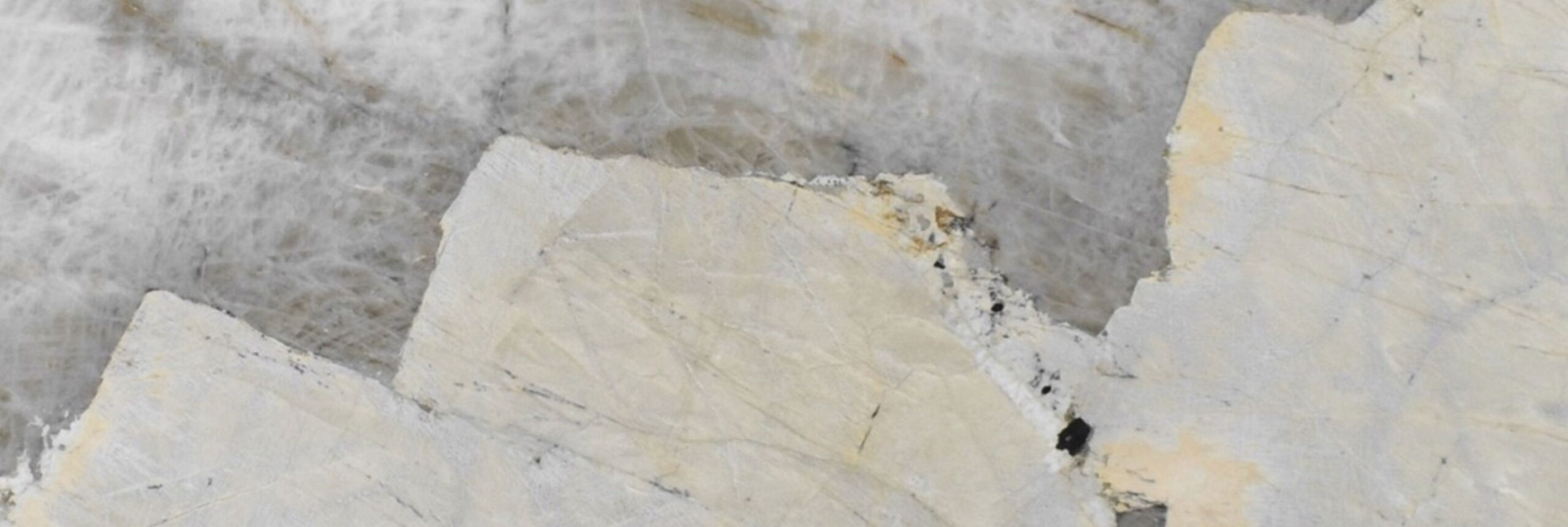
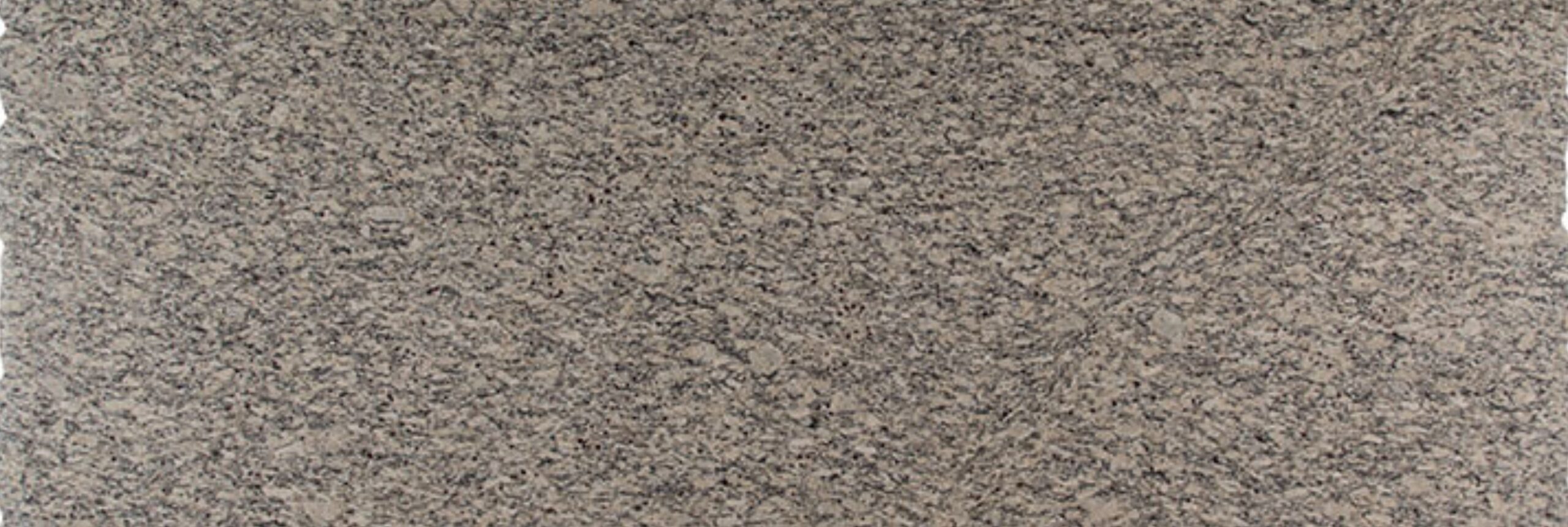
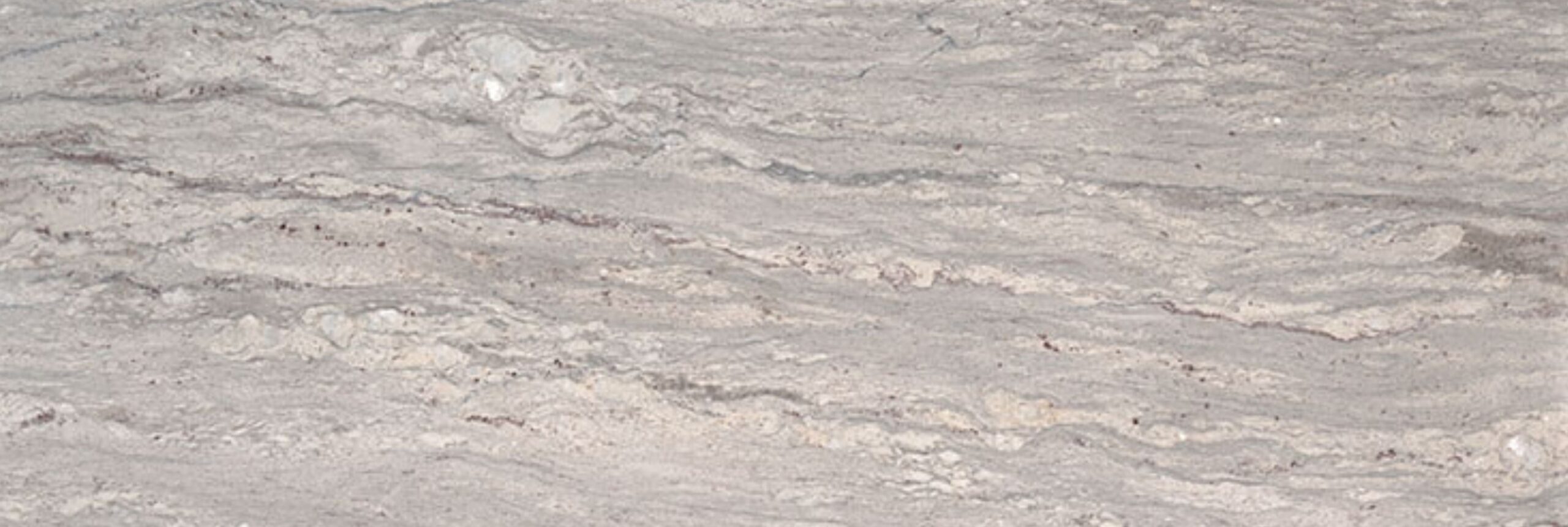
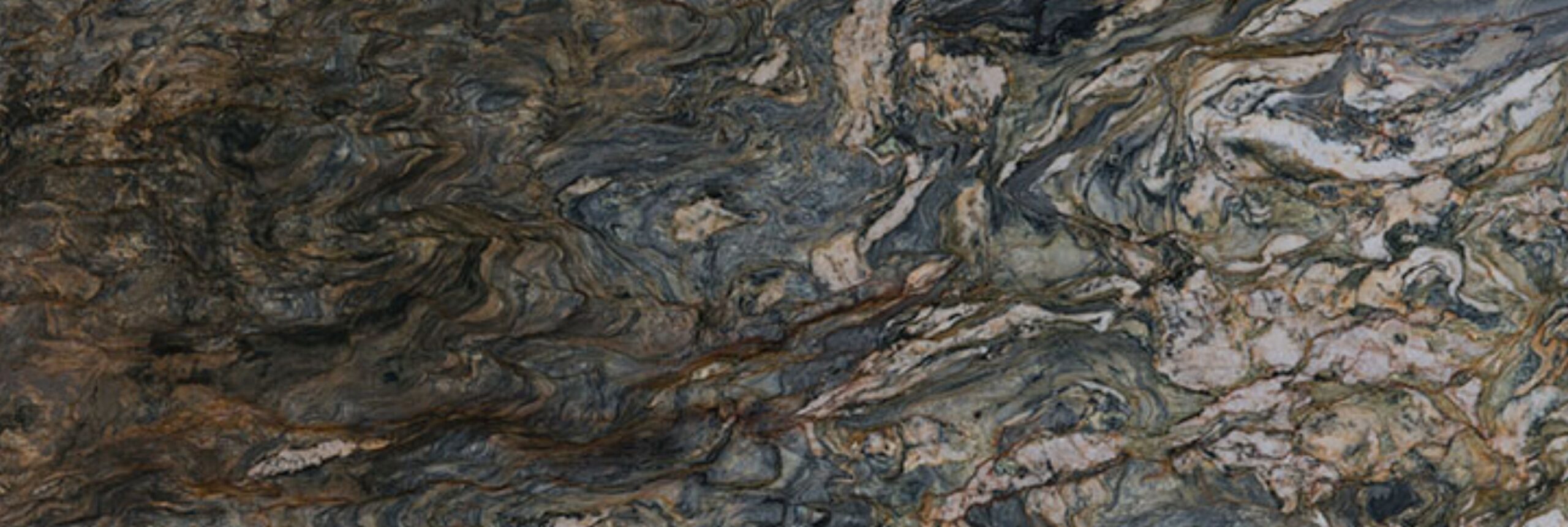
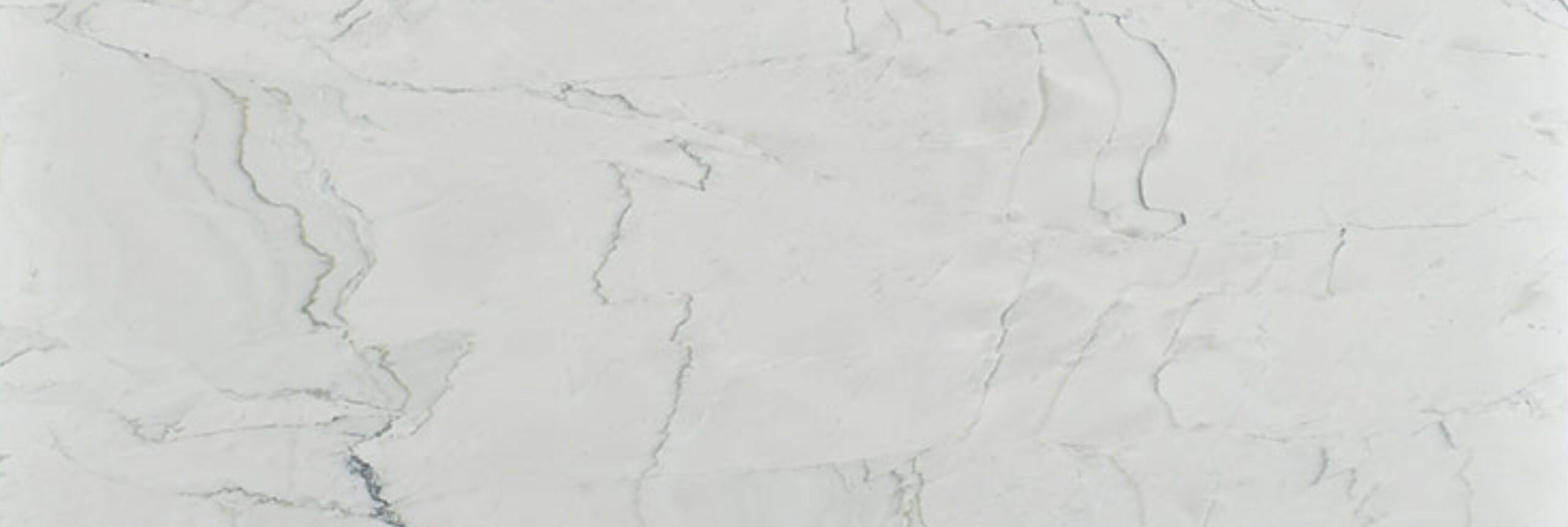
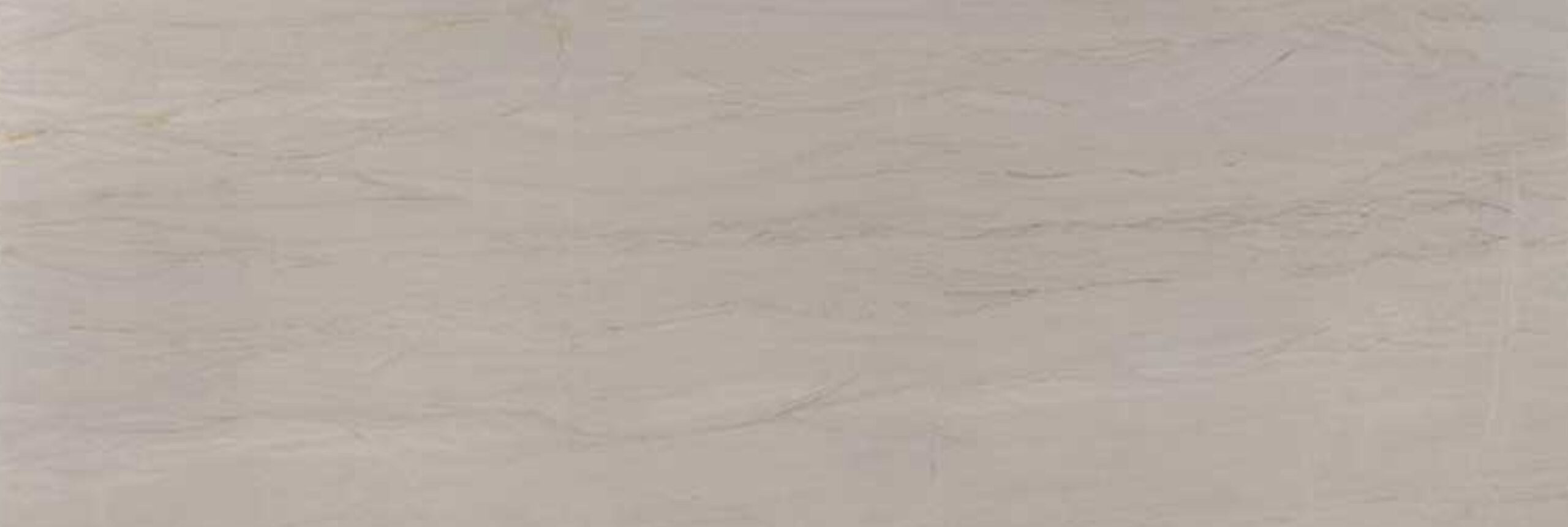
Beyond its impressive hardness, quartzite is celebrated for its stunning aesthetic appeal. Available in a vast array of colors, from subtle whites and grays to vibrant blues and greens, quartzite can complement any design style, whether modern, traditional, or eclectic. Its unique patterns are a result of mineral impurities present during its formation, leading to a rich tapestry of colors and textures.
Homeowners can choose from a variety of finishes for their quartzite countertops, including polished, honed, or leathered. Each finish offers a different look and feel:
- Polished Finish: A high-gloss finish that enhances the stone's natural colors and patterns, making it ideal for elegant spaces.
- Honed Finish: A matte finish that provides a more understated look, perfect for a contemporary style.
- Leathered Finish: A textured finish that adds depth and character, suitable for rustic or farmhouse designs.
For inspiration, explore our design inspiration gallery, showcasing beautiful quartzite installations that highlight the stone’s versatility and elegance.
Performance of Quartzite: Durability and Maintenance
When it comes to performance, quartzite truly shines. Its high hardness rating means it is resistant to scratches and chips, making it suitable for busy kitchens where knives and pots are frequently used. Additionally, quartzite is heat-resistant, allowing homeowners to place hot pots and pans directly on the surface without fear of damage.
Despite its durability, proper maintenance is essential to keep quartzite countertops looking their best. Here are some expert tips for maintaining quartzite:
- Sealing: Although quartzite is less porous than marble, it is still recommended to seal your quartzite countertops annually to prevent staining.
- Cleaning: Use a pH-balanced cleaner or a mild dish soap with warm water. Avoid harsh chemicals that can damage the surface.
- Wiping Spills: Promptly wipe up spills, particularly acidic substances like lemon juice or vinegar, to prevent etching.
By following these simple maintenance tips, you can ensure that your quartzite countertops remain beautiful and functional for years to come.
Installing Quartzite: What to Expect
Installing quartzite countertops is a process that requires precision and expertise. At Washington Granite, our experienced installers are skilled in proper quartzite handling and installation techniques to ensure a flawless finish. Here’s what you can expect during the installation process:
- Consultation: Begin with a personalized consultation to discuss your design preferences, color choices, and project timelines.
- Template Creation: We will create a precise template of your countertops to ensure a perfect fit.
- Fabrication: Our state-of-the-art equipment fabricates your quartzite slabs to exact specifications.
- Installation: Our team will carefully install your countertops, ensuring proper seam placement and edge profile customization.
With our commitment to exceptional craftsmanship and reliable project timelines, you can trust us to deliver stunning results for your kitchen or bathroom renovation.
Understanding the Cost of Quartzite Countertops
While the cost of quartzite can vary based on factors such as quality, color, and thickness, homeowners should consider quartzite as an investment in their property. The unique beauty and durability of quartzite can enhance the value of your home, making it a worthwhile choice for any renovation project.
To get a better understanding of the investment involved, consider the following factors that can influence the overall cost:
- Material Quality: Higher quality quartzite slabs may come at a premium due to their rarity and aesthetic appeal.
- Thickness: Thicker slabs tend to be more expensive but offer greater durability.
- Edge Profiles: Custom edge profiles can add to the overall cost, depending on the complexity of the design.
For a personalized quote on quartzite countertops, request a free consultation with our team today.
Frequently Asked Questions
What is quartzite made of?
Quartzite is primarily composed of quartz grains that have been fused together through heat and pressure. This process gives quartzite its durability and unique appearance.
Is quartzite more durable than granite?
Yes, quartzite is generally harder and more durable than granite, making it an excellent choice for countertops that will see heavy use.
Can I use quartzite for outdoor countertops?
Yes, quartzite is suitable for outdoor use due to its high resistance to UV rays and temperature fluctuations.
How do I clean quartzite countertops?
Use a pH-balanced cleaner or mild dish soap with warm water. Avoid harsh chemicals that can damage the surface.
Do quartzite countertops need to be sealed?
Yes, it is recommended to seal quartzite countertops annually to prevent staining and maintain their beauty.
What colors are available for quartzite?
Quartzite comes in a wide range of colors, including whites, grays, blues, greens, and even multicolored varieties, allowing homeowners to choose a style that fits their design vision.
Can quartzite be scratched?
While quartzite is resistant to scratches due to its hardness, it is still possible to scratch the surface with very hard materials or excessive force.
How does quartzite compare to marble?
Quartzite is harder and less porous than marble, making it a more durable option for countertops. Marble is more prone to etching and staining from acidic substances.

About Washington Granite
Premium granite, quartz, quartzite, and marble countertop specialists in Washington State. We help homeowners transform their kitchens and bathrooms with luxury stone surfaces.