Table of Contents
What Homeowners Get Wrong About Natural Stone Countertops
When it comes to upgrading your kitchen or bathroom, natural stone countertops are often at the top of homeowners' wish lists. However, many misconceptions exist around these stunning surfaces that can lead to poor decisions. In this article, we will explore what homeowners frequently get wrong about natural stone countertops, including granite, quartzite, and marble. By the end, you will have a clearer understanding of these materials, helping you make informed choices for your home. Expect to learn about the differences between these stones, their maintenance requirements, and how to select the right one for your specific needs. With our expertise at Washington Granite, your trusted local stone showroom in Everett, WA, we aim to provide clarity and confidence in your countertop selection process.
Misconception 1: All Natural Stones Are the Same
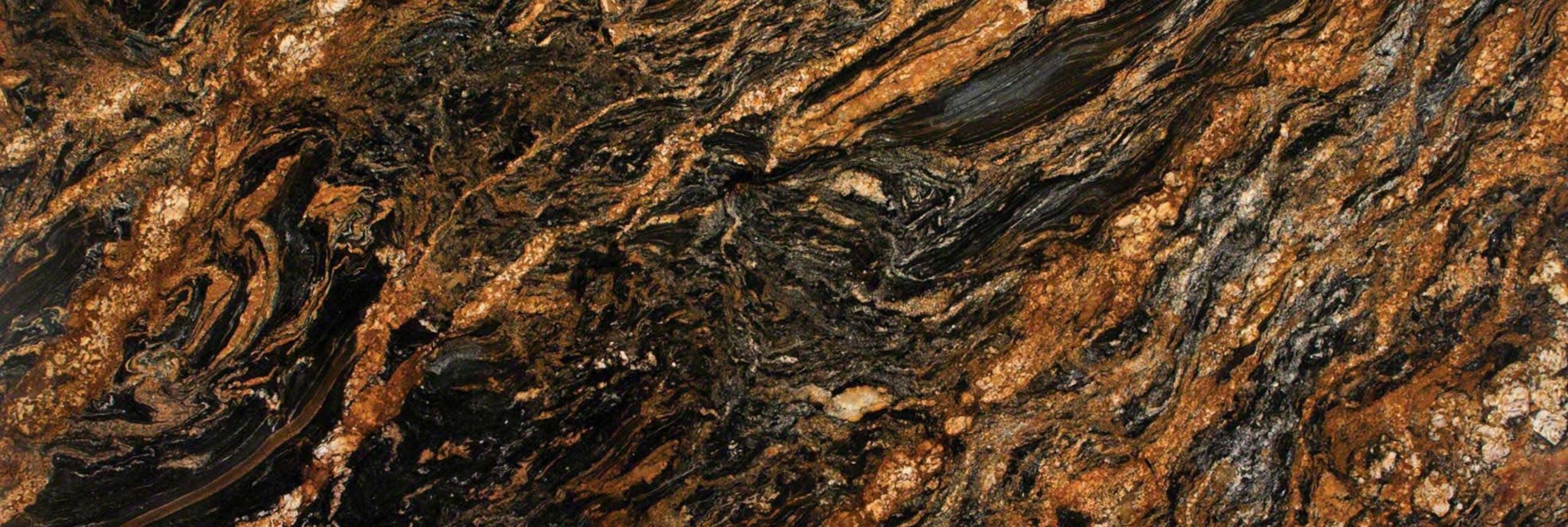
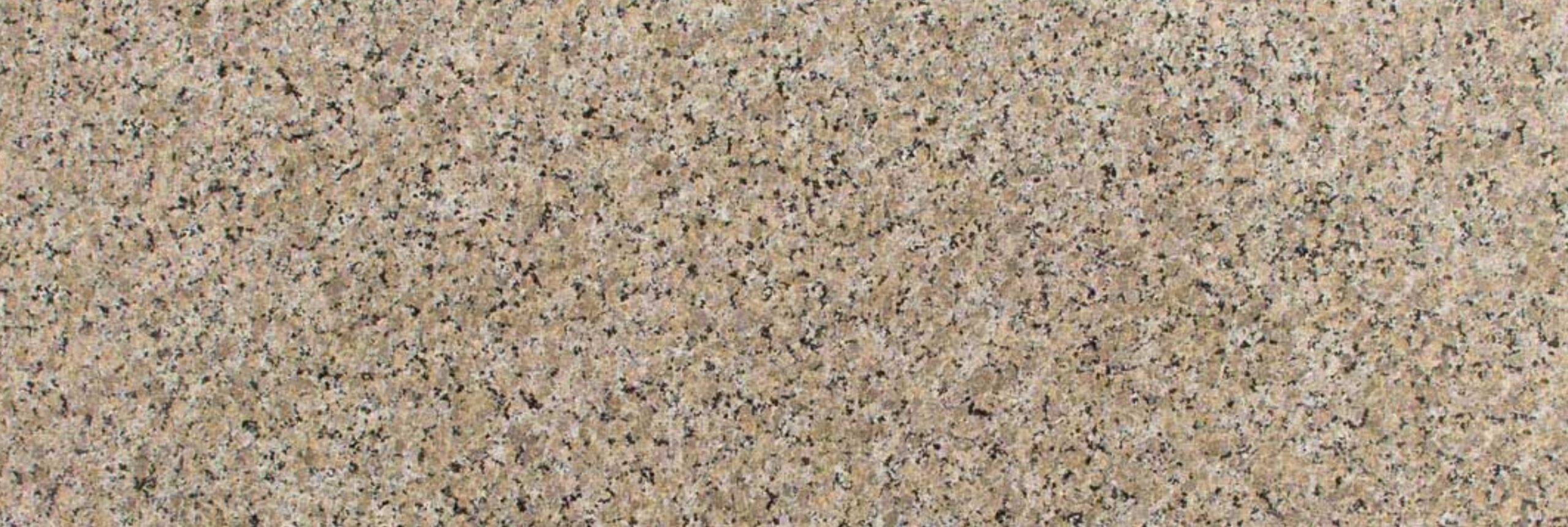
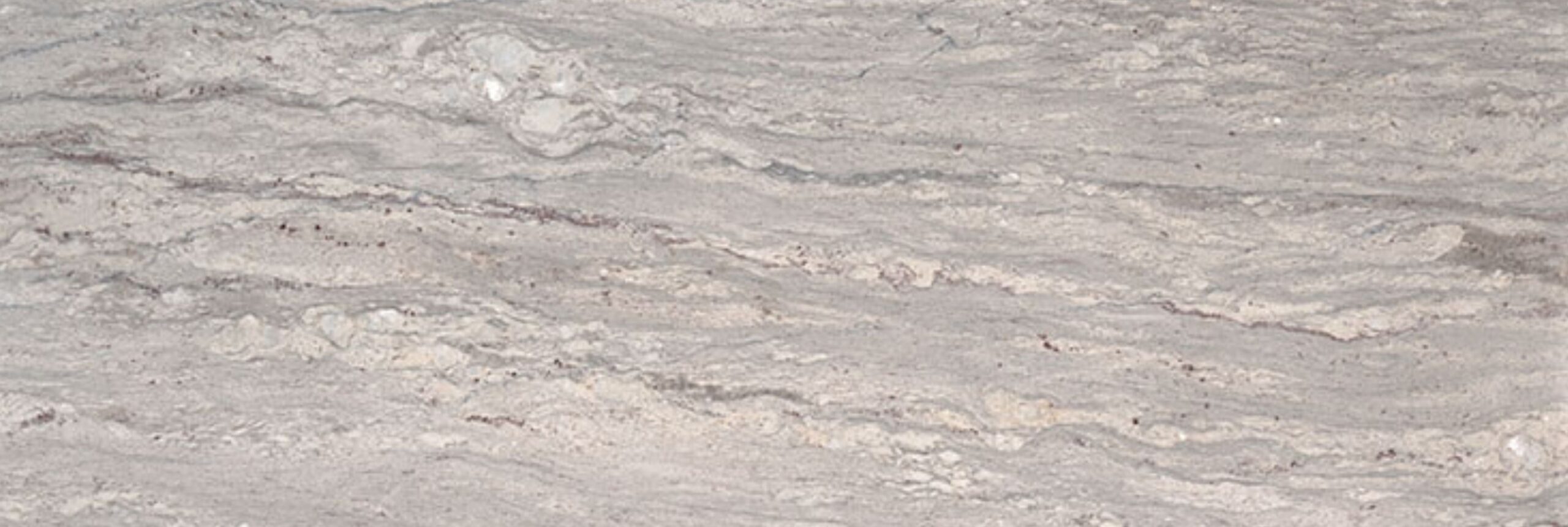
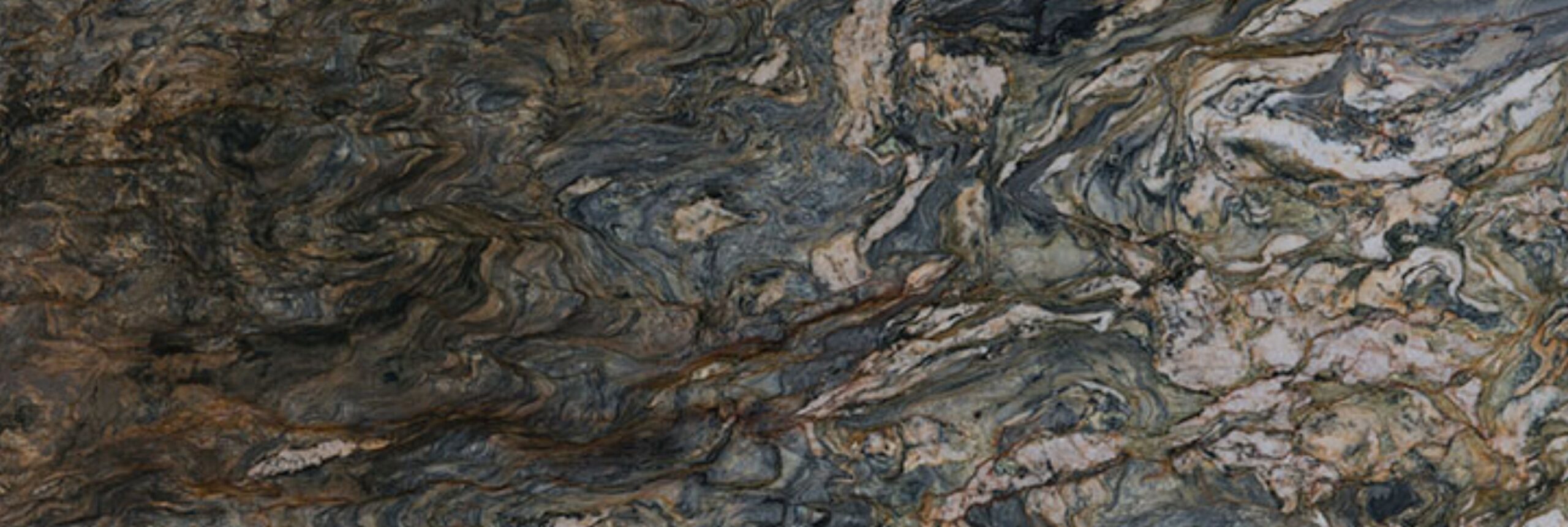
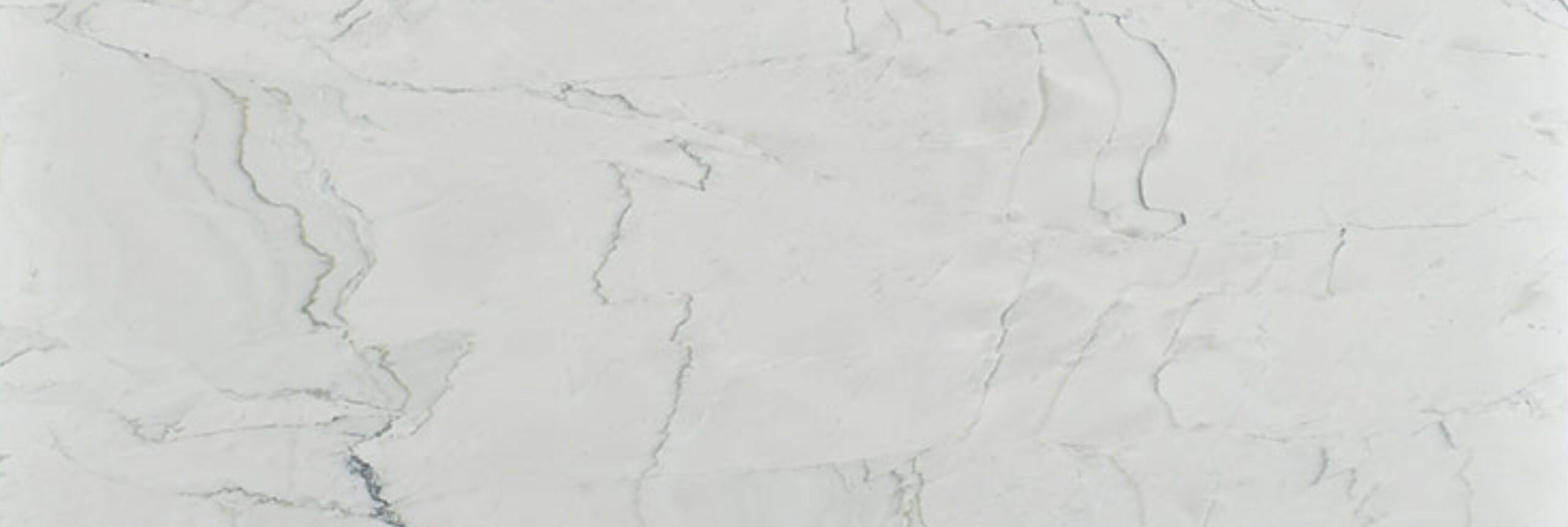
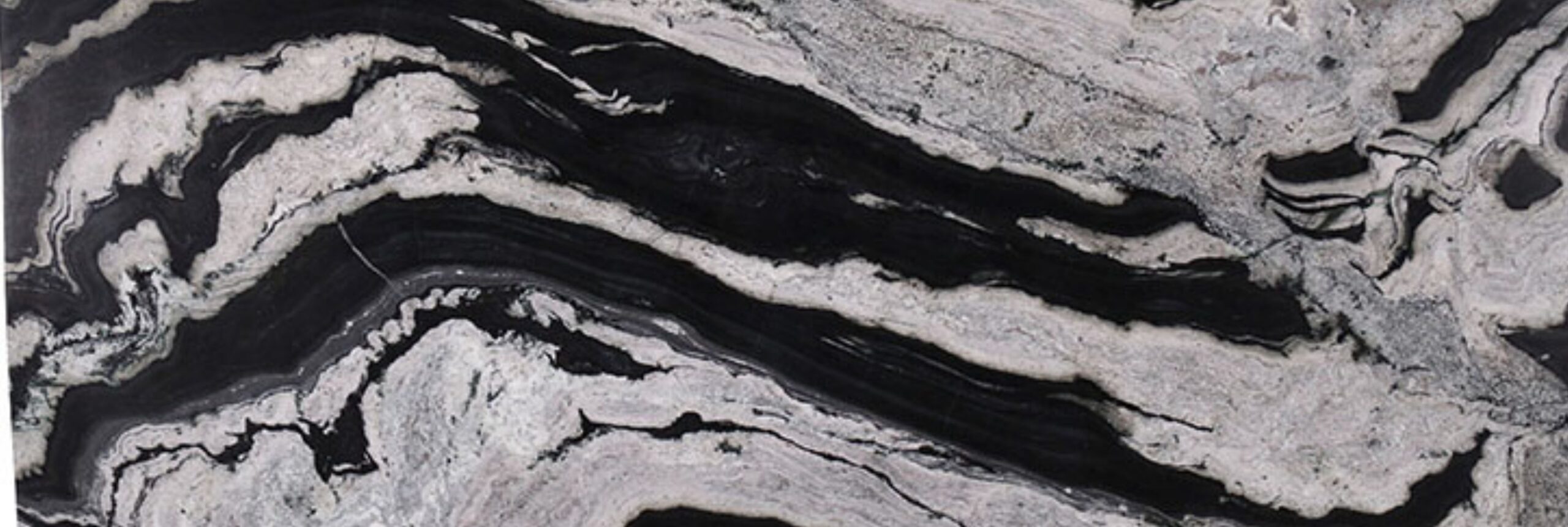
One of the most common misconceptions among homeowners is that all natural stones are the same. In reality, granite, quartzite, and marble have distinct characteristics, aesthetics, and applications. Granite is an igneous rock formed from cooled magma, making it incredibly durable and available in a wide variety of colors and patterns. Quartzite, a metamorphic rock, offers a more delicate appearance with intricate veining, often resembling marble but with greater durability. Marble, on the other hand, is a metamorphic rock known for its luxurious appearance and unique patterns but requires more maintenance due to its softness and susceptibility to staining.
Understanding these differences is crucial when selecting the right material for your kitchen or bathroom. If you're considering granite countertops, for instance, you should know they are less porous and more resistant to scratches than marble. This knowledge can help you make a better decision based on your lifestyle and usage.
Misconception 2: Natural Stone Is Too Porous
Another common belief is that natural stone countertops, particularly granite and marble, are too porous and prone to staining. While it's true that natural stones can absorb liquids, the extent of porosity varies significantly between different stones. High-quality granite, for example, is less porous than many homeowners assume. When properly sealed, granite can resist stains effectively.
Marble, however, is more porous and can stain if not maintained properly. This is where the importance of sealing comes in. A good sealant can protect the stone from spills and stains, making it suitable for kitchen use. Regular maintenance, such as resealing every 1-3 years, can keep your countertops looking pristine. For expert guidance on sealing and maintaining your natural stone countertops, visit our blog for tips and tricks.
Misconception 3: Maintenance Is Too Difficult
Many homeowners shy away from natural stone countertops due to the belief that they require extensive maintenance. While it’s true that natural stones require care, the maintenance process is often simpler than perceived. Basic cleaning with mild soap and water is typically sufficient for daily upkeep. Avoid using harsh chemicals or abrasive pads, as these can damage the surface.
For more detailed maintenance advice, including cleaning tips tailored to specific stone types, refer to our inspiration page, where we share care routines and product recommendations.
Misconception 4: You Can't Customize Natural Stone
Another myth is that natural stone countertops cannot be customized. In fact, customization is one of the key advantages of working with natural stones. At Washington Granite, we offer personalized slab selection experiences that allow you to choose the exact look and feel of your countertops. From selecting the stone to customizing edge profiles and sink cutouts, the options are virtually limitless.
For example, if you are considering a quartzite countertop, you can choose from a variety of finishes, such as polished or honed, to achieve the desired aesthetic. This level of customization ensures that your countertops fit seamlessly into your kitchen or bathroom design.
Misconception 5: Natural Stone Is Not Durable
Many homeowners mistakenly believe that natural stone countertops lack durability. This misconception often arises from comparisons to engineered materials like quartz. In reality, natural stones like granite and quartzite are incredibly durable and can withstand the rigors of everyday use. They are resistant to heat, scratching, and chipping, making them suitable for high-traffic areas.
While marble is softer and can be more susceptible to scratches and etching, it still offers sufficient durability for many applications, especially when properly cared for. Understanding the specific properties of each stone type is crucial for making an informed decision. Consult our marble countertops page for more insights into this beautiful material.
Comparison Table of Natural Stones
| Stone Type | Durability | Porosity | Maintenance | Aesthetic |
|---|---|---|---|---|
| Granite | High | Low | Easy | Variety of colors and patterns |
| Quartzite | Very High | Moderate | Moderate | Elegant, often resembling marble |
| Marble | Moderate | High | Requires more care | Luxurious and unique |
Expert Tips for Choosing the Right Stone
Choosing the right natural stone for your countertops can be a daunting task. Here are some expert tips to guide you through the selection process:
- Assess Your Lifestyle: Consider how you use your kitchen or bathroom. If you frequently cook or entertain, durability should be a priority.
- Understand Your Aesthetic Preferences: Look for colors and patterns that complement your home’s design. Visit our inspiration page for ideas.
- Consult with Experts: Don’t hesitate to reach out to professionals for advice. Our team at Washington Granite is here to provide personalized guidance.
- Consider Long-Term Maintenance: Be realistic about the maintenance you are willing to commit to over time. Some stones require more care than others.
Frequently Asked Questions
What are the best natural stones for kitchen countertops?
Granite and quartzite are among the best choices for kitchen countertops due to their durability and resistance to stains and heat.
How often should I seal my natural stone countertops?
It is recommended to reseal granite countertops every 1-3 years, while marble may require more frequent sealing due to its porosity.
Can I use vinegar to clean my natural stone countertops?
No, vinegar and other acidic cleaners can etch and damage natural stone surfaces. Use a pH-balanced cleaner instead.
Are natural stone countertops environmentally friendly?
Natural stone is a sustainable material, but it's essential to consider the extraction and transportation impacts. Seek out local suppliers to reduce your carbon footprint.
What is the lifespan of natural stone countertops?
With proper care, natural stone countertops can last a lifetime, making them a worthwhile investment for your home.
Do natural stone countertops require special installation?
Yes, due to their weight and the need for precise cuts, professional installation is recommended for natural stone countertops.
Can I customize the edge profile of my natural stone countertops?
Absolutely! Custom edge profiles are available, allowing you to tailor the look of your countertops to your style.
What are the differences between granite and quartzite?
Granite is an igneous rock, while quartzite is a metamorphic rock. Granite is generally more durable, while quartzite offers a more elegant appearance.

About Washington Granite
Premium granite, quartz, quartzite, and marble countertop specialists in Washington State. We help homeowners transform their kitchens and bathrooms with luxury stone surfaces.