Table of Contents
The Ultimate Homeowner's Guide to Choosing Granite with the Right Amount of Movement
When it comes to selecting the perfect granite for your home, understanding the concept of movement is crucial. Granite countertops not only serve as functional surfaces but also play a significant role in the overall aesthetic of your kitchen or bathroom. In this comprehensive guide, we will explore what granite movement means, how to choose the right amount, and provide expert insights tailored for homeowners in the Greater Seattle area. You will learn about the different types of granite, the factors influencing movement, and how to create a cohesive design in your space.
What is Granite Movement?
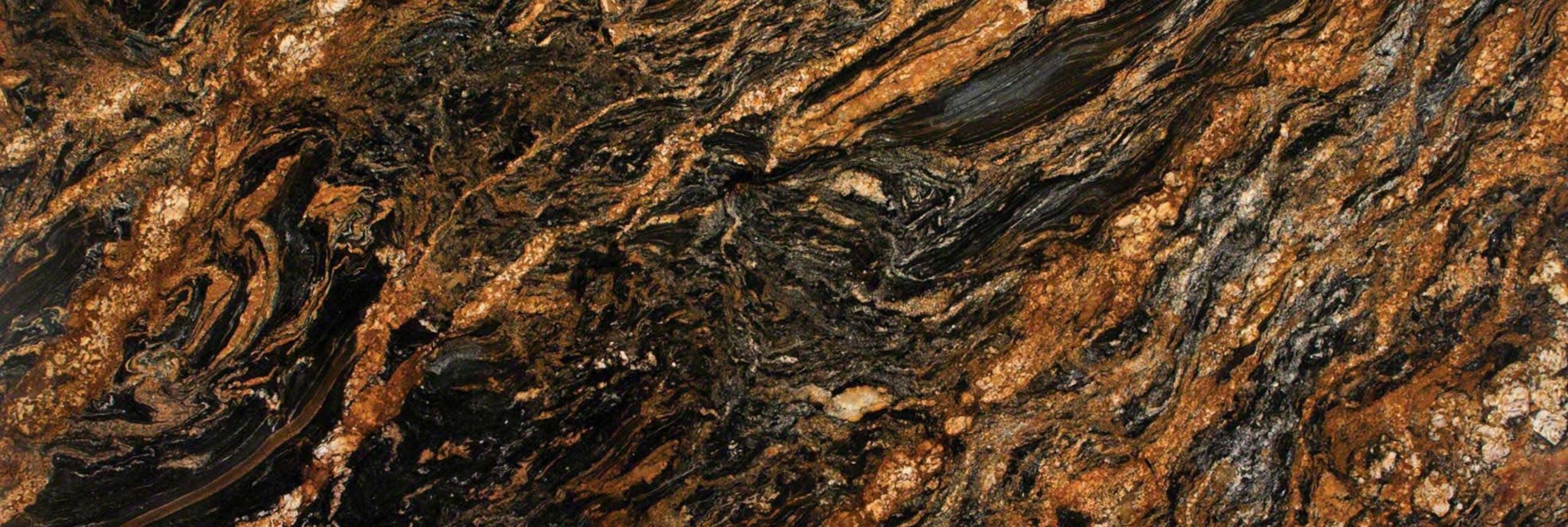
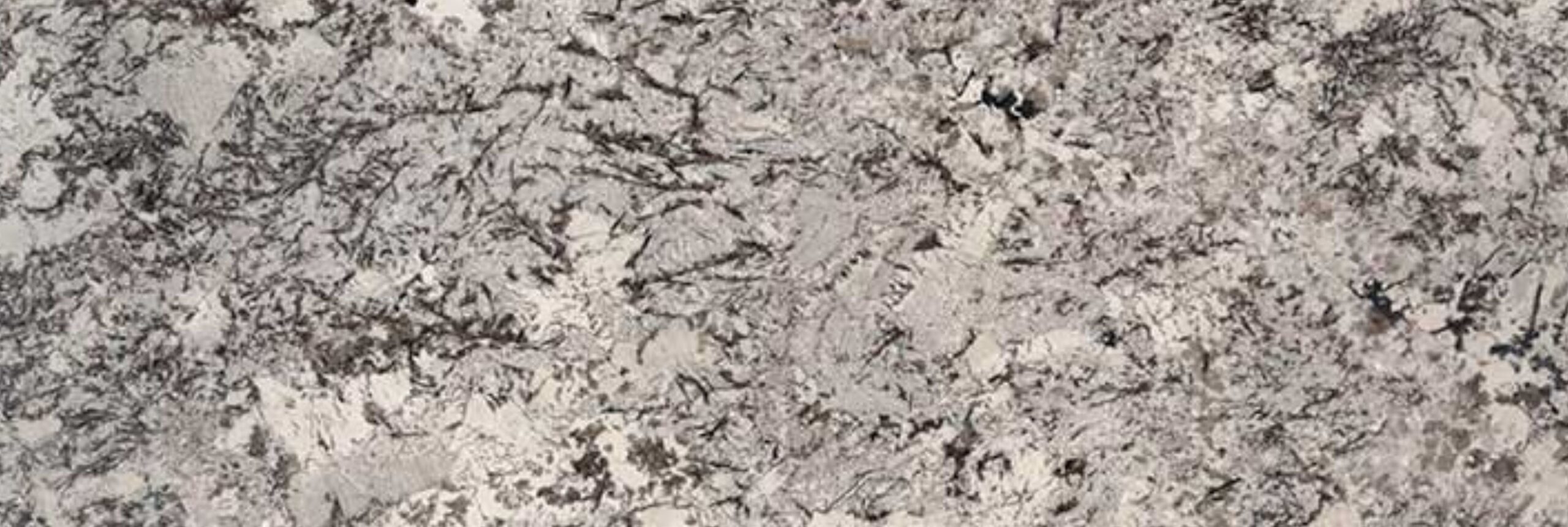
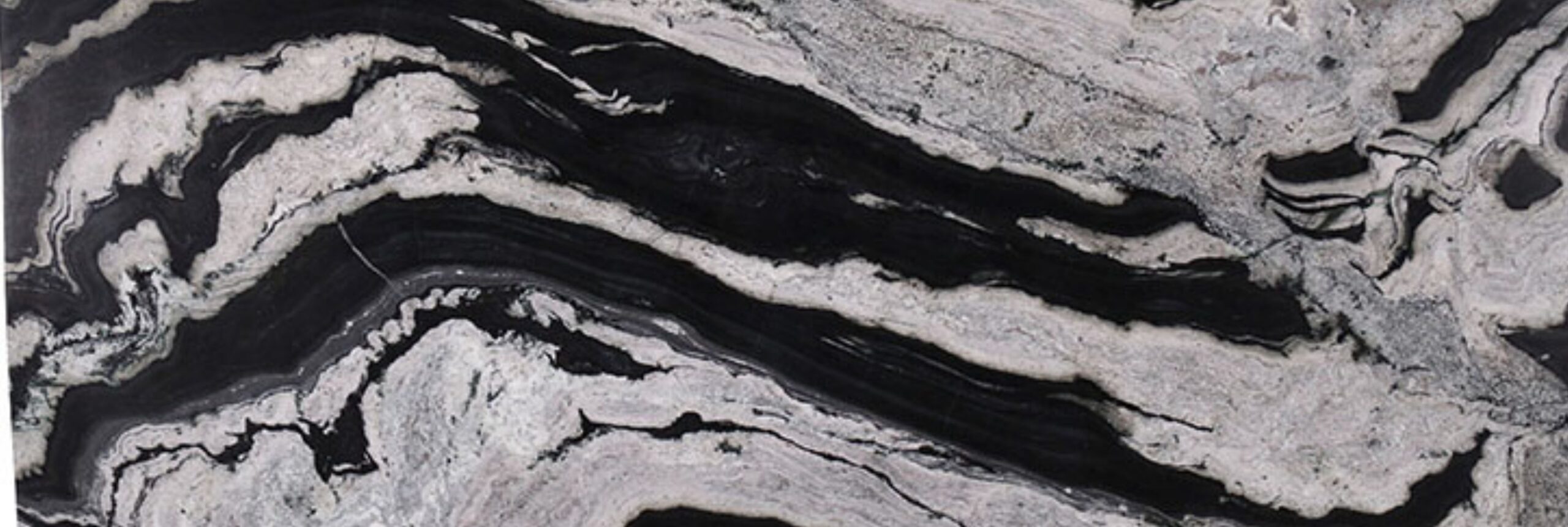
Granite movement refers to the patterns and variations in color and texture that occur within a slab of granite. These characteristics are created during the natural formation of the stone and can significantly affect the overall look of your countertops. Understanding movement is essential for homeowners, especially when selecting granite for kitchens or bathrooms where aesthetics and functionality must align.
Types of Granite Movement
Granite can exhibit several types of movement, and each type can influence the appearance of your countertops. Here are the main categories:
- Linear Movement: This type features uniform lines or stripes running in one direction. It offers a more modern and sleek look, making it suitable for contemporary designs.
- Veined Movement: Characterized by flowing lines and swirls, veined movement adds a sense of elegance and can mimic the appearance of marble. This type is often favored in traditional and transitional designs.
- Random Movement: As the name suggests, this type has an unpredictable arrangement of colors and patterns. It can create a more rustic look, perfect for farmhouse-style kitchens.
- Subtle Movement: Some granites display very little movement, providing a uniform appearance with minimal variations. This option is ideal for homeowners seeking a classic and timeless look.
Comparison Table: Types of Granite Movement
| Type of Movement | Description | Ideal Design Style |
|---|---|---|
| Linear Movement | Uniform lines or stripes | Modern |
| Veined Movement | Flowing lines and swirls | Traditional/Transitional |
| Random Movement | Unpredictable arrangement | Rustic/Farmhouse |
| Subtle Movement | Minimal variations | Classic/Timeless |
Factors Influencing Granite Movement
Several factors can influence the movement of granite, including:
- Mineral Composition: The minerals present in the granite, such as quartz, feldspar, and mica, affect the color and pattern of the stone. Different combinations can lead to varying degrees of movement.
- Quarry Location: The geographic location of the quarry can impact the characteristics of granite. For example, granite from the Pacific Northwest may have different movement patterns compared to that from other regions.
- Fabrication Techniques: The way granite is cut and polished can also influence its appearance. Skilled fabricators can highlight or minimize movement based on the homeowner's preferences.
How to Choose Granite with the Right Movement
Choosing the right granite involves several steps:
- Assess Your Style: Determine the design aesthetic you want to achieve in your kitchen or bathroom. Consider factors like cabinetry, flooring, and overall color scheme.
- Visit a Showroom: At Washington Granite, our Everett showroom offers a wide selection of granite slabs. Visiting in person allows you to see the movement and colors up close. Call +1 425-545-8006 for personalized guidance.
- Consider Lighting: Natural and artificial lighting can dramatically change how granite looks. Observe slabs in different lighting conditions to see how movement is affected.
- Sample Testing: Request samples of the granite you're considering. Place them against your cabinetry and flooring to visualize how they will work together in your space.
- Consult Professionals: Seek advice from experienced professionals. Our team at Washington Granite is committed to helping you choose the perfect granite that aligns with your vision.
Design Inspiration and Cohesion
Once you've selected the right granite with the desired movement, it's essential to create a cohesive design. Here are some expert tips:
- Pairing with Cabinetry: Choose cabinetry that complements the movement in your granite. For instance, if you select a granite with veined movement, consider neutral-colored cabinets to allow the countertops to stand out.
- Backsplash Selection: A well-chosen backsplash can enhance the beauty of your granite. Subtle patterns or solid colors work well with granite featuring significant movement.
- Accent Colors: Use accent colors in decor and accessories that reflect the hues in your granite. This creates a harmonious look throughout your kitchen or bathroom.
Maintenance and Care
Granite is a durable and long-lasting material, but it does require maintenance to keep it looking its best. Here are some essential care tips:
- Sealing: Regularly seal your granite countertops to protect against stains and damage. Depending on the type of granite, sealing may be required every 6-12 months.
- Cleaning: Use a mild detergent and warm water for daily cleaning. Avoid harsh chemicals that can damage the surface.
- Avoid Heat Damage: Always use trivets or hot pads under hot pots and pans to prevent heat damage.
Conclusion
Choosing the right granite with the appropriate amount of movement can elevate the beauty and functionality of your kitchen or bathroom. By understanding the types of movement, the factors influencing them, and how to select the perfect slab, homeowners can make informed decisions that enhance their living spaces. At Washington Granite, we are dedicated to providing high-quality granite countertops and exceptional craftsmanship. Visit our Everett showroom to explore granite options today!
FAQs
What is the best way to choose granite for my kitchen?
Consider your design style, visit a showroom to see slabs in person, and consult professionals for guidance.
How often should I seal my granite countertops?
Sealing is typically required every 6-12 months, depending on the type of granite.
What types of movement should I look for in granite?
Look for linear, veined, random, or subtle movement based on your design preferences.
Can I use granite in my bathroom?
Yes, granite is an excellent choice for bathroom countertops due to its durability and aesthetic appeal.
How does lighting affect the appearance of granite?
Lighting can change how colors and movement appear in granite, so observe slabs in different lighting conditions.
What maintenance is required for granite countertops?
Regular sealing, gentle cleaning, and protection from heat damage are essential for maintaining granite.
Where can I find granite samples?
Washington Granite offers samples at our Everett showroom, allowing you to visualize how they will work in your space.
Is granite suitable for outdoor use?
Yes, granite is durable and can be used outdoors, but it should be sealed to protect against the elements.

About Washington Granite
Premium granite, quartz, quartzite, and marble countertop specialists in Washington State. We help homeowners transform their kitchens and bathrooms with luxury stone surfaces.