Table of Contents
Your Ultimate Guide to Choosing Countertops for Seamless Kitchen-Outdoor Transitions
When it comes to designing a kitchen that flows effortlessly into outdoor living spaces, selecting the right countertops is crucial. Not only do they need to be functional and aesthetically pleasing, but they must also withstand the elements and harmonize with both indoor and outdoor environments. In this comprehensive guide, we will explore how to choose countertops that enhance your kitchen while ensuring a smooth transition to outdoor areas. You will learn about the various materials available, their pros and cons, and expert tips on making the best choice for your home.
Understanding the Importance of Seamless Transitions
Creating a seamless transition between your kitchen and outdoor space enhances the overall aesthetic and functionality of your home. The right countertops can create visual continuity, making your indoor and outdoor areas feel like a cohesive unit. According to a study conducted by the National Association of Realtors, homes with well-integrated outdoor living spaces can significantly increase property value, making this choice not only a design consideration but a wise investment in your home’s future.
Popular Countertop Materials for Indoor-Outdoor Use
When selecting countertops for areas that transition between kitchen and outdoor spaces, it's essential to choose materials that can withstand various weather conditions while maintaining their beauty and functionality. Here are some popular options:
1. Quartz
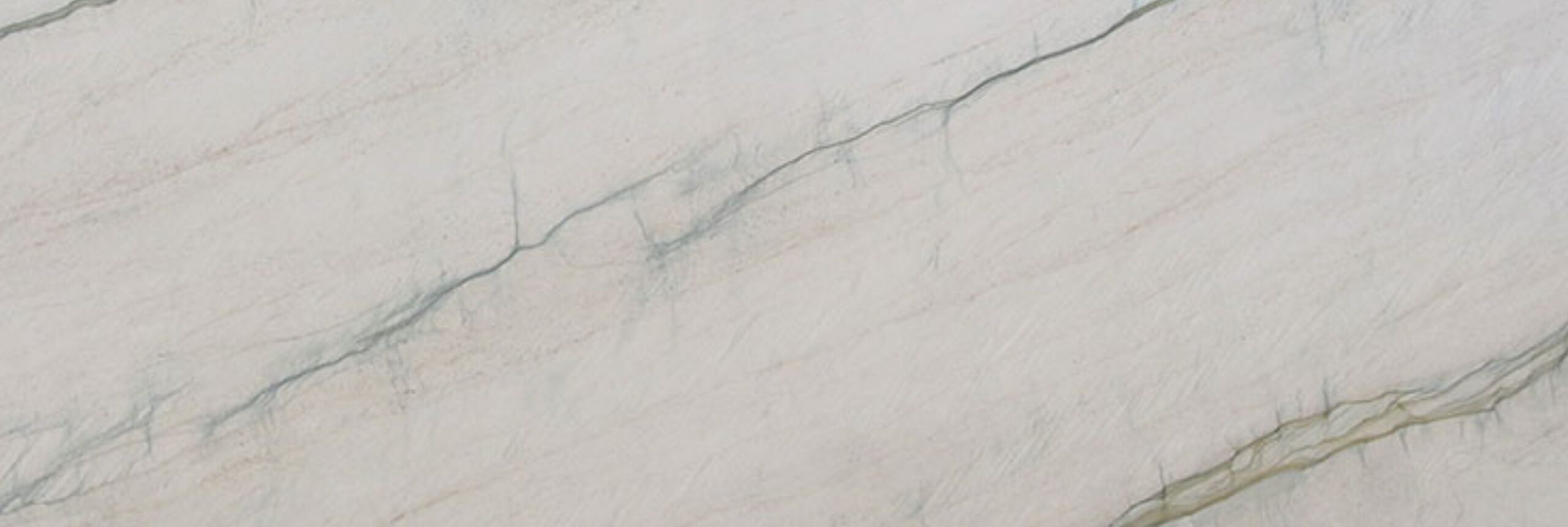
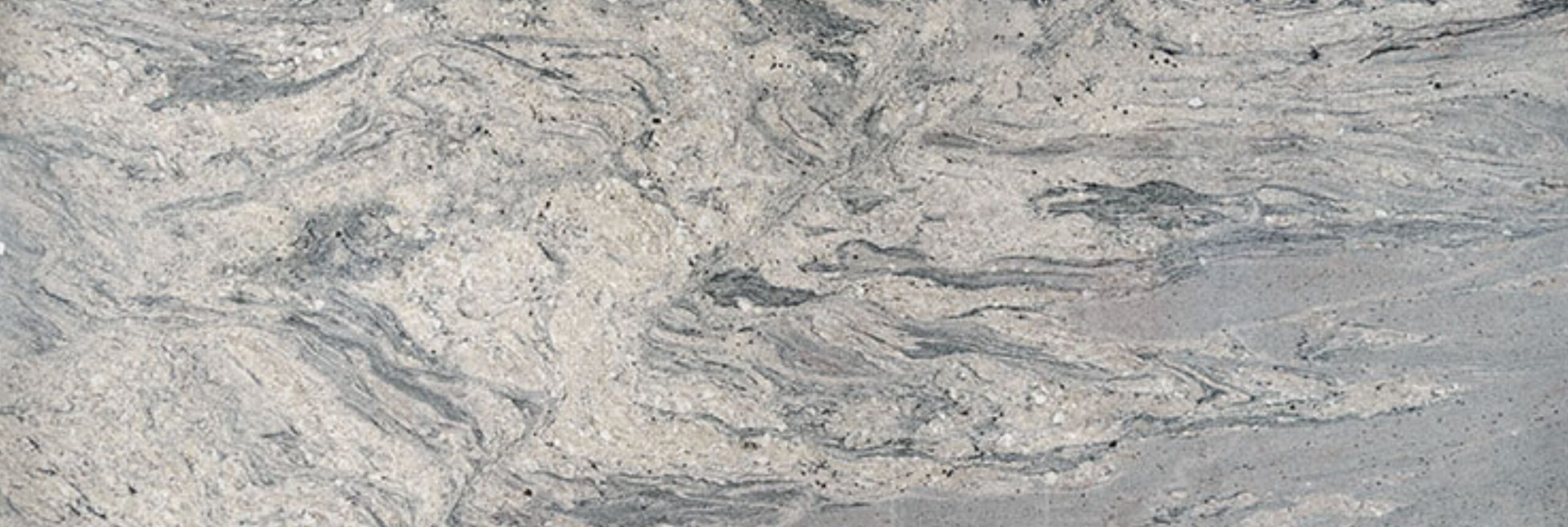
Quartz countertops are engineered from natural quartz crystals and resins, making them highly durable and non-porous. They resist stains, scratches, and heat, making them suitable for both indoor and outdoor kitchens. For example, Washington Granite offers a variety of quartz options, including stunning colors like Calacatta Alto and Manhattan Gray.
2. Granite
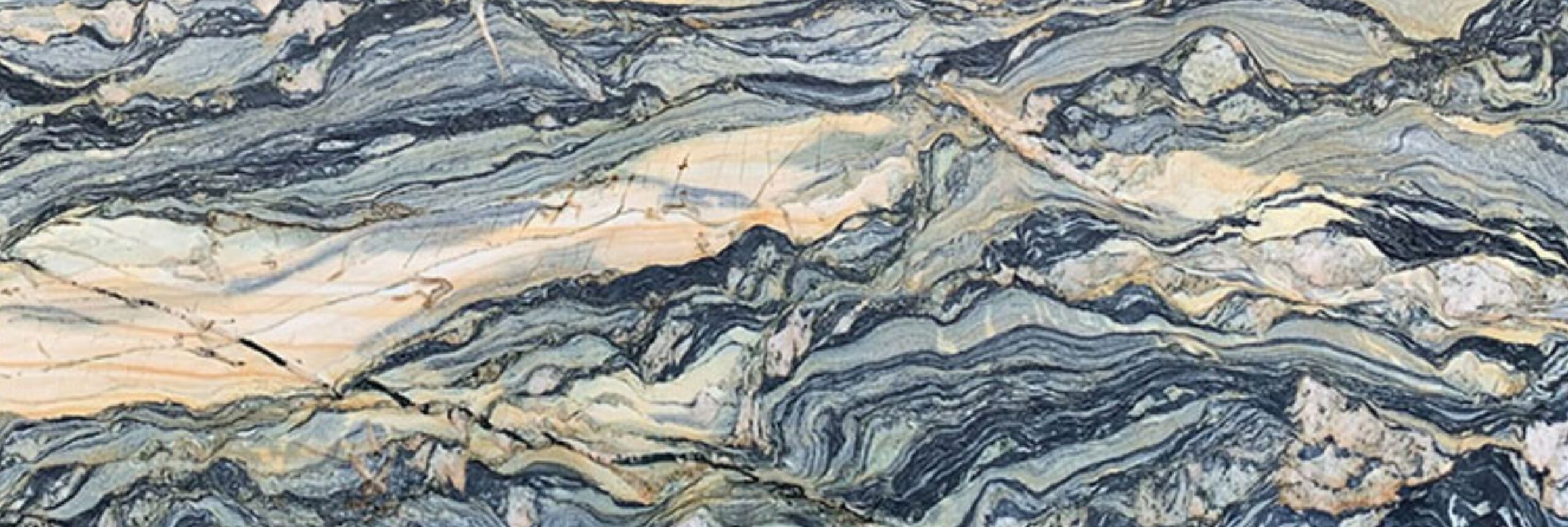
Granite is a natural stone known for its beauty and durability. It withstands heat and is resistant to scratches, making it an excellent choice for outdoor kitchen countertops. The variety of colors and patterns available ensures that you can find the perfect match for your design. Explore options like Azul Celeste for a stunning statement piece.
3. Marble
While marble is often considered a high-end material for kitchen countertops, it requires more maintenance than granite or quartz. It is not as resistant to staining and scratching, making it less ideal for outdoor kitchens unless properly sealed and cared for. However, its stunning appearance can elevate your design significantly.
4. Quartzite
Quartzite offers the look of marble with the durability of granite. It is heat and scratch-resistant, making it suitable for outdoor applications. Check out options like Washington Granite's quartzite selections to find the perfect fit for your outdoor kitchen.
5. Concrete
Concrete countertops can be customized in color and finish, making them a versatile choice for outdoor kitchens. They can be sealed to resist moisture and staining, but they may require more maintenance than other materials.
Key Factors to Consider When Choosing Countertops
As you embark on your countertop selection journey, keep the following factors in mind:
- Durability: Choose materials that can withstand outdoor conditions such as UV rays, moisture, and temperature fluctuations.
- Maintenance: Some materials require more upkeep than others. Consider how much time and effort you are willing to invest in maintaining your countertops.
- Style: Ensure that the color and texture of your countertops complement your overall design scheme.
- Budget: While it’s important to invest in quality materials, be mindful of your budget and explore options that offer a good balance between quality and cost.
Design Ideas for Cohesive Indoor-Outdoor Spaces
Creating a cohesive design between your indoor kitchen and outdoor space enhances the overall flow of your home. Here are some design ideas to consider:
1. Color Coordination
Choose countertop colors that reflect elements from both indoor and outdoor spaces. For example, if your indoor kitchen features warm wood tones, consider choosing a warm-hued granite or quartz that complements those tones.
2. Matching Materials
If possible, use the same countertop material for both indoor and outdoor spaces. This creates a seamless look and can enhance the visual appeal of your home.
3. Integrated Features
Consider integrating outdoor features like built-in grills or fire pits into your countertop design. This can create a functional and attractive outdoor cooking area that transitions beautifully from the indoor kitchen.
Maintenance Tips for Outdoor Countertops
Maintaining outdoor countertops is essential to ensure their longevity and appearance. Here are some expert tips:
- Regular Cleaning: Clean surfaces regularly with mild soap and water to remove dirt and debris.
- Sealing: Seal porous materials like granite and concrete to protect against moisture and stains.
- Avoid Harsh Chemicals: Steer clear of abrasive cleaners that can damage the surface.
Expert Insights: Choosing the Right Color and Texture
The color and texture of your countertops can significantly impact the overall design of your kitchen and outdoor spaces. Here are some insights:
FAQs
What are the best materials for outdoor kitchen countertops?
The best materials for outdoor kitchen countertops include granite, quartz, quartzite, and concrete due to their durability and resistance to the elements.
Can I use indoor countertops outside?
While some indoor countertops may be suitable for outdoor use, it's essential to check their durability and resistance to weather conditions. Materials like granite and quartz are typically better suited for outdoor applications.
How do I maintain outdoor countertops?
Maintain outdoor countertops by cleaning them regularly, sealing porous materials, and avoiding harsh chemicals.
Is quartz suitable for outdoor kitchens?
Yes, quartz is suitable for outdoor kitchens because it is durable, non-porous, and resistant to stains and scratches.
What colors work best for outdoor countertops?
Colors that reflect the natural surroundings, such as earthy tones or shades that complement your landscaping, work best for outdoor countertops.
How do I choose the right edge profile for my countertops?
Consider the style of your kitchen and outdoor space when choosing an edge profile. More intricate profiles can add elegance, while simpler profiles can create a modern look.
Can I customize my countertops?
Yes, many countertop materials can be customized in terms of color, texture, and edge profiles to fit your design preferences.
How do I ensure my countertops last outdoors?
Choose durable materials, maintain them properly, and protect them from extreme weather conditions to ensure they last outdoors.
What is the average lifespan of outdoor countertops?
The lifespan of outdoor countertops varies by material, with granite and quartzite lasting up to 25 years or more with proper maintenance.
Are there any eco-friendly countertop options?
Yes, eco-friendly options such as recycled glass or sustainable wood can be used for outdoor countertops.
What are the benefits of using concrete for outdoor countertops?
Concrete is highly customizable, durable, and can withstand various weather conditions, making it a popular choice for outdoor kitchens.
How can I enhance the visual appeal of my outdoor kitchen?
Incorporate design elements such as matching countertops, integrated features, and coordinated colors to enhance the visual appeal of your outdoor kitchen.
Conclusion
Choosing the right countertops for a kitchen that transitions seamlessly to the outdoors requires careful consideration of materials, design, and maintenance. By selecting durable materials like quartz, granite, or quartzite, and ensuring they harmonize with your overall design, you can create a cohesive and functional space that enhances your home’s value and livability. For personalized guidance on countertop selection, call +1 425-545-8006 or visit our Everett showroom to explore stunning options today!

About Washington Granite
Premium granite, quartz, quartzite, and marble countertop specialists in Washington State. We help homeowners transform their kitchens and bathrooms with luxury stone surfaces.