Table of Contents
The Ultimate Homeowner's Guide to Understanding Natural Stone Variability
When it comes to selecting premium countertops for your home, understanding natural stone variability is crucial. Homeowners in the Greater Seattle area, particularly in Everett, Bellevue, and Seattle, often face the challenge of choosing between materials like quartz, granite, quartzite, and marble. Each of these materials brings its own unique beauty and characteristics, but they also exhibit variability that can influence both aesthetics and functionality. In this comprehensive guide, we will dive deep into the world of natural stone, exploring how these variations occur, their implications for your home, and how to make informed choices when selecting your countertops.
Understanding Natural Stone Variability
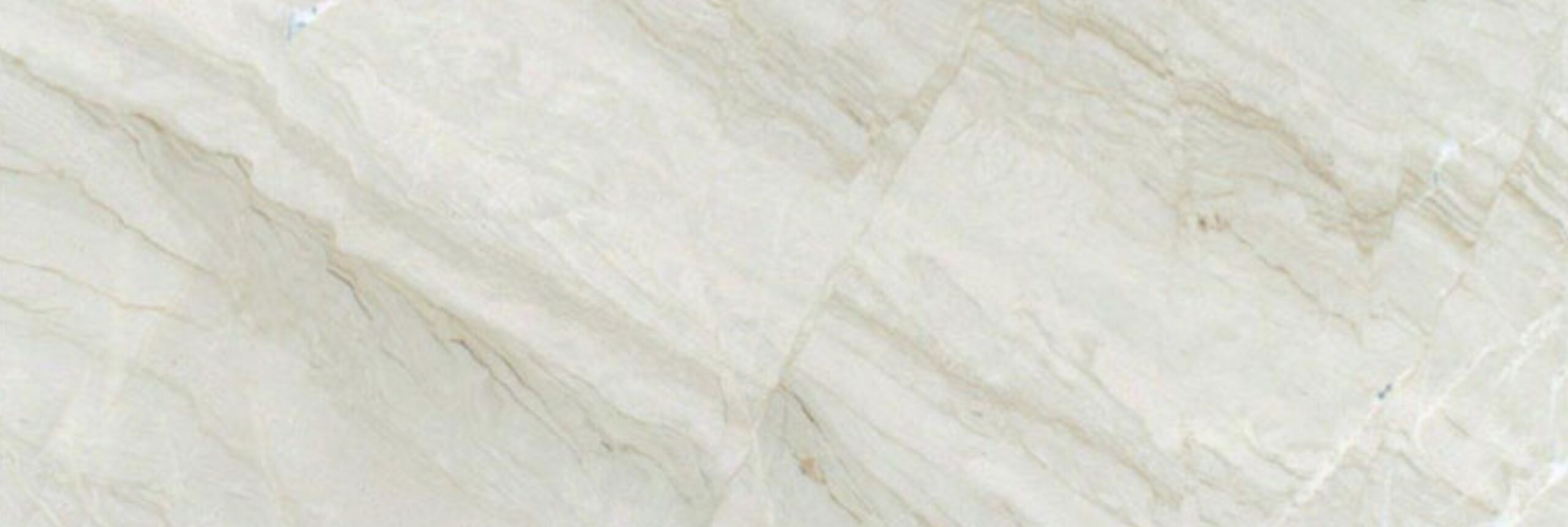
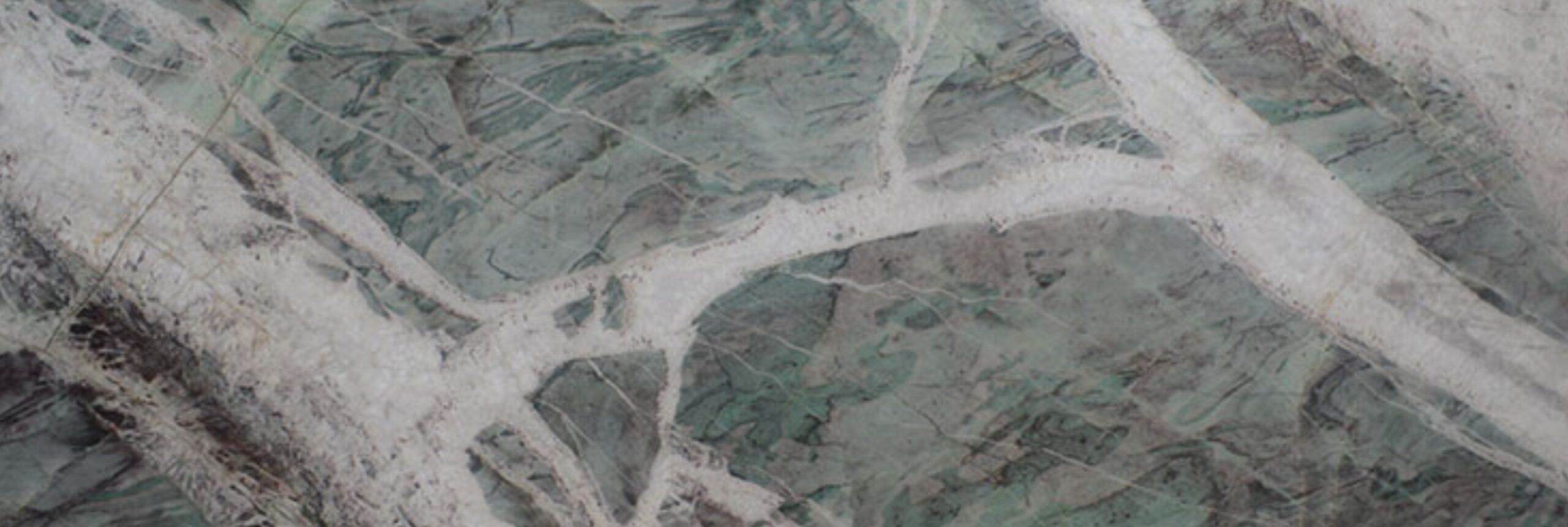
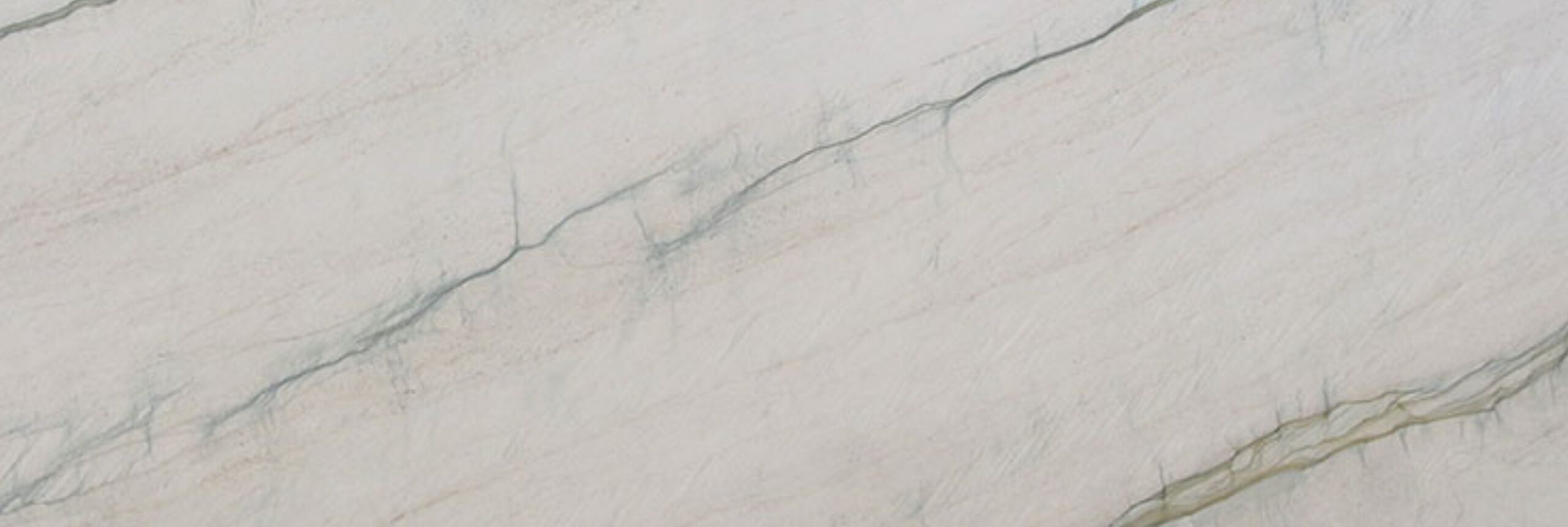
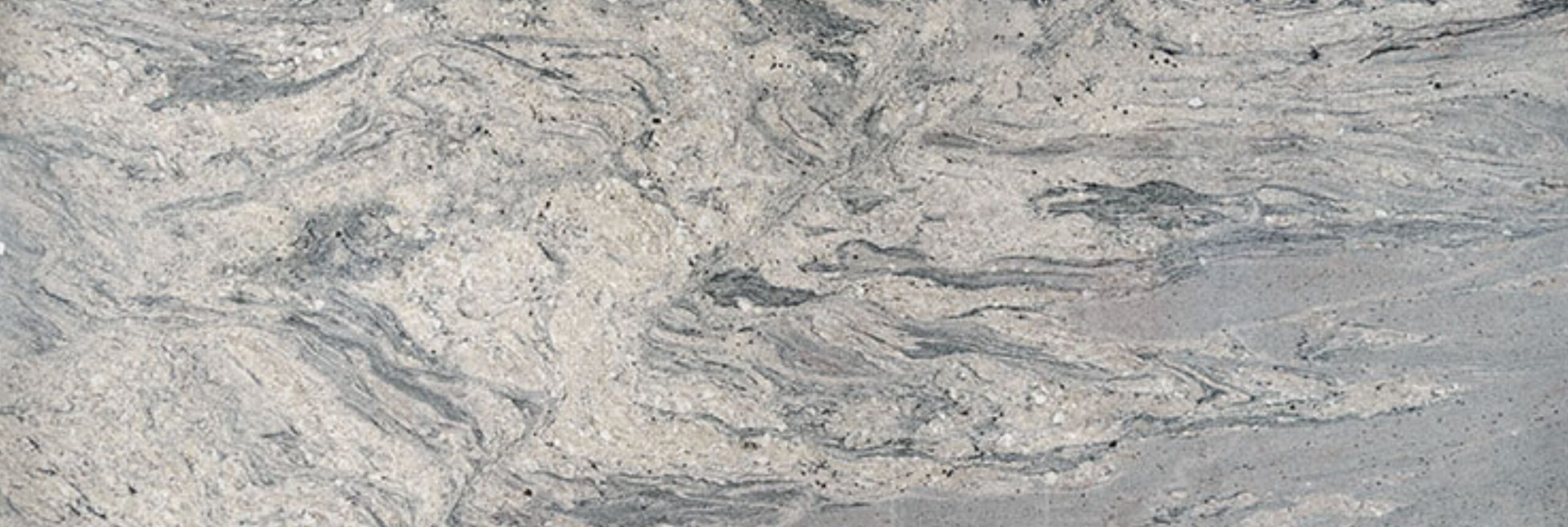
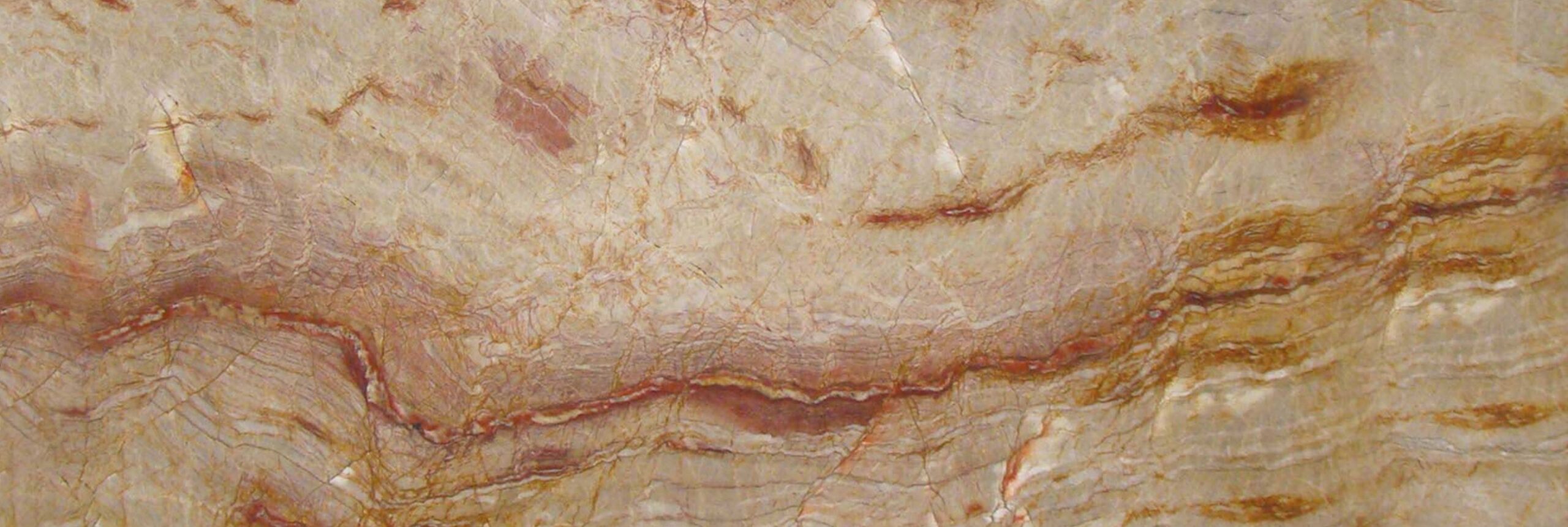
Natural stone is a product of geological processes that take thousands to millions of years. Unlike manufactured materials, natural stones such as granite, quartzite, and marble are sourced directly from the earth, resulting in a unique set of characteristics for each slab. This inherent variability can manifest in color, pattern, and texture, making each piece distinct.
For instance, granite is an igneous rock formed from cooled magma, which means its color and grain pattern can change significantly depending on its mineral composition. Similarly, marble, which is a metamorphic rock, undergoes changes from limestone due to heat and pressure, resulting in veining and color variations. Understanding these characteristics is essential for homeowners looking to enhance their kitchen or bathroom with natural stone countertops.
Types of Natural Stone
When considering natural stone for your countertops, it's vital to know the different types available, as each offers unique benefits and aesthetic appeal:
- Granite: Known for its durability and resistance to heat and scratches, granite is a popular choice for kitchen countertops. Its natural patterns and colors range from deep blacks to vibrant reds, providing versatility in design.
- Quartzite: Often confused with quartz, quartzite is a metamorphic rock that offers similar durability to granite but with more intricate patterns. It's ideal for high-traffic areas due to its hardness.
- Marble: Renowned for its luxurious appearance, marble features unique veining that adds elegance to any space. However, it is more porous than granite and quartzite, making it susceptible to staining if not properly sealed.
- Soapstone: This softer stone is known for its smooth feel and resistance to heat. Its unique, often dark colors can create a stunning visual impact, particularly in modern kitchens.
For an in-depth look at specific types of countertops, explore our pages on granite countertops, quartzite countertops, and marble countertops.
Factors Affecting Natural Stone Variability
Several factors contribute to the variability of natural stone, impacting both its appearance and performance:
- Geological Composition: The minerals present in the stone dictate its color and texture. For example, the presence of quartz contributes to the light color of granite, while iron oxides can create reddish tones.
- Location of Quarry: Stones from different quarries can vary significantly. For instance, granite from Brazil may have different patterns and colors compared to granite sourced from India.
- Environmental Conditions: The conditions under which the stone was formed, including temperature and pressure, also affect its characteristics. For example, marble that has undergone intense pressure may have more pronounced veining.
- Finishing Techniques: The way a stone is finished can enhance or diminish its natural beauty. Polished finishes tend to highlight colors and patterns, while honed finishes provide a softer, more muted appearance.
Understanding these factors can help you better appreciate the uniqueness of your selected stone and make informed decisions about its use in your home.
Choosing the Right Stone for Your Home
When selecting natural stone for your countertops, consider the following tips to ensure you make the best choice for your needs:
1. Assess Your Lifestyle
Consider how you use your kitchen or bathroom. If you frequently cook or entertain, a durable stone like granite or quartzite may be suitable. For spaces with less traffic, marble can add a luxurious touch.
2. Match Your Design Aesthetic
Think about the overall style of your home. Choose a stone that complements your existing décor. For modern designs, consider sleek quartzite with minimal veining, while traditional homes may benefit from the rich patterns of granite or marble.
3. Consult with Experts
Engaging with professionals, such as those at Washington Granite, can provide insights into the best materials for your specific project. Our experienced team can guide you through the selection process, helping you choose the perfect stone that aligns with your vision.
4. Consider Maintenance Requirements
Different stones have varying maintenance needs. For instance, while granite is relatively low-maintenance, marble requires more frequent sealing to prevent staining. Understanding these requirements can save you time and effort in the long run.
5. Explore Customization Options
At Washington Granite, we offer personalized slab selection experiences and edge profile customization. Consider how these options can enhance the functionality and aesthetics of your countertops.
Installation and Maintenance Tips
Once you've selected your natural stone, proper installation and maintenance are key to ensuring its longevity:
Installation
1. **Professional Installation:** Always hire experienced installers to ensure precise measurements and cuts. This minimizes the risk of errors that can compromise the stone's integrity.
2. **Seam Placement Optimization:** Discuss seam placement with your installer to ensure they are as inconspicuous as possible, maintaining the stone's aesthetic flow.
Maintenance
1. **Regular Cleaning:** Use mild soap and water to clean your countertops. Avoid harsh chemicals that can damage the stone.
2. **Sealing:** Depending on the type of stone, regular sealing may be necessary. For example, granite typically requires sealing every 1-3 years, while marble may need more frequent applications.
3. **Avoid Direct Heat:** Use trivets or hot pads to protect your stone from hot pots and pans, especially for softer stones like marble.
Conclusion
Understanding the variability of natural stone is essential for homeowners looking to enhance their spaces with beautiful, durable countertops. By considering the factors that influence stone characteristics, assessing your lifestyle, and consulting with experts, you can make informed decisions that elevate your home’s aesthetic and functionality. At Washington Granite, we are committed to providing high-quality materials and expert guidance throughout your countertop selection and installation process. Contact us today for personalized guidance or visit our Everett showroom to explore our stunning selection of natural stone options.
Frequently Asked Questions
1. What is natural stone variability?
Answer:
Natural stone variability refers to the unique characteristics of each stone slab, including variations in color, pattern, and texture that occur due to geological processes.
2. How do I choose the right natural stone for my home?
Answer:
Consider your lifestyle, design aesthetic, maintenance requirements, and consult with professionals to find the best natural stone for your needs.
3. What are the types of natural stone used for countertops?
Answer:
The most common types of natural stone used for countertops include granite, quartzite, marble, and soapstone.
4. How can I maintain my natural stone countertops?
Answer:
Regular cleaning with mild soap and water, sealing as needed, and avoiding direct heat can help maintain the beauty and longevity of your natural stone countertops.
5. Why is professional installation important for natural stone?
Answer:
Professional installation ensures precise measurements and cuts, minimizing the risk of errors that can compromise the stone's integrity and aesthetics.
6. What factors affect the variability of natural stone?
Answer:
Factors include geological composition, quarry location, environmental conditions, and finishing techniques.
7. Can I customize my natural stone countertops?
Answer:
Yes, at Washington Granite, we offer personalized slab selection and edge profile customization options to enhance your countertops.
8. What is the difference between granite and quartzite?
Answer:
Granite is an igneous rock that is durable and versatile, while quartzite is a metamorphic rock known for its intricate patterns and hardness, making it suitable for high-traffic areas.

About Washington Granite
Premium granite, quartz, quartzite, and marble countertop specialists in Washington State. We help homeowners transform their kitchens and bathrooms with luxury stone surfaces.