Table of Contents
Essential Guide to Maintaining Your Countertops in the Pacific Northwest
Maintaining your countertops through every season in the Pacific Northwest involves understanding the unique challenges posed by the region's climate. From the rainy winter months to the warm summers, each season brings its own set of maintenance needs for your premium countertops. In this guide, we will explore effective strategies to keep your quartz, granite, marble, and quartzite countertops looking pristine year-round. You’ll learn about the best cleaning methods, protective measures, and seasonal tips tailored specifically for homeowners in Everett and the surrounding Greater Seattle area.
Seasonal Challenges in the Pacific Northwest
The Pacific Northwest is known for its unique climate, characterized by wet winters and mild summers. This climate can affect the longevity and appearance of your countertops. Understanding these seasonal challenges is crucial for proper maintenance.
Winter: Moisture and Temperature Fluctuations
During winter, the Pacific Northwest experiences significant rainfall and cooler temperatures. Moisture can lead to mold and mildew growth, particularly on porous materials like marble and unsealed granite. Here are some specific challenges:
- Moisture Accumulation: Water can seep into countertops, causing stains and weakening the material.
- Temperature Fluctuations: Rapid changes in temperature can lead to cracking, especially in materials like quartz that may be sensitive to heat.
Spring: Pollen and Allergens
As spring arrives, pollen and allergens become prevalent. These can settle on your countertops, necessitating regular cleaning to maintain a spotless appearance. Additionally, spring cleaning is an excellent opportunity to perform a thorough inspection of your countertops for any signs of wear and tear.
Summer: Heat and Sun Exposure
Summer brings warmth and increased sun exposure, which can fade the color of your countertops over time. Heat can also make certain materials more susceptible to damage. Consider these factors:
- Fading Colors: Direct sunlight can dull the vibrant colors of natural stone.
- Heat Damage: Placing hot pots or pans directly on surfaces can lead to burns or discoloration.
Fall: Humidity and Preparation for Winter
As humidity levels fluctuate in fall, it's essential to prepare your countertops for the upcoming winter months. This includes sealing porous materials and performing necessary repairs before the rainy season.
Cleaning Techniques for Different Countertop Materials
Each type of countertop material requires specific cleaning techniques to maintain its beauty and integrity. Below are recommendations for quartz, granite, marble, and quartzite countertops.
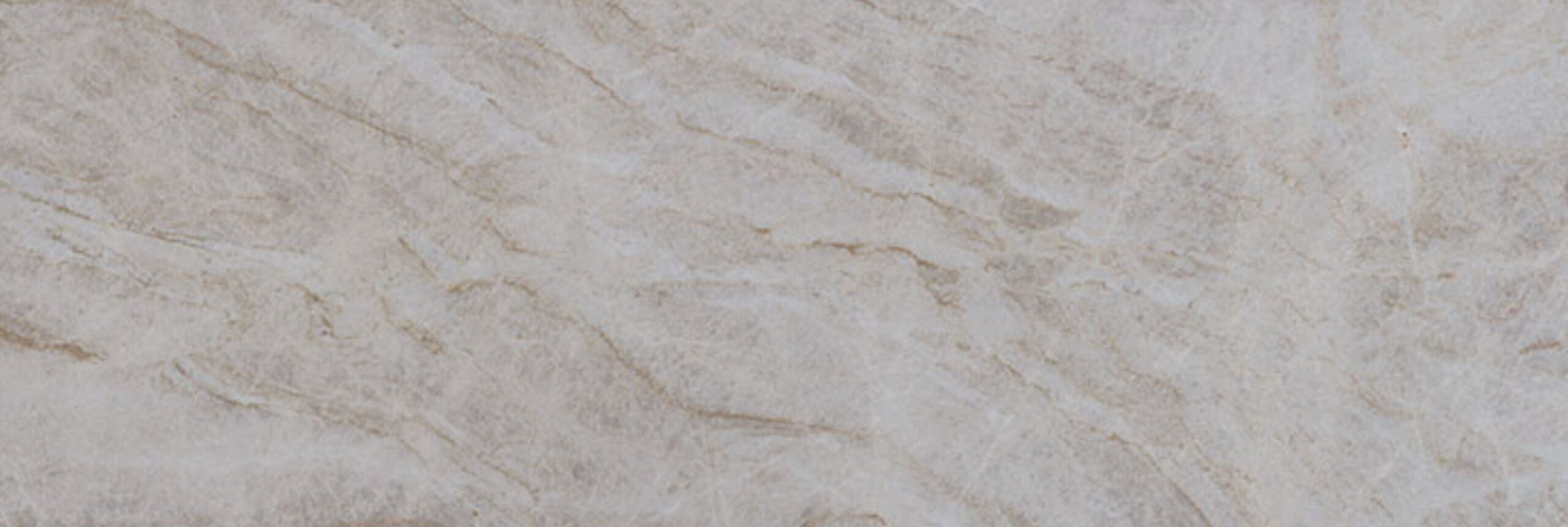
Quartz Countertops
Quartz countertops are non-porous and resistant to stains, making them relatively easy to clean. Follow these steps:
- Use a soft cloth or sponge with warm water and a mild dish soap.
- Wipe down the surface gently, avoiding abrasive cleaners that can scratch.
- For stubborn stains, a mixture of baking soda and water can effectively lift discolorations.
For more information on quartz options, visit our quartz countertops page.
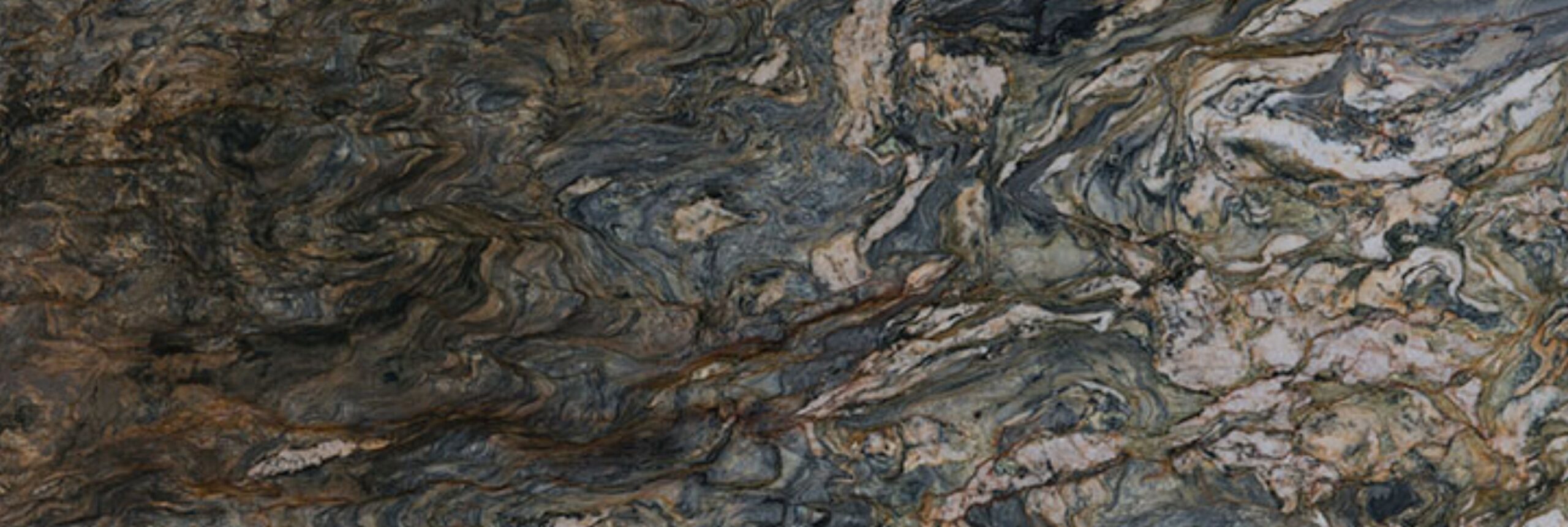
Granite Countertops
Granite is a durable material, but it requires regular sealing to prevent stains. Here’s how to clean and maintain it:
- Clean with a pH-balanced stone cleaner or a mixture of water and mild soap.
- Rinse thoroughly with water and dry with a soft cloth.
- Seal your granite countertops every 6-12 months to enhance stain resistance.
For specific granite options, check out our granite countertops page.
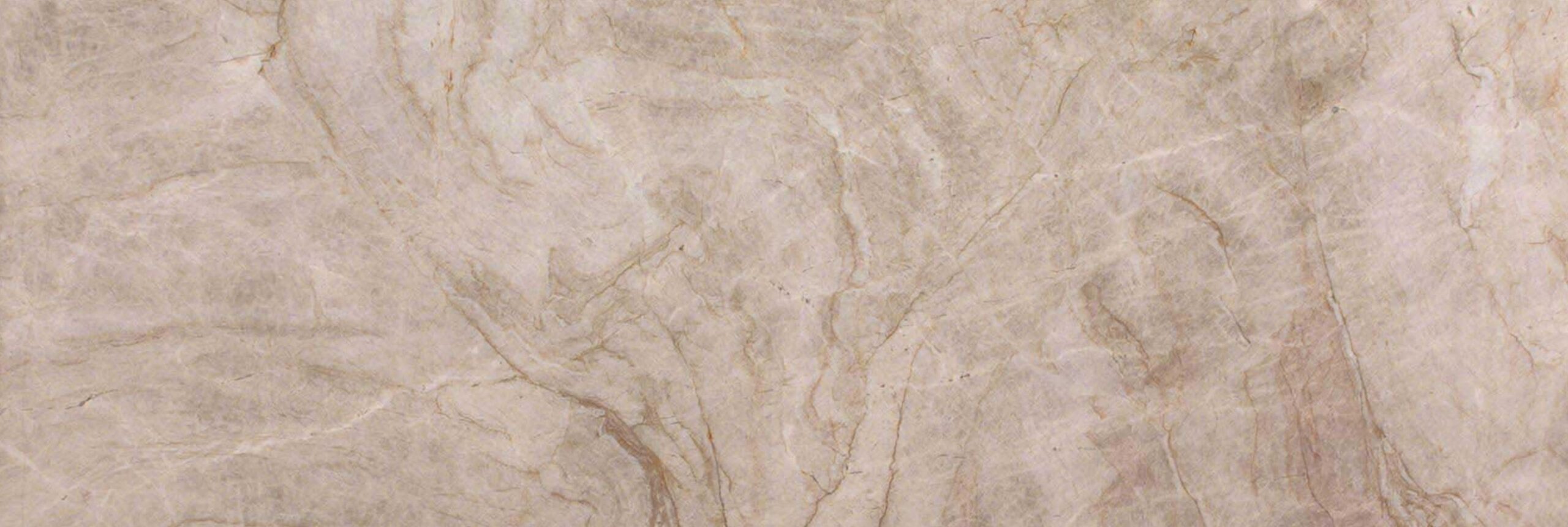
Marble Countertops
Marble is more porous and susceptible to stains, making careful cleaning essential:
- Use a soft cloth with a mixture of warm water and gentle dish soap.
- Avoid acidic cleaners that can etch the surface.
- Consider using a marble sealer every 6 months to protect against stains.
Explore our selection of premium marble countertops here.
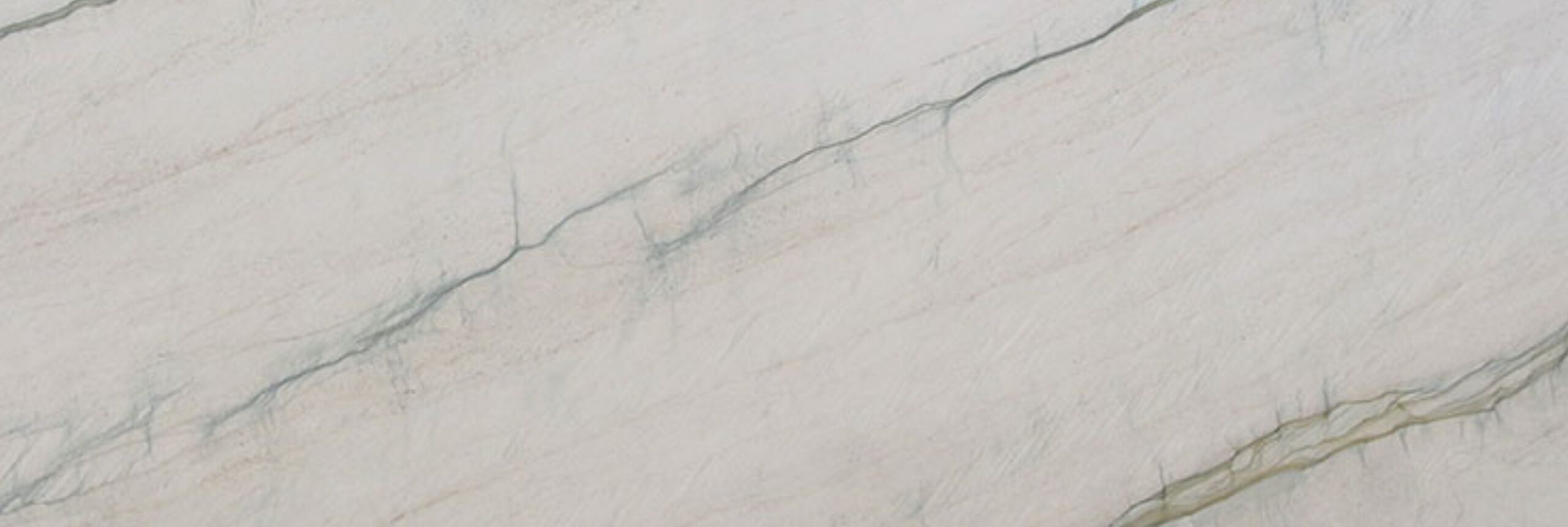
Quartzite Countertops
Quartzite resembles marble in appearance but offers greater durability. Maintenance tips include:
- Clean with a soft cloth and a pH-neutral cleaner.
- Seal every 1-2 years to maintain its resistance to stains.
You can learn more about quartzite options on our quartzite countertops page.
Protective Measures to Extend Lifespan
Implementing protective measures is vital to extending the lifespan of your countertops. Here are some strategies:
Use Cutting Boards and Trivets
Always use cutting boards when preparing food and trivets when placing hot pots or pans on your countertops. This simple practice can prevent scratches and heat damage.
Regular Sealing
As mentioned, sealing your countertops is crucial for porous materials. Regularly check for signs of wear in the sealant and reapply as needed.
Immediate Cleanup of Spills
Promptly clean spills, especially acidic substances like vinegar or citrus juice, to prevent staining. Use a soft cloth and avoid harsh scrubbing.
Year-Round Maintenance Tips
To keep your countertops in top condition throughout the year, consider these maintenance tips:
Spring Cleaning
Use the arrival of spring to perform a deep clean and inspect for any needed repairs. Clear away clutter and wipe down surfaces thoroughly.
Summer Check-Up
In summer, inspect your countertops for signs of sun damage or heat exposure. If you notice fading, consider using a protective film or window treatments to limit sun exposure.
Fall Preparation
Before winter arrives, ensure your countertops are sealed and ready for moisture exposure. Check for any cracks or chips that need repairing.
Winter Care
During winter, regularly wipe down surfaces to prevent the buildup of moisture. Ensure that your home is well-ventilated to minimize humidity levels.
Expert Insights from Washington Granite
At Washington Granite, we pride ourselves on providing premium countertops and exceptional craftsmanship. Our experienced installers are here to help you choose the right materials and ensure a perfect fit for your home. If you have questions about maintaining your countertops or need personalized guidance, contact us today or call +1 425-545-8006 for expert advice.
Frequently Asked Questions
What is the best way to clean quartz countertops?
The best way to clean quartz countertops is with a mixture of warm water and mild dish soap. Use a soft cloth or sponge to wipe down the surface, avoiding abrasive cleaners.
How often should I seal my granite countertops?
Granite countertops should typically be sealed every 6 to 12 months, depending on usage and the specific sealant used.
Can I use vinegar to clean my marble countertops?
No, vinegar should be avoided on marble countertops, as it can etch the surface. Use a gentle soap solution instead.
How can I protect my countertops from heat damage?
Always use trivets or hot pads when placing hot items on your countertops to prevent heat damage.
What should I do if my countertop gets scratched?
If your countertop gets scratched, you can often buff out small scratches with a fine abrasive or consult a professional for deeper scratches.
Is it necessary to use a cutting board on quartz countertops?
While quartz is durable, it’s still advisable to use a cutting board to prevent scratches and maintain the surface’s appearance.
How do I remove stains from granite?
For stains on granite, create a paste of baking soda and water, apply it to the stain, and cover it with plastic wrap for 24 hours before wiping it away.
Can I use bleach on my countertops?
Generally, bleach should be avoided as it can damage the surface. Use a pH-neutral cleaner instead.

About Washington Granite
Premium granite, quartz, quartzite, and marble countertop specialists in Washington State. We help homeowners transform their kitchens and bathrooms with luxury stone surfaces.