Table of Contents
The Ultimate Homeowner's Guide to Understanding Slab Patterns and Veining
Choosing the right countertop for your home is a significant decision that can enhance the beauty and functionality of your space. One of the most critical aspects to consider is the slab pattern and veining of the material you select. Whether you are considering quartz, granite, marble, or quartzite, understanding these features will help you make an informed decision that aligns with your aesthetic preferences and practical needs. In this comprehensive guide, we will explore the different types of slab patterns and veining, how to choose the right one for your home, and the factors to consider for your kitchen or bathroom renovation.
1. What are Slab Patterns and Veining?
Slab patterns refer to the overall design and layout of the stone surface, while veining describes the lines, swirls, and colors that run through the slab. These features contribute to the unique appearance of each slab and can significantly influence the overall aesthetic of your kitchen or bathroom. Understanding these elements is essential when selecting countertops, as they can affect not only the visual appeal but also the functionality of the space.
2. Types of Slab Patterns
There are several common slab patterns that you may encounter when exploring materials for your countertops. Each pattern has its unique characteristics and can impact the overall look of your space.
2.1. Uniform Patterns
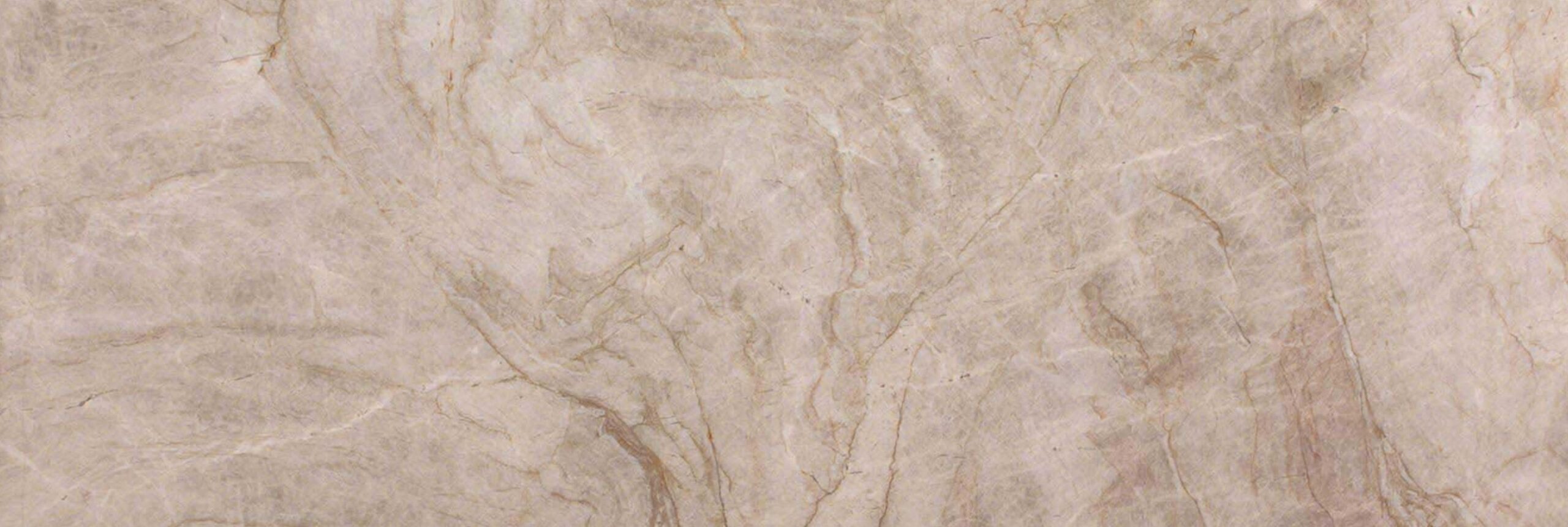
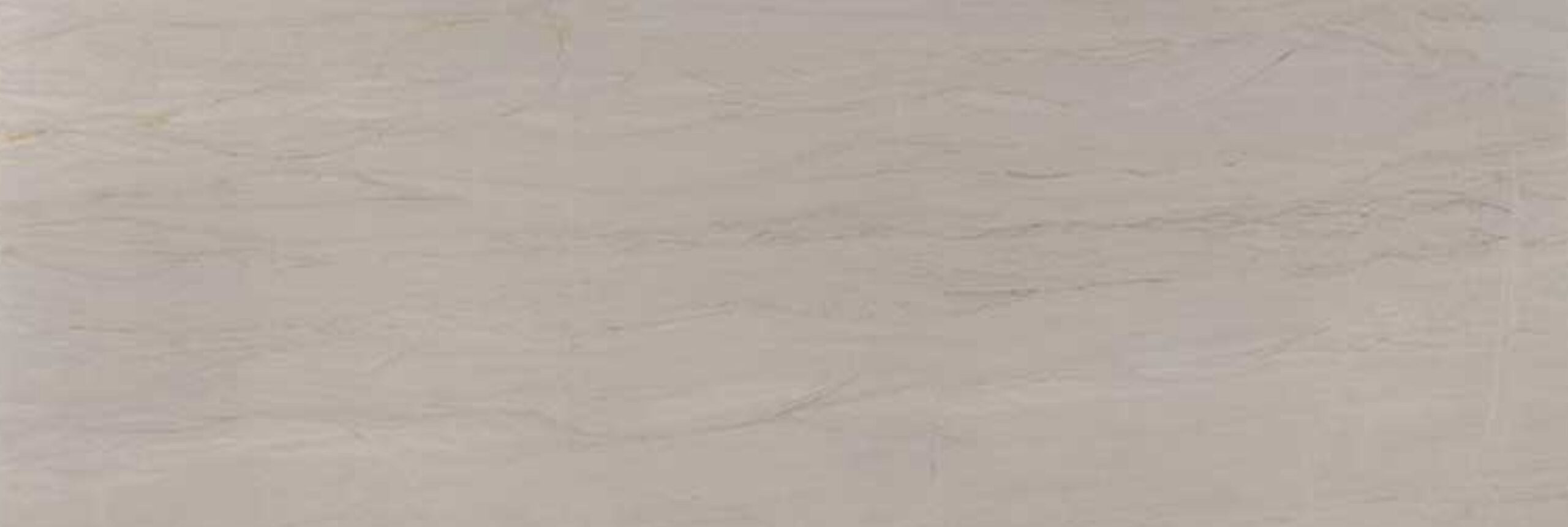
Uniform patterns are characterized by consistent colors and textures throughout the slab. These slabs create a seamless look and are ideal for modern and minimalist designs. Examples include solid-colored quartz countertops that offer a sleek and contemporary appearance.
2.2. Random Patterns
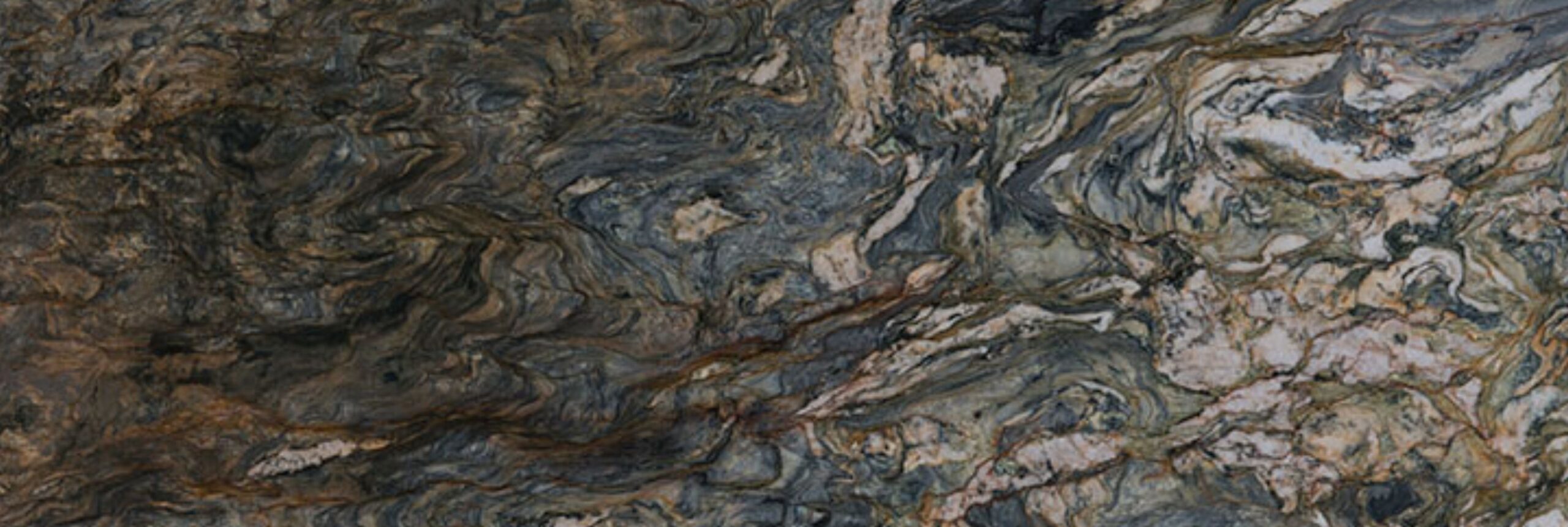
Random patterns feature a mix of colors and textures, creating a more dynamic and natural look. This pattern is often found in natural stones like granite and marble, where the unique formations of the stone result in unpredictable designs. A prime example is the Azul Celeste granite, which showcases a stunning array of blues and whites.
2.3. Linear Patterns
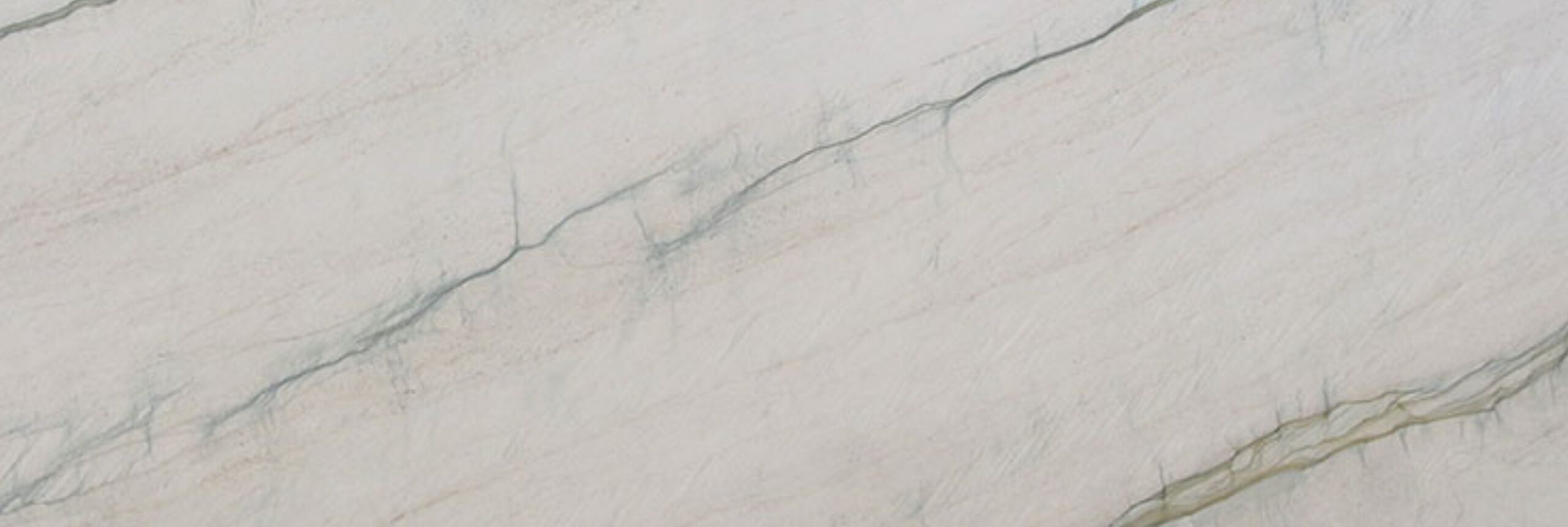
Linear patterns involve long, straight lines that can create a sense of movement and flow across the countertop. These patterns can be particularly effective in larger spaces, as they draw the eye along the surface. Linear veining is often seen in quartz and marble, such as the Calacatta Alto quartz, which features bold, sweeping lines.
2.4. Geometric Patterns
Geometric patterns consist of shapes and forms that create a structured and modern look. These patterns can add an element of intrigue to your countertops and are often used in contemporary designs. For instance, the Manhattan Gray quartz showcases a unique geometric design that can elevate any space.
3. Understanding Veining
Veining is a crucial aspect of stone selection that can significantly impact the overall look of your countertops. Veins can vary in color, thickness, and direction, and understanding these characteristics will help you choose the right slab for your home.
3.1. Types of Veining
There are several types of veining to consider:
- Fine Veining: These are delicate lines that add subtle detail to the stone. Fine veining is often found in lighter-colored stones, such as the Fairy White quartz.
- Bold Veining: Bold veins are thick and prominent, making a strong statement in your design. This type of veining is common in darker stones, such as the Marquina Midnight quartz.
- Wavy Veining: Wavy veins create a sense of movement and can add a dynamic quality to your countertops. This type of veining is often seen in natural stones like marble.
- Contrasting Veining: Contrasting veins feature colors that differ significantly from the base color of the slab, creating a striking visual effect. For example, the marble countertops often showcase dramatic contrasting veins.
3.2. The Role of Color in Veining
The color of the veining can evoke different emotions and set the tone for your space. For instance, warm-toned veins can create a cozy atmosphere, while cool-toned veins can impart a sense of calm and tranquility. When choosing a slab, consider how the color of the veining complements your overall design scheme.
4. How to Choose the Right Pattern and Veining for Your Space
Selecting the perfect slab pattern and veining involves several considerations:
4.1. Consider Your Design Style
Start by identifying your design style. Are you drawn to modern, minimalist aesthetics, or do you prefer a more traditional look? Your choice of slab pattern and veining should align with your overall design vision.
4.2. Assess Your Space
The size and layout of your kitchen or bathroom will influence your slab selection. In smaller spaces, uniform patterns may create a sense of openness, while larger areas can accommodate more intricate designs. Take measurements and visualize how different patterns will look in your space.
4.3. Match with Other Elements
Consider how your chosen slab will coordinate with other materials in your home, such as cabinetry, flooring, and backsplash. Aim for a cohesive look that enhances the overall aesthetic. For example, if you have dark cabinetry, a lighter slab with contrasting veining can create a striking visual contrast.
4.4. Test Samples
Before making a final decision, request samples of your preferred slabs. Place them in your space to see how they interact with lighting and other elements. This hands-on approach will help you visualize the final result.
5. Installation Considerations
Once you have selected your ideal slab pattern and veining, the next step is to consider the installation process. Proper installation is crucial to ensure that your countertops are not only beautiful but also functional and durable.
5.1. Professional Installation
It is highly recommended to engage experienced professionals for countertop installation. Skilled installers understand how to handle various materials and can ensure precise cuts, seam placements, and edge profiles. At Washington Granite, our expert installers are dedicated to delivering exceptional craftsmanship for every project.
5.2. Customization Options
When installing your countertops, you may have options for customization, including edge profiles, sink cutouts, and backsplash integration. Discuss these options with your installer to create a tailored look that meets your needs.
5.3. Project Timeline
Understanding the timeline for your installation project is essential for planning. At Washington Granite, we provide reliable project timelines to ensure that your countertops are installed promptly and efficiently. Contact us to discuss your project and receive personalized guidance.
6. Maintenance and Care
Proper maintenance is key to preserving the beauty and longevity of your countertops. Here are some tips to keep your slabs looking their best:
- Regular Cleaning: Use a gentle cleanser and a soft cloth to clean your countertops regularly. Avoid harsh chemicals that can damage the surface.
- Sealing Natural Stones: If you choose a natural stone like granite or marble, consider sealing it to protect against stains and moisture. Follow the manufacturer's recommendations for sealing frequency.
- Avoiding Heat Damage: Use trivets or cutting boards to protect your countertops from hot pots and pans. Direct heat can cause damage to the surface.
- Promptly Addressing Spills: Wipe up spills immediately to prevent staining, especially with acidic substances like citrus or vinegar.
7. Frequently Asked Questions
7.1. What is the difference between quartz and granite countertops?
Quartz countertops are engineered stone made from crushed quartz and resin, while granite is a natural stone that is quarried. Quartz is non-porous and requires less maintenance, while granite is porous and may need sealing.
7.2. How do I choose the right countertop material for my kitchen?
Consider factors such as durability, maintenance requirements, and aesthetic preferences. Quartz and granite are popular choices due to their durability and wide range of designs.
7.3. Can I customize the edge profile of my countertops?
Yes, many fabricators offer customization options for edge profiles, allowing you to choose the style that best fits your design.
7.4. How often do I need to seal my granite countertops?
Granite countertops should typically be sealed once a year, but the frequency may vary based on usage and the specific product used. Always check with your fabricator for recommendations.
7.5. What are the benefits of using quartz countertops?
Quartz countertops are non-porous, durable, and available in a wide variety of colors and patterns. They require minimal maintenance and are resistant to stains and scratches.
7.6. How do I care for my marble countertops?
Marble countertops require gentle cleaning with pH-neutral cleaners and should be sealed to protect against etching and staining.
7.7. Are there any eco-friendly countertop options?
Yes, there are eco-friendly options available, such as recycled glass or sustainable wood. These materials can provide unique aesthetics while being environmentally conscious.
7.8. How can I enhance the appearance of my countertops?
Consider adding decorative elements like a stylish backsplash or unique lighting to enhance the overall appearance of your countertops.
7.9. What should I do if my countertop gets damaged?
For minor scratches or chips, consult your fabricator for repair options. For significant damage, professional restoration may be necessary.
7.10. Can I install countertops myself?
While DIY installation is possible, it is recommended to hire professionals for the best results, especially for heavy materials like granite and quartz.
7.11. What is the average lifespan of granite countertops?
Granite countertops can last a lifetime with proper care and maintenance, making them a durable choice for any home.
7.12. How can I find a reliable countertop fabricator in my area?
Look for local fabricators with positive reviews and a portfolio of completed projects. At Washington Granite, we pride ourselves on our craftsmanship and customer service.

About Washington Granite
Premium granite, quartz, quartzite, and marble countertop specialists in Washington State. We help homeowners transform their kitchens and bathrooms with luxury stone surfaces.