Table of Contents
Expert Guide: Selecting Countertops for Hot Pans and Daily Kitchen Use
When it comes to renovating or upgrading your kitchen, one of the most critical decisions you will make is selecting countertops that can withstand the rigors of daily use and the occasional hot pan. Choosing the right material not only enhances the aesthetic appeal of your kitchen but also ensures that your surfaces remain durable and functional over the years. In this guide, we will delve deep into how to select countertops that handle hot pans and daily kitchen abuse, highlighting the best materials, expert tips, and practical advice to help you make an informed decision.
Understanding Countertop Durability
Countertops are subjected to a variety of stresses in the kitchen, including heat from hot pans, scratches from utensils, and stains from food and beverages. Thus, understanding countertop durability is paramount. Various factors contribute to how well a countertop can withstand these challenges:
- Material Composition: Different materials possess varying degrees of durability and heat resistance.
- Finish: The finish of a countertop can influence its resistance to scratches and stains.
- Thickness: Thicker materials generally offer better resistance to heat and impact.
According to the National Kitchen and Bath Association, homeowners frequently prioritize durability and ease of maintenance when selecting countertops, making it essential to choose wisely.
Top Countertop Materials for Heat Resistance
When selecting countertops that can handle hot pans and daily kitchen abuse, several materials stand out due to their inherent properties. Here’s an overview of the top contenders:
| Material | Heat Resistance | Durability | Maintenance |
|---|---|---|---|
| Quartz | Up to 400°F | Highly durable, non-porous | Low maintenance, easy to clean |
| Granite | Up to 1,200°F | Very durable, natural stone | Requires sealing, moderate care |
| Quartzite | Up to 1,500°F | Extremely durable, natural stone | Requires sealing, moderate care |
| Marble | Up to 800°F | Moderately durable, softer than granite | Requires sealing, prone to scratching |
| Solid Surface | Up to 350°F | Moderate durability | Low maintenance, easy to repair |
As shown in the table, granite and quartzite are top choices for heat resistance, making them ideal for kitchens where hot pans are frequently placed on surfaces. However, quartz is an excellent option for those seeking a low-maintenance material that combines aesthetics with functionality.
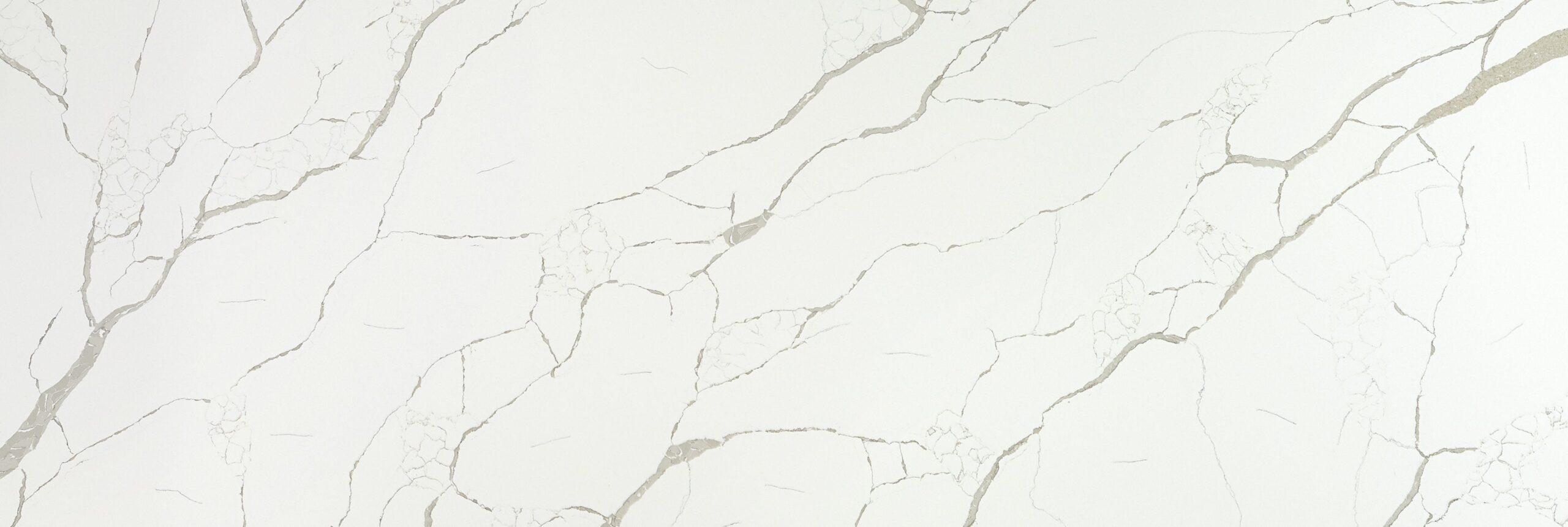
1. Quartz Countertops
Quartz countertops are engineered from natural quartz crystals, resin, and pigments, resulting in a non-porous surface that resists stains and scratches. While they can handle hot pans up to around 400°F, it’s advisable to use trivets or hot pads to prolong their lifespan. For more on quartz options, explore our quartz countertops page.
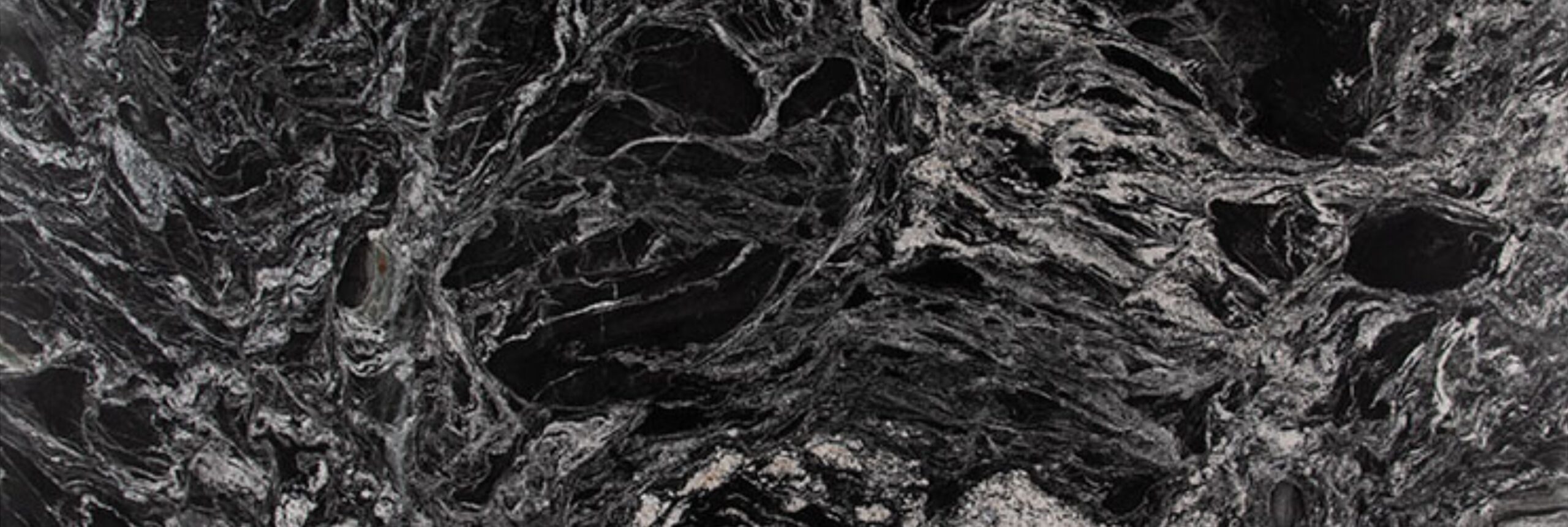
2. Granite Countertops
Granite is a natural stone that is beloved for its heat resistance and timeless beauty. With a heat tolerance of up to 1,200°F, it’s perfect for the avid cook. However, granite requires periodic sealing to maintain its resistance to stains and moisture. Discover our selection of granite options on our granite countertops page.
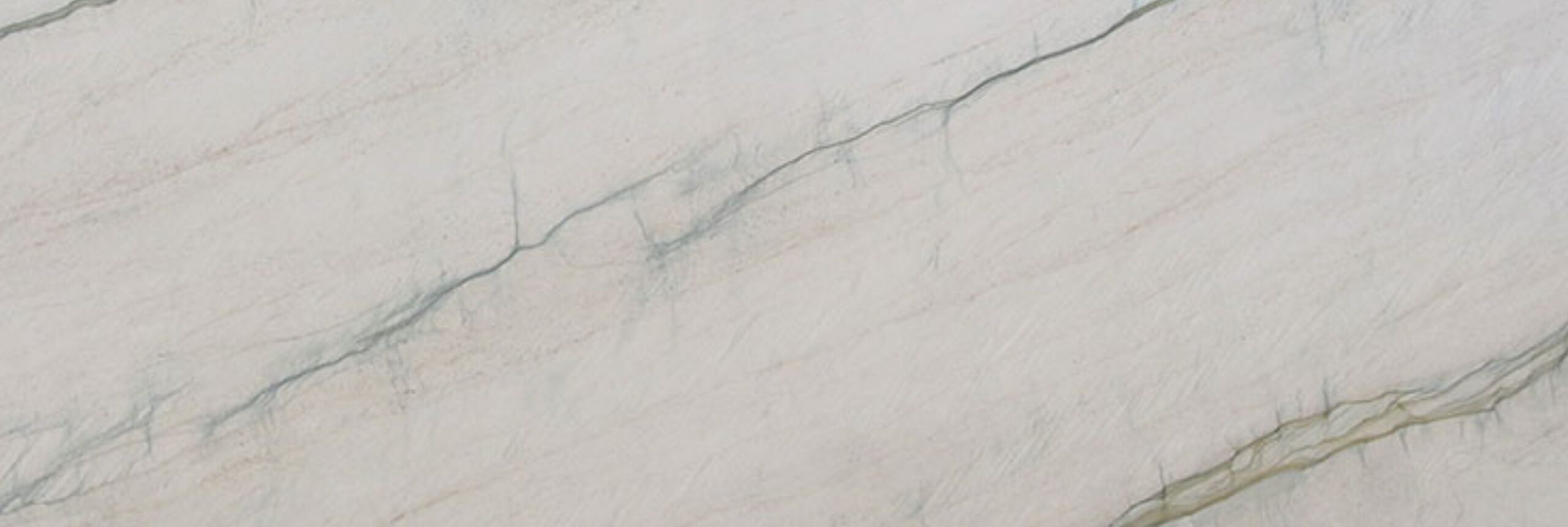
3. Quartzite Countertops
Quartzite is a metamorphic rock that is incredibly durable and heat-resistant, handling temperatures up to 1,500°F. It typically requires sealing, similar to granite, for optimal care. If you’re interested in quartzite, check out our quartzite countertops page.
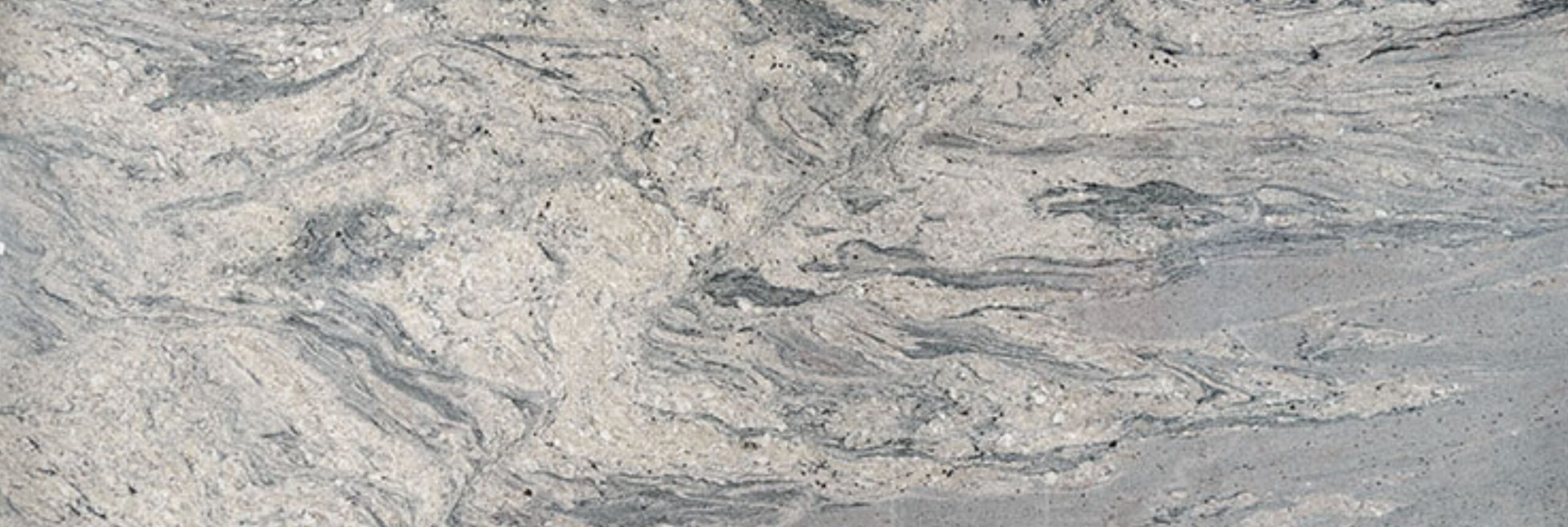
4. Marble Countertops
While marble is aesthetically pleasing, it is softer than granite and can be more susceptible to scratches and heat damage. It can withstand temperatures up to 800°F, but caution should be exercised when placing hot pans directly on the surface. For more information, visit our marble countertops page.
5. Solid Surface Countertops
Solid surface countertops are made from acrylic and polyester. They are not as heat-resistant as stone options, able to withstand temperatures of around 350°F. However, they are easy to maintain and repair, making them suitable for busy kitchens. Learn more about solid surfaces by contacting us directly.
Evaluating Countertop Performance
When considering countertops for your kitchen, it’s essential to evaluate their performance based on several criteria:
- Heat Resistance: As previously discussed, different materials offer varying degrees of heat resistance. Consider your cooking habits and the likelihood of placing hot pans on the surface.
- Scratch Resistance: Some materials, like quartz and granite, are more resistant to scratches than softer options like marble.
- Stain Resistance: Non-porous materials like quartz are less likely to absorb stains, making them ideal for kitchen use.
- Maintenance Requirements: Consider how much time you are willing to spend on upkeep. Some materials require regular sealing, while others are virtually maintenance-free.
According to the National Kitchen and Bath Association, homeowners should prioritize materials that align with their cooking habits and lifestyle. If you frequently cook with high heat, opt for granite or quartzite. If you prefer low-maintenance options, quartz is ideal.
Expert Tips for Selecting the Right Countertops
To ensure you choose the best countertops for your kitchen, consider the following expert tips:
- Conduct a Heat Test: If you can, test how each material reacts to heat by placing a hot pan on a sample piece. This can give you a good indication of how it will perform in your kitchen.
- Consider Your Cooking Style: If you are an avid cook or bake frequently, prioritize materials with higher heat resistance and durability.
- Check for Warranty: Many countertop manufacturers offer warranties that can provide peace of mind regarding durability and performance.
- Visit a Showroom: Seeing and feeling the materials in person can help you make a more informed decision. Visit our Everett showroom to explore a variety of options.
Caring for Your Countertops
Once you’ve selected your countertops, proper care is essential to maintaining their beauty and durability. Here are some care tips for different materials:
- Quartz: Clean with a mild dish soap and warm water. Avoid harsh chemicals that can damage the surface.
- Granite: Clean with a pH-balanced cleaner and reseal every 1-3 years to maintain its protective layer.
- Quartzite: Similar to granite, clean with a mild detergent and reseal as needed.
- Marble: Use a gentle cleaner and avoid acidic substances that can etch the surface.
- Solid Surface: Clean with soap and water, and repair scratches with a special buffing compound.
By following these care guidelines, you can ensure that your countertops remain in excellent condition for years to come.
Frequently Asked Questions
1. What is the most heat-resistant countertop material?
Granite and quartzite are among the most heat-resistant materials, with heat tolerances up to 1,200°F and 1,500°F, respectively.
2. Can I place hot pans directly on quartz countertops?
While quartz can handle temperatures up to 400°F, it’s advisable to use trivets or hot pads to prevent damage.
3. How often should I reseal granite countertops?
Granite countertops should be resealed every 1-3 years, depending on usage and the specific product used.
4. What are the best countertops for a busy kitchen?
Quartz and granite are excellent options due to their durability and heat resistance, making them suitable for high-traffic kitchens.
5. How do I clean marble countertops?
Use a gentle cleaner and avoid acids that can etch the surface. Regular sealing can also help maintain its appearance.
6. Are solid surface countertops easy to repair?
Yes, solid surface countertops can be easily repaired by sanding out scratches and chips.
7. How can I test the heat resistance of a countertop?
You can conduct a heat test by placing a hot pan on a sample piece for a short period to see how it reacts.
8. Where can I find premium countertops in Everett?
Visit our Everett showroom to explore a wide selection of premium countertops.

About Washington Granite
Premium granite, quartz, quartzite, and marble countertop specialists in Washington State. We help homeowners transform their kitchens and bathrooms with luxury stone surfaces.