Table of Contents
Why Pacific Northwest Homeowners Need Moisture-Resistant Countertops
The Pacific Northwest is renowned for its stunning natural beauty, but it also comes with a unique set of challenges for homeowners. One of the most significant concerns is moisture, which can impact everything from your home’s structural integrity to the materials you choose for your kitchen and bathroom. This article explores why Pacific Northwest homeowners need countertops that handle moisture effectively, ensuring durability, functionality, and aesthetic appeal. By the end of this guide, you will understand the best materials for your countertops and how to maintain them for a long-lasting investment.
Moisture Challenges in the Pacific Northwest
The Pacific Northwest is characterized by its lush landscapes and frequent rainfall, making it a region where moisture is a constant presence. This high humidity and wet climate can pose challenges for homeowners, particularly when it comes to choosing materials for kitchens and bathrooms. According to the National Centers for Environmental Information, the average annual precipitation in Seattle, for instance, is about 37 inches, which is higher than the national average.
With such moisture levels, homeowners must consider the implications for their countertop choices. Water can cause damage to various materials, leading to mold growth, warping, and deterioration over time. This is why selecting the right countertops is crucial for maintaining both the beauty and functionality of your home.
Choosing the Right Countertop Material
When it comes to countertops, not all materials are created equal. Here are some critical factors to consider when selecting countertops that can withstand the moisture prevalent in the Pacific Northwest:
- Water Resistance: Some materials are inherently more resistant to moisture than others. For example, quartz and granite are less porous than wood or laminate, making them better suited for humid environments.
- Durability: Countertops must withstand daily wear and tear, including scratches, stains, and heat. Opting for durable materials ensures longevity.
- Maintenance Requirements: Different materials have varying maintenance needs. Some may require sealing, while others are virtually maintenance-free.
- Aesthetic Appeal: Your countertops should complement your home’s design. Consider color, texture, and overall style.
Understanding these factors will help you make an informed decision when selecting countertops for your kitchen or bathroom.
Top Moisture-Resistant Countertop Options
Now that we understand the moisture challenges and what to look for in countertop materials, let’s explore some of the best moisture-resistant options available:
| Material | Moisture Resistance | Durability | Maintenance |
|---|---|---|---|
| Quartz | High | Very High | Low (no sealing required) |
| Granite | Moderate to High | High | Moderate (requires periodic sealing) |
| Quartzite | High | Very High | Low (no sealing needed) |
| Marble | Low to Moderate | Moderate | High (requires sealing and care) |
| Concrete | Moderate | High | Moderate (requires sealing) |
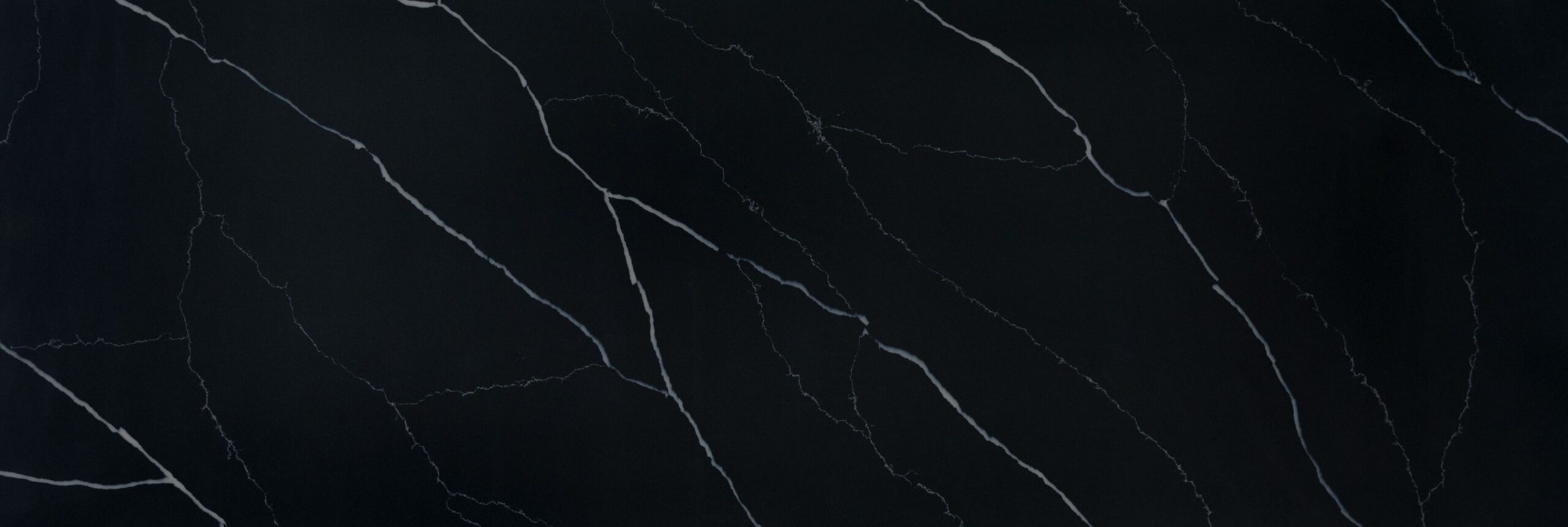
Among these materials, quartz stands out as one of the best options for homeowners in the Pacific Northwest. Engineered from natural stone and resin, quartz countertops are non-porous, making them highly resistant to moisture and staining. They also come in a wide variety of colors and patterns, allowing homeowners to select a style that complements their home.
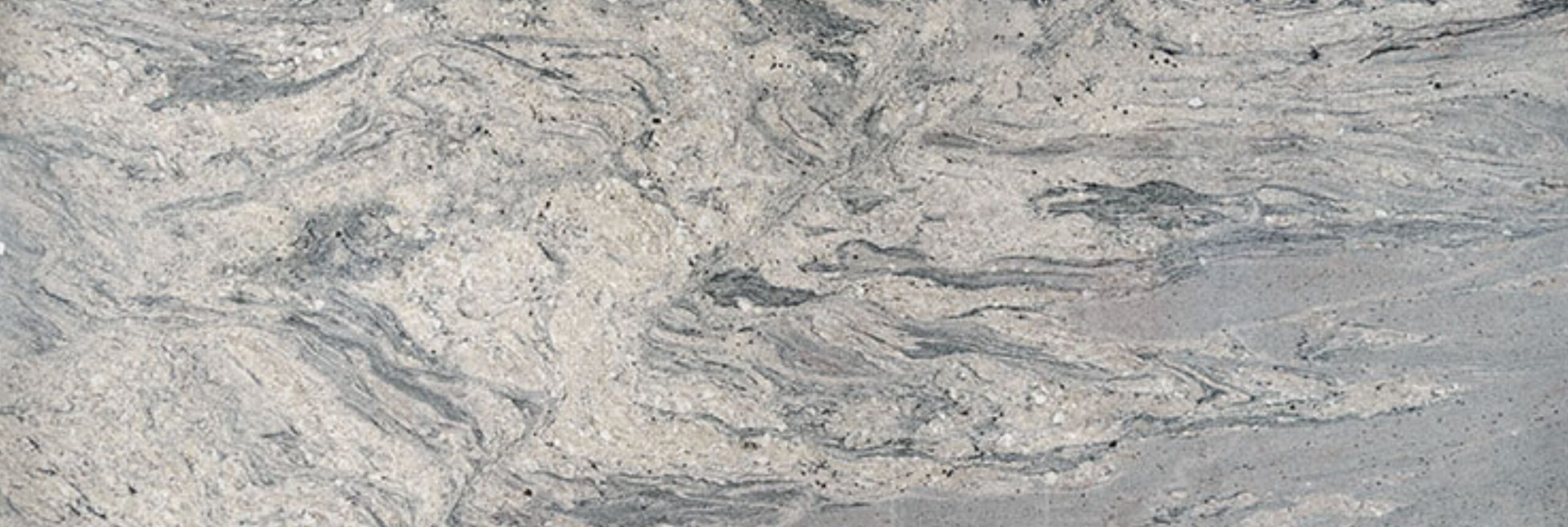
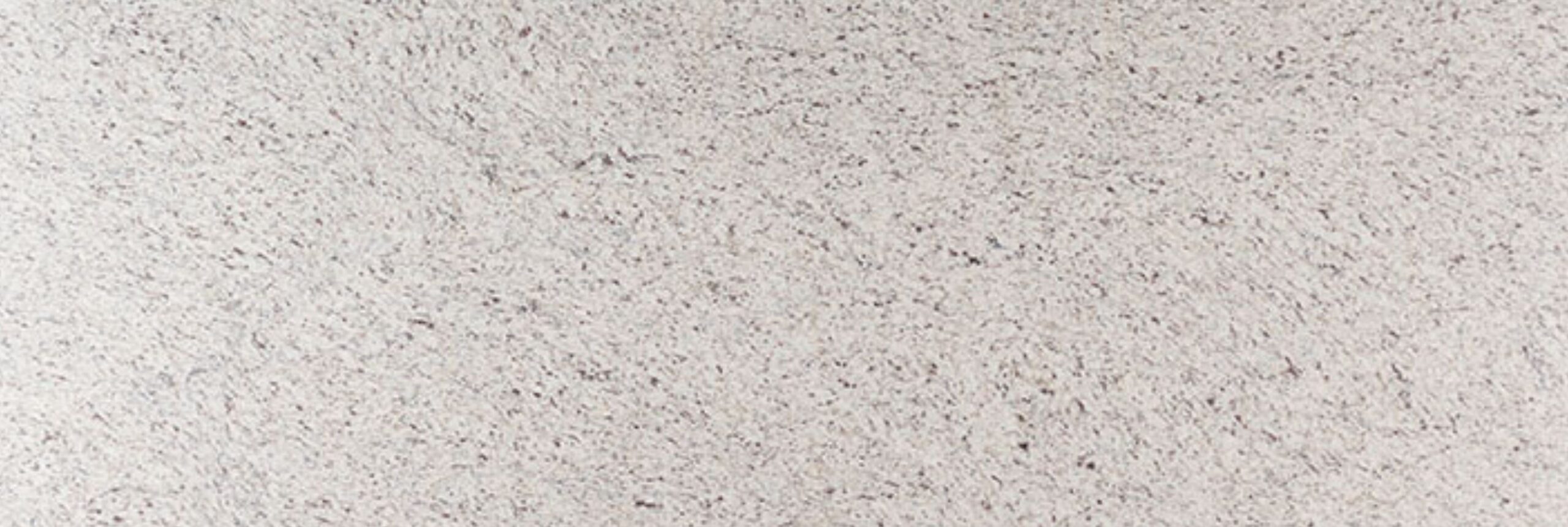
Granite is another popular choice, known for its natural beauty and durability. While it requires periodic sealing to maintain its moisture resistance, its aesthetic appeal and strength make it a worthwhile investment.
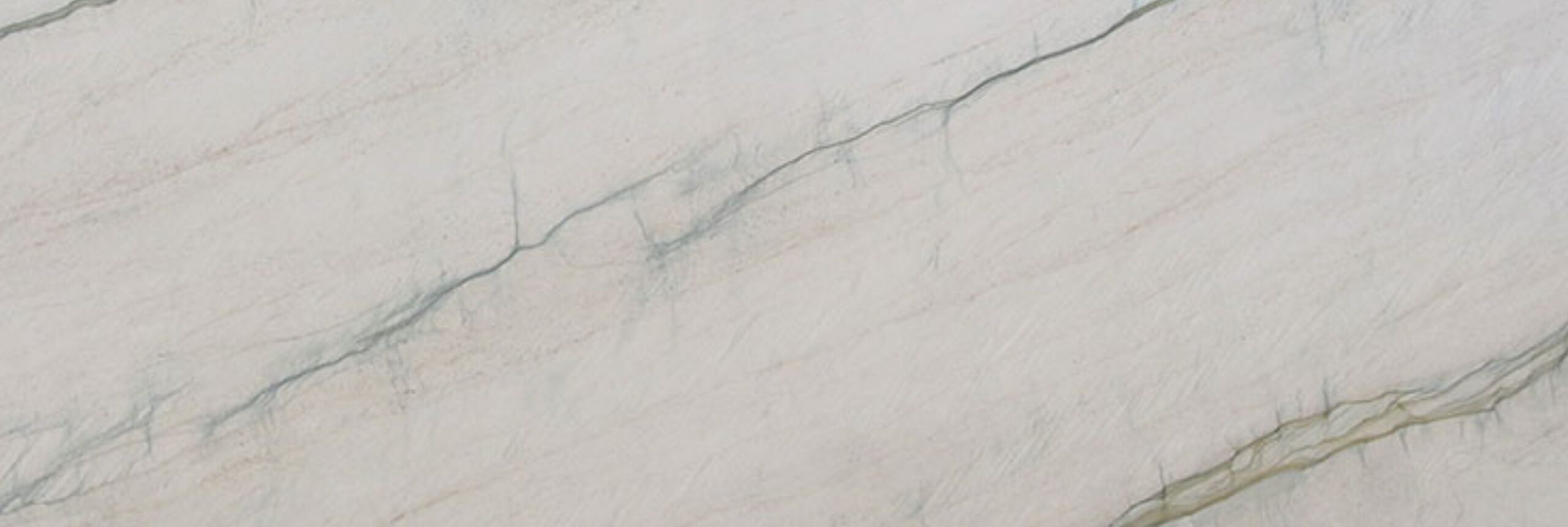
Quartzite, often confused with quartz, is a natural stone that offers excellent moisture resistance and durability. If you’re looking for a natural stone alternative with less maintenance, quartzite is an excellent option.
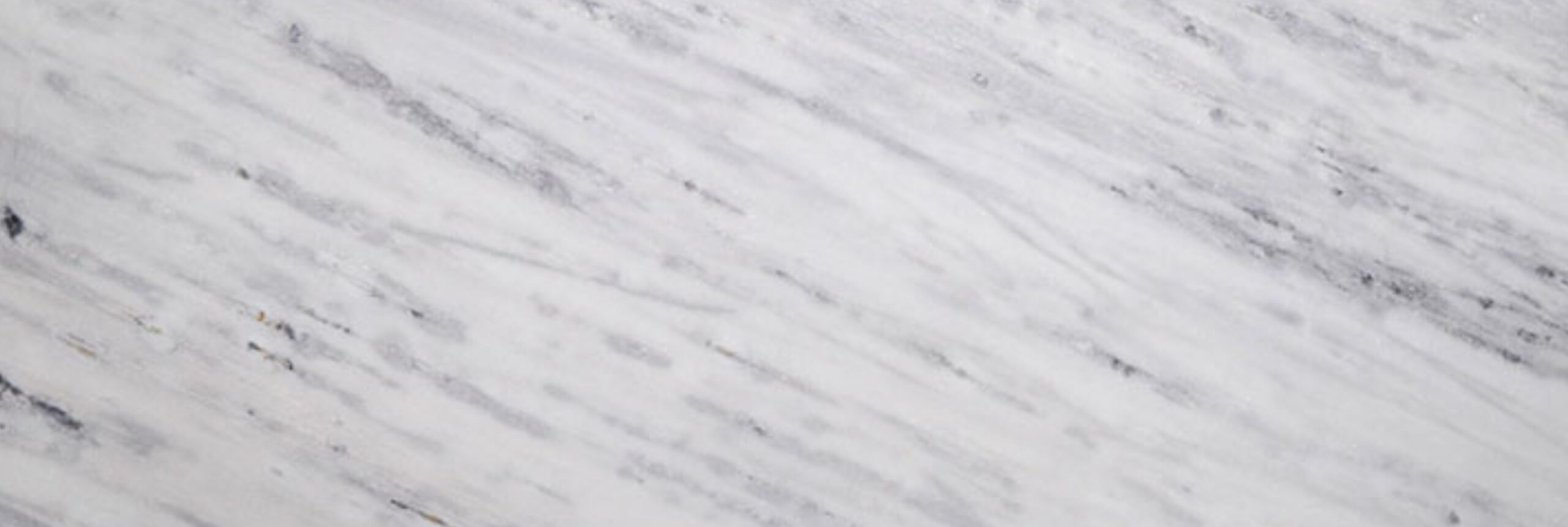
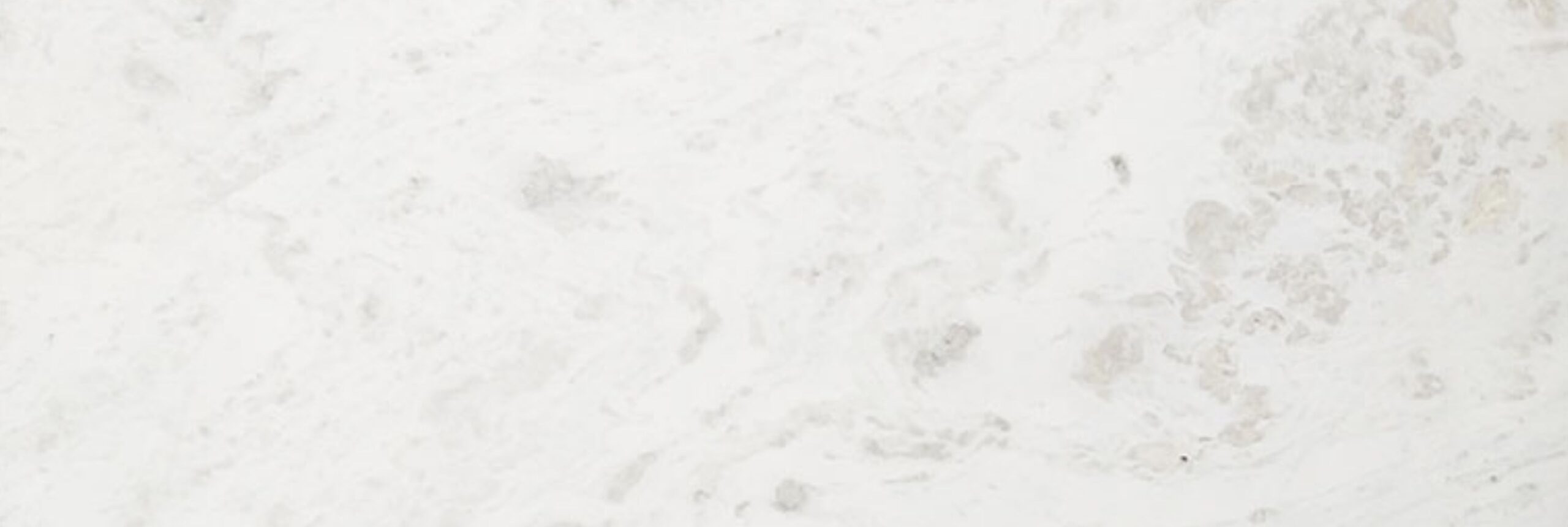
In contrast, marble, while beautiful, is less suitable for high-moisture environments due to its porous nature and sensitivity to staining. Homeowners should consider the maintenance implications carefully before choosing marble for areas prone to moisture.
Maintaining Your Countertops
Once you've selected the perfect countertop material, it's essential to maintain it properly to ensure longevity. Here are some expert tips for maintaining moisture-resistant countertops:
- Regular Cleaning: Use a mild soap and warm water to clean your countertops regularly. Avoid harsh chemicals that can damage the surface.
- Immediate Spill Cleanup: Wipe up spills immediately to prevent staining, especially on porous surfaces like granite and marble.
- Use Cutting Boards: Always use cutting boards to prevent scratches and damage.
- Avoid Excessive Heat: Use trivets or hot pads under hot pots and pans to prevent thermal shock.
- Periodic Sealing: For granite and other porous materials, ensure to seal them every 1-2 years to maintain moisture resistance.
Conclusion
Selecting the right countertops is crucial for Pacific Northwest homeowners, given the region's high moisture levels. By choosing moisture-resistant materials such as quartz, granite, or quartzite, you can ensure your countertops will withstand the unique challenges posed by the climate. Proper maintenance will further enhance the durability and appearance of your countertops, making them a long-lasting investment in your home.
For personalized guidance on selecting the best countertops for your home, call +1 425-545-8006 or request a free consultation online. Visit our Everett showroom to explore our wide range of quartz and other premium countertop options.
FAQ
1. What are the best countertop materials for high moisture areas?
Quartz and quartzite are excellent options for high moisture areas due to their low porosity and high durability. Granite is also suitable but requires regular sealing.
2. How do I maintain my granite countertops?
Regularly clean with mild soap and water, wipe up spills immediately, and seal the surface every 1-2 years to maintain moisture resistance.
3. Can I use marble in a bathroom?
While marble can be used in bathrooms, it's essential to consider that it is more porous and may require more maintenance to prevent staining.
4. How often should I seal my granite countertops?
Granite countertops should be sealed every 1-2 years, depending on usage and the specific type of granite.
5. Are quartz countertops resistant to heat?
While quartz is durable, it is not completely heat-resistant. Always use trivets or hot pads under hot pots and pans.
6. What should I do if my countertop gets scratched?
Minor scratches can often be buffed out with a soft cloth. For deeper scratches, consult a professional for repair.
7. How do I know if my granite countertop needs sealing?
Perform a water test by dropping water on the surface. If it absorbs, it’s time to reseal.
8. What is the difference between quartz and quartzite?
Quartz is an engineered stone made from resin and natural stone, while quartzite is a natural metamorphic rock, known for its durability and beauty.

About Washington Granite
Premium granite, quartz, quartzite, and marble countertop specialists in Washington State. We help homeowners transform their kitchens and bathrooms with luxury stone surfaces.