Table of Contents
Ultimate Guide to Incorporating Natural Stone in Your Bathroom Renovation
When it comes to bathroom renovations, few materials can match the beauty, durability, and elegance of natural stone. Whether you’re considering a complete overhaul or just a few updates, incorporating natural stone can elevate your space significantly. In this comprehensive guide, we’ll explore how to effectively integrate various types of natural stone into your bathroom renovation. We’ll cover everything from design ideas to installation tips, ensuring your project reflects both sophistication and functionality. By the end of this article, you’ll be equipped with the knowledge you need to make informed decisions about using natural stone in your bathroom.
Understanding Natural Stone
Natural stone is an umbrella term that encompasses a variety of materials sourced directly from the earth. Unlike manufactured materials, natural stone is unique, with each piece showcasing its own character and beauty. Common types of natural stone include granite, marble, quartzite, and limestone. Each type has its own properties, making it suitable for specific applications in your bathroom renovation.
One significant advantage of natural stone is its durability. According to the Natural Stone Institute, natural stone can withstand the test of time, making it a worthwhile investment for homeowners looking to enhance their property value. Additionally, natural stone is resistant to moisture and heat, which are critical factors in bathroom environments.
Types of Natural Stone for Bathrooms
Choosing the right type of natural stone for your bathroom is crucial. Here’s a closer look at the most popular options:
Granite
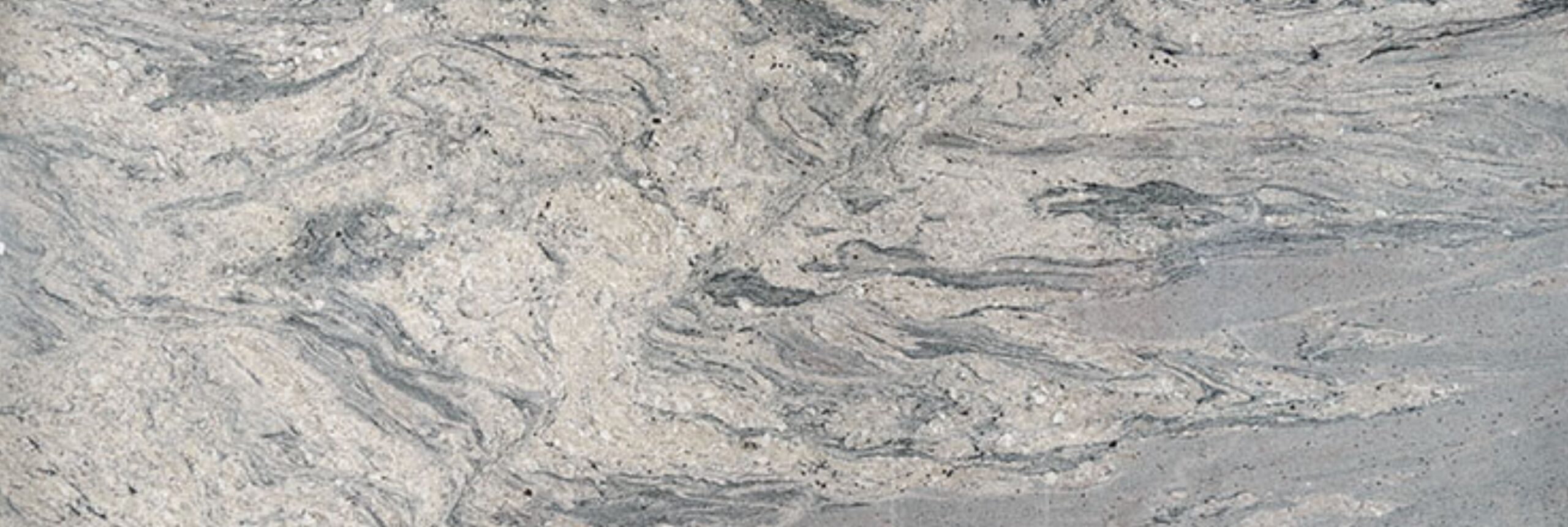
Granite is one of the most durable stones available. It’s ideal for countertops and flooring due to its resistance to scratches and stains. Available in various colors and patterns, granite can complement any bathroom design.
Marble
Marble is synonymous with luxury and elegance. Its unique veining and soft colors make it perfect for creating stunning vanities and shower walls. However, marble is more porous than granite, so it requires sealing to prevent staining.
Quartzite
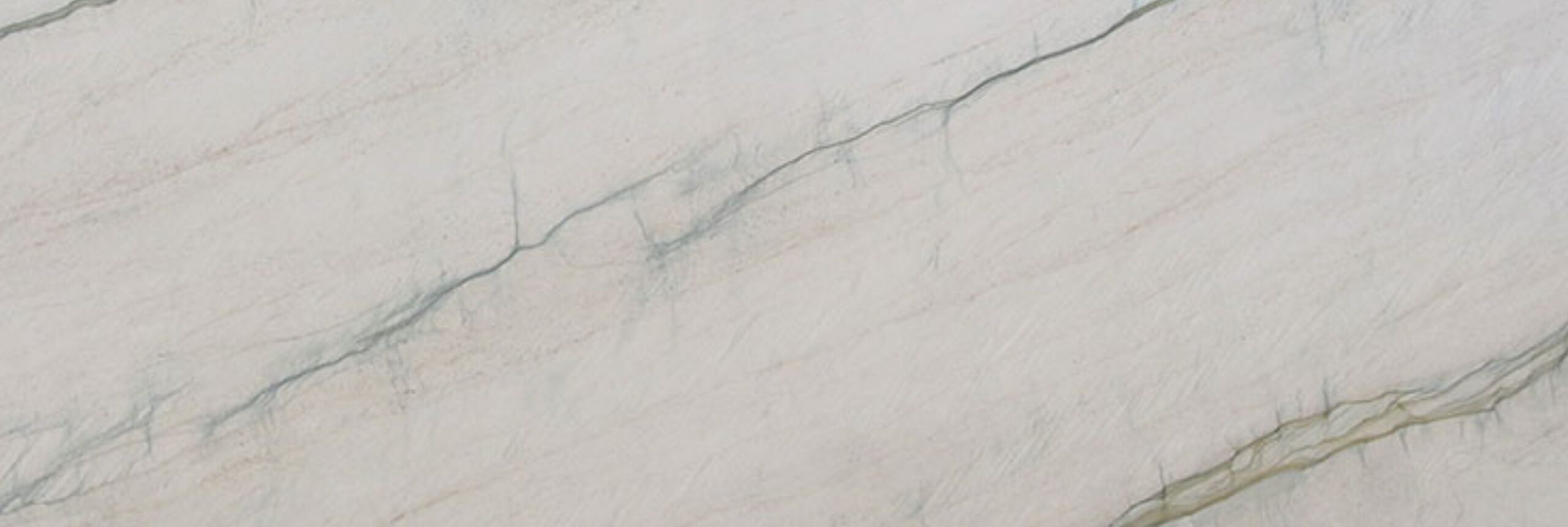
Quartzite is often confused with quartz, but it is a natural stone that offers the beauty of marble with the durability of granite. It’s an excellent choice for high-traffic areas in the bathroom, like countertops and shower surrounds.
Limestone
Limestone provides a warm, natural look that can create a soothing ambiance. It’s best suited for flooring and walls but should be used carefully in wet areas, as it’s more porous than other stones.
Soapstone
Soapstone is a softer stone that is resistant to heat and stains, making it an excellent option for sinks and countertops. Its unique texture and color variations can add a rustic charm to your bathroom.
Design Ideas for Incorporating Natural Stone
Incorporating natural stone into your bathroom can be done in numerous ways. Here are some innovative design ideas:
1. Statement Walls
Using natural stone on a feature wall can create a stunning focal point. Consider using a dramatic piece of marble or granite behind the vanity or in the shower area.
2. Countertops
Natural stone countertops can elevate the functionality and aesthetics of your bathroom. Choose a material that complements your overall design theme. For example, a sleek black granite countertop can add sophistication, while a light-colored marble can create a more airy feel.
3. Flooring
Natural stone flooring is not only visually appealing but also practical. Choose slip-resistant options like textured limestone or honed granite for safety.
4. Backsplashes
A natural stone backsplash can add depth and texture to your bathroom. Consider using smaller tiles made from marble or quartzite to create a mosaic effect.
5. Shower Surrounds
Transform your shower area with natural stone tiles. Large-format tiles can create a seamless look, while smaller tiles can add intricate designs.
6. Floating Vanities
Incorporating a floating vanity with a natural stone top can create a contemporary look while maximizing floor space.
Installation Tips for Natural Stone
Proper installation is crucial for ensuring the longevity and performance of natural stone in your bathroom. Here are some essential tips:
1. Hire Professionals
While DIY projects can be rewarding, installing natural stone requires expertise. Hiring experienced professionals ensures that your stone is correctly cut, fitted, and sealed.
2. Use Quality Adhesives
Choosing the right adhesives specifically designed for natural stone is vital. These adhesives will offer better bonding and durability.
3. Seal Your Stone
Most natural stones require sealing to protect against moisture and stains. Make sure to apply a high-quality sealant after installation and reapply it periodically.
4. Consider Expansion Joints
Natural stone can expand and contract with temperature changes. Incorporating expansion joints can prevent cracking and ensure a long-lasting installation.
5. Plan for Weight
Natural stone can be heavy. Ensure that your cabinetry and flooring can support the weight of the stone you choose.
Maintenance and Care of Natural Stone
Taking care of your natural stone surfaces will help maintain their beauty and longevity. Here are some maintenance tips:
1. Regular Cleaning
Use a pH-balanced cleaner specifically designed for natural stone. Avoid acidic cleaners, as they can damage the surface.
2. Avoid Harsh Chemicals
Bleach and ammonia can be harmful to natural stones. Stick to gentle cleaning solutions.
3. Wipe Spills Immediately
To prevent staining, wipe up spills as soon as they occur, especially with substances like oils and colored liquids.
4. Reseal Periodically
Depending on usage, reseal your natural stone surfaces every 6 to 12 months to maintain their protective layer.
Expert Insights on Natural Stone
Incorporating natural stone into your bathroom renovation is not just a design choice; it’s an investment in quality and durability. Here are some expert insights:
Additionally, think about the practical aspects of your renovation. For example, if you have a busy household, opt for materials that can withstand daily wear and tear.
Another important consideration is the environmental impact. Sourcing natural stone locally, such as from a trusted supplier like Washington Granite, can reduce your carbon footprint and support local businesses.
Frequently Asked Questions
1. What is the best natural stone for bathroom countertops?
Granite and quartzite are excellent choices due to their durability and resistance to stains.
2. How do I maintain my natural stone shower?
Regular cleaning with a pH-balanced cleaner and resealing every 6 to 12 months will help maintain your shower.
3. Can I use natural stone on bathroom floors?
Yes, many types of natural stone, including granite and limestone, are suitable for bathroom flooring.
4. Is marble a good choice for bathrooms?
Marble can be a beautiful choice, but it requires more maintenance than granite due to its porous nature.
5. How much does natural stone installation cost?
The cost of installation varies based on the type of stone and the complexity of the project. Consult with a local professional for estimates.
6. Can I install natural stone myself?
While DIY installation is possible, hiring professionals is recommended for the best results.
7. What are the benefits of using natural stone?
Natural stone offers durability, aesthetic appeal, and can increase property value.
8. How can I choose the right natural stone for my bathroom?
Consider factors like durability, maintenance requirements, and design compatibility when choosing your stone.
9. Is natural stone eco-friendly?
Natural stone is a sustainable choice if sourced responsibly, as it is a natural resource.
10. How do I remove stains from natural stone?
Use a gentle, pH-balanced cleaner and avoid abrasive scrubbing to remove stains without damaging the surface.
11. What type of sealant should I use for natural stone?
Choose a high-quality sealant specifically designed for natural stone to provide the best protection.
12. How often should I reseal my natural stone surfaces?
Resealing is typically recommended every 6 to 12 months, depending on usage and the type of stone.
In conclusion, incorporating natural stone into your bathroom renovation can create a timeless, elegant space that enhances your home’s value and functionality. For personalized guidance on selecting and installing natural stone, call +1 425-545-8006 or visit our Everett showroom to explore our stunning quartz and granite options.

About Washington Granite
Premium granite, quartz, quartzite, and marble countertop specialists in Washington State. We help homeowners transform their kitchens and bathrooms with luxury stone surfaces.