Table of Contents
The Ultimate Homeowner's Guide to Quartz vs. Granite Maintenance
Choosing the right countertop material for your home can feel overwhelming, especially when it comes to understanding the maintenance needs of quartz and granite. Both materials are popular choices for kitchen and bathroom surfaces, but they have distinct characteristics that affect their upkeep. In this comprehensive guide, we will delve deep into the maintenance requirements of quartz and granite countertops, helping you make an informed decision that aligns with your lifestyle and home aesthetics.
Quartz vs. Granite Overview
Both quartz and granite have their unique advantages and disadvantages, making them suitable for different types of homeowners. Here’s a quick overview:
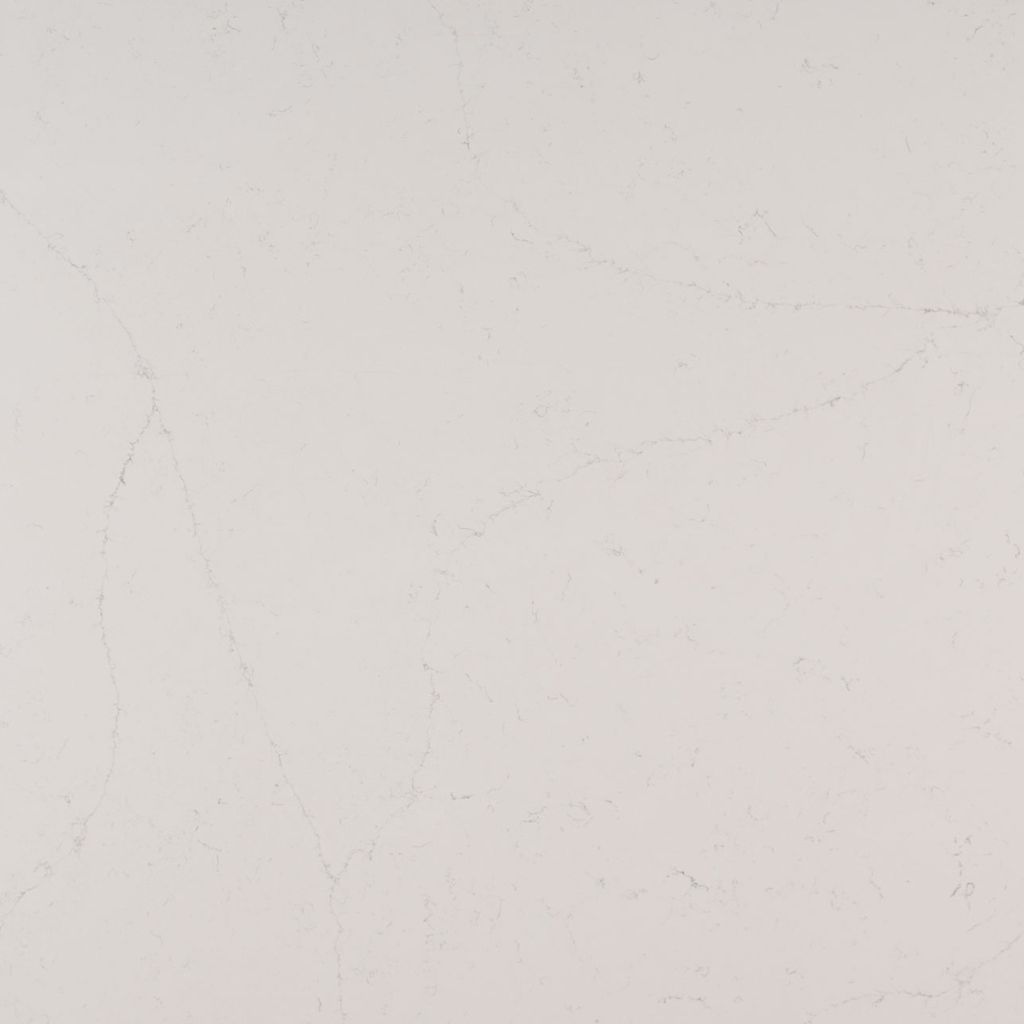
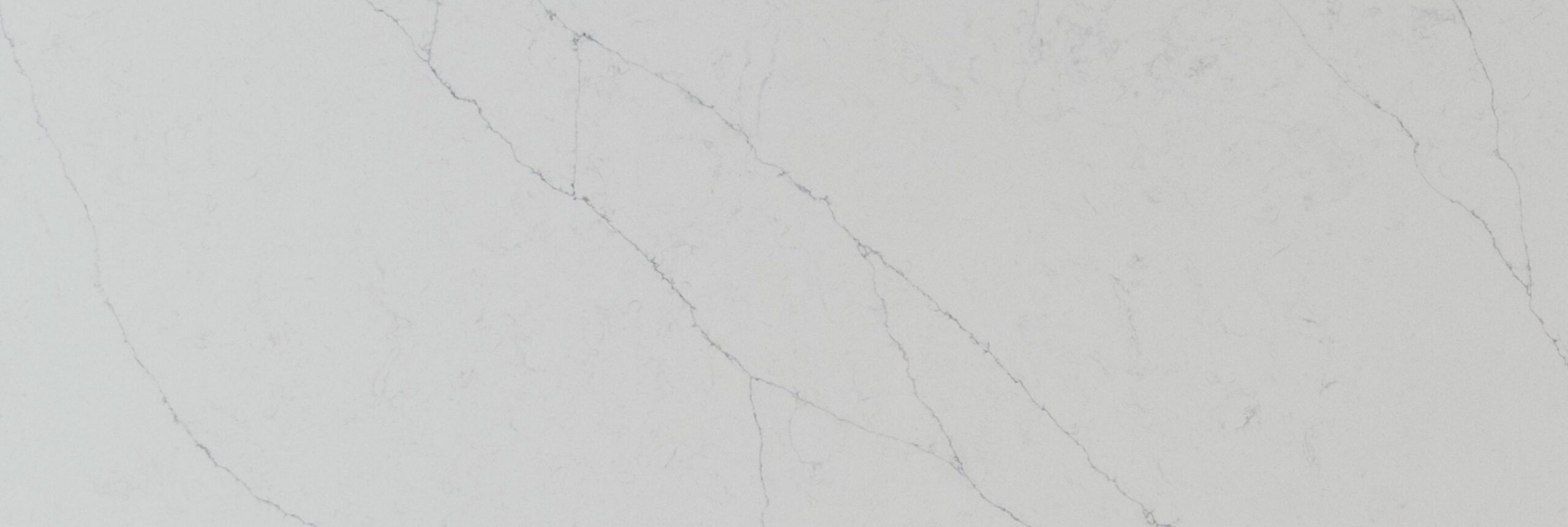
- Quartz: Engineered from 90-95% crushed natural stone combined with resins and polymers, quartz is non-porous, making it resistant to stains and bacteria. It offers a uniform appearance and comes in a variety of colors and patterns.
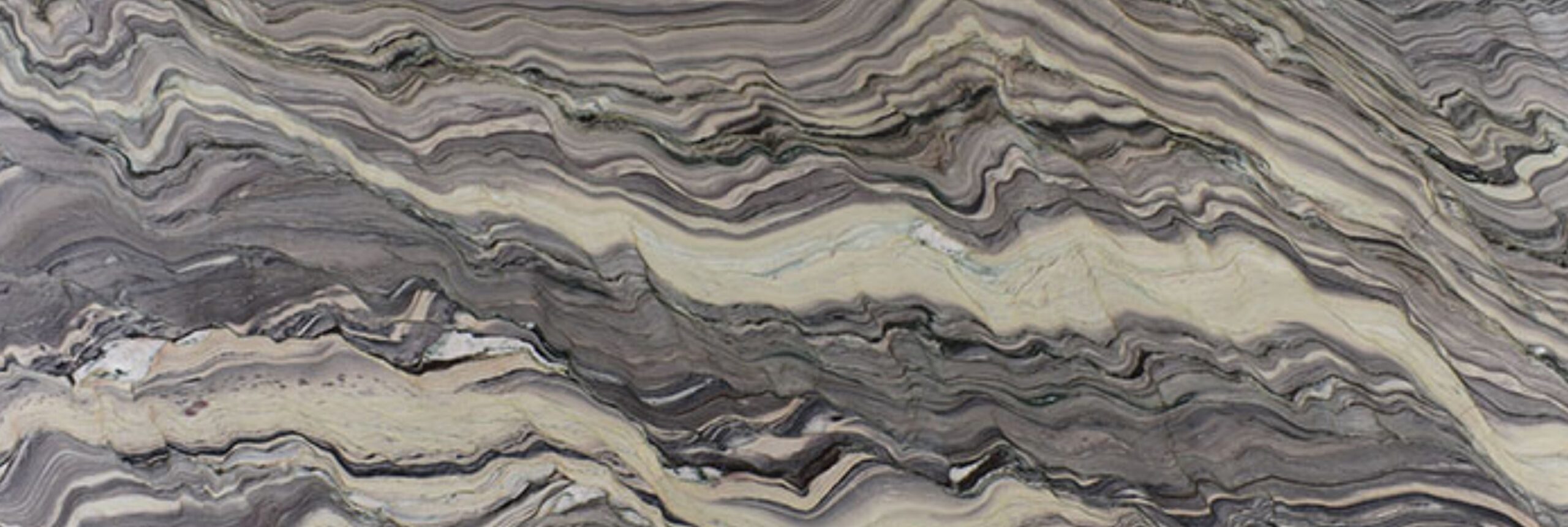
- Granite: A natural stone, granite is mined from quarries and cut into slabs. Each slab is unique, showcasing stunning natural patterns and colors. However, granite is porous and requires sealing to prevent stains and damage.
Maintenance Differences
Understanding the maintenance needs of quartz and granite is crucial for preserving their beauty and functionality over time. Here’s a detailed comparison of their maintenance requirements:
| Aspect | Quartz | Granite |
|---|---|---|
| Porosity | Non-porous | Porous |
| Cleaning | Soap and water | Soap and water + sealant |
| Sealing | No | Yes, every 1-3 years |
| Stain Resistance | Highly resistant | Moderately resistant |
| Heat Resistance | High | High |
Cleaning Tips for Quartz and Granite
Proper cleaning is essential for maintaining the appearance and longevity of your countertops. Here are some effective cleaning tips for both materials:
For Quartz Countertops
- Use a soft cloth or sponge with warm, soapy water for daily cleaning.
- Avoid harsh chemicals and abrasive cleaners that can damage the surface.
- Wipe up spills immediately, especially acidic substances like lemon juice or vinegar.
For Granite Countertops
- Use a pH-balanced cleaner or a mixture of mild dish soap and water.
- Regularly clean with a soft cloth, avoiding abrasive materials.
- Make sure to dry the surface to prevent streaking.
Stain Removal Techniques
Accidents happen, and stains can occur on both quartz and granite surfaces. Here’s how to tackle common stains:
For Quartz
- For tough stains, create a paste of baking soda and water, apply it to the stain, and let it sit for 10-15 minutes before wiping away.
- For ink stains, rubbing alcohol can be effective. Dab it on the stain with a cloth.
For Granite
- Oil stains can be treated with a baking soda paste. Apply it to the stain, cover it with plastic wrap, and leave it overnight.
- For food stains, use a mild detergent and warm water, scrubbing gently.
Sealing Requirements
Granite countertops require sealing to maintain their resistance to stains. Here’s what you need to know:
- Sealing should be done every 1-3 years, depending on usage and the specific type of granite.
- To test if your granite needs sealing, sprinkle a few drops of water on the surface. If the water beads up, it’s sealed; if it soaks in, it’s time to reseal.
Long-Term Care for Your Countertops
Long-term care is essential to ensure that your countertops remain in excellent condition. Here are some care tips:
For Quartz
- Keep hot pots and pans off the surface, as extreme heat can damage the resin.
- Use cutting boards to prevent scratches.
For Granite
- Avoid placing hot items directly on granite to prevent thermal shock.
- Utilize coasters and trivets to protect the surface from scratches and stains.
Cost of Maintenance
While both materials are durable, the long-term maintenance costs can vary. Granite may require more investment over time due to its sealing needs, while quartz generally has lower ongoing maintenance costs. Understanding these costs can help you plan for your countertop investment effectively.
Expert Insights
As a trusted local expert in the Greater Seattle area, Washington Granite provides personalized guidance on selecting and maintaining quartz and granite countertops. With years of experience in the industry, we understand the unique needs of Pacific Northwest homeowners. For tailored advice, contact us today or visit our Everett showroom to explore your options.
Frequently Asked Questions
What is the main difference between quartz and granite?
Quartz is an engineered stone that is non-porous and requires less maintenance, while granite is a natural stone that is porous and requires sealing.
How often should I seal my granite countertops?
Granite countertops should be sealed every 1-3 years, depending on usage.
Can I use bleach to clean quartz countertops?
No, bleach and other harsh chemicals can damage quartz surfaces. Use mild soap and water instead.
Are quartz countertops heat resistant?
Yes, quartz countertops are heat resistant, but it’s advisable to use trivets or hot pads to protect the surface.
How do I remove a stain from granite?
For oil-based stains, use a baking soda paste and cover it with plastic wrap overnight. For food stains, a mild detergent with warm water works well.
What should I avoid using on my granite countertop?
Avoid acidic cleaners, abrasive scrubbers, and harsh chemicals that can damage the surface.
Is quartz a good choice for kitchens?
Yes, quartz is an excellent choice for kitchens due to its durability, low maintenance, and wide variety of colors and patterns.
Can I put hot pans on quartz countertops?
While quartz is heat resistant, it’s best to avoid placing hot pans directly on the surface to prevent damage.

About Washington Granite
Premium granite, quartz, quartzite, and marble countertop specialists in Washington State. We help homeowners transform their kitchens and bathrooms with luxury stone surfaces.