Table of Contents
Ultimate Guide to Selecting Stone Surfaces for Bathrooms with Shower and Tub
Choosing the right stone surfaces for your bathroom, especially when it features both a shower and a tub, can significantly enhance the aesthetic and functional aspects of your space. With a variety of materials available, including quartz, granite, quartzite, and marble, understanding their properties will help you make an informed decision that aligns with your style and practical needs. In this ultimate guide, we will explore how to select stone surfaces for a bathroom with both shower and tub, covering everything from material characteristics to installation considerations.
1. Understanding Stone Surface Materials
When it comes to stone surfaces for bathrooms, the most popular options include quartz, granite, quartzite, and marble. Each of these materials has unique characteristics that can cater to different design preferences and functional requirements.
1.1 Quartz
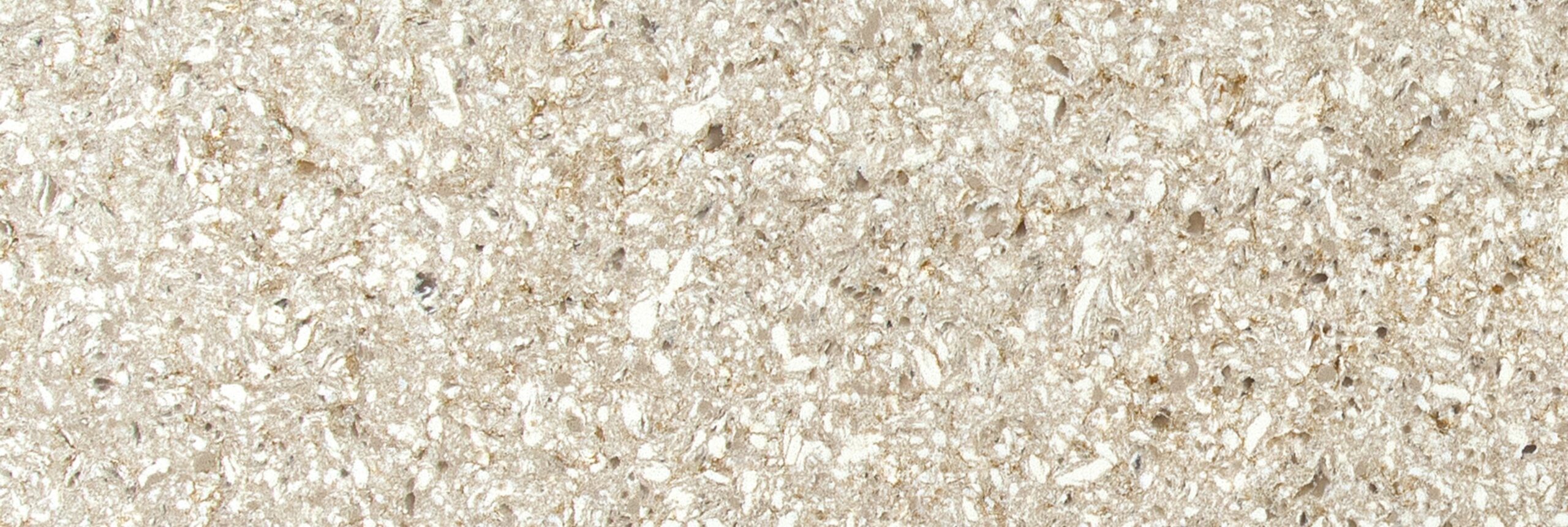
Quartz countertops are engineered surfaces made from 90-95% crushed natural stone and resin. This composition makes quartz non-porous, which means it resists staining and is easy to maintain. With a wide array of colors and patterns available, quartz can emulate the look of natural stone while providing enhanced durability.
1.2 Granite
Granite is a natural stone that is renowned for its durability and aesthetic appeal. It comes in a variety of colors and patterns, ensuring that no two pieces are alike. However, granite is porous, which requires sealing to prevent staining and moisture intrusion.
1.3 Quartzite
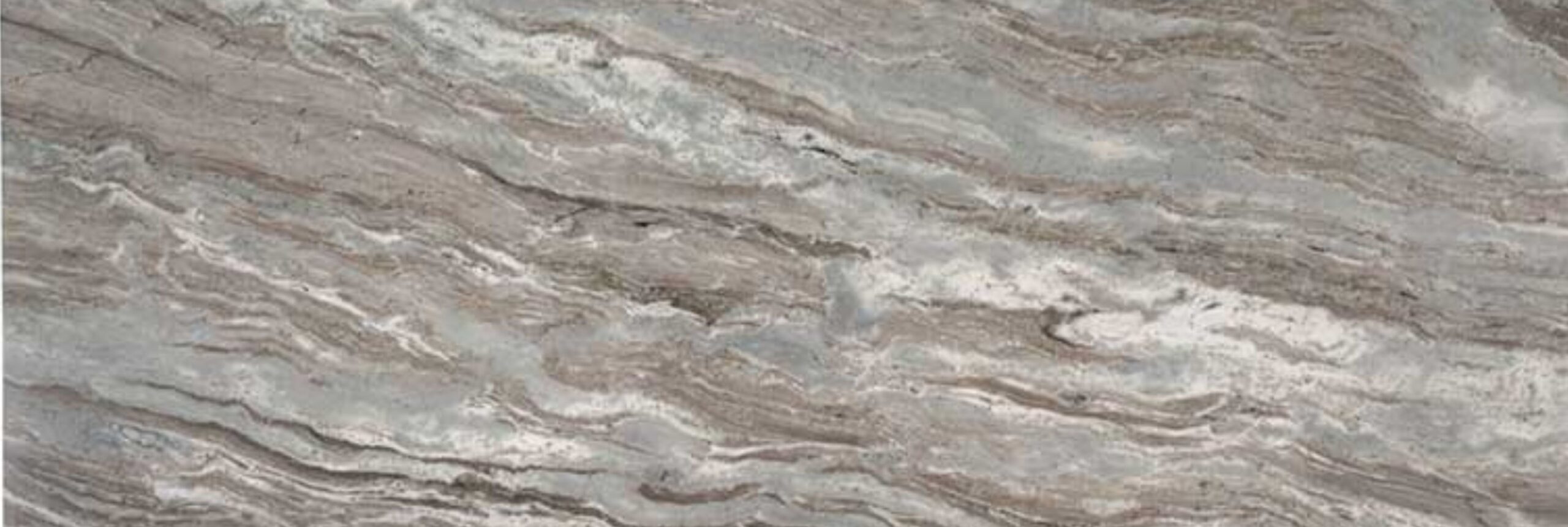
Quartzite is a metamorphic rock that is formed from sandstone and is known for its hardness and durability. It offers a similar appearance to marble but is much more resistant to scratching and staining. Like granite, quartzite needs to be sealed to maintain its beauty and integrity.
1.4 Marble
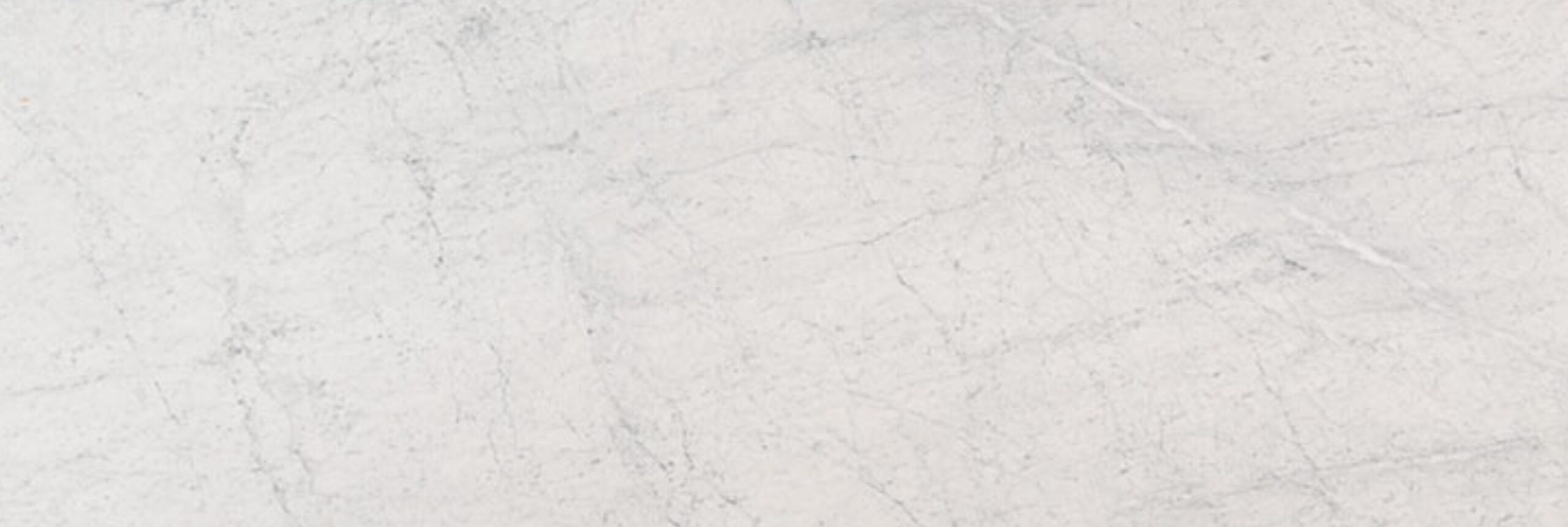
Marble is a classic choice that exudes elegance and sophistication. While it is softer than other stones and more prone to scratching and staining, its unique veining and color variations make it a sought-after material for luxury bathrooms.
2. Factors to Consider When Choosing Stone
Choosing the right stone surface involves considering several factors that influence both the aesthetics and functionality of your bathroom.
2.1 Aesthetic Appeal
Consider the overall design theme of your bathroom. Whether you prefer a modern look with sleek quartz or a classic ambiance with marble, the stone surface should complement your existing fixtures and color palette.
2.2 Durability
Bathrooms are high-moisture areas, so selecting a durable material is crucial. Quartz and quartzite are excellent choices for their resistance to water damage and staining, while granite can also perform well if properly maintained.
2.3 Maintenance Requirements
Different stones have varying maintenance needs. Quartz is low-maintenance due to its non-porous nature, while granite and marble require regular sealing. Consider how much time and effort you are willing to invest in upkeep.
2.4 Budget Considerations
While the cost of stone surfaces can vary widely, it's essential to balance quality with budget. Investing in premium materials can enhance your bathroom's long-term value. For more information on premium countertops, visit our quartz countertops page.
2.5 Installation Complexity
Some materials require more complex installation processes. Consulting with experienced installers can help you understand the requirements specific to the stone you choose. At Washington Granite, we offer professional installation services to ensure a seamless process.
3. Comparing Popular Stone Surfaces
To help you make an informed decision, we have created a comparison table outlining key characteristics of quartz, granite, quartzite, and marble.
| Material | Durability | Maintenance | Aesthetic Variety | Cost |
|---|---|---|---|---|
| Quartz | High | Low | Wide | Medium |
| Granite | Very High | Medium | Moderate | Medium |
| Quartzite | Very High | Medium | Wide | High |
| Marble | Medium | High | Wide | High |
This table provides a quick overview, allowing you to compare the materials side by side. Each stone has its unique strengths and weaknesses, so weigh these factors based on your specific needs.
4. Expert Tips for Selecting Stone Surfaces
To ensure that you make the best choice for your bathroom, consider the following expert tips:
4.1 Test for Porosity
Before making a final decision, conduct a simple water test on the stone samples. Drop a small amount of water on the surface and observe how quickly it absorbs. A slower absorption rate indicates better resistance to staining.
4.2 Consider the Finish
The finish of your stone surface can greatly impact its look and functionality. Polished finishes are more reflective and can enhance color, while honed finishes provide a more matte look and are less slippery — making them a safer option for bathroom flooring.
4.3 Seek Professional Guidance
Consult with local experts, like the team at Washington Granite, who understand the unique requirements of Pacific Northwest homeowners. They can guide you through the selection process, ensuring that you choose a surface that meets both your aesthetic desires and practical needs.
5. Maintenance and Care for Stone Surfaces
Proper maintenance is essential to keep your stone surfaces looking their best. Here are some care tips tailored to each stone type:
5.1 Quartz
Clean quartz surfaces with mild soap and water. Avoid harsh chemicals that can damage the resin. Regular cleaning will help maintain its shine and prevent staining.
5.2 Granite
Granite needs to be sealed every 1-2 years to protect against moisture and staining. Use a gentle cleaner specifically formulated for natural stone.
5.3 Quartzite
Like granite, quartzite should be sealed regularly. Clean with a pH-balanced cleaner and avoid acidic substances that can etch the surface.
5.4 Marble
Marble requires the most care. Seal it regularly and clean with a gentle, pH-neutral cleaner to avoid damage to its surface. Be cautious with acidic substances, as they can etch marble.
6. Frequently Asked Questions
What is the best stone for a bathroom with a shower and tub?
Quartz and quartzite are often recommended due to their durability and low maintenance. Granite is also a strong contender, while marble offers a luxurious look but requires more care.
How do I maintain my stone surfaces?
Maintenance varies by stone type. Generally, clean with mild soap and water, and use appropriate sealers for granite and quartzite.
Can I use marble in a bathroom?
Yes, marble can be used in bathrooms, but it requires more maintenance to avoid scratching and etching.
Is quartz better than granite for bathrooms?
Quartz is non-porous and easier to maintain, while granite is more heat resistant and offers a unique natural look. The choice depends on your priorities.
How often should I seal granite?
Granite should typically be sealed every 1-2 years, depending on usage and the specific product used.
What are the advantages of quartz surfaces?
Quartz surfaces are non-porous, resistant to scratches and stains, and come in a wide variety of colors and patterns.
Can I use granite for shower walls?
Yes, granite is an excellent choice for shower walls due to its durability and resistance to water damage.
How do I choose the right color for my stone surfaces?
Consider the overall color scheme of your bathroom and choose a stone that complements your fixtures and cabinetry.
Conclusion
Selecting the right stone surfaces for a bathroom with both a shower and tub is a crucial decision that impacts aesthetics, functionality, and maintenance. By understanding the unique characteristics of various stone materials, considering essential factors, and following expert tips, you can make a choice that enhances your bathroom's beauty and longevity. For personalized guidance, contact us or visit our Everett showroom to explore our wide range of options.

About Washington Granite
Premium granite, quartz, quartzite, and marble countertop specialists in Washington State. We help homeowners transform their kitchens and bathrooms with luxury stone surfaces.