Table of Contents
The Complete Guide to Integrating Quartz Countertops with Built-In Appliances
When it comes to kitchen design, quartz countertops are a popular choice for homeowners looking to blend style and functionality. Integrating these premium surfaces with built-in appliances not only enhances the aesthetic appeal of your kitchen but also maximizes space and efficiency. In this comprehensive guide, we will explore how to effectively integrate quartz countertops with built-in appliances, ensuring a seamless look while maintaining practicality. From selecting the right quartz materials to understanding installation processes and design tips, this guide is your ultimate resource for creating a stunning kitchen. Whether you’re renovating your current space or designing a new kitchen from scratch, you’ll find valuable insights and expert advice tailored to homeowners in the Greater Seattle area.
Understanding Quartz Countertops
Quartz countertops are engineered stone surfaces made from a blend of natural quartz crystals, resin, and pigments. Unlike natural stones such as granite or marble, quartz offers a non-porous surface that is resistant to stains, scratches, and bacteria, making it an ideal choice for kitchen applications. According to a study by the National Kitchen & Bath Association, quartz countertops have gained immense popularity among homeowners, accounting for nearly 40% of countertop sales in recent years.
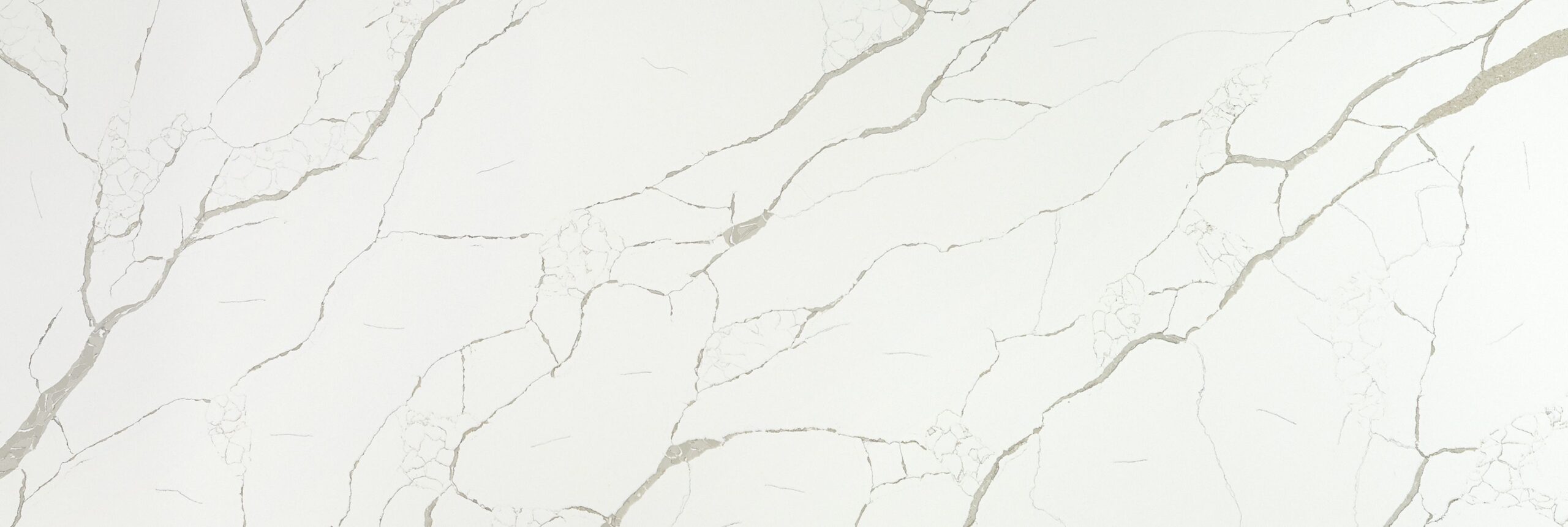
One of the key benefits of quartz countertops is their versatility in design. Available in a myriad of colors and patterns, quartz can complement various kitchen styles, from modern to traditional. Moreover, the uniformity of quartz slabs allows for seamless integration with built-in appliances, ensuring that your kitchen not only looks good but functions efficiently.
Choosing the Right Quartz for Your Space
When selecting quartz countertops for your kitchen, consider the following factors:
- Color and Pattern: Choose a color that harmonizes with your cabinetry and appliances. Popular options include classic whites, grays, and bold colors that can serve as a statement piece.
- Finish: Quartz countertops come in various finishes, including polished, honed, and textured. Polished finishes reflect light and add elegance, while honed finishes provide a more matte look.
- Thickness: Quartz countertops typically come in thicknesses of 2 cm and 3 cm. Thicker slabs offer more durability and a more substantial appearance.
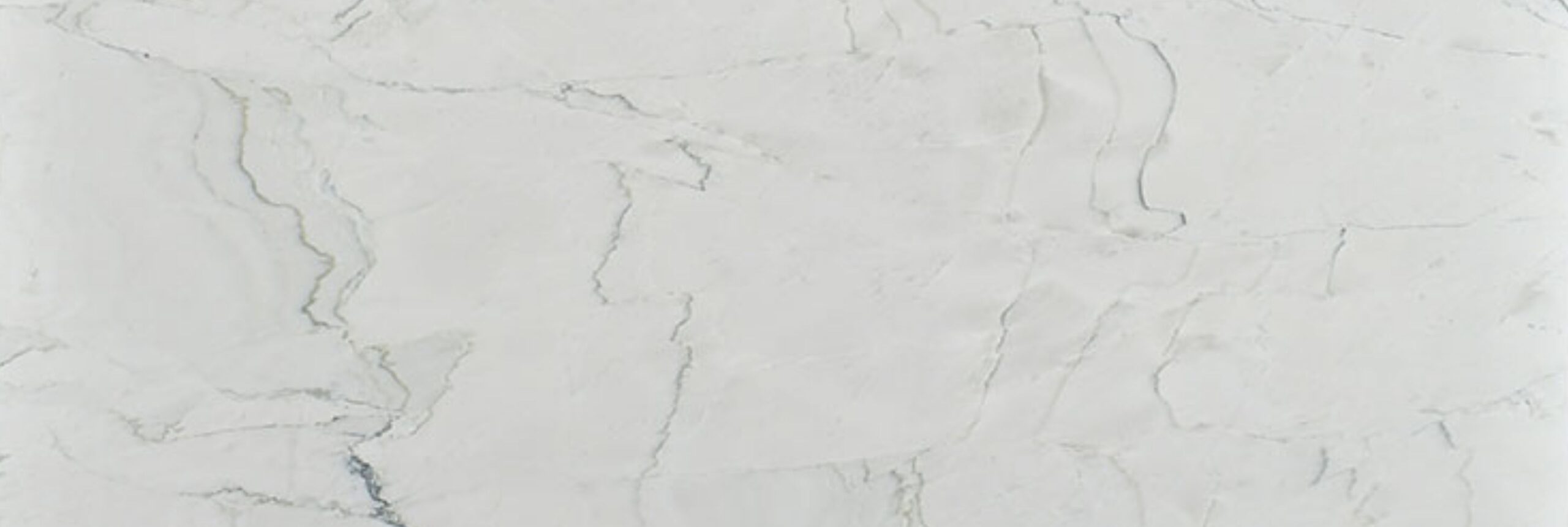
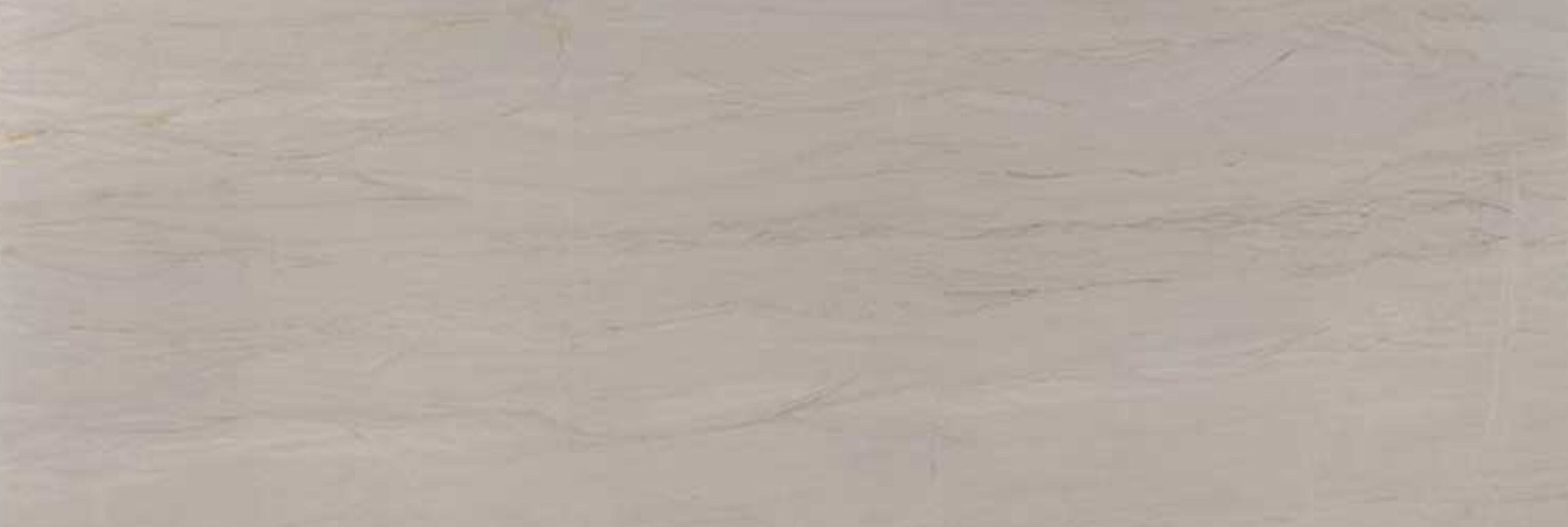
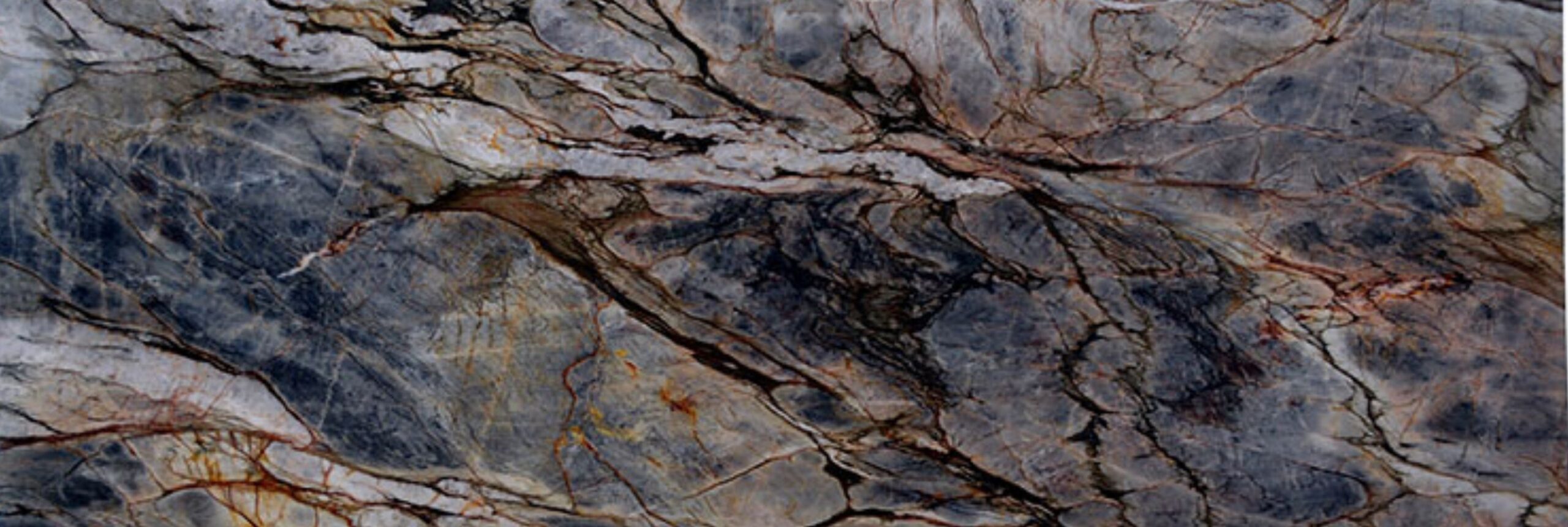
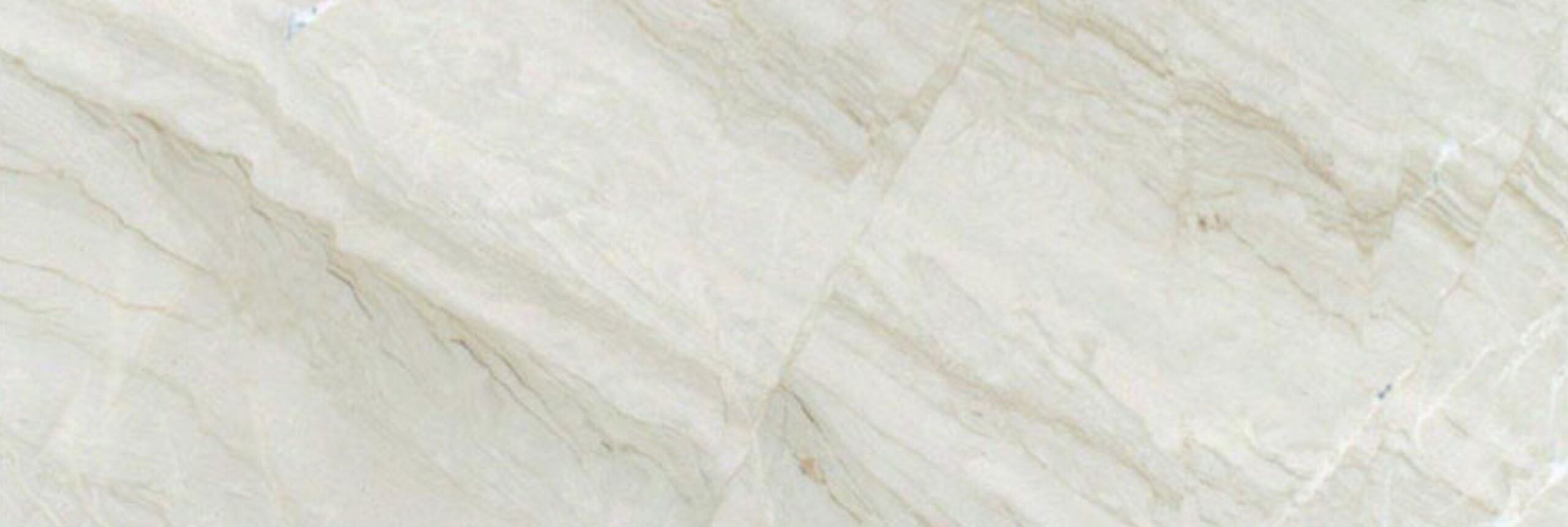
For a closer look at specific quartz options, explore our collection of premium quartz countertops.
Planning Your Kitchen Layout
Effective kitchen design begins with a well-thought-out layout. Consider the work triangle concept, which emphasizes the relationship between the sink, stove, and refrigerator. A well-planned layout not only enhances workflow but also ensures that built-in appliances integrate seamlessly with your quartz countertops.
Key Layout Considerations:
- Work Triangle: Ensure that the distance between the sink, stove, and refrigerator is efficient for cooking and cleaning.
- Counter Space: Provide ample counter space next to built-in appliances for food preparation and serving.
- Accessibility: Ensure that built-in appliances are easily accessible without obstructing traffic flow in the kitchen.
Integrating Built-In Appliances
Integrating built-in appliances with quartz countertops can create a seamless and modern look in your kitchen. Here are some tips for successful integration:
1. Measure Accurately
Before installation, measure the dimensions of both the countertops and the built-in appliances. This ensures that appliances fit snugly and minimizes gaps.
2. Choose the Right Edge Profile
The edge profile of your quartz countertops can significantly impact the overall aesthetic. Popular edge profiles for integrated designs include:
| Edge Profile | Description |
|---|---|
| Beveled | A subtle angle that adds sophistication. |
| Radius | A rounded edge for a softer look. |
| Ogee | A decorative edge that provides elegance. |
3. Optimize Seam Placement
When installing quartz countertops, consider the placement of seams. Strategically positioning seams away from high-visibility areas can enhance the overall appearance.
4. Coordinate Colors and Finishes
Ensure that the colors and finishes of your built-in appliances complement your quartz countertops for a cohesive look.
Installation Process
The installation process for quartz countertops should always be handled by professionals to ensure precision and quality. Here’s a general overview of the steps involved:
- Consultation: Schedule a consultation with a local countertop fabricator to discuss your design preferences and needs.
- Measurement: Professionals will take precise measurements of your kitchen space.
- Fabrication: The selected quartz slabs are cut and finished according to your specifications.
- Installation: The fabricated countertops are installed, ensuring that they align perfectly with built-in appliances.
- Sealing (if necessary): While quartz is non-porous, some finishes may require sealing for added protection.
At Washington Granite, our experienced installers ensure that your quartz countertops are fabricated and installed with precision, offering a lifetime craftsmanship commitment.
Maintenance Tips for Quartz Countertops
Maintaining your quartz countertops is essential for preserving their beauty and longevity. Here are some expert tips:
- Clean Regularly: Use a soft cloth and mild soap for daily cleaning. Avoid harsh chemicals that can damage the surface.
- Avoid Heat Damage: Use trivets or hot pads under hot cookware to prevent damage.
- Prevent Scratches: Use cutting boards when preparing food to avoid scratching the surface.
Frequently Asked Questions
1. Can quartz countertops be repaired if damaged?
Yes, quartz countertops can often be repaired by professionals using resin fillers that match the countertop color.
2. Are quartz countertops resistant to stains?
Yes, quartz countertops are non-porous, making them resistant to stains from food and beverages.
3. How do I clean my quartz countertops?
Use warm water and mild soap with a soft cloth for regular cleaning.
4. Can I install quartz countertops myself?
It is recommended to hire professionals for installation to ensure proper fitting and alignment.
5. What is the lifespan of quartz countertops?
With proper care, quartz countertops can last for many years, often exceeding 15-20 years.
6. Are quartz countertops environmentally friendly?
Many quartz countertops are made from sustainable materials and are recyclable, making them a more eco-friendly choice.
7. Do quartz countertops require sealing?
No, quartz countertops are non-porous and do not require sealing like natural stone.
8. How can I choose the right color for my quartz countertops?
Consider the overall color scheme of your kitchen and choose a quartz color that complements your cabinetry and appliances.
Conclusion
Integrating quartz countertops with built-in appliances can transform your kitchen into a functional and stylish space. By understanding the characteristics of quartz, selecting the right materials, and following best practices for installation and maintenance, you can create a kitchen that enhances both your daily living and your home’s value. For personalized guidance and to explore our selection of premium quartz countertops, contact Washington Granite today or visit our Everett showroom.

About Washington Granite
Premium granite, quartz, quartzite, and marble countertop specialists in Washington State. We help homeowners transform their kitchens and bathrooms with luxury stone surfaces.