Table of Contents
The Ultimate Guide to Designing a Kitchen with an Integrated Dining Counter
Designing a kitchen with an integrated dining counter is a brilliant way to enhance the functionality and aesthetics of your space. As more homeowners seek to create open-concept living areas that blend cooking, dining, and socializing, the integrated dining counter has become a popular choice. In this guide, we will explore everything you need to know about designing a kitchen with an integrated dining counter, including layout ideas, material choices, and expert tips to maximize your investment. By the end of this article, you will have a comprehensive understanding of how to create a beautiful and functional kitchen that meets your needs.
Understanding Integrated Dining Counters
An integrated dining counter, also known as a breakfast bar or kitchen island, is a versatile feature that combines cooking and dining spaces. Typically, it extends from the main countertop or kitchen island, providing an informal eating area. Homeowners appreciate the integrated dining counter for its ability to create a welcoming environment for family and friends, making it an essential element in modern kitchen design.
Advantages of Integrated Dining Counters
There are numerous benefits to incorporating an integrated dining counter into your kitchen design:
- Space Efficiency: Integrated dining counters maximize available space, making them ideal for smaller kitchens.
- Social Interaction: They encourage conversation and interaction while cooking, creating a more engaging atmosphere.
- Versatility: These counters can serve multiple purposes, from casual dining to homework stations.
- Enhanced Style: A well-designed counter can elevate the overall aesthetic of your kitchen, adding a touch of elegance.
Design Considerations
When designing your kitchen with an integrated dining counter, consider the following factors:
1. Size and Scale
The size of your integrated dining counter should be proportionate to your kitchen. A large counter in a small kitchen can overwhelm the space, whereas a small counter in a spacious kitchen may feel insignificant. Measure your available space and determine the optimal dimensions for your counter.
2. Height
Standard countertop height is typically 36 inches, while dining counters are often slightly higher, around 42 inches. Consider the height of your counter in relation to the seating you plan to use, ensuring comfort for your guests.
3. Seating Arrangements
Choose seating that complements your integrated dining counter. Bar stools or high-top chairs work well for taller counters, while standard dining chairs are suitable for lower counters. Ensure that there is enough space for guests to move comfortably around the counter.
4. Traffic Flow
Design your kitchen layout to allow for easy movement around the integrated dining counter. Ensure that there is sufficient space between the counter and other kitchen elements, such as appliances and cabinets, to prevent congestion.
5. Lighting
Proper lighting is crucial for enhancing the functionality and ambiance of your integrated dining counter. Consider pendant lights or under-cabinet lighting to create a warm and inviting atmosphere.
Choosing the Right Materials
The materials you select for your integrated dining counter will impact both its appearance and durability. Here are some popular options:
| Material | Pros | Cons |
|---|---|---|
| Quartz | Durable, low maintenance, wide variety of colors | Can be more expensive than other options |
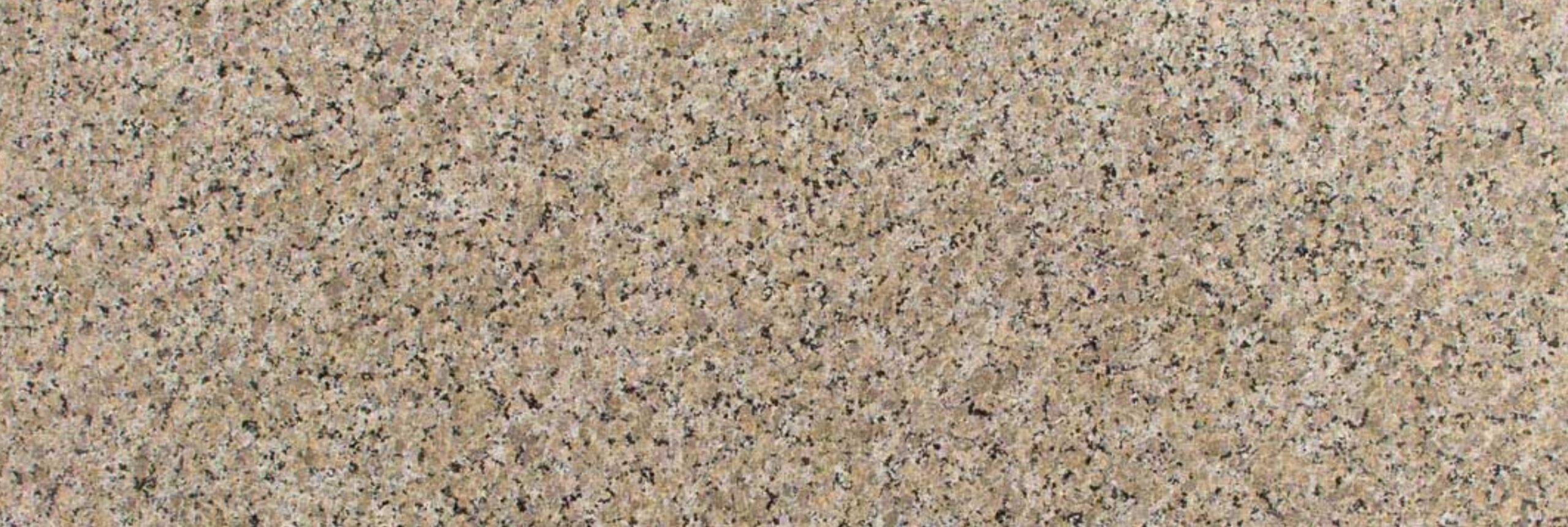
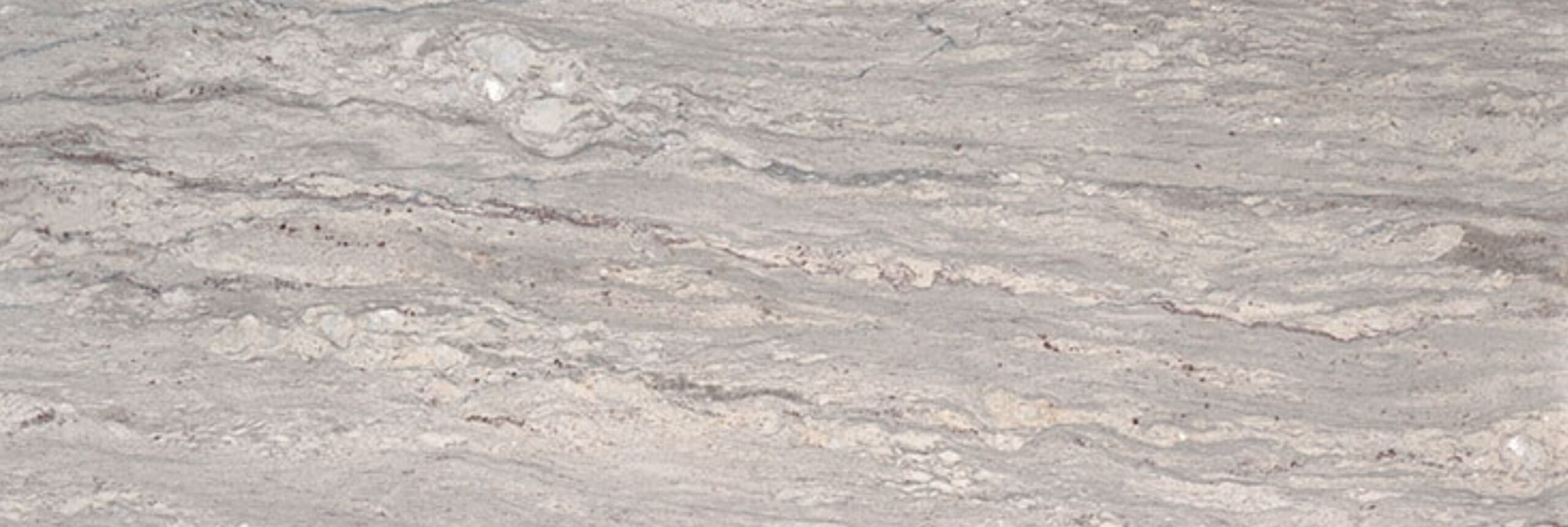
| Granite | Natural beauty, heat resistant | Requires periodic sealing, can be heavy |
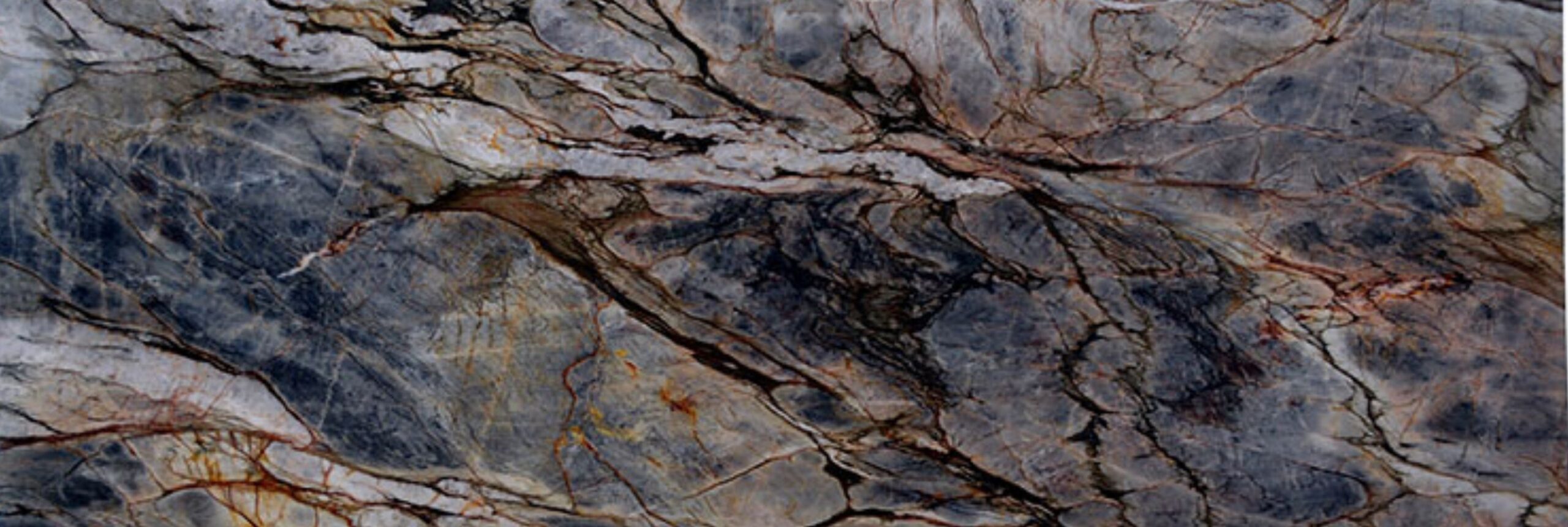
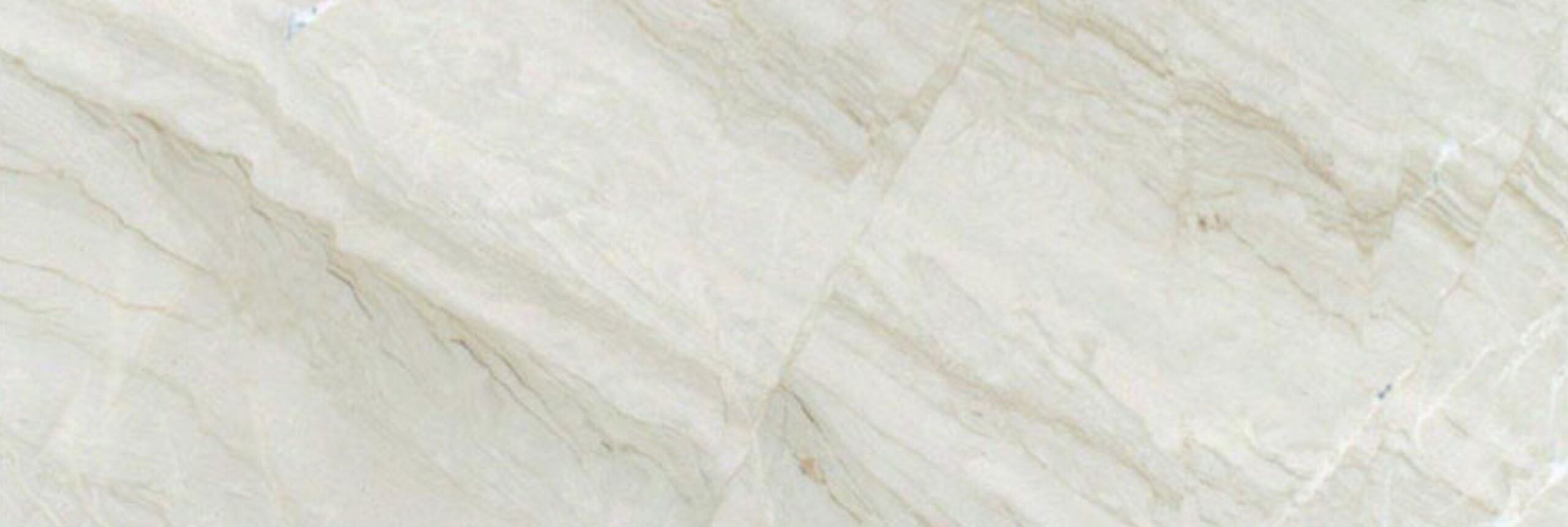
| Marble | Elegant appearance, unique veining | More susceptible to scratching and staining |
| Wood | Warm and inviting, can be refinished | Requires regular maintenance, can be damaged by water |
| Laminate | Cost-effective, available in many designs | Less durable, can be damaged by heat |
For more details on specific materials, explore our quartz countertops, granite countertops, and marble countertops.
Layout Ideas for Your Kitchen
Here are some layout ideas to inspire your integrated dining counter design:
1. U-Shaped Kitchen
This layout allows for a seamless flow between the cooking and dining areas. An integrated dining counter can extend from one of the sides, providing a cozy spot for meals.
2. L-Shaped Kitchen
In an L-shaped kitchen, the integrated dining counter can serve as a natural divider between the cooking and dining spaces while still maintaining an open feel.
3. Galley Kitchen
For galley kitchens, a narrow integrated dining counter can be added to one side, maximizing space while providing a functional dining area.
4. Open-Concept Layout
In open-concept homes, the integrated dining counter can be a focal point, connecting the kitchen to the living or dining area. This approach enhances social interaction and creates a cohesive design.
Expert Tips for Successful Integration
Here are additional expert tips:
- Choose finishes that complement your kitchen’s overall design theme.
- Incorporate decorative elements, such as plants or artwork, to personalize your space.
- Consider the flow of natural light and how it affects your dining area.
- Utilize multi-functional furniture, such as benches with storage, to maximize space.
Maintenance and Care
To keep your integrated dining counter looking its best, regular maintenance is essential. Here are some tips:
- For quartz and granite, clean with a mild soap solution and avoid harsh chemicals.
- For wood surfaces, use a wood conditioner periodically to maintain its appearance.
- Seal natural stone surfaces as recommended to prevent staining.
Frequently Asked Questions
1. What is an integrated dining counter?
An integrated dining counter is a feature in a kitchen that combines cooking and dining spaces, often extending from the main countertop or island.
2. What are the benefits of having an integrated dining counter?
Benefits include maximizing space, enhancing social interaction, and providing versatility for various activities.
3. How do I choose the right height for my dining counter?
Standard countertop height is 36 inches, while dining counters are often 42 inches. Consider the seating you plan to use when choosing height.
4. What materials are best for integrated dining counters?
Popular materials include quartz, granite, marble, wood, and laminate, each offering unique benefits and aesthetics.
5. How do I maintain my integrated dining counter?
Regular maintenance includes cleaning with appropriate solutions, sealing natural stone surfaces, and conditioning wood surfaces.
6. Can I incorporate storage into my integrated dining counter?
Yes, incorporating shelves or cabinetry can enhance functionality and provide additional storage space.
7. What layout works best for an integrated dining counter?
Layouts such as U-shaped, L-shaped, galley, or open-concept kitchens are ideal for integrating dining counters.
8. How can I enhance the ambiance of my dining counter area?
Proper lighting, decorative elements, and a cohesive design theme can enhance the ambiance of your integrated dining counter.
9. Is it possible to customize my integrated dining counter?
Absolutely! Customization options for height, materials, and design elements are available to suit your personal style and needs.
10. What seating options are best for an integrated dining counter?
Bar stools, high-top chairs, and standard dining chairs are common seating options, depending on the counter height.
11. How do I ensure traffic flow around my integrated dining counter?
Design your kitchen layout with sufficient space around the counter to allow for easy movement and access to other kitchen elements.
12. Where can I find inspiration for my integrated dining counter design?
Explore our inspiration gallery for design ideas and tips.
Conclusion
Designing a kitchen with an integrated dining counter not only enhances functionality but also creates a warm and inviting atmosphere for family and friends. By considering factors such as size, height, materials, and layout, you can create a space that perfectly suits your lifestyle. With the right design and maintenance, your integrated dining counter will be a valuable addition to your home for years to come. For personalized guidance on selecting the perfect materials and designs for your kitchen, contact us today or visit our Everett showroom to explore your options.

About Washington Granite
Premium granite, quartz, quartzite, and marble countertop specialists in Washington State. We help homeowners transform their kitchens and bathrooms with luxury stone surfaces.