Table of Contents
Ultimate Guide to Planning a Kitchen Transformation with Countertops
Transforming your kitchen can significantly enhance not only your culinary experience but also the overall value of your home. One of the most impactful elements in this transformation is the choice of countertops. Quartz countertops, granite countertops, quartzite countertops, and marble countertops each offer unique aesthetics and functionalities that can set the tone for your entire kitchen design. In this comprehensive guide, we will explore how to plan a complete kitchen transformation starting with your countertop, ensuring you make informed decisions that reflect both your style and practicality.
Understanding Countertop Materials
The first step in your kitchen transformation is understanding the various countertop materials available. Each type of countertop offers different benefits, aesthetics, and price points, making it essential to choose the right one for your needs.
Quartz Countertops
Quartz countertops are engineered stone surfaces that combine natural quartz crystals with resins. Known for their durability and low maintenance, quartz countertops are resistant to stains and scratches, making them ideal for busy kitchens. They come in a wide range of colors and patterns, allowing homeowners to achieve the desired look.
Granite Countertops
Granite countertops are a popular choice for their natural beauty and durability. Each slab is unique, showcasing the stone's natural variations. Granite is heat-resistant and can withstand heavy use, but it requires periodic sealing to prevent staining.
Quartzite Countertops
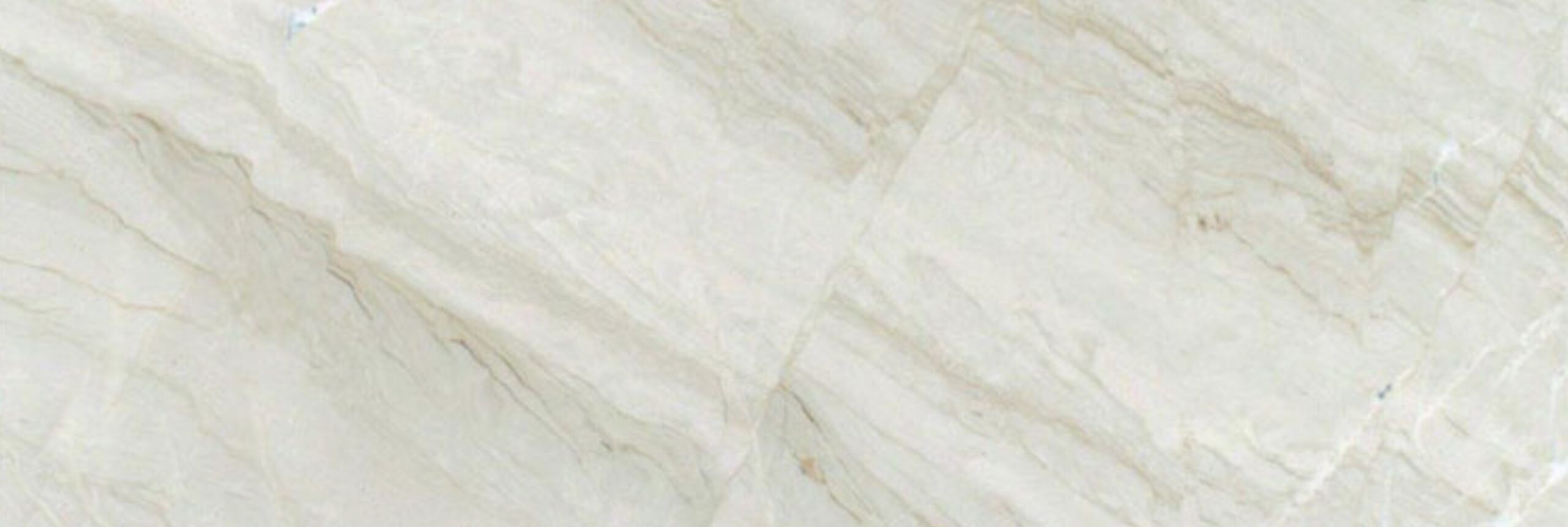
Quartzite is a natural stone that offers the elegance of marble with the durability of granite. It is highly resistant to scratches and heat, making it a practical choice for kitchen surfaces. Its unique patterns and colors can elevate any kitchen design.
Marble Countertops
Marble countertops are synonymous with luxury. The veining and natural patterns of marble create a stunning visual appeal. However, marble is more porous and susceptible to staining and scratching, requiring diligent care and maintenance.
| Countertop Material | Durability | Maintenance | Cost |
|---|---|---|---|
| Quartz | High | Low | Moderate |
| Granite | High | Moderate | Moderate |
| Quartzite | High | Low | Higher |
| Marble | Moderate | High | Higher |
Understanding these materials is crucial for making an informed choice that aligns with your kitchen transformation goals. For more detailed information on quartz countertops, visit our quartz countertops page.
Assessing Your Kitchen Needs
Before diving into the design aspects, it’s essential to assess your kitchen's current layout and functionality. Consider the following factors:
- Usage: How often do you cook? Do you entertain guests? Understanding how you use your kitchen will help inform your design choices.
- Space: Evaluate the size of your kitchen. A small kitchen may benefit from lighter colors to create an illusion of space, while a larger kitchen can accommodate bolder designs.
- Style: What is your design aesthetic? Modern, traditional, or farmhouse? Your countertop should complement the overall style of your kitchen.
Additionally, think about the features you wish to incorporate. Would you like an island, a breakfast bar, or additional storage? These considerations will guide your countertop selection and overall design.
Design Inspiration and Trends
Staying updated with the latest design trends can inspire your kitchen transformation. Here are a few trends to consider:
Bold Colors and Patterns
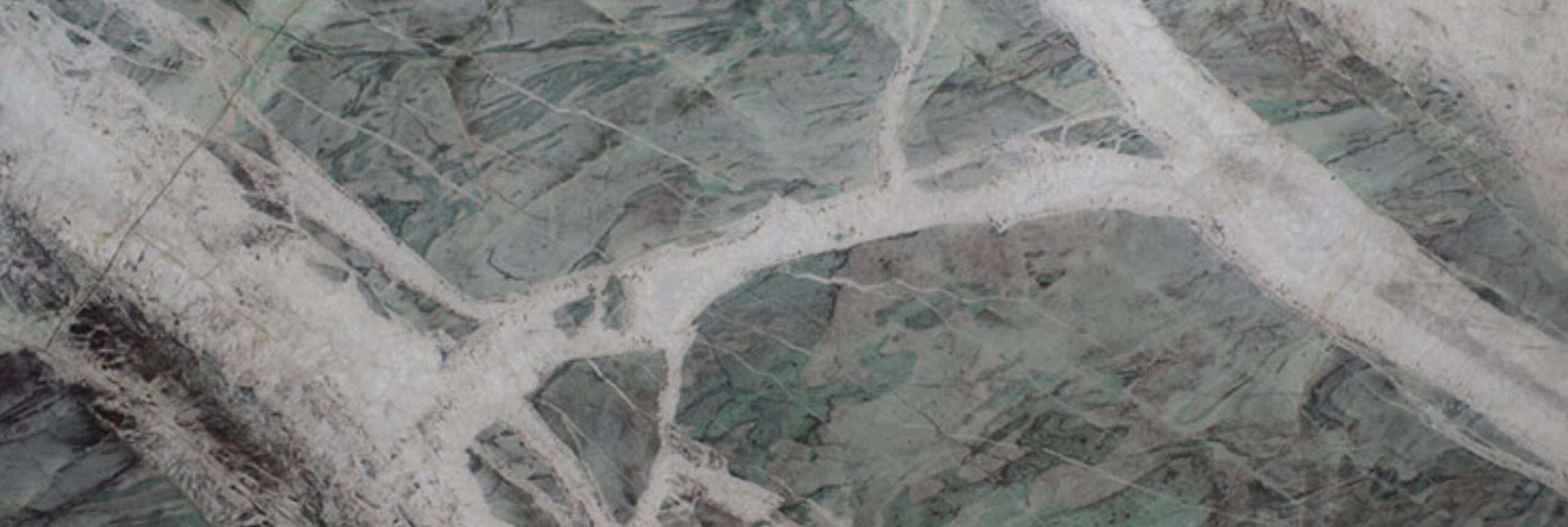
Incorporating bold colors or unique patterns can make your kitchen stand out. Deep blues, emerald greens, and striking patterns can serve as focal points.
Mixed Materials
Combining different materials, such as pairing quartz countertops with wooden cabinetry, can create a dynamic look. This trend adds texture and visual interest to your kitchen.
Sustainable Choices
Eco-friendly materials are becoming increasingly popular. Consider sustainable options like recycled glass countertops or responsibly sourced natural stones.
For a deeper dive into design inspiration, check out our inspiration page.
The Countertop Selection Process
Once you have a clear understanding of your needs and design preferences, it's time to select your countertop. Follow these steps for a smooth selection process:
1. Research and Gather Samples
Visit local showrooms, like Washington Granite, to explore various countertop materials. Collect samples to see how they look in your kitchen's lighting and against your cabinetry.
2. Consult with Experts
Engaging with countertop experts can provide valuable insights into the pros and cons of different materials. At Washington Granite, we offer personalized consultations to help you make informed decisions. Request a free consultation today.
3. Consider Edge Profiles and Finishes
The edge profile of your countertop can significantly impact its appearance. Popular options include beveled, bullnose, and mitred edges. Additionally, consider the finish—polished, honed, or leathered—to achieve your desired look.
4. Optimize Seam Placement
When selecting your countertop, consider seam placement. A well-placed seam can enhance the visual appeal of your countertop, while poor placement can be distracting. Work with your fabricator to determine the best options.
Installation Process and Timeline
Once you have chosen your countertop, the next step is installation. Here’s what to expect:
1. Preparation
Before installation, ensure your kitchen is ready. Clear countertops and remove any existing surfaces. Your installer will need access to the area.
2. Fabrication
Your countertop will be fabricated based on the measurements taken during your consultation. This process typically takes 1-2 weeks, depending on the complexity of the project.
3. Installation Day
On installation day, your fabricator will arrive with your countertop. They will carefully place and secure it, ensuring a perfect fit. This process usually takes a few hours.
4. Post-Installation Care
After installation, your countertop will require some care. For quartz and granite, sealing may be necessary to protect against stains. Follow the manufacturer's guidelines for maintenance.
Maintenance and Care

About Washington Granite
Premium granite, quartz, quartzite, and marble countertop specialists in Washington State. We help homeowners transform their kitchens and bathrooms with luxury stone surfaces.