Table of Contents
The Complete Guide to Countertop Surfaces for Homes on Well Water in Washington State
Choosing the right countertop surface for your home is crucial, especially if you're on well water. In Washington State, where many homeowners rely on well water, understanding how different countertop materials react to water quality is essential. In this comprehensive guide, we will explore the best countertop surfaces suited for homes on well water, covering everything from durability to maintenance. By the end of this article, you will be equipped with the knowledge to make an informed decision that enhances both the functionality and aesthetic appeal of your kitchen or bathroom.
Understanding Well Water
Well water is sourced from underground aquifers and can vary significantly in quality based on its mineral content, pH levels, and the presence of contaminants. In Washington State, well water is often rich in minerals, which can lead to hard water problems, scaling, and staining on various surfaces, including countertops. Understanding these characteristics is essential when selecting materials that can withstand the unique challenges posed by well water.
According to the U.S. Environmental Protection Agency, well water should be tested regularly for contaminants such as bacteria, nitrates, and heavy metals. This testing ensures that your water is safe for consumption and helps you understand the specific qualities of your water that may affect your countertops.
Overview of Countertop Materials
When it comes to countertops, there are several materials to choose from, each with its own set of properties, advantages, and disadvantages. Here’s a brief overview of the most common countertop materials:
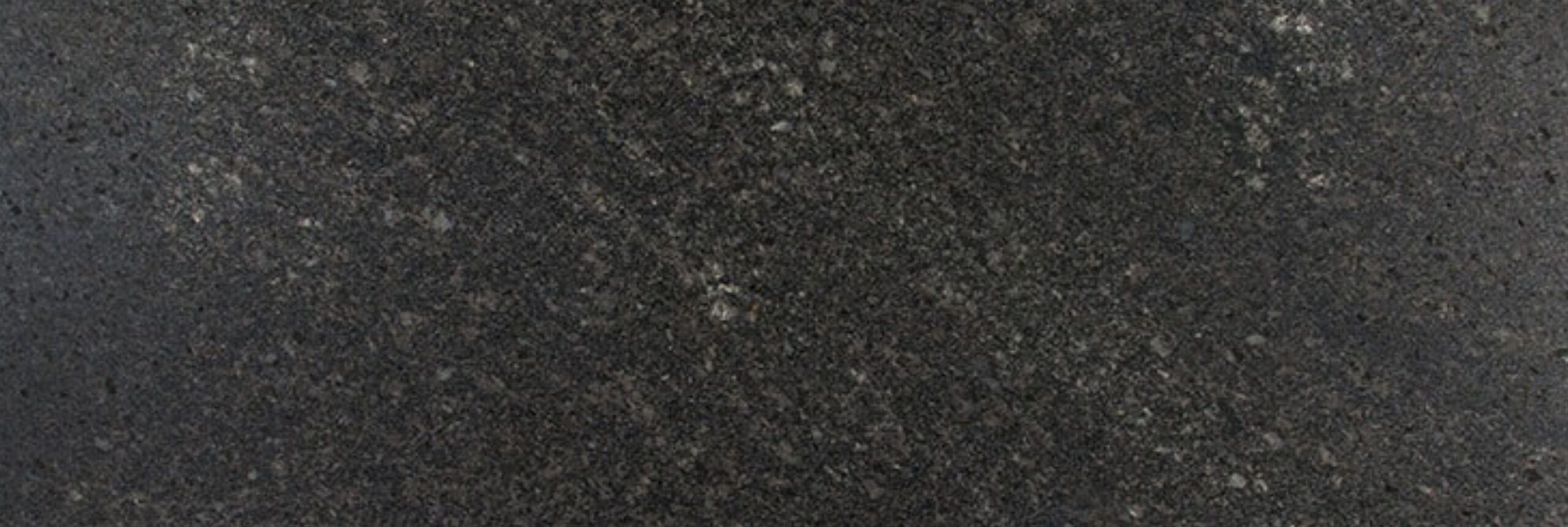
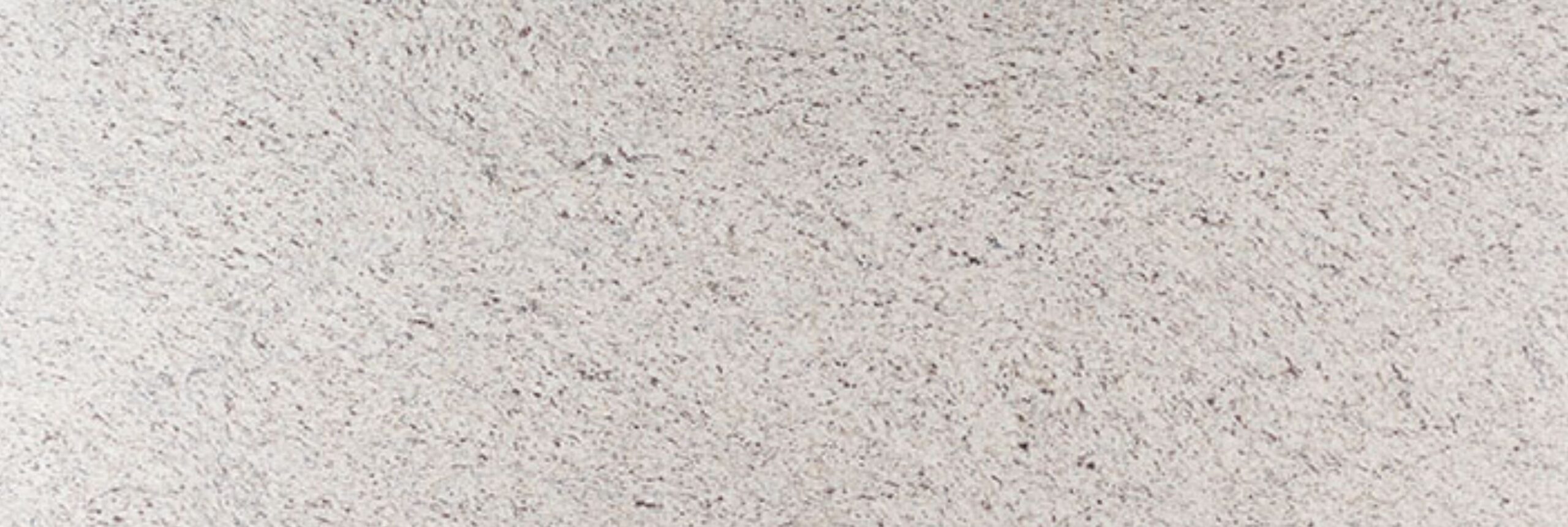
- Granite: A natural stone that is highly durable and resistant to heat and scratching. It is available in a wide variety of colors and patterns but requires periodic sealing to prevent staining.
- Quartz: Engineered stone made from 90-95% crushed natural quartz crystals. It is non-porous, making it resistant to stains and bacteria. However, it may not be as heat-resistant as granite.
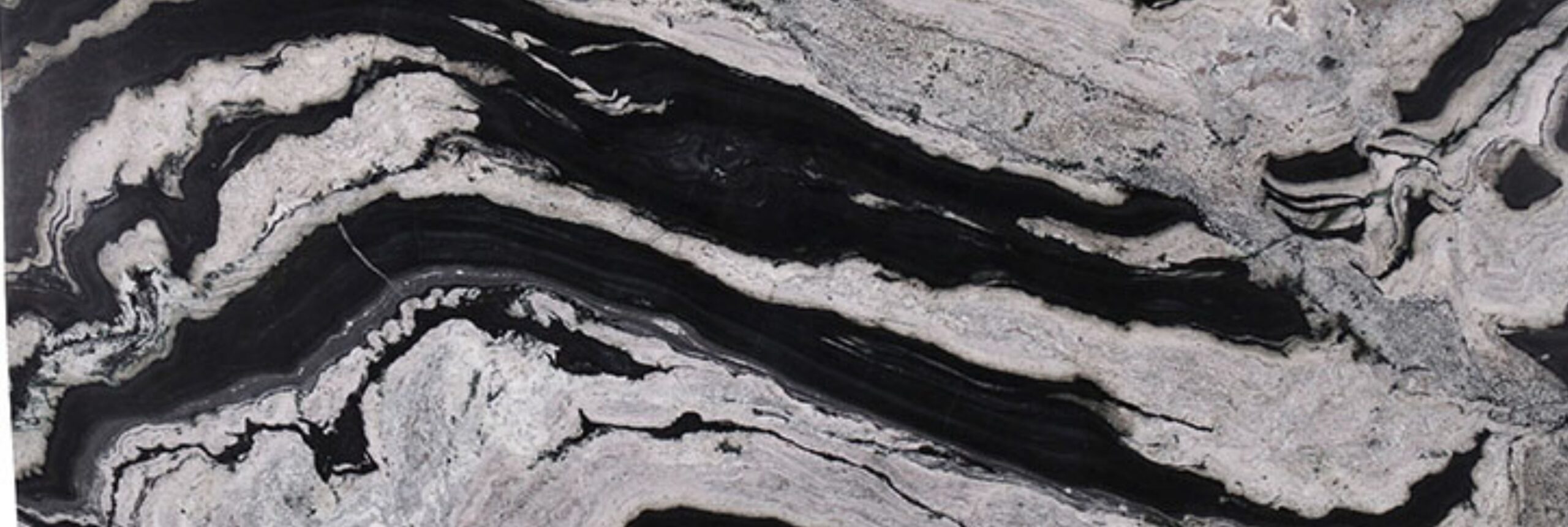
- Marble: Known for its elegant appearance, marble is softer and more porous than granite and quartz, making it more susceptible to scratches and stains. Regular sealing is necessary.
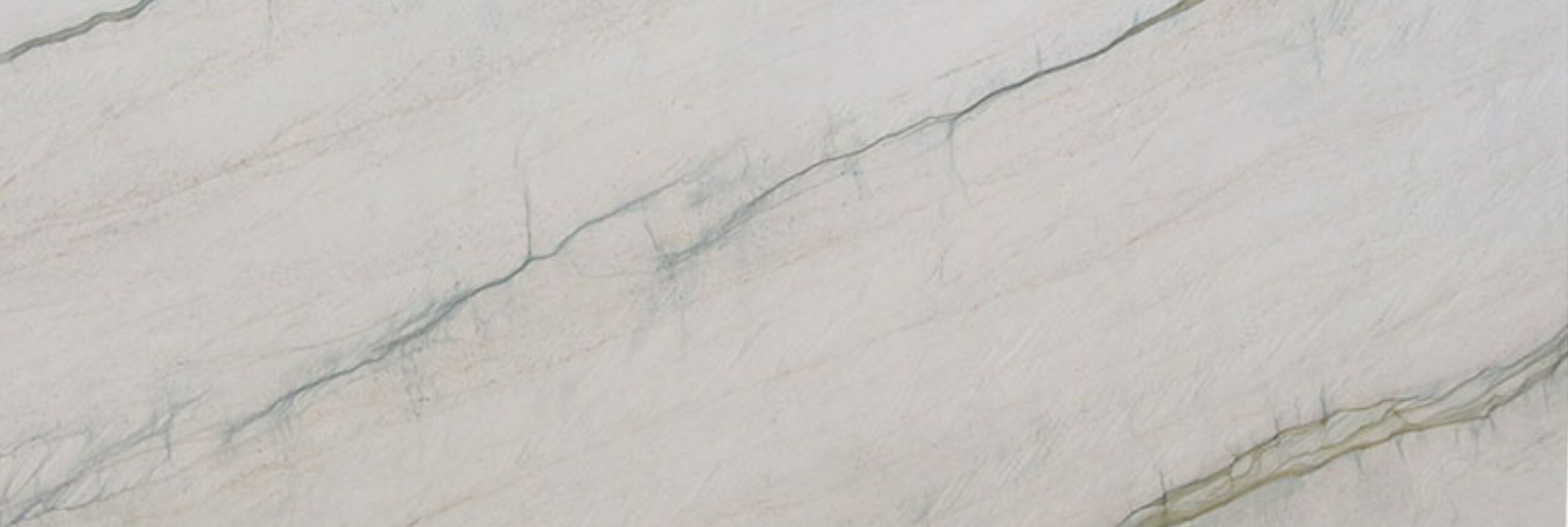
- Quartzite: A natural stone that offers the look of marble with the durability of granite. It is heat and scratch-resistant but can be more expensive.
- Laminate: A budget-friendly option that mimics the look of stone or wood. While it is resistant to stains, it can be easily damaged by heat and moisture.
Best Countertops for Homes on Well Water
When selecting countertops for homes on well water, consider how each material reacts to hard water and mineral deposits. Here are our top recommendations:
1. Quartz Countertops
Quartz countertops are an excellent choice for homes on well water. Their non-porous surface resists staining and is easy to clean, making them ideal for areas prone to mineral buildup. Additionally, quartz is available in various designs, allowing homeowners to achieve the aesthetic they desire while benefiting from durability.
2. Granite Countertops
Granite is another strong contender, known for its durability and natural beauty. While it requires sealing to maintain its resistance to stains, granite can withstand the effects of hard water better than softer stones like marble. Opt for darker colors that are less likely to show stains from mineral deposits.
3. Quartzite Countertops
For those who appreciate the look of marble but need the durability of granite, quartzite is an excellent option. It is highly resistant to scratches and heat, making it a practical choice for kitchens and bathrooms. Like granite, quartzite requires sealing to protect against stains.
4. Solid Surface Countertops
Solid surface materials, such as Corian, are non-porous and resistant to stains, making them a practical choice for homes on well water. They are also easy to repair if scratched or damaged. However, they may not be as heat-resistant as stone options.
5. Laminate Countertops
For budget-conscious homeowners, laminate countertops can be a viable option. While they are not as durable as stone, modern laminate designs can imitate the look of natural materials. They are resistant to stains but can be damaged by heat and moisture, so caution is necessary.
Comparison Table of Countertop Materials
| Material | Durability | Stain Resistance | Maintenance | Cost |
|---|---|---|---|---|
| Quartz | High | Excellent | Low | Medium |
| Granite | High | Good (requires sealing) | Medium | Medium |
| Quartzite | Very High | Good (requires sealing) | Medium | High |
| Marble | Medium | Poor (requires sealing) | High | High |
| Laminate | Low | Good | Low | Low |
Maintenance Tips for Countertops on Well Water
To extend the life of your countertops, especially in homes with well water, follow these maintenance tips:
- Regular Cleaning: Use a mild detergent and warm water to clean your countertops regularly. Avoid abrasive cleaners that can damage the surface.
- Seal Stone Surfaces: For granite and quartzite, ensure that you seal the surface at least once a year to maintain stain resistance. The frequency may vary based on usage and water quality.
- Use Coasters and Cutting Boards: Protect your countertops by using coasters for drinks and cutting boards for food preparation. This will help prevent scratches and stains.
- Address Hard Water Stains Promptly: If you notice hard water stains, clean them immediately with a mixture of vinegar and water, or a specialized cleaner designed for your specific countertop material.
Conclusion
Choosing the right countertop surface for homes on well water in Washington State requires careful consideration of material properties and maintenance needs. Quartz, granite, and quartzite are excellent options due to their durability and resistance to staining. By understanding the characteristics of your well water and how they interact with different materials, you can select a countertop that not only enhances your home’s aesthetic appeal but also withstands the unique challenges of well water.
For personalized guidance on selecting the perfect countertop for your home, call +1 425-545-8006 or visit our Everett showroom to explore our premium quartz and granite options.
Frequently Asked Questions
What is the best countertop material for homes on well water?
Quartz and granite are often recommended for homes on well water due to their durability and resistance to staining.
How often should I seal my granite countertops?
Granite countertops should be sealed at least once a year, but the frequency may vary based on usage and water quality.
Can hard water damage my countertops?
Yes, hard water can lead to mineral buildup, stains, and scaling on countertops. Regular maintenance can help mitigate these effects.
Are quartz countertops resistant to stains?
Yes, quartz countertops are non-porous and highly resistant to stains, making them an excellent choice for homes on well water.
What should I do if I notice hard water stains on my countertops?
Clean hard water stains promptly with a mixture of vinegar and water or a specialized cleaner for your countertop material.
Is marble a good choice for kitchens?
While marble is beautiful, it is more porous and prone to staining than other materials, making it less ideal for high-use areas like kitchens.
How can I extend the life of my countertops?
Regular cleaning, sealing stone surfaces, and using coasters and cutting boards can help extend the life of your countertops.
Where can I find premium countertops in Washington State?
You can find premium countertops at Washington Granite's showroom in Everett, WA. Contact us for more information.

About Washington Granite
Premium granite, quartz, quartzite, and marble countertop specialists in Washington State. We help homeowners transform their kitchens and bathrooms with luxury stone surfaces.