Table of Contents
The Ultimate Homeowner's Guide to Quartz Countertop Hygiene and Food Safety
As a homeowner, ensuring the hygiene and safety of your kitchen surfaces is paramount, especially when it comes to food preparation. Quartz countertops, known for their durability and aesthetic appeal, are an increasingly popular choice in kitchens across the Greater Seattle area. However, many homeowners may not be fully aware of the best practices for maintaining these surfaces to ensure they remain safe and hygienic. In this comprehensive guide, we will delve into everything you need to know about quartz countertop hygiene and food safety, providing you with expert insights and actionable tips to keep your kitchen sparkling clean.
What Are Quartz Countertops?
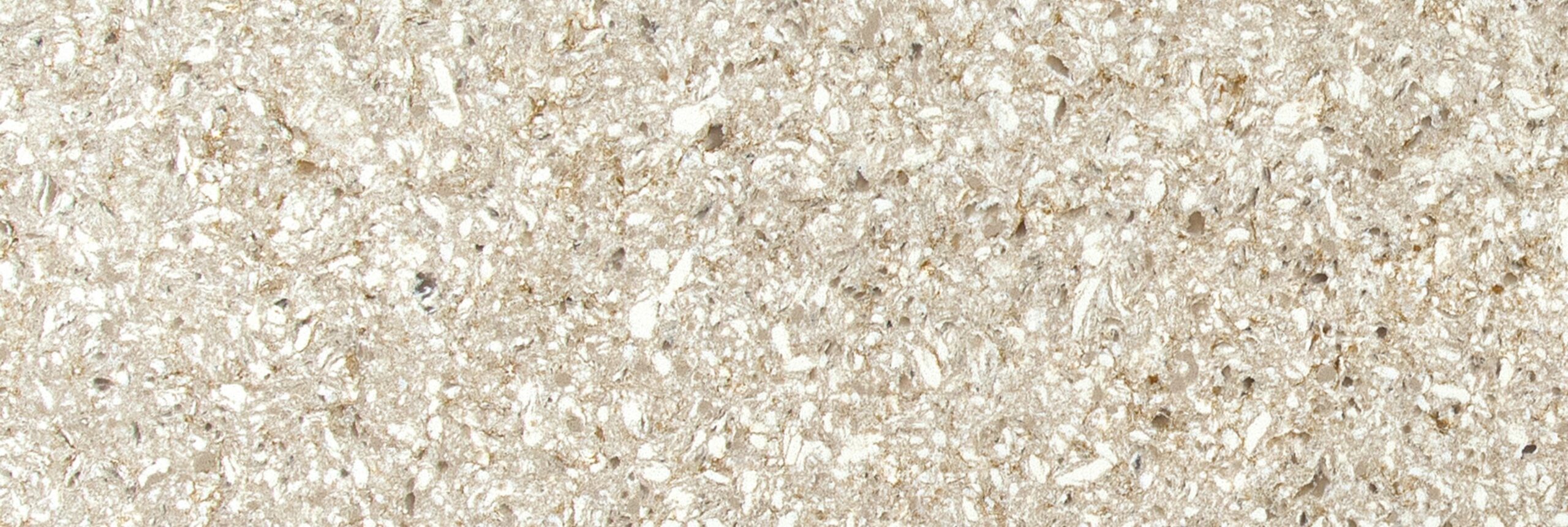
Quartz countertops are engineered stone surfaces made from 90-95% crushed natural quartz crystals mixed with resins, polymers, and pigments. This combination results in a non-porous, highly durable surface that is resistant to stains, scratches, and heat. Unlike natural stone countertops, quartz does not require sealing, making it a low-maintenance option for busy homeowners.
Benefits of Quartz Countertops
Choosing quartz countertops for your kitchen or bathroom comes with numerous benefits:
- Durability: Quartz is one of the hardest materials available, making it resistant to chipping and cracking.
- Non-porous: Unlike granite or marble, quartz does not absorb liquids, which helps prevent bacterial growth.
- Variety of Designs: With a wide range of colors and patterns, quartz can match any design aesthetic.
- Low Maintenance: Regular cleaning with mild soap and water is typically all that's needed.
Hygiene and Food Safety
When it comes to food safety, hygiene is a critical concern for any kitchen surface. Here’s why quartz countertops are a safe choice for food preparation:
- Non-porous Surface: The non-porous nature of quartz means that it does not harbor bacteria or germs, making it a safer option for food preparation compared to porous materials like wood or natural stone.
- Easy to Clean: A simple solution of warm soapy water or a mild disinfectant can effectively clean quartz countertops, ensuring that any food residues or potential contaminants are removed.
Food Safety Guidelines
To ensure that your quartz countertops are not only clean but also safe for food preparation, follow these guidelines:
- Wash Hands: Always wash your hands before handling food and after touching raw ingredients.
- Use Separate Cutting Boards: To prevent cross-contamination, use separate cutting boards for raw meats and vegetables.
- Keep Surfaces Clean: Wipe down your quartz countertops before and after food preparation.
Cleaning Your Quartz Countertops
Cleaning quartz countertops is straightforward and can be accomplished with a few simple steps:
Daily Cleaning Routine
- Use a Soft Cloth: Wipe the surface with a soft cloth or sponge, using warm soapy water.
- Rinse Thoroughly: Ensure that all soap residues are rinsed off to prevent any film.
- Dry the Surface: Use a dry cloth to buff the surface and prevent streaking.
Dealing with Stains
While quartz countertops are resistant to staining, they can still be affected by certain substances. Here’s how to tackle common stains:
- Food and Beverage Stains: For spills like coffee or tomato sauce, wipe them up immediately. If a stain persists, use a mixture of baking soda and water to create a paste, apply it to the stain, and let it sit for 10-15 minutes before wiping clean.
- Grease Stains: Use a degreaser or a mixture of vinegar and water to clean grease stains. Avoid harsh chemicals that can damage the resin.
Deep Cleaning
For a more thorough cleaning, consider the following:
- Use a Non-abrasive Cleaner: Look for a non-abrasive cleaner specifically designed for quartz surfaces.
- Apply and Rinse: Apply the cleaner according to the manufacturer's instructions, and rinse thoroughly.
Common Myths About Quartz Countertop Hygiene
There are several myths surrounding quartz countertops that can lead to misconceptions about their hygiene:
- Myth 1: Quartz countertops are not hygienic because they are man-made. Fact: The non-porous nature of quartz makes it more hygienic than many natural stones.
- Myth 2: You cannot use disinfectants on quartz. Fact: Mild disinfectants can be safely used, but avoid harsh chemicals.
Expert Tips for Maintaining Quartz Countertops
Here are some additional tips to keep your countertops looking their best:
- Regular Maintenance: Regularly clean your countertops to prevent build-up of grime and stains.
- Avoid Harsh Chemicals: Stay away from bleach and other abrasive cleaners that can damage the surface.
- Use Coasters: For beverages, use coasters to prevent rings and stains.
Frequently Asked Questions
1. How often should I clean my quartz countertops?
It's best to clean your quartz countertops daily, especially after food preparation, to maintain hygiene.
2. Can I use bleach on quartz countertops?
It is not recommended to use bleach as it can damage the resin. Stick to mild soaps and cleaners.
3. Are quartz countertops really non-porous?
Yes, quartz is a non-porous material, which helps prevent bacteria and germs from penetrating the surface.
4. Can I cut directly on my quartz countertop?
While quartz is durable, cutting directly on the surface can cause scratches. Always use a cutting board.
5. What should I do if I have a stubborn stain?
For stubborn stains, create a paste of baking soda and water, let it sit on the stain, and then wipe it clean.
6. How do I remove heat marks from quartz countertops?
Heat marks can usually be cleaned with a gentle cleaner. For severe cases, consult a professional.
7. Is it safe to put hot pots on quartz countertops?
While quartz is heat resistant, it’s advisable to use trivets to prevent potential damage.
8. Can I use my quartz countertops outdoors?
Quartz countertops are best suited for indoor use, as UV exposure can fade colors over time.
9. How long do quartz countertops last?
With proper care and maintenance, quartz countertops can last a lifetime.
10. Are quartz countertops environmentally friendly?
Quartz is made from natural materials, and many manufacturers use sustainable practices.
11. Do I need to seal my quartz countertops?
No, quartz countertops do not require sealing due to their non-porous nature.
12. Where can I find quartz countertops in Everett?
Visit our Everett showroom to explore a wide range of quartz options.
Conclusion
Maintaining the hygiene and safety of your quartz countertops is essential for a healthy kitchen environment. By following the tips outlined in this guide, you can ensure that your countertops remain not only beautiful but also safe for food preparation. For personalized guidance on selecting the perfect quartz for your home or to learn more about our services, contact us today or call +1 425-545-8006. Your kitchen deserves the best!

About Washington Granite
Premium granite, quartz, quartzite, and marble countertop specialists in Washington State. We help homeowners transform their kitchens and bathrooms with luxury stone surfaces.