Table of Contents
The Ultimate Homeowner's Guide to Natural Stone Patterns and Movement
When it comes to choosing natural stone for your home, understanding the intricate patterns and movements found within these materials can significantly enhance your design choices. Natural stones like granite, quartzite, and marble are not just functional; they are also pieces of art that can elevate your space. In this comprehensive guide, we will delve into the fascinating world of natural stone patterns and movements, providing you with the knowledge you need to make informed decisions for your kitchen and bathroom upgrades. From the unique characteristics of various stones to tips on selecting the perfect slab, this guide is designed for homeowners looking to enhance their living spaces with elegance and style.
Understanding Natural Stone
Natural stone is a timeless choice for countertops, flooring, and other home features, prized for its durability and unique aesthetic appeal. Unlike manufactured surfaces, each slab of natural stone is one-of-a-kind, showcasing distinct patterns, colors, and textures shaped by geological processes over millions of years. This individuality is a significant part of what makes natural stone so desirable.
Understanding the composition of natural stone is essential for homeowners seeking to enhance their living spaces. Natural stones are typically categorized into three main types: igneous, sedimentary, and metamorphic. Each type has its own characteristics and patterns, influenced by the minerals present and the conditions under which they formed.
Types of Natural Stone
1. **Granite**: An igneous rock formed from cooled magma, granite is known for its durability and resistance to scratches and heat. Its patterns can range from speckled to swirling, depending on the mineral content. Popular colors include black, white, and various shades of gray.
2. **Marble**: A metamorphic rock that originates from limestone, marble is celebrated for its luxurious appearance and veining. The veining in marble can be dramatic or subtle, adding elegance to any space. Common colors include white, cream, and shades of green and pink.
3. **Quartzite**: This metamorphic rock is formed from sandstone and is known for its hardness and resistance to etching. Quartzite often features stunning color variations and patterns resembling marble, making it a popular choice for countertops. Colors range from white and gray to vibrant hues.
4. **Soapstone**: A softer metamorphic rock, soapstone is primarily composed of talc. It is known for its smooth feel and comes in a variety of colors, including green, gray, and brown. Soapstone is often used for countertops and sinks due to its heat resistance.
5. **Limestone**: A sedimentary rock composed mainly of calcium carbonate, limestone is often used in flooring and outdoor spaces. It typically features subtle patterns and is available in neutral tones.
6. **Slate**: Another sedimentary rock, slate is formed from clay and volcanic ash. It is known for its layered appearance and is often used for roofing, flooring, and countertops. Slate comes in various colors, including gray, green, and purple.
Patterns and Movement in Natural Stone
Natural stone patterns and movements are influenced by various geological factors, including the type of minerals present, the formation process, and the environmental conditions during its creation. Here are some key concepts to understand:
1. **Veining**
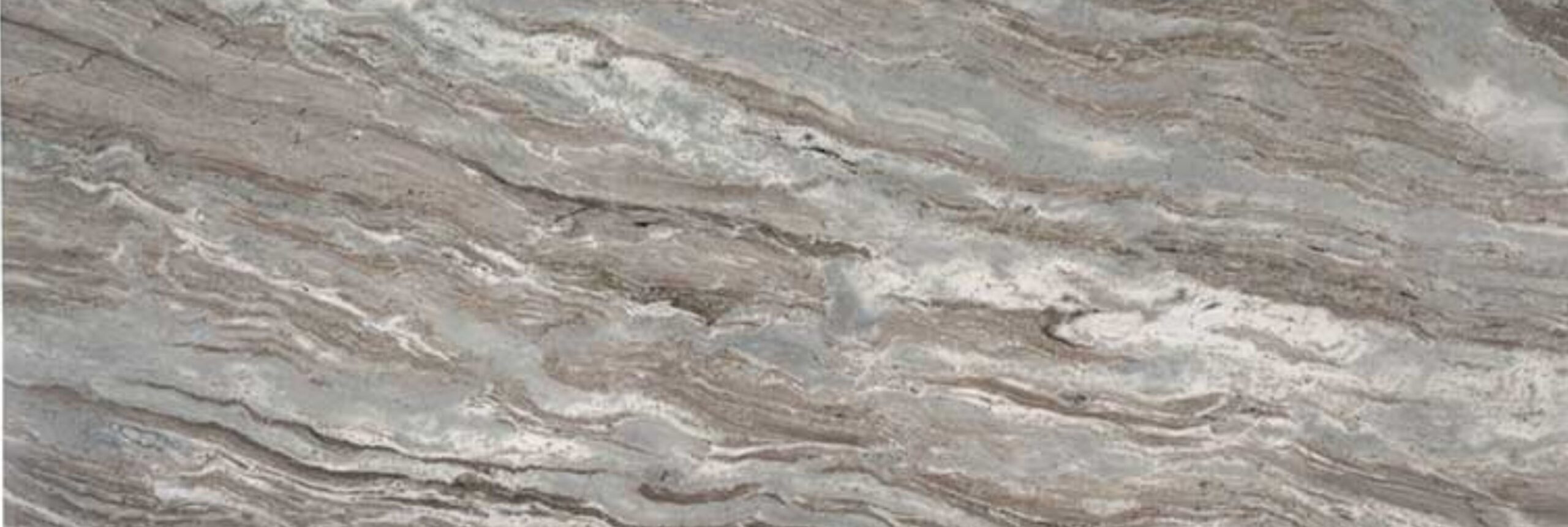
Veining is one of the most sought-after features in natural stone, particularly in marble and quartzite. These veins can be straight, wavy, or chaotic, adding depth and character to the stone. The prominence and color of the veins depend on the mineral content. For example, iron can create reddish veins, while calcite can produce white or gray veins.
2. **Color Variations**
Natural stones exhibit a wide range of colors due to the minerals within them. For instance, the presence of iron oxide can create warm tones, while quartz can lead to cooler shades. Understanding these variations can help homeowners choose the right stone to complement their design scheme.
3. **Movement**
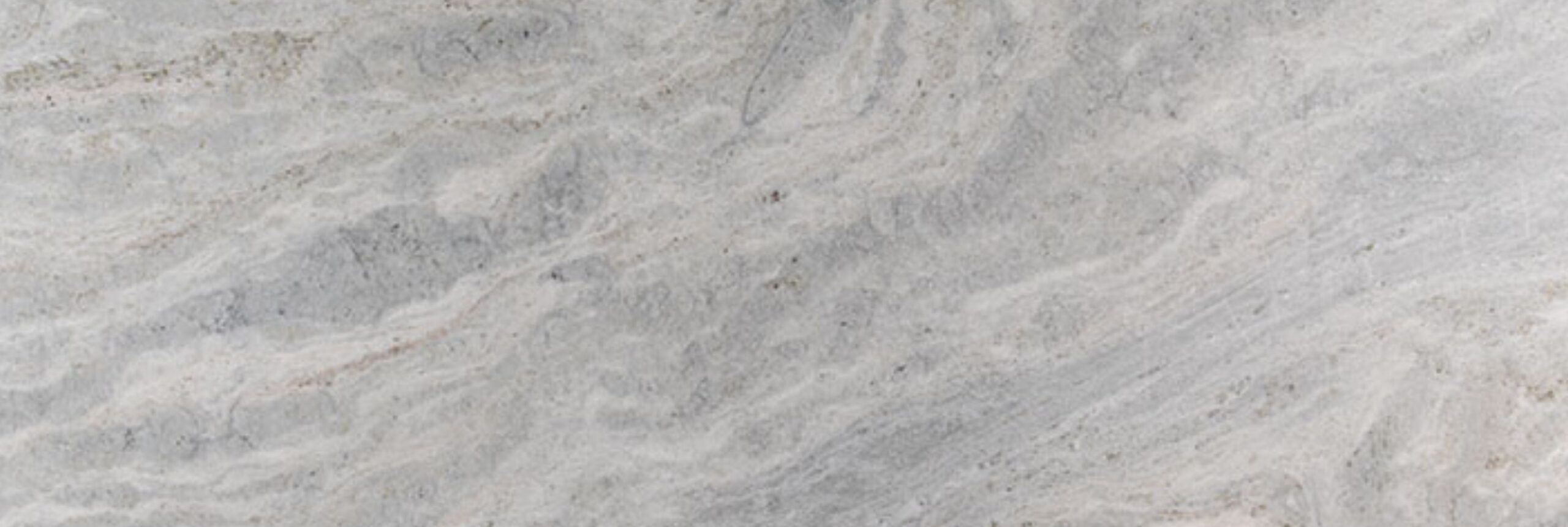
Movement refers to the flow of patterns in the stone, creating a sense of motion. This can be particularly striking in granite and quartzite, where patterns can appear to swirl or flow. Homeowners should consider how the movement will look in their chosen space, particularly in a large area like a kitchen countertop.
4. **Finish Types**
The finish applied to the stone surface can also affect its appearance. Common finishes include polished, honed, and leathered. A polished finish enhances color and pattern visibility, while a honed finish offers a matte look that can soften the stone's appearance. Leathered finishes add texture and depth, often highlighting the stone's natural variations.
Choosing the Right Stone for Your Home
When selecting natural stone for your home, consider the following factors:
- Functionality: Assess where the stone will be used (e.g., countertop, flooring, backsplash) and choose a material that suits the demands of that space.
- Design Aesthetics: Consider the overall design style of your home. For a modern look, you might opt for a sleek quartzite, while a traditional home may benefit from the classic elegance of marble.
- Maintenance Needs: Different stones have varying maintenance requirements. For example, marble requires more care due to its porous nature, while granite is generally more resistant to staining.
- Budget Considerations: While we avoid discussing pricing, it’s essential to understand the value that each type of stone brings to your home. Premium stones may require a higher initial investment but can enhance your home's value and aesthetic appeal over time.
Installation and Maintenance Tips
Proper installation and maintenance of natural stone are crucial for ensuring its longevity and beauty. Here are some tips:
Installation
1. **Hire Professionals**: Always hire experienced installers who understand the nuances of natural stone. At Washington Granite, our skilled team ensures precise fabrication and installation for a flawless finish.
2. **Consider Seam Placement**: When installing large slabs, consider seam placement carefully. Optimal seam placement can enhance the visual flow of the stone and minimize visibility.
Maintenance
1. **Regular Cleaning**: Clean your natural stone surfaces regularly with a pH-balanced cleaner. Avoid abrasive cleansers that can scratch the surface.
2. **Sealing**: Many natural stones, particularly porous ones like marble and limestone, require sealing to prevent staining. Consult your installer for the best sealing schedule.
3. **Avoid Harsh Chemicals**: Stay away from harsh chemicals, especially acidic ones, which can etch or dull the stone's surface.
Conclusion
Understanding natural stone patterns and movements is essential for homeowners looking to elevate their spaces with timeless elegance. By choosing the right stone and ensuring proper installation and maintenance, you can enjoy the beauty and durability of natural stone for years to come. If you're ready to explore your options, request a free consultation or visit our Everett showroom to see our stunning selection of natural stones.
FAQs
What is the most durable natural stone for countertops?
Granite is often considered one of the most durable natural stones for countertops due to its hardness and resistance to scratching and heat.
How do I choose the right stone color for my kitchen?
Consider the overall color scheme of your kitchen, including cabinetry and flooring. Neutral tones can provide versatility, while bold colors can make a statement.
Can natural stone be used in outdoor spaces?
Yes, many natural stones, such as granite and slate, are suitable for outdoor use due to their durability and weather resistance.
How often should I seal my natural stone countertops?
Sealing frequency depends on the type of stone and usage. Generally, porous stones like marble should be sealed every 6-12 months, while granite may require sealing every 1-2 years.
What is the difference between honed and polished finishes?
A honed finish is matte and smooth, while a polished finish is glossy and enhances the stone's color and patterns.
Are there eco-friendly options for natural stone?
Yes, many companies offer eco-friendly options, such as stones sourced from sustainable quarries or recycled materials.
How can I remove stains from natural stone?
For most stains, a mixture of baking soda and water can be applied as a paste. Allow it to sit for a few hours, then rinse with water.
Where can I find natural stone for my home renovation project?
Visit local stone showrooms like Washington Granite to explore a wide selection of natural stones suitable for your renovation project.

About Washington Granite
Premium granite, quartz, quartzite, and marble countertop specialists in Washington State. We help homeowners transform their kitchens and bathrooms with luxury stone surfaces.