Table of Contents
How to Design a Kitchen That Celebrates Natural Materials and Pacific Northwest Character
The Pacific Northwest (PNW) is renowned for its breathtaking landscapes, rich natural resources, and a culture that embraces sustainability and craftsmanship. When it comes to designing a kitchen that reflects this ethos, homeowners have a unique opportunity to celebrate natural materials while creating a space that resonates with the character of this beautiful region. In this guide, we will explore how to design a kitchen that not only showcases premium materials but also embodies the essence of the Pacific Northwest. You will learn about selecting the right materials, integrating functional design elements, and personalizing your space to reflect your style and values.
Understanding the PNW Aesthetic
The PNW aesthetic is characterized by a deep connection to nature, which is reflected in the use of natural materials, earthy color palettes, and a focus on sustainability. This design philosophy encourages homeowners to create spaces that not only look beautiful but also enhance their quality of life. Key elements of the PNW kitchen design include:
- Natural Light: Large windows and skylights to maximize natural light and connect the indoors with the outdoors.
- Earthy Colors: A color palette inspired by the surrounding landscapes, featuring greens, browns, and soft neutrals.
- Textural Diversity: A mix of textures from wood, stone, and metal to create visual interest and warmth.
By understanding these foundational elements, you can begin to envision a kitchen that embodies the spirit of the Pacific Northwest.
Choosing Natural Materials
When it comes to selecting materials for your kitchen, the PNW offers a wealth of options that celebrate the region's natural beauty. Here are some materials to consider:
1. Stone Countertops
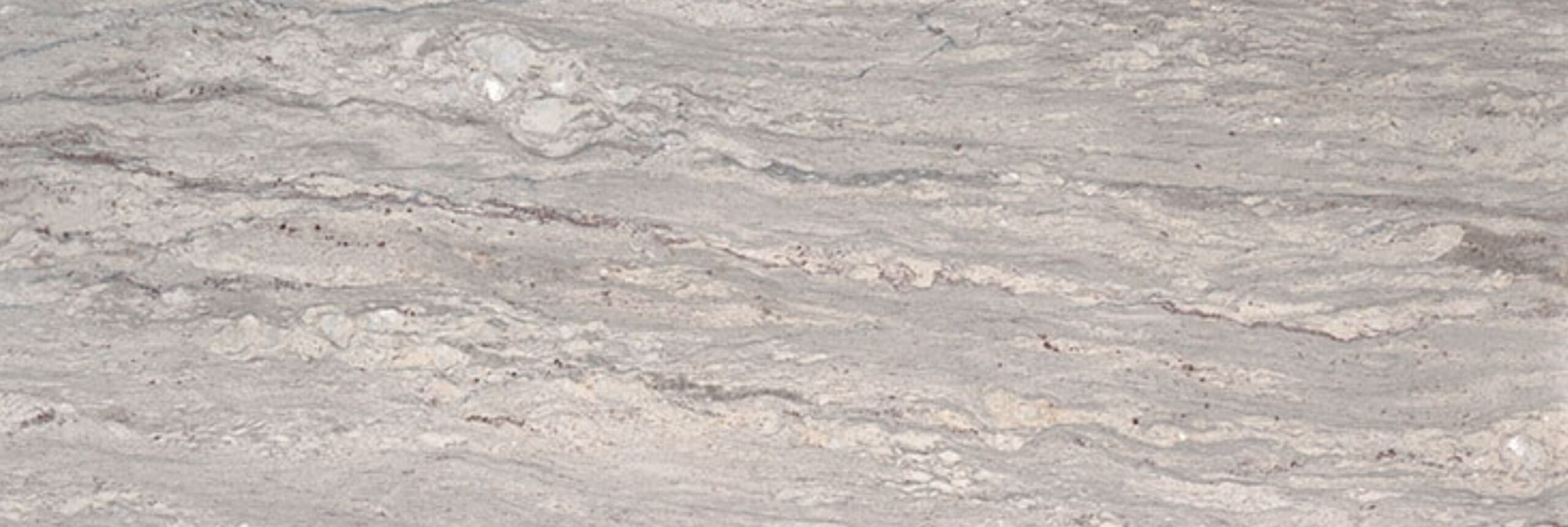
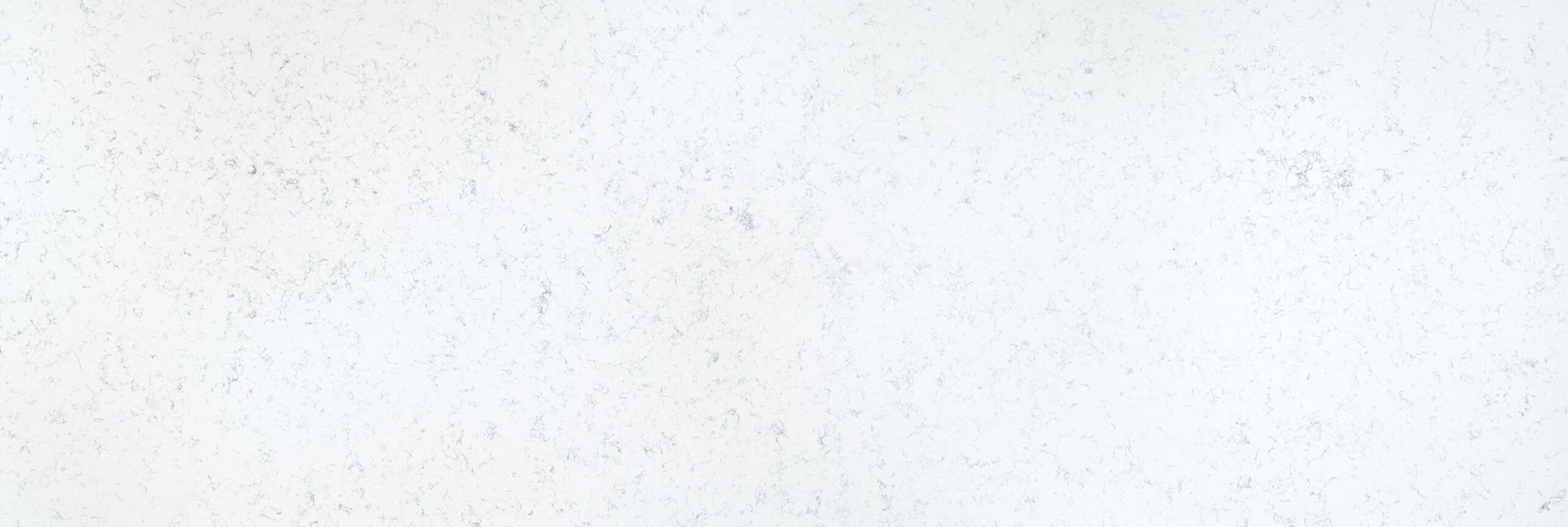
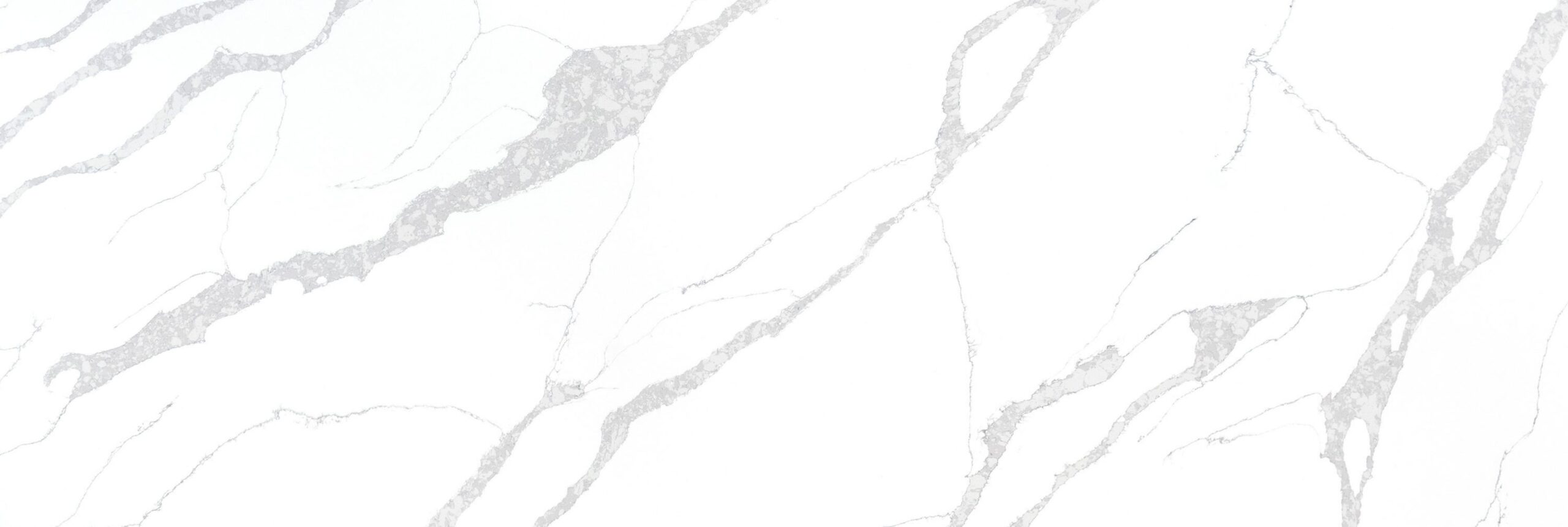
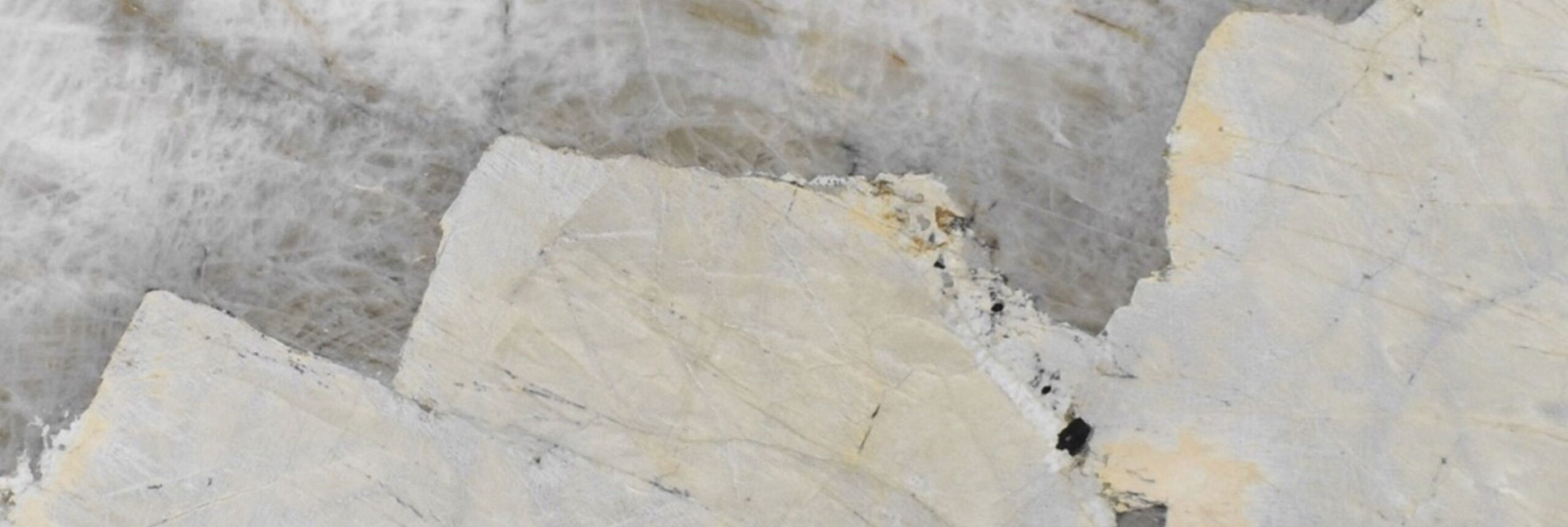
Natural stone countertops are a popular choice for PNW kitchens, offering durability and timeless elegance. Options like quartz countertops, granite countertops, and quartzite countertops provide a variety of colors and patterns that mimic the natural landscape.
2. Wood Cabinets
Wood is a staple in PNW design, and using sustainably sourced wood for cabinets can add warmth and character to your kitchen. Consider using local species such as fir, cedar, or maple for a rustic yet refined look.
3. Natural Flooring
Choosing flooring materials that reflect the natural environment is essential. Options like hardwood, bamboo, or even cork can provide a warm, inviting feel underfoot while being environmentally friendly.
4. Eco-Friendly Paints and Finishes
When selecting paints and finishes, opt for eco-friendly products that minimize harmful emissions. Look for low-VOC or no-VOC options to ensure a healthier indoor environment.
Comparison Table of Natural Materials
| Material | Durability | Maintenance | Cost |
|---|---|---|---|
| Quartz | High | Low | Medium |
| Granite | Very High | Medium | Medium |
| Quartzite | Very High | Medium | High |
| Wood | Medium | High | Medium |
| Bamboo | High | Low | Medium |
This table provides a quick reference to help you weigh the benefits of each material when designing your kitchen.
Incorporating Functional Design
In addition to aesthetics, a well-designed kitchen must be functional. Here are some design considerations to enhance usability:
1. Optimize the Layout
Consider the classic kitchen work triangle, which places the sink, stove, and refrigerator in a triangular layout to maximize efficiency. Depending on your kitchen's size, you might consider an L-shaped or U-shaped layout to create a more open and inviting space.
2. Use Multi-Functional Furniture
Incorporate furniture that serves multiple purposes, such as an island that provides additional prep space, seating, and storage. This approach not only saves space but also enhances the kitchen's functionality.
3. Smart Storage Solutions
Utilize vertical space by installing shelves or cabinets that reach the ceiling. Pull-out drawers and organizers can also help keep your kitchen tidy and accessible.
4. Incorporate Sustainable Appliances
Choose energy-efficient appliances that reduce energy consumption and promote sustainability. Look for ENERGY STAR-rated products that align with your environmentally conscious kitchen goals.
Personalizing Your Kitchen
Your kitchen should reflect your personal style and enhance your daily living experience. Here are some ways to add personality:
1. Unique Backsplash Designs
A backsplash can serve as a focal point in your kitchen. Consider using natural stone, handmade tiles, or even reclaimed materials to create a unique design that tells a story.
2. Artwork and Decor
Incorporate artwork or decor that resonates with your personal style. Local artists or nature-inspired pieces can enhance the connection to the PNW landscape.
3. Customizable Elements
Incorporate customizable features like adjustable shelving or replaceable cabinet fronts to allow for future updates without a complete renovation.
Expert Tips for a Successful Design
Here are some additional tips from industry experts:
- Research local suppliers for materials to ensure sustainability and support the local economy.
- Visit local showrooms, such as Washington Granite, to explore different countertop options and get inspired.
- Consult with a kitchen designer who specializes in PNW aesthetics to tailor your kitchen to your specific needs.
FAQs
1. What are the best materials for a PNW kitchen?
Natural stone, wood, and eco-friendly finishes are ideal for a PNW kitchen, reflecting the region's natural beauty.
2. How can I maximize natural light in my kitchen?
Use large windows, skylights, and light-colored materials to enhance natural light in your kitchen.
3. What colors should I use in a PNW kitchen?
Earthy tones, greens, browns, and soft neutrals are perfect for a PNW-inspired kitchen.
4. How can I make my kitchen more functional?
Optimize your layout, use multi-functional furniture, and incorporate smart storage solutions.
5. What appliances are best for a sustainable kitchen?
Choose energy-efficient appliances that are ENERGY STAR-rated to promote sustainability.
6. How can I personalize my kitchen design?
Incorporate unique backsplashes, artwork, and customizable elements to reflect your personal style.
7. What are some eco-friendly countertop options?
Consider quartz, recycled glass, or sustainably sourced wood for eco-friendly countertops.
8. How do I choose the right kitchen layout?
Consider the work triangle, the size of your space, and your cooking habits when selecting a layout.
Conclusion
Designing a kitchen that celebrates natural materials and embodies the character of the Pacific Northwest is a rewarding endeavor. By carefully selecting materials, optimizing functionality, and personalizing your space, you can create a kitchen that not only serves your needs but also reflects your values and connection to the environment. At Washington Granite, we are here to help you with your countertop needs, ensuring that your kitchen design is both beautiful and sustainable. Call +1 425-545-8006 for personalized guidance or visit our Everett showroom to explore quartz options. Let's create a kitchen that you will love for years to come!

About Washington Granite
Premium granite, quartz, quartzite, and marble countertop specialists in Washington State. We help homeowners transform their kitchens and bathrooms with luxury stone surfaces.