Table of Contents
The Complete Guide to Countertop Materials for Coastal and Waterfront Homes
Coastal living brings with it a unique set of challenges and benefits, especially when it comes to home design and renovation. One of the most crucial aspects of any coastal home is the choice of countertop materials. The right countertop not only enhances the aesthetic appeal of your space but also withstands the rigors of salt air, humidity, and frequent use. In this comprehensive guide, we will explore various countertop materials suitable for coastal and waterfront homes, focusing on their durability, maintenance, and design versatility. Whether you're considering a kitchen upgrade or a bathroom renovation, this guide will equip you with the knowledge to make informed decisions that enhance both your home's value and livability.
1. Understanding Coastal Environments
Coastal homes are exposed to unique environmental factors that can impact the longevity and performance of materials used in construction and design. Salt air, high humidity, and temperature fluctuations can lead to corrosion, mold growth, and other issues. Understanding these factors is critical when selecting countertop materials for your home.
According to the Environmental Protection Agency (EPA), coastal areas experience higher humidity levels, which can affect the durability of certain materials. Therefore, when selecting countertops, it's essential to choose materials that are resistant to moisture and can withstand the salty air prevalent in coastal regions.
2. Essential Features of Coastal Countertops
When considering countertop materials for coastal and waterfront homes, several key features should be prioritized:
- Durability: Countertops must withstand the wear and tear of daily use and resist damage from moisture and salt.
- Maintenance: Opt for materials that require minimal upkeep to maintain their appearance and functionality.
- Design Versatility: Choose materials that complement the coastal aesthetic, offering options in color, texture, and finish.
- Heat and Stain Resistance: Coastal homes often host gatherings; thus, countertops should be resistant to heat and staining from food and drinks.
3. Popular Countertop Materials
Here, we delve into some of the most suitable countertop materials for coastal homes, exploring their unique qualities and benefits.
3.1 Quartz Countertops
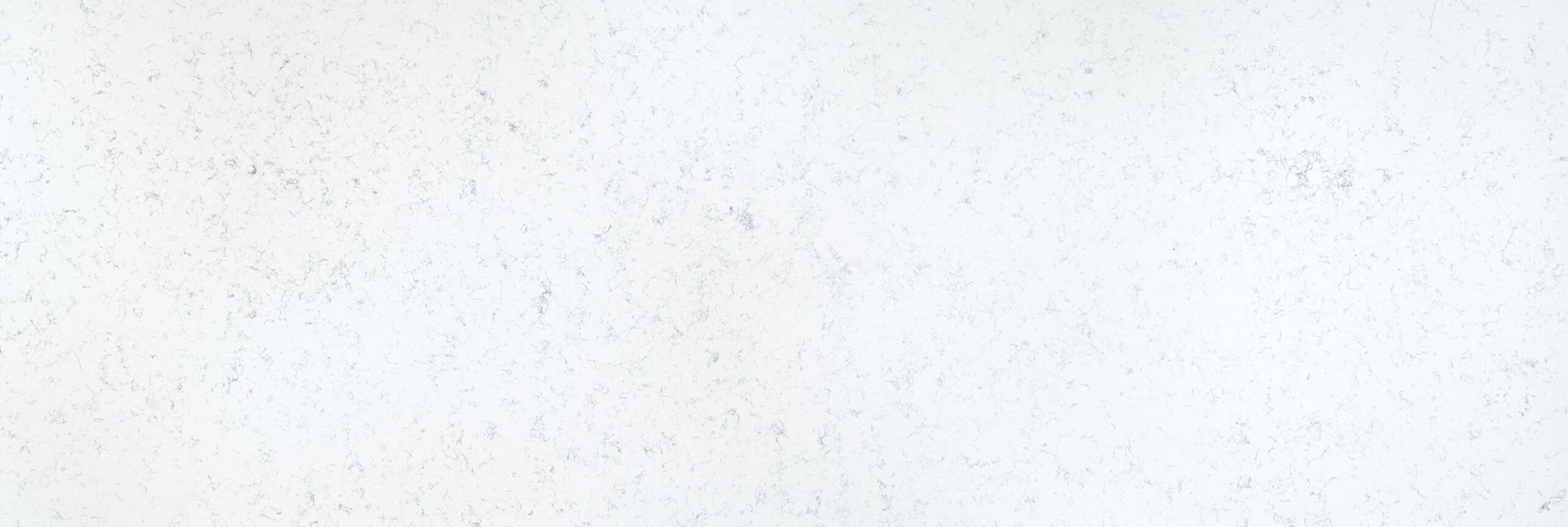
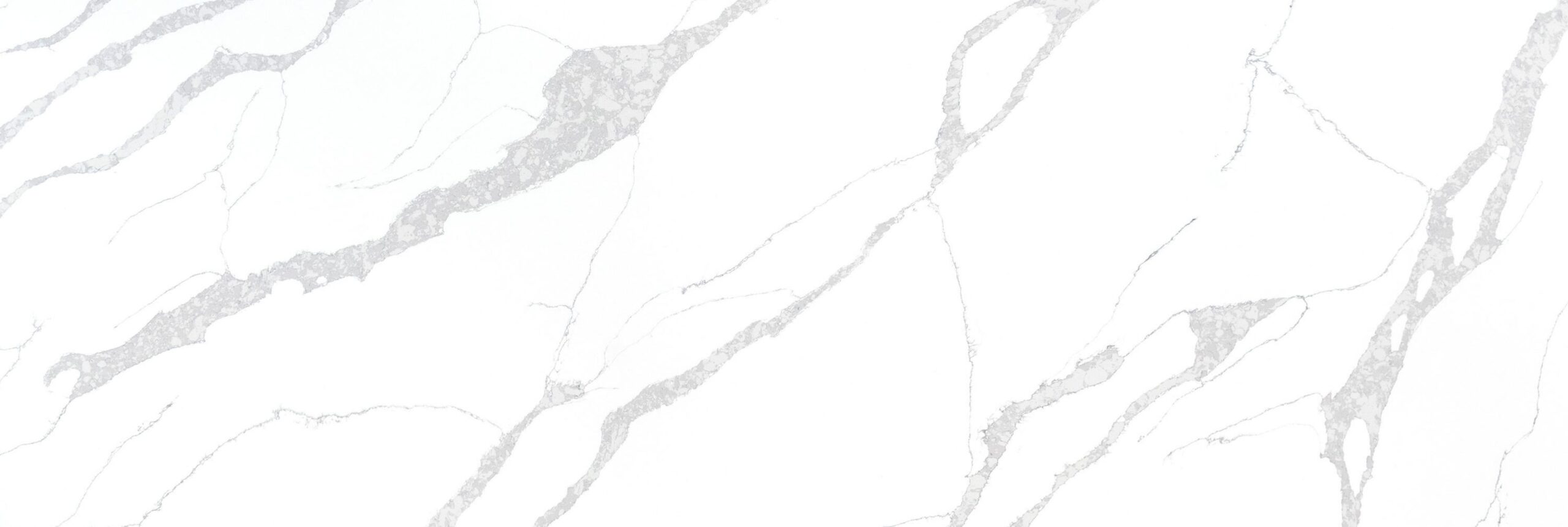
Quartz countertops have gained popularity for their durability and low maintenance requirements. Made from engineered stone, quartz is non-porous, making it resistant to stains and moisture. This feature is particularly beneficial in coastal environments where humidity can lead to mold and mildew growth.
Washington Granite offers a wide range of premium quartz options, including Carrara Marmi and Calacatta Alto, which can beautifully enhance any coastal kitchen or bathroom.
3.2 Granite Countertops
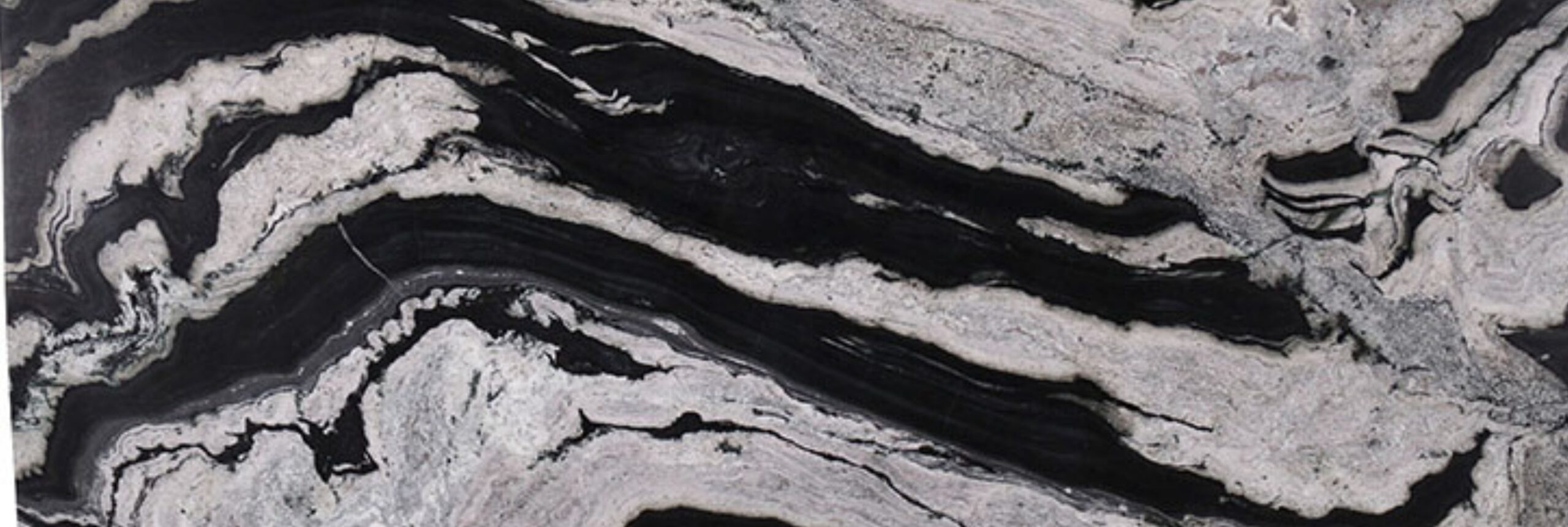
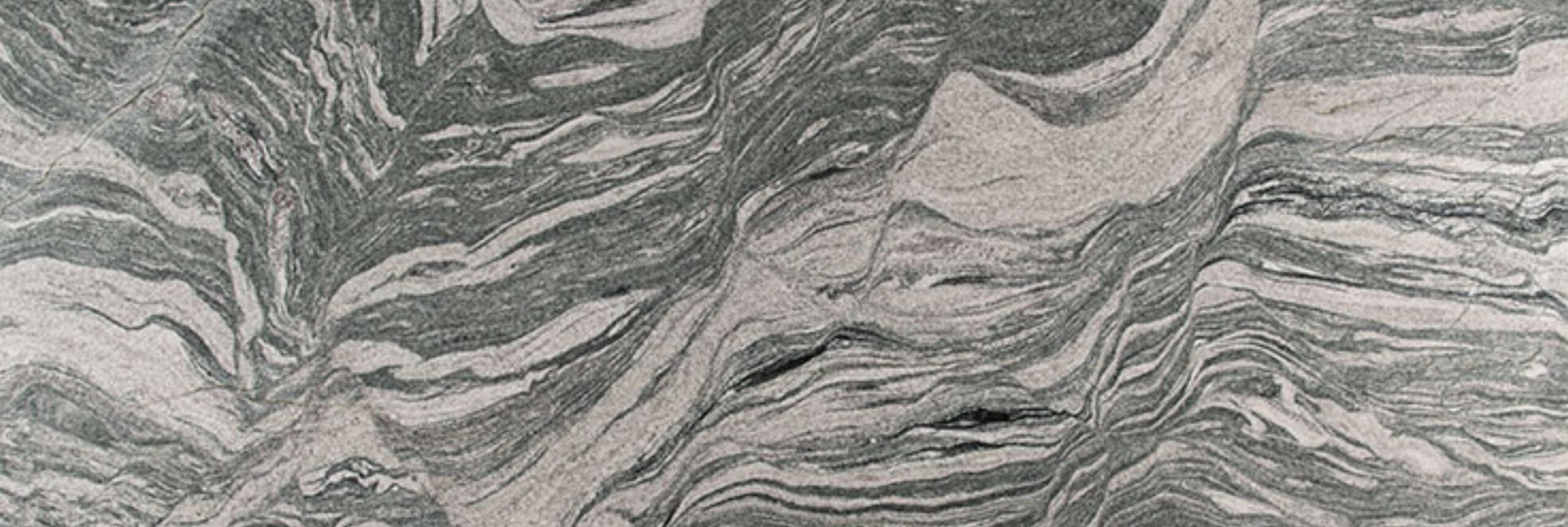
Granite is a natural stone that is highly sought after for its strength and aesthetic appeal. It is resistant to heat, scratches, and stains, making it an excellent choice for busy kitchens. With proper sealing, granite can withstand the moisture and humidity often found in coastal areas.
Washington Granite provides a variety of granite options, including Azure Mist, perfect for those looking to combine durability with elegance.
3.3 Quartzite Countertops
Quartzite is a metamorphic rock that combines the beauty of marble with the durability of granite. It is highly resistant to scratching and heat, making it an ideal choice for coastal homes. Quartzite requires sealing to maintain its appearance and prevent staining, but its stunning patterns and colors make it a favorite among homeowners.
3.4 Marble Countertops
While marble is often considered a luxury material, it is not as durable as granite or quartzite. However, its classic beauty and elegance can elevate the design of any space. For coastal homes, it's essential to understand that marble is more porous and can stain easily, so it requires regular sealing and maintenance.
For those interested in marble, Washington Granite offers options like premium marble countertops that can provide a touch of sophistication.
3.5 Solid Surface Countertops
Solid surface countertops, such as Corian, are made from acrylic and are entirely non-porous. They are easy to clean, resistant to stains, and can be seamlessly integrated into sinks and backsplashes. This material is ideal for coastal homes where spills and moisture are common.
| Countertop Material | Durability | Maintenance | Heat Resistance | Moisture Resistance |
|---|---|---|---|---|
| Quartz | High | Low | Medium | High |
| Granite | Very High | Medium | High | Medium |
| Quartzite | Very High | Medium | High | Medium |
| Marble | Medium | High | Medium | Low |
| Solid Surface | Medium | Low | Medium | High |
4. How to Choose the Right Countertop
Selecting the perfect countertop material for your coastal home involves considering several factors:
4.1 Assess Your Lifestyle
Consider how you use your kitchen and bathroom. If you frequently host gatherings, choose materials that can withstand heavy use and are easy to clean.
4.2 Match Your Aesthetic
Your countertop should complement the overall design of your home. Coastal homes often benefit from light colors and natural textures that reflect the surrounding environment.
4.3 Evaluate Durability Needs
Given the unique challenges of coastal living, prioritize materials that offer high durability and moisture resistance.
4.4 Consult with Experts
Visiting a local showroom, such as Washington Granite, can provide valuable insights and allow you to see and feel the materials firsthand.
5. Installation and Maintenance Tips
After selecting the right countertop material, proper installation and maintenance are essential for longevity:
5.1 Professional Installation
Always opt for professional installation to ensure the countertop is fitted correctly. This is especially important for heavier materials like granite and quartzite, which require precise handling.
5.2 Regular Cleaning
Use a mild soap and warm water for regular cleaning. Avoid harsh chemicals that can damage the surface.
5.3 Sealing
Natural stones like granite and quartzite should be sealed periodically to maintain their resistance to moisture and staining. Follow the manufacturer's recommendations for sealing frequency.
5.4 Protecting Surfaces
Use cutting boards and trivets to protect the surface from scratches and heat damage. This is particularly important for materials like marble that can be easily scratched.
6. Conclusion
Choosing the right countertop materials for your coastal or waterfront home is a crucial decision that impacts both functionality and aesthetics. By understanding the unique challenges of coastal environments and exploring various materials, you can make informed choices that enhance your space. Whether you opt for durable quartz, elegant granite, or stylish quartzite, Washington Granite is here to assist you in selecting the perfect countertops that suit your lifestyle and design preferences. Call +1 425-545-8006 for personalized guidance or visit our Everett showroom to explore quartz options.
7. Frequently Asked Questions
What are the best countertop materials for coastal homes?
The best materials include quartz, granite, and quartzite due to their durability and resistance to moisture.
How do I maintain my marble countertops in a coastal home?
Regular sealing and gentle cleaning with a mild soap are essential to prevent staining and maintain their appearance.
Can I use solid surface countertops in my kitchen?
Yes, solid surface countertops are an excellent choice for kitchens due to their non-porous nature and ease of maintenance.
What is the most durable countertop material?
Granite and quartzite are among the most durable materials, offering excellent resistance to scratches and heat.
How often should I seal my granite countertops?
Granite should be sealed every 1-3 years, depending on usage and the specific product.
Are there eco-friendly countertop options?
Yes, some solid surface materials and recycled glass countertops are eco-friendly options that are gaining popularity.
What is the cost difference between quartz and granite?
While both materials are premium options, granite can sometimes be less expensive than quartz depending on the variety and source.
How can I choose the right color for my countertops?
Consider your home's overall color scheme and the natural light in your space when selecting countertop colors.

About Washington Granite
Premium granite, quartz, quartzite, and marble countertop specialists in Washington State. We help homeowners transform their kitchens and bathrooms with luxury stone surfaces.