Table of Contents
Ultimate Guide to Designing a Beautiful and Functional Kitchen
Designing a kitchen that balances function and beauty is a challenge that many homeowners face. Your kitchen is not only a place for cooking but also the heart of your home where family and friends gather. Achieving the perfect blend of aesthetics and practicality requires thoughtful planning, an understanding of your lifestyle, and an eye for design. In this comprehensive guide, we will explore how to create a kitchen that meets your functional needs while also being a stunning focal point of your home. You will learn expert tips, design principles, and practical steps to achieve a harmonious kitchen space.
Understanding Kitchen Design
Before diving into the specifics of creating a beautiful and functional kitchen, it’s essential to understand what kitchen design entails. Kitchen design incorporates several elements, including layout, materials, color schemes, and fixtures. Each of these components plays a crucial role in how your kitchen functions and how it looks.
According to the National Association of Home Builders, a well-designed kitchen can significantly enhance the usability of your space and increase your home’s value. Therefore, understanding the importance of each design element is key to achieving a kitchen that meets your needs and complements your lifestyle.
Balancing Function and Aesthetics
When designing a kitchen, the goal is to create a space that is not only visually pleasing but also highly functional. Here are some tips to help you balance these two essential aspects:
- Evaluate Your Needs: Consider how you use your kitchen. Do you cook frequently? Do you entertain guests? Understanding your lifestyle will help guide your design choices.
- Prioritize Layout: A functional kitchen layout is crucial. The classic work triangle—comprising the stove, sink, and refrigerator—should be efficient and convenient.
- Select Quality Materials: Choose materials that are durable and easy to maintain, such as quartz or granite countertops. These materials not only enhance the beauty of your kitchen but are also practical for everyday use.
By thoughtfully considering both function and aesthetics, you can create a kitchen that serves your daily needs while also serving as a beautiful space to enjoy.
Key Elements of a Functional Kitchen
To design a kitchen that functions well, several key elements must be addressed:
1. Efficient Layout
The layout of your kitchen is foundational to its functionality. Common kitchen layouts include:
- U-Shaped: Offers ample counter space and storage, making it ideal for larger kitchens.
- L-Shaped: Provides flexibility and is well-suited for open floor plans, allowing for an easy flow between spaces.
- Galley: An efficient layout for smaller kitchens, maximizing space and minimizing distance between work zones.
2. Adequate Storage
Storage solutions are vital for keeping your kitchen organized and functional. Consider incorporating:
- Cabinets: Invest in high-quality cabinetry that complements your design style.
- Open Shelving: Provides easy access to frequently used items and adds a decorative element.
- Pantries: A dedicated pantry can help keep your kitchen clutter-free.
3. Proper Lighting
Lighting plays a critical role in kitchen design. A mix of ambient, task, and accent lighting can enhance functionality while also adding beauty. Consider:
- Task Lighting: Focused lighting over work areas such as countertops and cooking zones.
- Accent Lighting: Decorative fixtures to highlight design features, such as pendant lights over an island.
Incorporating Beautiful Design
While functionality is crucial, the beauty of your kitchen cannot be overlooked. Here are some ways to incorporate stunning design elements:
1. Color Palette
The color palette you choose can significantly impact the overall feel of your kitchen. Consider the following:
- Neutral Colors: Create a timeless and elegant look with whites, grays, and beiges.
- Bold Accents: Use vibrant colors for cabinetry or backsplash to add personality.
2. Textures and Materials
Mixing textures can add depth and interest to your kitchen design. Consider materials such as:
- Wood: Adds warmth and a natural element.
- Glass: Can create an open feel and is perfect for cabinet doors.
- Metal: Incorporate stainless steel appliances or fixtures for a modern touch.
3. Statement Pieces
Incorporating statement pieces can elevate your kitchen's design. This could include:
- Unique Light Fixtures: Choose eye-catching pendant lights or chandeliers.
- Artwork: Display art pieces or decorative items on open shelves.
Choosing the Right Countertops
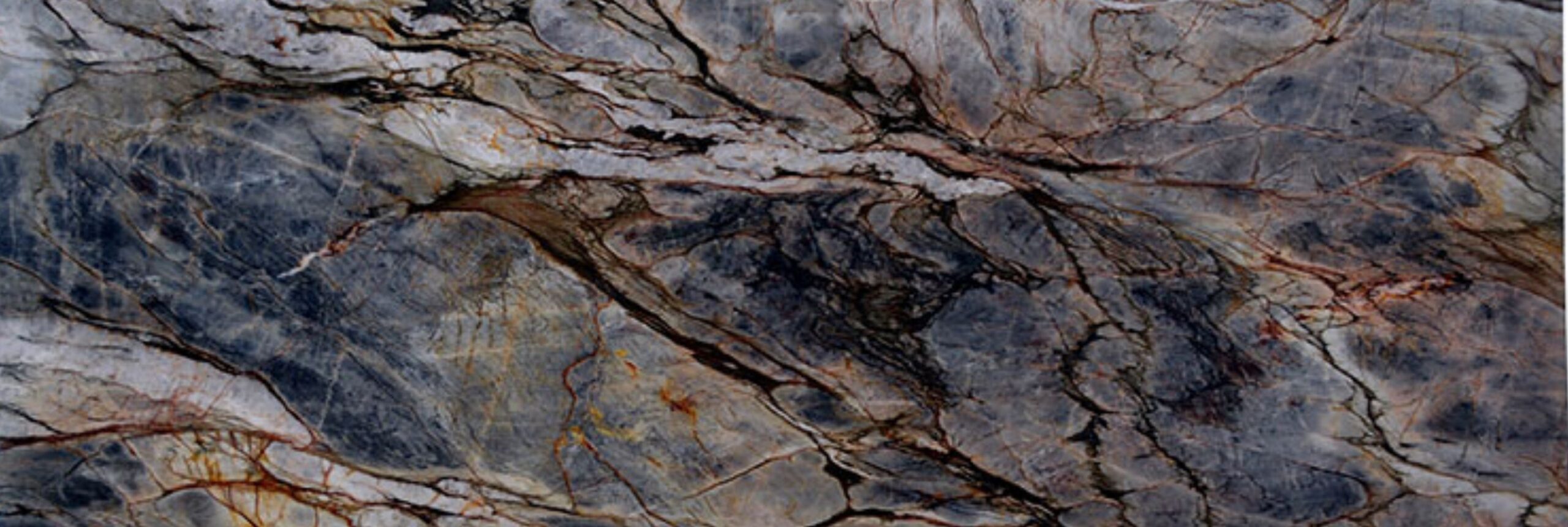
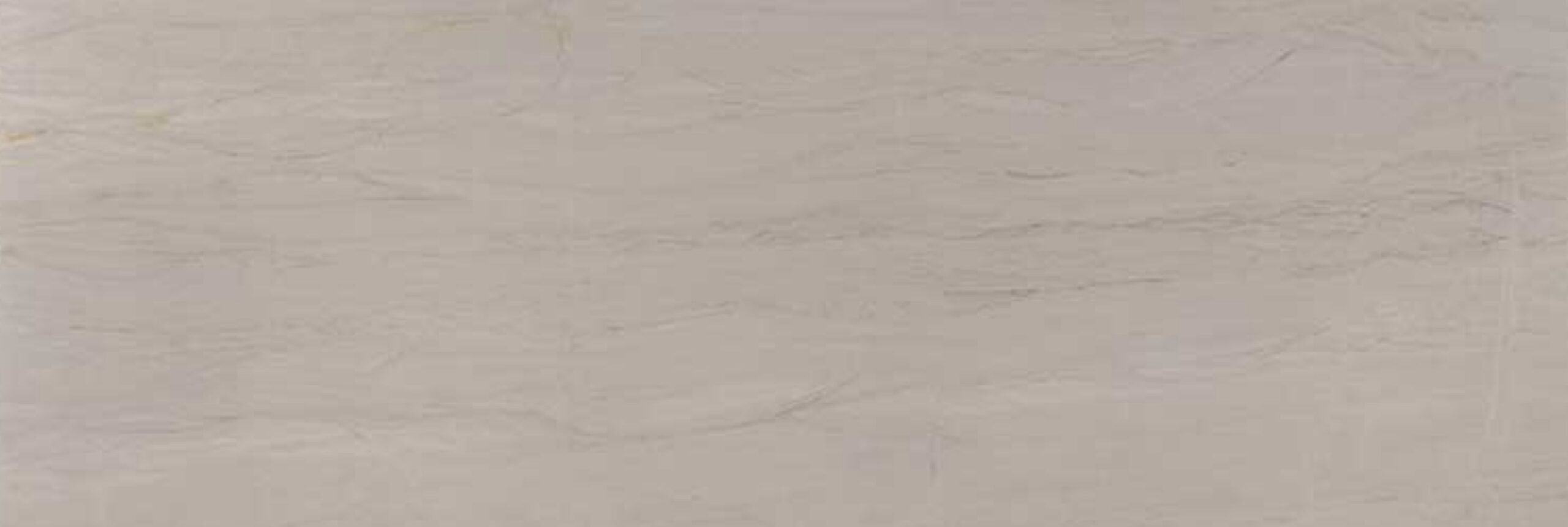
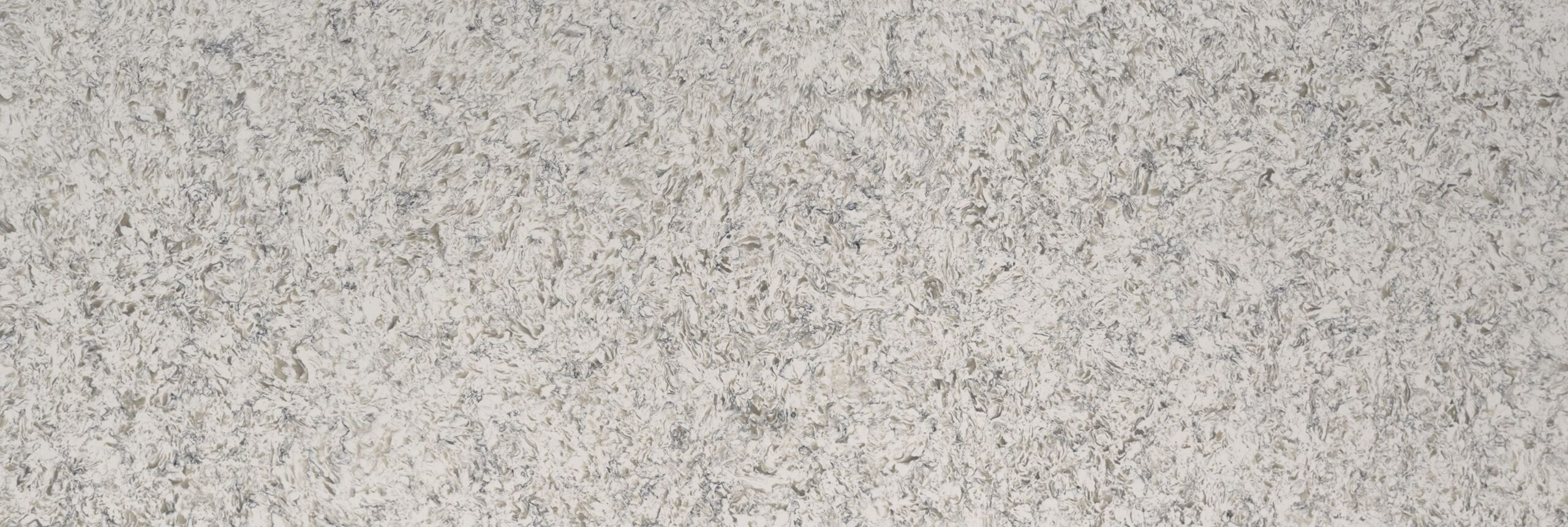
Countertops are one of the most significant surfaces in your kitchen and play a vital role in both function and aesthetics. Let’s explore some popular materials:
| Material | Durability | Maintenance | Cost |
|---|---|---|---|
| Quartz | Highly durable, non-porous | Easy to clean, no sealing required | Moderate |
| Granite | Very durable, heat-resistant | Requires periodic sealing | Moderate to high |
| Marble | Less durable, can scratch easily | Requires regular sealing and care | High |
| Quartzite | Highly durable, natural stone | Requires sealing, easy to clean | High |
Choosing the right countertop material depends on your cooking habits, aesthetic preferences, and maintenance willingness. For example, quartz countertops are a popular choice for their durability and low maintenance, making them ideal for busy kitchens. Visit our Everett showroom to see our selection of premium quartz options and find the perfect fit for your kitchen.
Expert Tips for Kitchen Design
Here are some additional expert tips to help you design your kitchen:
- Incorporate Multi-Functional Furniture: Consider a kitchen island that doubles as a dining area or workspace.
- Plan for Future Needs: Think about how your kitchen may need to adapt as your family grows or changes.
- Consult Professionals: Don’t hesitate to reach out to kitchen design experts for personalized guidance and insights.
Frequently Asked Questions
1. What are the most important features in a functional kitchen?
The most important features include an efficient layout, adequate storage, and proper lighting.
2. How can I make my kitchen more aesthetically pleasing?
Incorporate a harmonious color palette, mix textures, and add statement pieces such as unique light fixtures.
3. What countertop material is best for a busy kitchen?
Quartz is often recommended for busy kitchens due to its durability and low maintenance requirements.
4. How do I choose the right kitchen layout?
Consider your cooking habits and space availability. The most common layouts are U-shaped, L-shaped, and galley.
5. What lighting is best for a kitchen?
A combination of ambient, task, and accent lighting works best to create a well-lit and inviting kitchen.
6. How can I maximize storage in my kitchen?
Use high-quality cabinetry, open shelving, and consider a pantry for efficient storage solutions.
7. Should I hire a professional kitchen designer?
Hiring a professional can provide valuable insights and help you avoid costly mistakes.
8. How can I ensure my kitchen design is timeless?
Choose classic materials and colors, and avoid overly trendy elements that may not stand the test of time.
Conclusion
Designing a kitchen that balances function and beauty is an achievable goal with careful planning and consideration. By understanding key design principles and incorporating elements that reflect your style and needs, you can create a stunning kitchen that serves as the heart of your home. Remember to explore various materials, layouts, and design features to find the perfect combination for your space. For personalized assistance, call +1 425-545-8006 for personalized guidance or request a free consultation online. Your dream kitchen awaits!

About Washington Granite
Premium granite, quartz, quartzite, and marble countertop specialists in Washington State. We help homeowners transform their kitchens and bathrooms with luxury stone surfaces.