Table of Contents
The Ultimate Guide to Countertop and Backsplash Coordination Strategies
When it comes to kitchen and bathroom renovations, the choice of countertops and backsplashes plays a pivotal role in defining the overall aesthetic and functionality of the space. This comprehensive guide will walk you through the essential strategies for coordinating countertops with backsplashes, ensuring a harmonious design that enhances your home’s value and livability. Whether you’re considering premium quartz countertops or elegant marble options, mastering the art of coordination is key.
Understanding Countertop Materials
The first step in coordinating countertops and backsplashes is understanding the various materials available. Each type of countertop offers distinct characteristics, making it crucial to choose one that aligns with your style and functional needs. Here are some popular options:
- Quartz Countertops: Known for their durability and low maintenance, quartz countertops come in a wide variety of colors and patterns. They are engineered stone products, making them non-porous and resistant to stains.
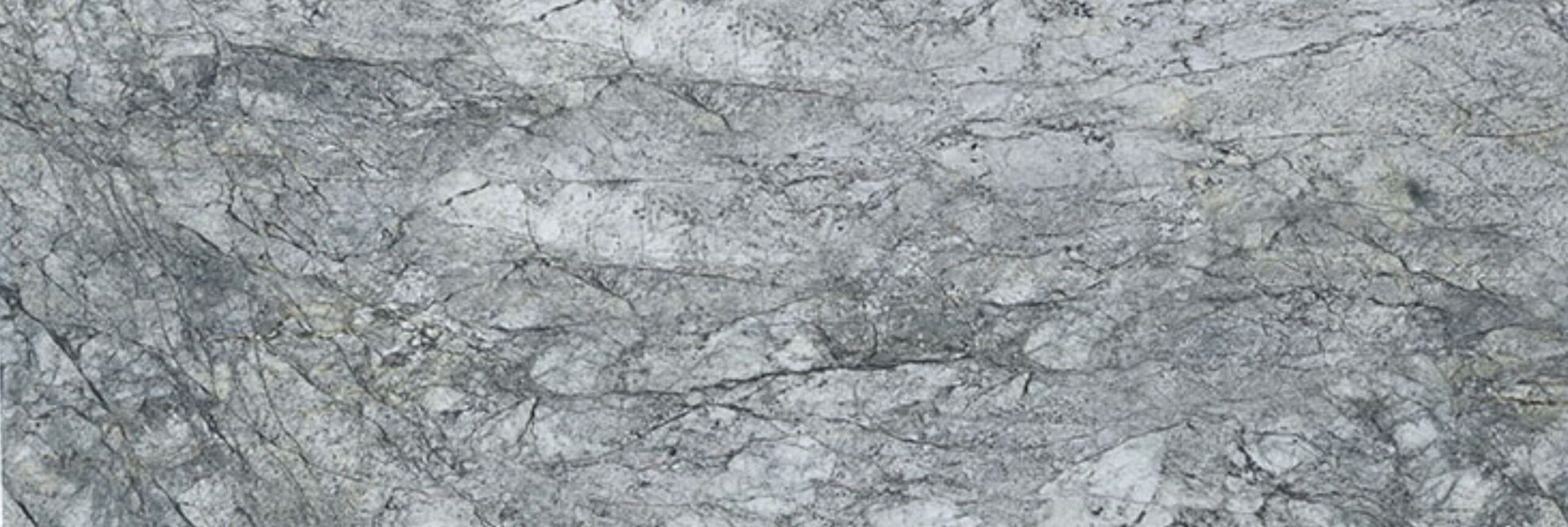
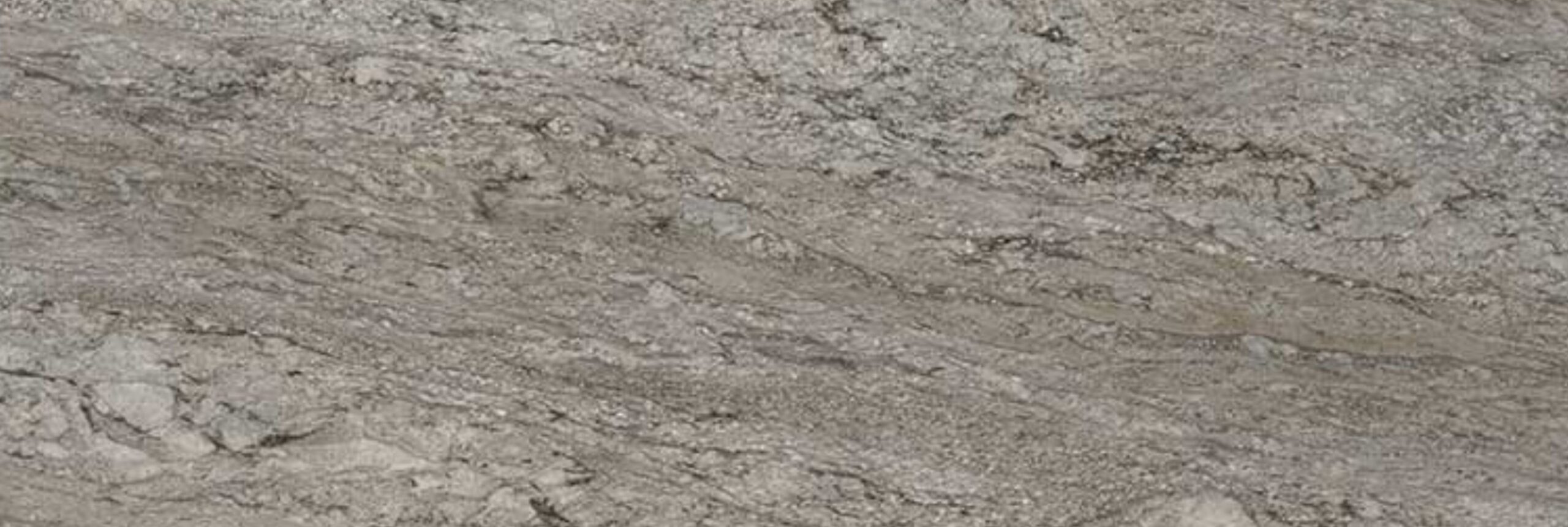
- Granite Countertops: A natural stone option, granite offers unique patterns and colors. It is highly durable but requires regular sealing to maintain its appearance.
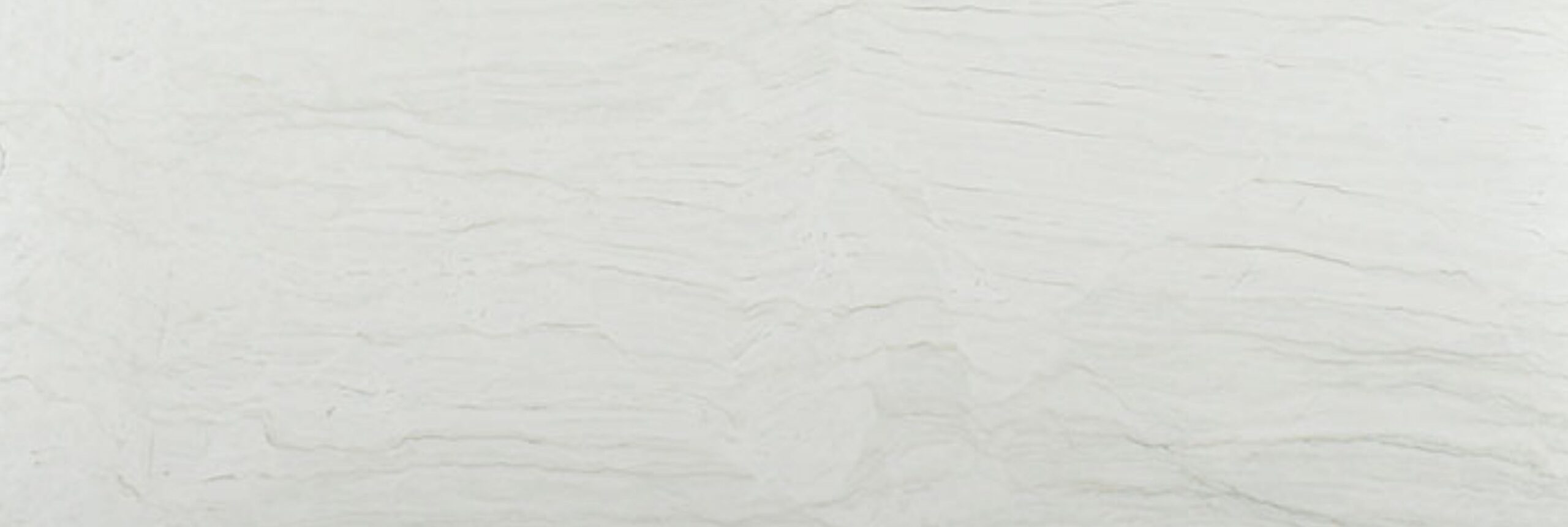
- Quartzite Countertops: Often confused with quartz, quartzite is a natural stone known for its stunning beauty and strength. It is ideal for those seeking a luxurious look.
- Marble Countertops: Renowned for its elegance, marble adds a classic touch to any space. However, it is more porous and can stain easily, requiring careful maintenance.
Exploring Backsplash Options
Just as important as countertops, backsplashes serve both functional and aesthetic purposes. They protect walls from moisture and stains while adding visual interest. Here are some popular backsplash materials to consider:
- Subway Tiles: These classic tiles are versatile and can be arranged in various patterns, making them a popular choice for both modern and traditional kitchens.
- Glass Tiles: Offering a sleek and contemporary look, glass tiles reflect light and can make a space feel larger.
- Natural Stone: Stone backsplashes, such as those made from slate or travertine, add texture and organic beauty to your kitchen.
- Metal Backsplashes: Perfect for industrial or modern designs, metal backsplashes provide a unique shine and are easy to clean.
Effective Coordination Strategies
Once you have a grasp of the materials available, it’s time to delve into strategies for coordinating your countertops and backsplashes. Here are some effective approaches:
1. Match Colors
One of the simplest ways to achieve a cohesive look is to match colors. For instance, if you choose a white quartz countertop, consider a backsplash that features similar white tones. This creates a seamless transition between the two surfaces.
2. Create Contrast
Alternatively, creating contrast can add visual interest to your space. Pairing a dark granite countertop with a light-colored backsplash, such as white subway tiles, can create a striking effect. This strategy draws attention to both elements, making them stand out.
3. Use Patterns Wisely
If your countertop features a bold pattern, opt for a more understated backsplash to avoid overwhelming the space. Conversely, if your countertop is solid, a patterned backsplash can add depth and intrigue.
4. Consider Texture
Texture plays a significant role in design. A smooth quartz countertop can be beautifully complemented by a textured stone backsplash, adding dimension to your kitchen or bathroom.
5. Harmonize Styles
Ensure that the styles of your countertops and backsplashes harmonize. For instance, a rustic farmhouse sink looks stunning with a natural stone backsplash and wooden cabinetry. On the other hand, sleek quartz countertops pair beautifully with modern glass tiles.
Expert Tips for Successful Pairing
Here are some additional expert tips:
- Visualize the Space: Use design software or apps to visualize your kitchen or bathroom with different combinations of countertops and backsplashes.
- Consult Professionals: Don’t hesitate to seek advice from experts at your local stone showroom, like Washington Granite, who can provide insights based on trends and material performance.
- Stay Within Your Design Theme: Whether you’re aiming for a modern, traditional, or eclectic style, your choices should reflect a cohesive theme throughout your home.
- Sample Before You Buy: Always request samples of your chosen materials. This helps you see how they look in your space and under various lighting conditions.
Common Mistakes to Avoid
When coordinating countertops and backsplashes, several common pitfalls can derail your design. Here are mistakes to watch out for:
- Ignoring Lighting: The color and texture of materials can change dramatically under different lighting. Inspect samples in natural and artificial light.
- Overcomplicating Patterns: Mixing too many patterns can create a chaotic look. Stick to one bold pattern and balance it with solid colors.
- Neglecting Functionality: While aesthetics are important, consider the practicality of your choices. For example, more porous materials may require more maintenance in high-use areas.
Design Inspiration for Your Home
Looking for inspiration? Here are a few design ideas to spark your creativity:
- Classic Elegance: Combine white marble countertops with a herringbone-patterned subway tile backsplash for a timeless look.
- Modern Minimalism: Use a sleek black quartz countertop paired with a white glass tile backsplash for a striking, contemporary vibe.
- Rustic Charm: A butcher block countertop complemented by a textured stone backsplash brings warmth and character to your kitchen.
Frequently Asked Questions
What are the best countertop materials for kitchens?
The best materials include quartz, granite, and marble, each offering unique benefits such as durability and aesthetics.
How do I choose a backsplash for my kitchen?
Consider the style of your countertop, your design theme, and the functionality of the materials.
Can I mix different materials for countertops and backsplashes?
Yes, mixing materials can create an interesting design, but ensure they complement each other in color and style.
What is the most durable countertop material?
Quartz is known for its durability and low maintenance, making it a popular choice for many homeowners.
How do I maintain my countertops and backsplashes?
Regular cleaning with appropriate products and proper sealing (for natural stone) will help maintain their appearance.
Are there any trends for countertop and backsplash combinations?
Current trends include bold contrasts, textured materials, and eco-friendly options.
What should I avoid when selecting a countertop and backsplash?
Avoid overly complex patterns and ensure your selections work well with your overall design theme.
How can I get personalized guidance for my countertop selection?
Call +1 425-545-8006 for personalized guidance or visit our Everett showroom to explore options.
Conclusion
Coordinating countertops and backsplashes is a fundamental aspect of kitchen and bathroom design that can significantly impact the overall aesthetic and functionality of your space. By understanding the materials available and employing effective coordination strategies, you can create a stunning environment that reflects your personal style. Remember, if you need personalized assistance, the experts at Washington Granite are here to help you select the perfect materials for your home. Contact us today for a consultation!

About Washington Granite
Premium granite, quartz, quartzite, and marble countertop specialists in Washington State. We help homeowners transform their kitchens and bathrooms with luxury stone surfaces.