Table of Contents
Essential Guide to Protecting Your Countertop Investment Daily
Your countertops are more than just a surface; they are an essential part of your home that elevates both functionality and aesthetic appeal. Whether you have installed premium quartz countertops, granite countertops, quartzite countertops, or marble countertops, understanding how to protect your investment with proper daily care is crucial. In this comprehensive guide, we will delve into the best practices for maintaining the durability and beauty of your countertops, ensuring they remain a stunning focal point in your kitchen or bathroom for years to come.
Understanding Your Countertop Material
Each countertop material has its unique characteristics, advantages, and care requirements. Knowing the specifics of your countertops will help you tailor your daily care routine effectively. Here’s a brief overview of common materials:
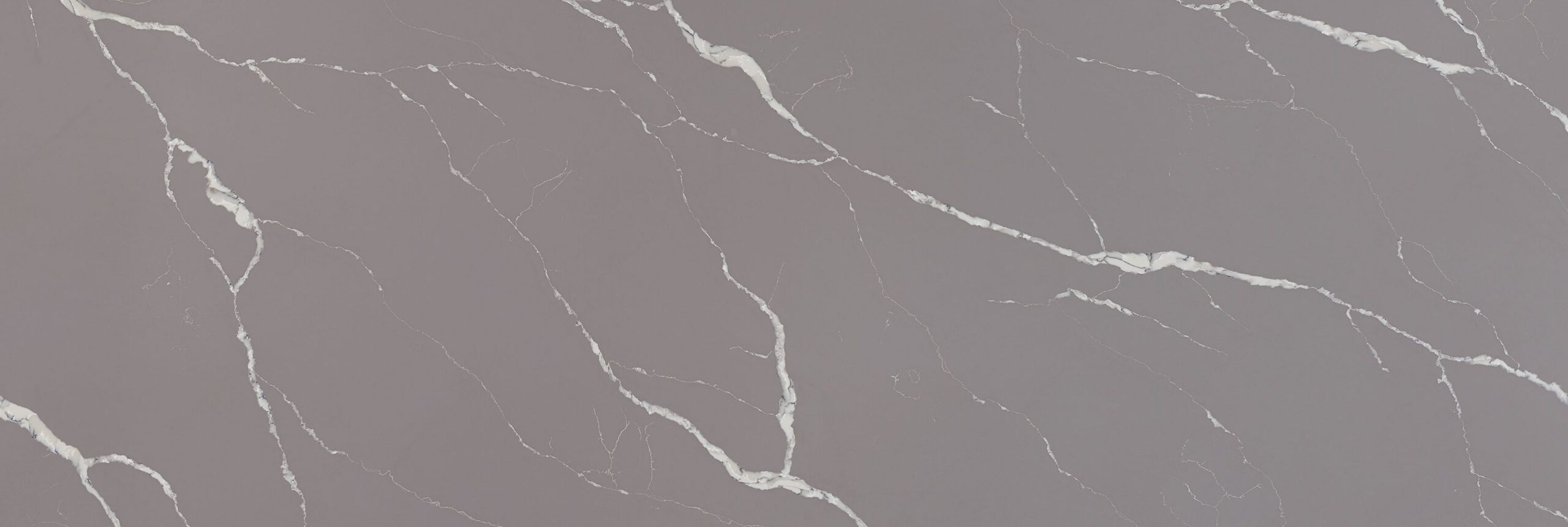
- Quartz Countertops: Engineered from natural stone and resins, quartz countertops are non-porous and resistant to stains and scratches. They require minimal maintenance but should be cleaned regularly to prevent buildup.
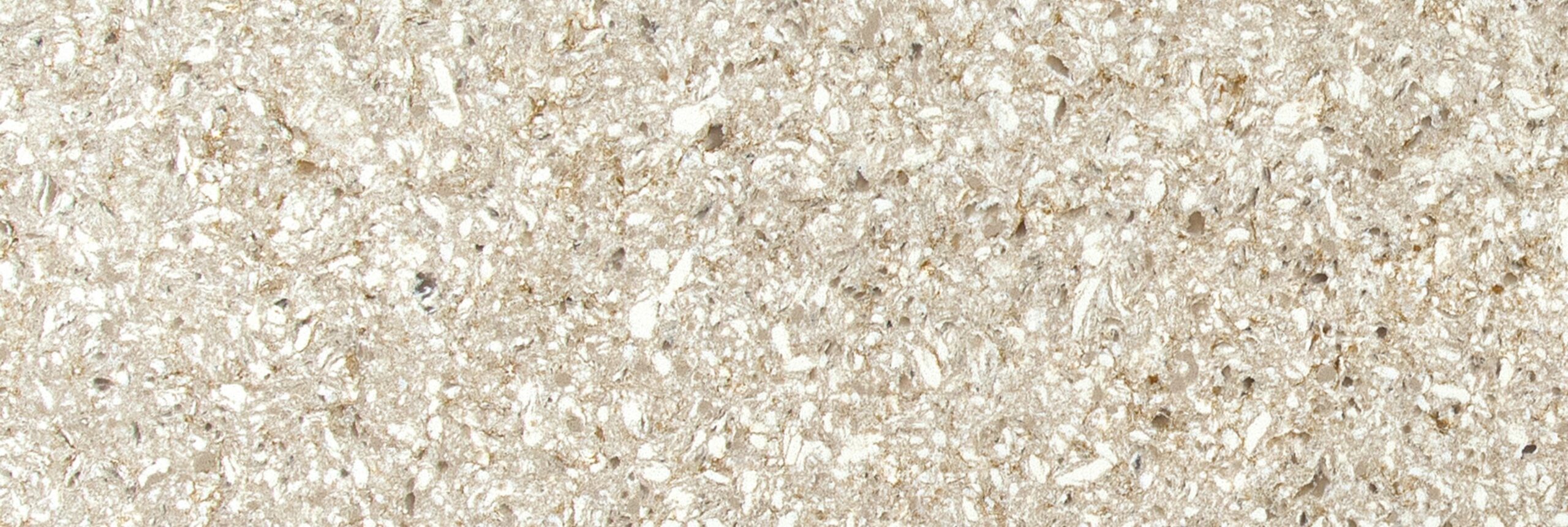
- Granite Countertops: A natural stone that is both durable and beautiful, granite is porous and requires sealing to prevent stains. Regular cleaning and occasional resealing are necessary to maintain its luster.
- Quartzite Countertops: Often confused with quartz, quartzite is a natural stone that is highly durable and resistant to heat. Like granite, it must be sealed to protect against stains.
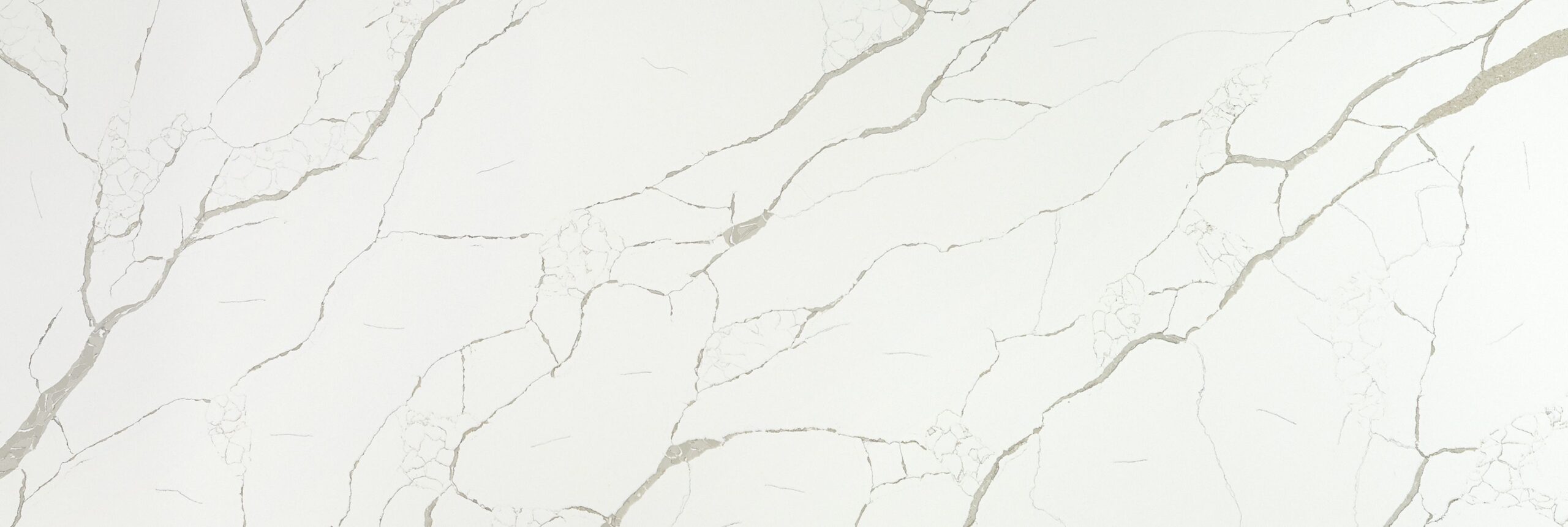
- Marble Countertops: Known for their classic beauty, marble countertops are more susceptible to staining and scratching. Regular sealing and careful cleaning are essential to keep them looking pristine.
Understanding these materials will help you adopt the right daily care practices, protecting your investment and maintaining the beauty of your countertops.
Daily Care Tips for Countertops
Implementing a daily care routine is vital for extending the life of your countertops. Here are some actionable tips to incorporate into your daily cleaning habits:
- Wipe Down Surfaces: After daily meal preparations, quickly wipe down your countertops with a soft cloth or sponge and a suitable cleaner. This prevents food particles and spills from settling and causing stains.
- Use Cutting Boards: Always use cutting boards when preparing food. This will prevent scratches and keep your countertops looking new. Avoid cutting directly on the surface, especially for softer materials like marble.
- Avoid Harsh Chemicals: Steer clear of abrasive cleaners and harsh chemicals that can damage the finish of your countertops. Instead, opt for pH-balanced cleaners specifically designed for your countertop material.
- Dry Spills Immediately: If you spill any liquids, such as wine or coffee, clean them up immediately to avoid staining, especially on porous surfaces like granite and marble.
- Keep It Clutter-Free: Avoid leaving items on your countertops for extended periods. This not only keeps your kitchen looking tidy but also reduces the risk of scratches and damage.
Cleaning Techniques for Different Materials
Different countertop materials require specific cleaning methods to ensure they remain in excellent condition. Here’s a breakdown of the best cleaning techniques for each type:
1. Quartz Countertops
To clean quartz countertops, use a gentle dish soap mixed with warm water. Apply the solution with a soft cloth or sponge, then rinse with clean water and dry with a microfiber cloth. For tougher stains, a mixture of baking soda and water can be applied.
2. Granite Countertops
Granite requires a mild detergent and warm water for daily cleaning. Avoid acidic cleaners, which can etch the surface. Reseal your granite countertops every 6-12 months, depending on usage.
3. Quartzite Countertops
Similar to granite, quartzite can be cleaned with a mixture of mild soap and water. Regular sealing is crucial to maintaining its beauty and preventing staining.
4. Marble Countertops
Marble requires more delicate care. Use a pH-neutral cleaner and a soft cloth. Avoid vinegar or lemon-based cleaners, as these can dull the finish. Regularly seal marble to protect it from stains.
Protecting Your Countertops from Damage
Preventative measures are key to protecting your countertops from potential damage. Here are some expert tips:
- Use Coasters and Trivets: Place coasters under drinks and trivets under hot pots and pans to prevent heat damage and ring marks.
- Seal Your Countertops: Regularly sealing your countertops, especially granite and marble, helps protect against stains. Consult our granite countertops page to learn more about sealing.
- Install a Backsplash: A backsplash can protect the wall behind your countertops from splashes and stains while adding a stylish element to your kitchen design.
- Be Mindful of Heavy Objects: Avoid dropping heavy items on your countertops, as this can lead to chipping or cracking, particularly in softer materials.
Long-Term Maintenance Practices
In addition to daily care, long-term maintenance practices will keep your countertops in top shape. Here are some suggestions:
- Regular Inspections: Periodically check for signs of wear, such as scratches or dullness, and address these issues promptly.
- Deep Cleaning: Schedule a deep cleaning every few months, using a professional service if necessary, to ensure your countertops receive a thorough clean.
- Educate Yourself: Stay informed about the best practices for your specific countertop material. Our blog features valuable insights and tips for homeowners.
Common Myths About Countertop Care
Understanding the truth behind common myths can help you care for your countertops more effectively. Here are some misconceptions:
- Myth 1: All Cleaners Are Safe: Many people assume that any cleaner is safe for all surfaces. In reality, using the wrong cleaner can damage your countertops.
- Myth 2: Sealing Isn’t Necessary: Some homeowners believe that sealing granite or marble is unnecessary. Sealing is vital to protect these porous materials from stains.
- Myth 3: Heat Resistance Is Unlimited: While many countertops are heat resistant, placing hot pots directly on the surface can still cause damage over time.
Conclusion
Protecting your countertop investment requires a commitment to daily care and long-term maintenance. By understanding your countertop material and implementing the best cleaning practices, you can ensure your surfaces remain beautiful and functional for years to come. If you have any questions or need personalized advice, contact us at Washington Granite for expert guidance. Visit our Everett showroom to explore our premium countertop options and get inspired for your next home project.
FAQ
1. How often should I clean my countertops?
You should clean your countertops daily to prevent stains and build-up. Regularly wipe them down after use.
2. Can I use vinegar to clean my countertops?
Avoid using vinegar on natural stone countertops like granite and marble, as it can etch the surface. Use pH-neutral cleaners instead.
3. How do I know if my granite countertops need sealing?
To test if your granite needs sealing, drop a small amount of water on the surface. If it absorbs quickly, it’s time to reseal.
4. Are quartz countertops stain-resistant?
Yes, quartz countertops are non-porous and highly resistant to stains, but it’s still important to clean spills promptly.
5. Can I place hot pots directly on my marble countertops?
It’s not advisable to place hot pots directly on marble countertops as they can be sensitive to heat and may discolor or damage the surface.
6. What’s the best way to remove stains from granite?
For stains on granite, use a mixture of baking soda and water to create a paste. Apply it to the stain, cover with plastic wrap, and let it sit for 24 hours before rinsing.
7. Do I need to worry about scratches on my quartz countertop?
While quartz is durable, it can still scratch. Always use cutting boards to protect the surface.
8. What should I do if my countertop gets chipped?
If your countertop gets chipped, consult a professional for repairs, especially if it’s a natural stone like granite or marble.

About Washington Granite
Premium granite, quartz, quartzite, and marble countertop specialists in Washington State. We help homeowners transform their kitchens and bathrooms with luxury stone surfaces.