Table of Contents
The Complete Guide to Countertop Care for Pet Owners
As a proud pet owner, you understand the joy and companionship that comes with having furry friends in your home. However, with pets comes the responsibility of maintaining a clean and safe living environment, especially when it comes to your kitchen and bathroom countertops. This comprehensive guide is designed to help you navigate the world of countertop care specifically tailored for pet owners. We'll cover essential tips, products, and practices that will keep your countertops looking pristine while ensuring the health and safety of your beloved pets.
Understanding Countertop Materials
Before diving into care tips, it’s essential to understand the different types of countertop materials and their unique characteristics. This knowledge will help you choose the right cleaning products and methods for your specific countertop type.
Granite Countertops
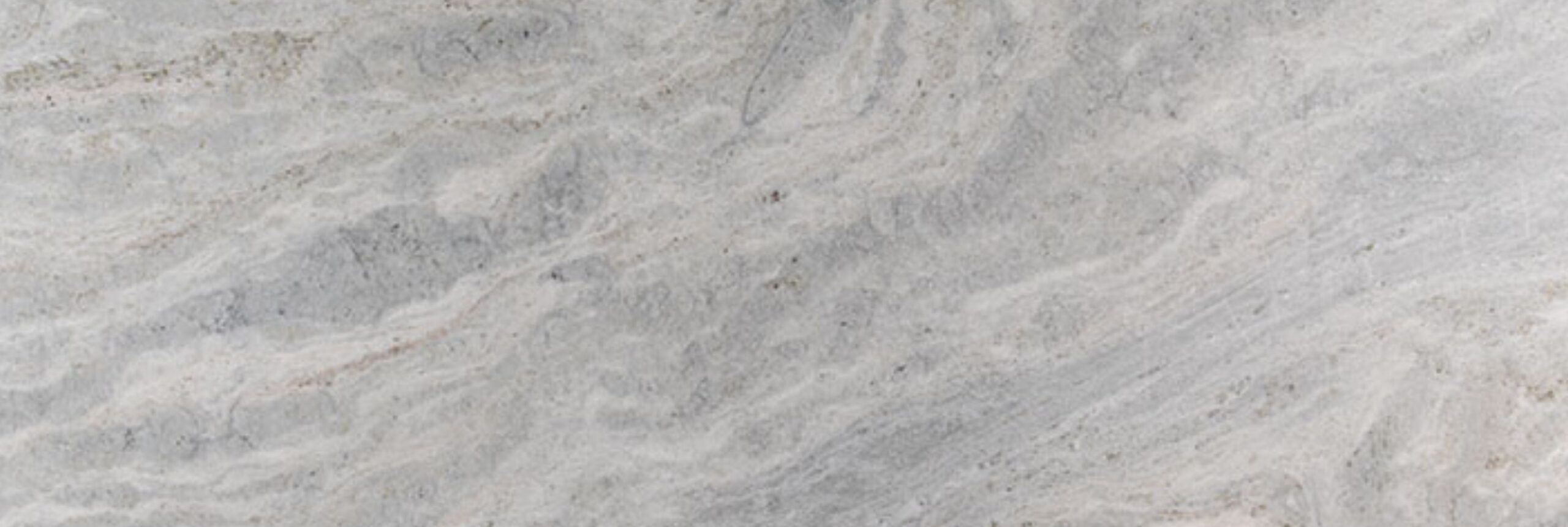
Granite is a popular choice for its durability and natural beauty. It is resistant to scratches and heat but can be porous, making it susceptible to stains if not sealed properly. Regular sealing is crucial to maintain its appearance and prevent bacteria buildup.
Quartz Countertops
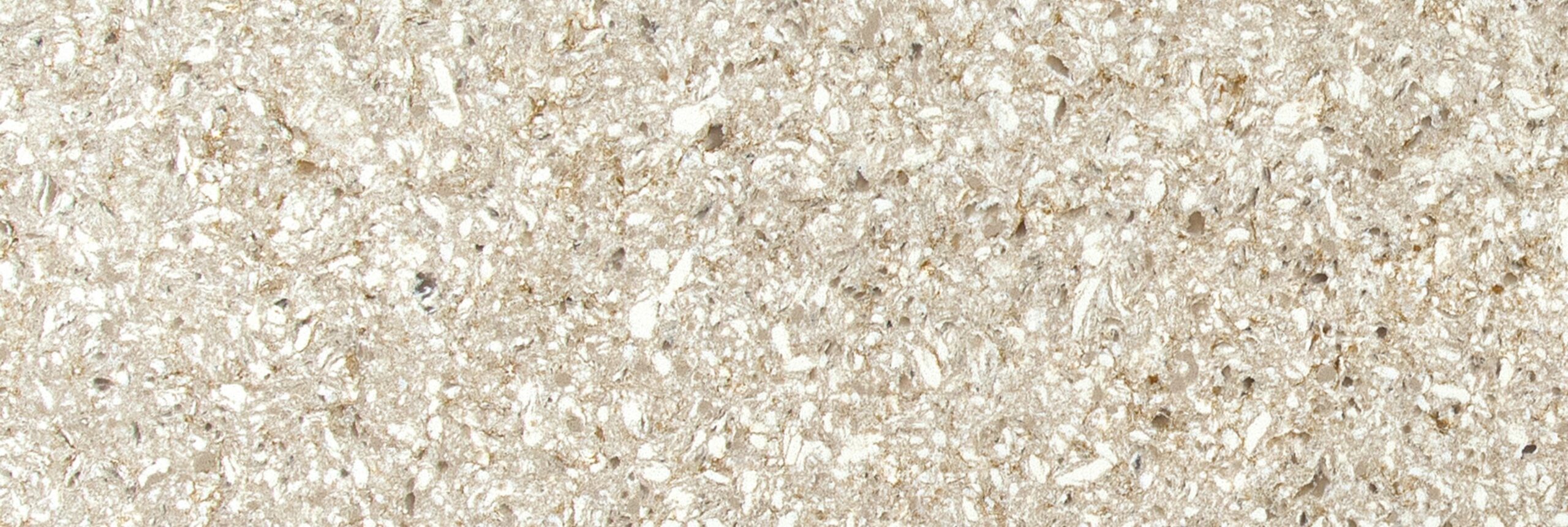
Quartz countertops are engineered stone surfaces that offer a non-porous, low-maintenance alternative to natural stone. They are highly resistant to stains and scratches, making them an excellent choice for homes with pets. Cleaning quartz typically involves mild soap and water.
Marble Countertops
While marble exudes luxury, it is softer than granite and quartz, making it more prone to scratches and etching. It is also more susceptible to staining from pet accidents. Regular sealing and gentle cleaning methods are recommended to keep marble countertops in top condition.
Quartzite Countertops
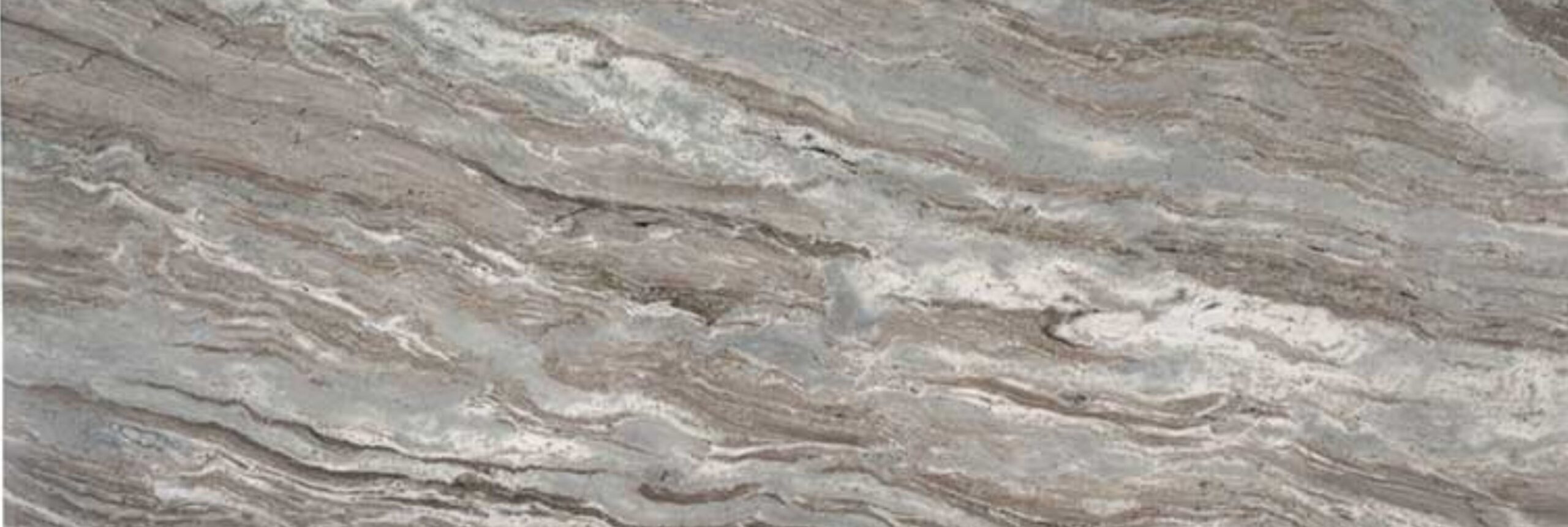
Quartzite combines the beauty of marble with the durability of granite. It is less porous than marble, making it more resistant to stains. However, like granite, it requires regular sealing to maintain its integrity.
Daily Care Tips for Pet Owners
Maintaining clean countertops is crucial for the health of both your pets and your family. Here are some daily care tips to help keep your surfaces spotless:
- Wipe Down Surfaces Regularly: Use a damp cloth or sponge with a mild detergent to wipe down your countertops daily. This practice helps remove pet hair, dander, and food particles.
- Use Pet-Safe Cleaning Products: Choose cleaning products that are safe for pets. Avoid harsh chemicals that can leave harmful residues. For instance, vinegar and baking soda are safe and effective natural cleaners.
- Address Spills Promptly: If your pet has an accident or spills occur, clean them immediately to prevent stains and odors from setting in. Use a gentle cleaner appropriate for your countertop material.
- Designate Pet-Free Zones: Consider designating certain areas of your countertops as pet-free zones to minimize pet-related messes.
Deep Cleaning Techniques
Even with daily care, your countertops may require deeper cleaning from time to time. Here’s how to tackle deep cleaning effectively:
Granite and Quartzite
1. Start by removing all items from the countertop.
2. Use a pH-balanced cleaner specifically designed for stone surfaces.
3. Apply the cleaner and let it sit for a few minutes to break down grime.
4. Use a soft cloth or sponge to scrub the surface gently.
5. Rinse thoroughly with water and dry with a microfiber cloth.
Quartz
1. Similar to granite, clear the countertop of all items.
2. Mix warm water with a few drops of mild dish soap.
3. Use a non-abrasive sponge to clean the surface, ensuring not to use harsh scrubbing pads.
4. Rinse and dry as described above.
Marble
1. Remove items and dust the surface with a soft cloth.
2. Use a specialized marble cleaner or a mixture of water and mild soap.
3. Apply with a soft cloth and scrub gently to avoid scratches.
4. Rinse thoroughly to remove all soap residues.
Preventative Measures for Pet Owners
Taking preventative measures can significantly reduce the amount of cleaning required and prolong the life of your countertops. Here are some strategies:
- Use Coasters and Trivets: Protect your countertops from scratches and heat damage by using coasters for drinks and trivets for hot pots.
- Seal Your Countertops: Regularly sealing granite and quartzite surfaces helps prevent stains and damage. Consult with professionals for the best sealing schedule.
- Invest in Surface Protectors: Consider using surface protectors or mats in high-traffic areas to minimize wear and tear.
- Keep Pet Grooming Tools Handy: Regularly grooming your pets can help minimize shedding and dander, reducing the mess on your countertops.
Choosing the Right Countertop for Your Home
If you're in the market for new countertops, consider how each material will hold up in a pet-friendly environment. Here’s a comparison table to help you decide:
| Countertop Material | Durability | Stain Resistance | Maintenance Level |
|---|---|---|---|
| Granite | High | Moderate | Medium |
| Quartz | Very High | High | Low |
| Marble | Medium | Low | High |
| Quartzite | High | Moderate | Medium |
In conclusion, quartz countertops may be the ideal choice for pet owners due to their high durability and low maintenance requirements. For those who prefer the natural aesthetic of stone, granite and quartzite also offer excellent options with proper care.
Frequently Asked Questions
What is the best way to clean granite countertops?
The best way to clean granite countertops is to use a mild pH-balanced cleaner and a soft cloth. Avoid acidic or abrasive cleaners that can damage the surface.
Are quartz countertops safe for pets?
Yes, quartz countertops are non-porous and do not harbor bacteria, making them a safe choice for homes with pets.
How often should I seal my granite countertops?
Granite countertops should be sealed every 1-3 years, depending on the usage and the specific product used. Always follow the manufacturer's recommendations.
Can I use vinegar to clean my marble countertops?
No, vinegar should not be used on marble countertops as it can cause etching and damage the surface. Use a specialized marble cleaner instead.
How can I prevent my pet from jumping on the countertops?
Training and positive reinforcement can help prevent pets from jumping on countertops. Providing alternative elevated spaces for them may also be helpful.
What should I do if my pet has an accident on the countertop?
Immediately clean the area with a safe cleaner suitable for your countertop material. Rinse thoroughly and dry the surface to prevent staining.
Are there any natural cleaning products safe for pets?
Yes, mild dish soap, vinegar (for non-marble surfaces), and baking soda are natural cleaning agents that are generally safe for pets.
What is the most durable countertop for pet owners?
Quartz countertops are considered the most durable option for pet owners due to their resistance to scratches and stains.
Conclusion
Maintaining your countertops as a pet owner requires commitment and the right techniques. By understanding your countertop material and implementing effective cleaning and preventative measures, you can keep your surfaces looking beautiful and safe for your pets. Whether you choose quartz, granite, or another material, Washington Granite is here to help you find the perfect countertop for your home. Call +1 425-545-8006 for personalized guidance or visit our Everett showroom to explore options.

About Washington Granite
Premium granite, quartz, quartzite, and marble countertop specialists in Washington State. We help homeowners transform their kitchens and bathrooms with luxury stone surfaces.