Table of Contents
Ultimate Guide to Designing a Kitchen Pantry with Durable Countertops
Designing a kitchen pantry is more than just about storage; it’s about creating a functional and aesthetically pleasing space that enhances your cooking experience. One critical aspect that often gets overlooked is the choice of durable countertop surfaces. In this comprehensive guide, we will delve into how to design a kitchen pantry with durable countertops, ensuring that your pantry is not only beautiful but also practical and long-lasting. You’ll learn about different countertop materials, design tips, and how to optimize your pantry layout for maximum efficiency.
Understanding Kitchen Pantry Design
A kitchen pantry serves as the heart of your kitchen, providing essential storage space for food items, cooking supplies, and other necessities. When designing your pantry, consider the following:
- Functionality: Ensure that your pantry layout allows for easy access to items. Consider using pull-out shelves or lazy Susans to maximize space.
- Storage Solutions: Utilize vertical space by installing shelves that reach the ceiling. Incorporate bins and baskets for organization.
- Accessibility: Keep frequently used items at eye level and store less-used items higher up.
By focusing on these core elements, you can create a pantry that enhances your kitchen’s functionality and aesthetic appeal.
Choosing the Right Countertop Material
The choice of countertop material plays a crucial role in the durability and overall look of your pantry. Here are some popular options:
1. Quartz Countertops
Quartz countertops are engineered stone surfaces known for their durability and low maintenance. They are non-porous, making them resistant to stains and bacteria, which is essential in a food storage area. The variety of colors and patterns available allows for seamless integration into any design scheme. For more details on quartz options, explore our premium quartz countertops.
2. Granite Countertops
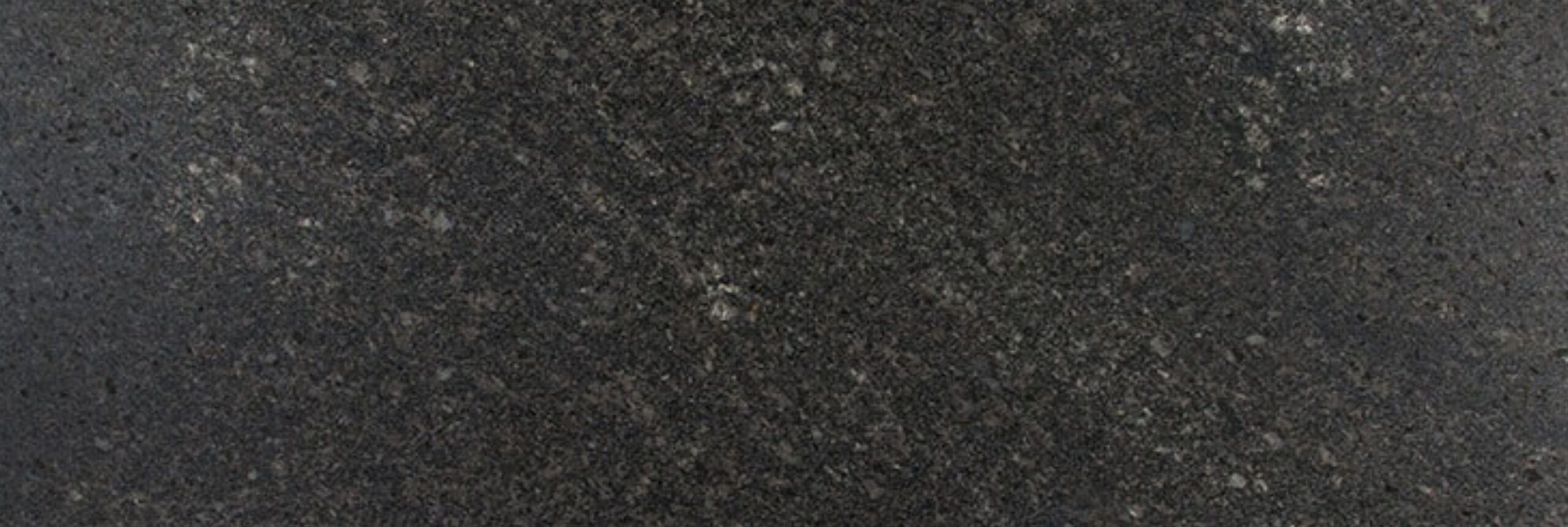
Granite is a natural stone that offers unparalleled durability and a unique aesthetic. Each slab has its own distinct pattern, making it a popular choice for homeowners seeking a one-of-a-kind look. Granite is heat-resistant and can withstand heavy use, making it ideal for a pantry countertop.
3. Quartzite Countertops
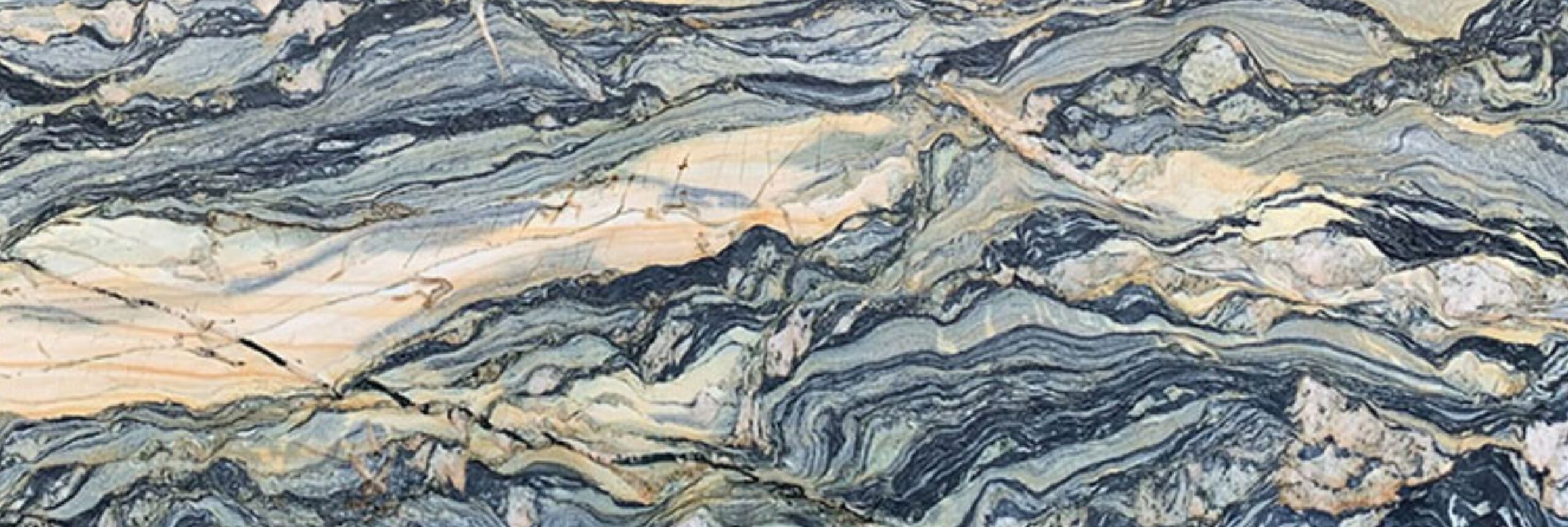
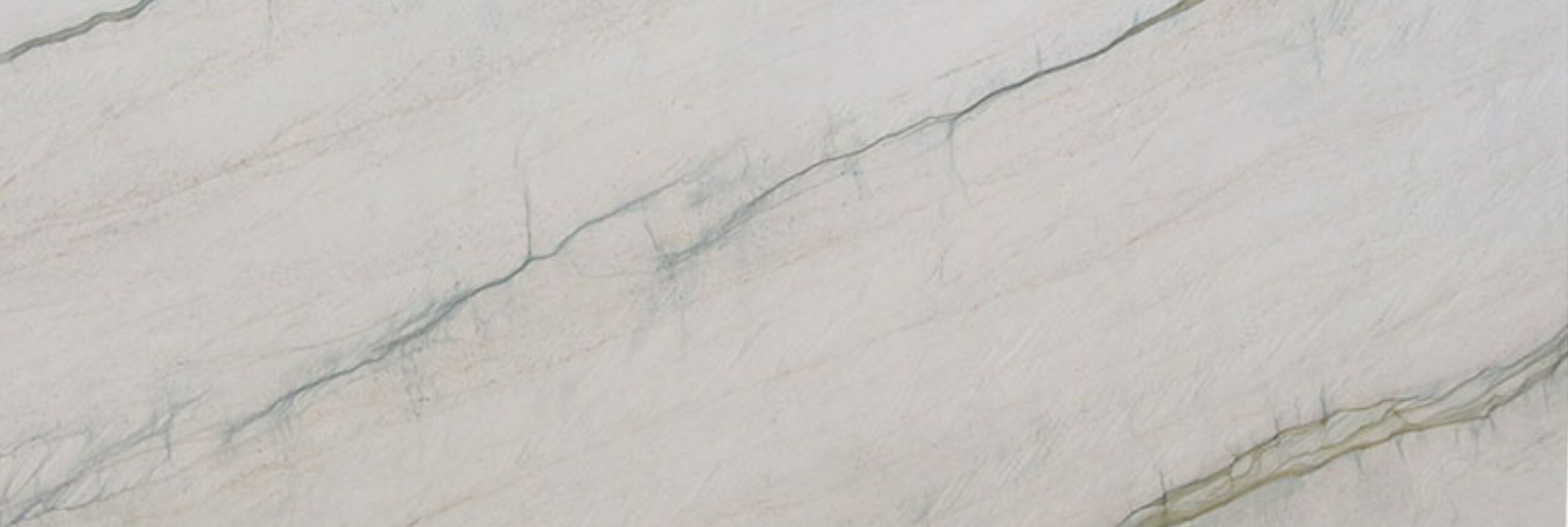
Quartzite is another natural stone, often mistaken for marble due to its stunning appearance. It is incredibly durable and resistant to scratches and heat, making it a practical choice for a pantry. For more about quartzite, visit our quartzite countertops page.
4. Marble Countertops
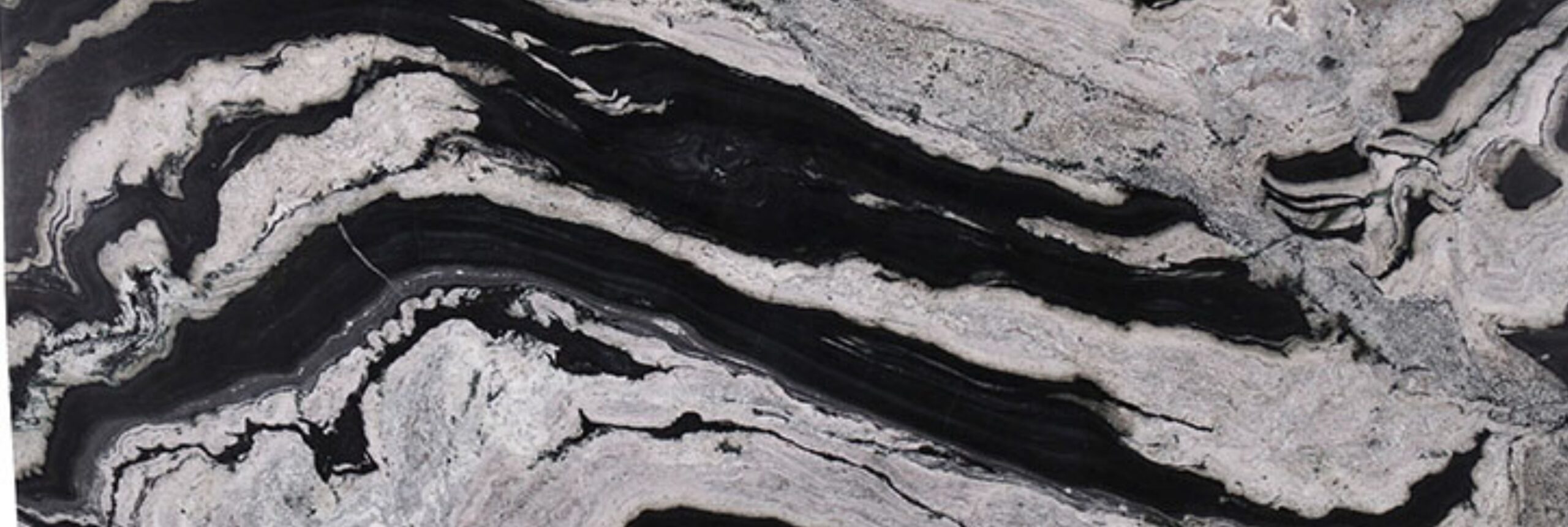
While marble is known for its elegance and beauty, it is less durable than granite or quartz. However, if properly sealed and maintained, it can still function well in a pantry setting. Explore our marble countertops for more options.
Comparison Table of Countertop Materials
| Material | Durability | Maintenance | Cost |
|---|---|---|---|
| Quartz | High | Low | Moderate |
| Granite | Very High | Moderate | High |
| Quartzite | Very High | Low | High |
| Marble | Moderate | High | High |
Designing the Pantry Layout
Once you’ve chosen your countertop material, the next step is to design your pantry layout. Here are some tips to consider:
- Work Triangle: Ensure that the pantry layout allows for a smooth workflow between the refrigerator, sink, and stove.
- Zone Planning: Designate areas for specific tasks, such as food storage, prep work, and cooking supplies.
- Lighting: Incorporate good lighting to enhance visibility and make the space feel inviting. Consider under-shelf lighting or pendant lights for a stylish touch.
Incorporating Durable Countertops in Your Design
Now that you have your layout, it’s time to integrate your durable countertops into the design. Here are some expert tips:
Additionally, consider the following:
- Edge Profiles: Choose edge profiles that complement your design style. Beveled or rounded edges can add a modern touch.
- Backsplash: Incorporate a matching backsplash for a seamless look. This can also protect your walls from spills and stains.
- Finishing Touches: Add decorative elements, such as potted herbs or stylish jars, to enhance the aesthetic appeal of your pantry.
Maintenance Tips for Your Pantry Countertops
To ensure the longevity of your countertops, proper maintenance is essential. Here are some tips for different materials:
Quartz
Simply clean with soap and water. Avoid harsh chemicals that can damage the surface.
Granite
Seal your granite countertops every 1-2 years to prevent staining. Clean with a pH-balanced cleaner.
Quartzite
Similar to granite, quartzite should be sealed periodically. Use a soft cloth for cleaning.
Marble
Due to its porous nature, marble requires regular sealing and should be cleaned with a gentle cleaner to avoid etching.
Expert Insights and Trends
As you design your kitchen pantry, it's beneficial to stay updated on the latest trends. Some current trends include:
- Open Shelving: Many homeowners are opting for open shelving to display beautiful jars and dishes.
- Smart Storage Solutions: Incorporating technology into pantry design, such as smart shelves or inventory apps, is becoming increasingly popular.
- Eco-Friendly Materials: More homeowners are seeking sustainable materials for their countertops and storage solutions.
For more inspiration and ideas, visit our inspiration page.
Frequently Asked Questions
1. What is the best countertop material for a kitchen pantry?
The best countertop material depends on your specific needs. Quartz is highly durable and low-maintenance, while granite offers unique beauty and extreme durability.
2. How do I maintain my marble countertop?
Ensure you seal your marble countertop regularly and clean it with a gentle cleaner to avoid etching.
3. Can I use laminate countertops in my pantry?
While laminate can be a cost-effective option, it may not be as durable as stone surfaces. If you choose laminate, ensure it is high-quality and well-maintained.
4. How often should I seal granite countertops?
Granite countertops should typically be sealed every 1-2 years to maintain their protective barrier.
5. What are the benefits of using quartz countertops?
Quartz countertops are non-porous, making them resistant to stains and bacteria, and they require minimal maintenance.
6. How can I maximize space in my pantry?
Utilize vertical space with tall shelves, and consider pull-out drawers or bins for better organization.
7. What is the average height for pantry countertops?
The standard height for pantry countertops is 36 inches, but you can customize this based on your needs.
8. Are there eco-friendly options for pantry countertops?
Yes, many manufacturers now offer sustainable materials for countertops, such as recycled glass or reclaimed wood.

About Washington Granite
Premium granite, quartz, quartzite, and marble countertop specialists in Washington State. We help homeowners transform their kitchens and bathrooms with luxury stone surfaces.