Table of Contents
Ultimate Guide: How Light and Space Affect Your Countertop Color Choice
Choosing the right color for your countertops is a decision that can significantly impact the overall aesthetic of your kitchen or bathroom. The interplay of light and space is crucial in this process, as it influences how colors are perceived and how they harmonize with your existing decor. In this comprehensive guide, we will explore how light and space affect your countertop color choice, providing insights that will empower you to make informed decisions that enhance your home’s beauty and functionality.
Understanding Light: Natural vs. Artificial
Light plays a pivotal role in interior design, particularly when it comes to color selection. There are two primary types of light to consider: natural and artificial. Natural light varies throughout the day and can change the appearance of colors dramatically. For instance, a countertop that looks warm and inviting in the morning light may appear cooler as the sun sets.
Conversely, artificial lighting, such as fluorescent, incandescent, or LED, can also influence how colors are perceived. Each type of light has a different color temperature, measured in Kelvins (K), which affects the ambiance and mood of a space. Understanding these differences is essential when selecting your countertop material. For more information on light and its effects, you can refer to resources from the National Research Council of Canada.
Effects of Light on Color Perception
The perception of color can vary significantly based on the light source. Here are some key factors to consider:
- Color Temperature: Measured in Kelvins, the color temperature of light can range from warm (below 3000K) to cool (above 5000K). Warm light enhances yellows and reds, while cool light emphasizes blues and greens.
- Intensity: Bright environments can make colors appear more vibrant, while dim lighting may dull them. Consider how the intensity of the light will affect your countertop choice.
- Direction: The angle at which light hits surfaces can create highlights and shadows, altering the visual impact of colors. For instance, a kitchen countertop may look different depending on whether the light comes from above or from the side.
Natural Light Effects
Natural light is often considered the best light for evaluating colors. It provides a full spectrum of light, allowing colors to appear more true to their nature. Here are some considerations for how natural light affects countertop choices:
- Morning vs. Evening: Morning light tends to be cooler and softer, while evening light is warmer. Test your countertop samples in both conditions to see how they change.
- Seasonal Changes: The angle of the sun changes with the seasons, affecting how light enters your home. Be mindful of this when selecting colors.
Artificial Light Effects
Artificial lighting can be more challenging, as it often casts a specific hue that can distort color perception. Different types of bulbs can create varying effects:
- Incandescent Bulbs: These emit a warm light that enhances yellows and reds, making warm-toned countertops look inviting.
- Fluorescent Bulbs: Often cooler and harsher, fluorescent lights can wash out colors, particularly warmer tones.
- LEDs: Available in various color temperatures, LEDs can mimic both warm and cool light, providing flexibility in how colors are perceived.
Space Considerations: Size and Layout
The dimensions and layout of your kitchen or bathroom also play a crucial role in selecting countertop colors. Here are some factors to keep in mind:
- Room Size: In smaller rooms, lighter colors can create an illusion of space, making the area feel larger and more open. Darker colors can make a large space feel cozier but may overwhelm a small room.
- Countertop Placement: Depending on where the countertop is situated, the amount of light it receives will vary. For instance, a countertop near a window will appear differently than one in a shadowy corner.
- Open vs. Closed Spaces: In an open floor plan, consider how the countertop color will integrate with adjacent spaces. A cohesive color palette enhances flow and harmony throughout your home.
Choosing Countertop Colors Based on Light and Space
Now that we've explored the effects of light and space on color perception, let’s discuss how to choose the right countertop colors for your home:
1. Evaluate Your Lighting Conditions
Begin by assessing the natural and artificial lighting in your space. Observe how it changes throughout the day and take note of how different colors appear under various lighting conditions.
2. Consider the Size of Your Space
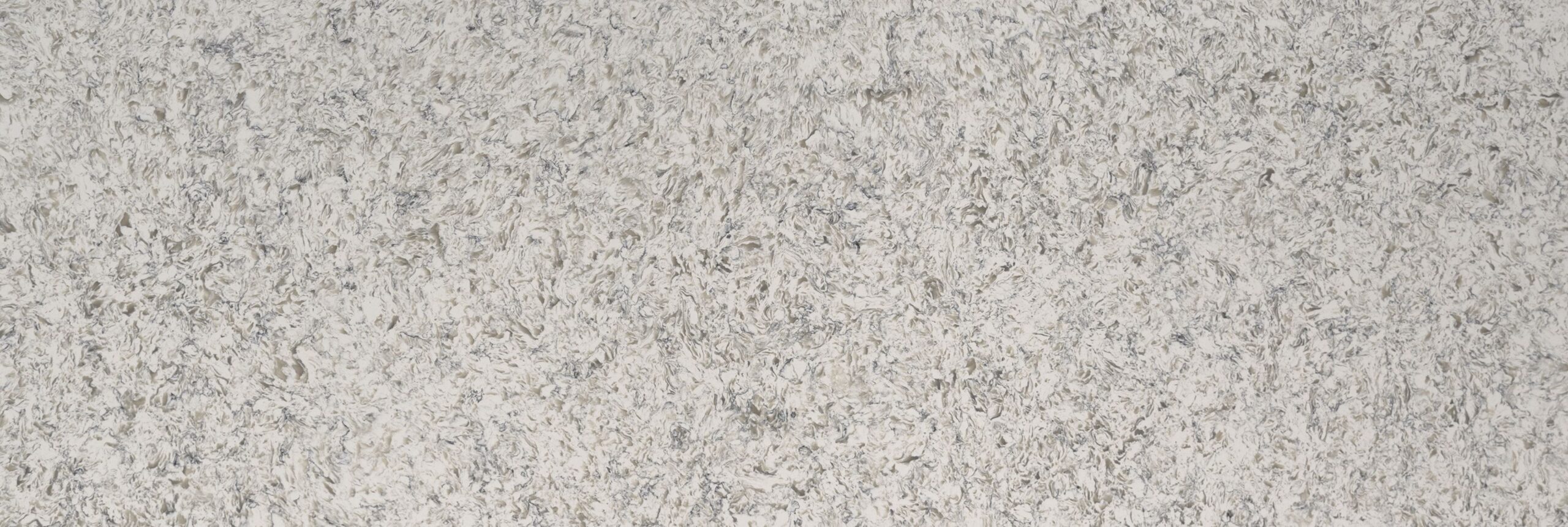
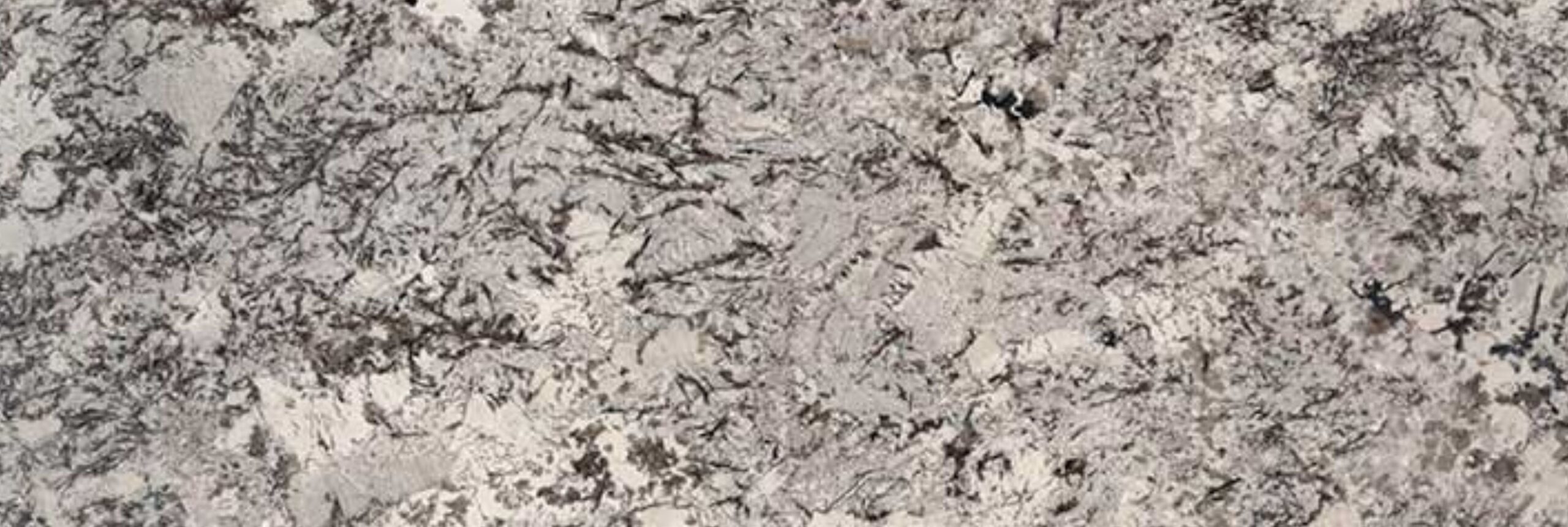
For smaller kitchens or bathrooms, opt for lighter countertop colors such as Glacier White Quartz or Fairy White Quartz to create an airy feel. In larger spaces, you can experiment with darker tones like Azul Celeste Granite or rich marble options.
3. Harmonize with Existing Decor
Your countertop should complement the overall color scheme of your kitchen or bathroom. For example, if your cabinetry is dark, consider lighter or patterned countertops to create contrast. Conversely, if your space is predominantly light, a darker countertop can add sophistication.
4. Test Samples in Different Lights
Always bring countertop samples into your home and observe them in different lighting conditions before making a final decision. This step is crucial for understanding how the color interacts with your space.
5. Consult with Experts
At Washington Granite, we offer personalized slab selection experiences in our Everett showroom. Our experienced installers and consultants are here to help you choose the perfect countertop material that aligns with your vision and space.
Tips for Selecting the Right Countertops
Here are some actionable tips to guide your countertop selection process:
- Use a Color Wheel: A color wheel can help you visualize how different colors work together. Complementary colors can enhance the aesthetic appeal of your space.
- Consider Texture: The texture of your countertop can affect how light interacts with it. Polished surfaces reflect light, making colors appear brighter, while matte finishes absorb light, creating a softer look.
- Think About Maintenance: Lighter colors may show stains more easily, while darker colors can hide imperfections. Choose a color that fits your lifestyle and maintenance preferences.
- Explore Different Materials: Different materials, such as quartz, granite, and marble, offer unique color options and finishes that can affect the overall look of your space. Explore our range of quartz countertops, granite countertops, and marble countertops to find the right fit for your home.
Frequently Asked Questions
1. How does natural light affect countertop color?
Natural light can enhance or diminish the vibrancy of countertop colors, making them appear different at various times of the day.
2. What colors are best for small kitchens?
Lighter colors are typically best for small kitchens, as they create an illusion of space and openness.
3. How can I test countertop colors in my home?
Bring samples into your space and observe them under different lighting conditions to see how they change throughout the day.
4. What is the best lighting for selecting countertop colors?
Natural daylight is ideal for evaluating colors, but you should also consider how artificial lighting affects the colors in your home.
5. Should I match my countertop to my cabinets?
While matching can create a cohesive look, contrasting colors can also add interest. Consider your overall design scheme.
6. How do I choose between quartz, granite, and marble?
Consider factors like durability, maintenance, and aesthetic preference. Each material has unique qualities that may influence your decision.
7. Can I mix and match countertop colors?
Yes, mixing colors can create a dynamic look. Ensure the colors complement each other and fit your overall design.
8. What are some timeless countertop colors?
Timeless colors include whites, grays, and earth tones that can adapt to changing trends and different lighting conditions.

About Washington Granite
Premium granite, quartz, quartzite, and marble countertop specialists in Washington State. We help homeowners transform their kitchens and bathrooms with luxury stone surfaces.