Table of Contents
The Art of Slab Selection: Choosing the Perfect Stone for Your Kitchen
When it comes to upgrading your kitchen, the choice of countertop material can significantly impact both the aesthetic and functional quality of your space. Among the myriad options available, the selection of the perfect stone slab—whether it's quartz, granite, quartzite, or marble—demands careful consideration. In this comprehensive guide, we’ll explore the essential factors to consider when choosing a stone slab for your kitchen, offering you expert insights to help you make an informed decision. By the end, you will not only understand the nuances of different materials but also feel confident in your ability to select a slab that perfectly complements your style and meets your practical needs.
Understanding Countertop Materials
Before diving into the selection process, it's crucial to understand the different types of countertop materials available. Each type has unique characteristics, advantages, and disadvantages that can significantly affect your kitchen's overall look and functionality.
Quartz Countertops
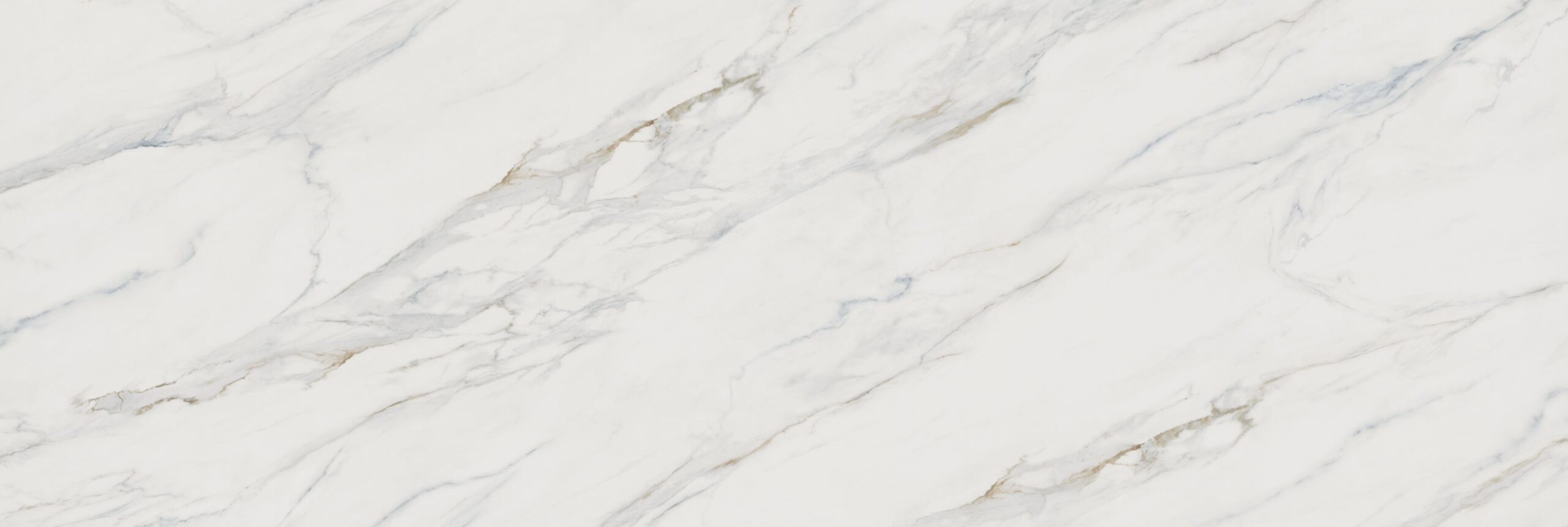
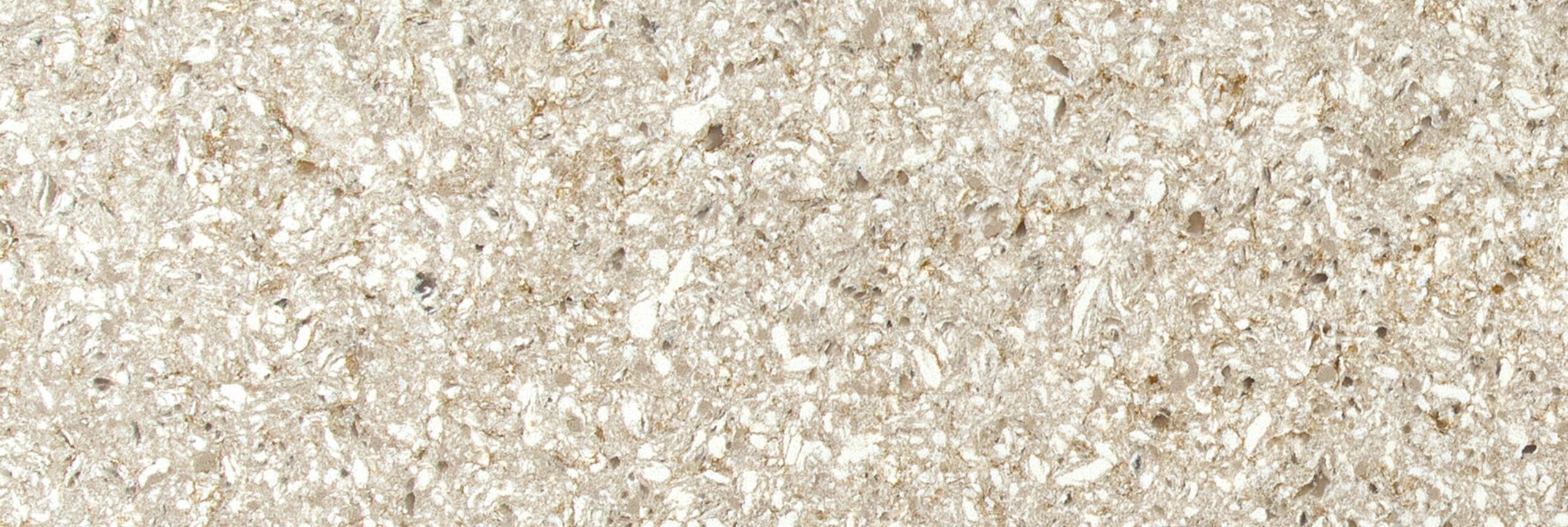
Quartz countertops are engineered stone surfaces made from approximately 90% crushed natural quartz crystals mixed with resins and pigments. This combination results in a non-porous, durable surface that is resistant to stains and scratches. Some popular choices include Alabaster White and Calacatta Alto.
Granite Countertops
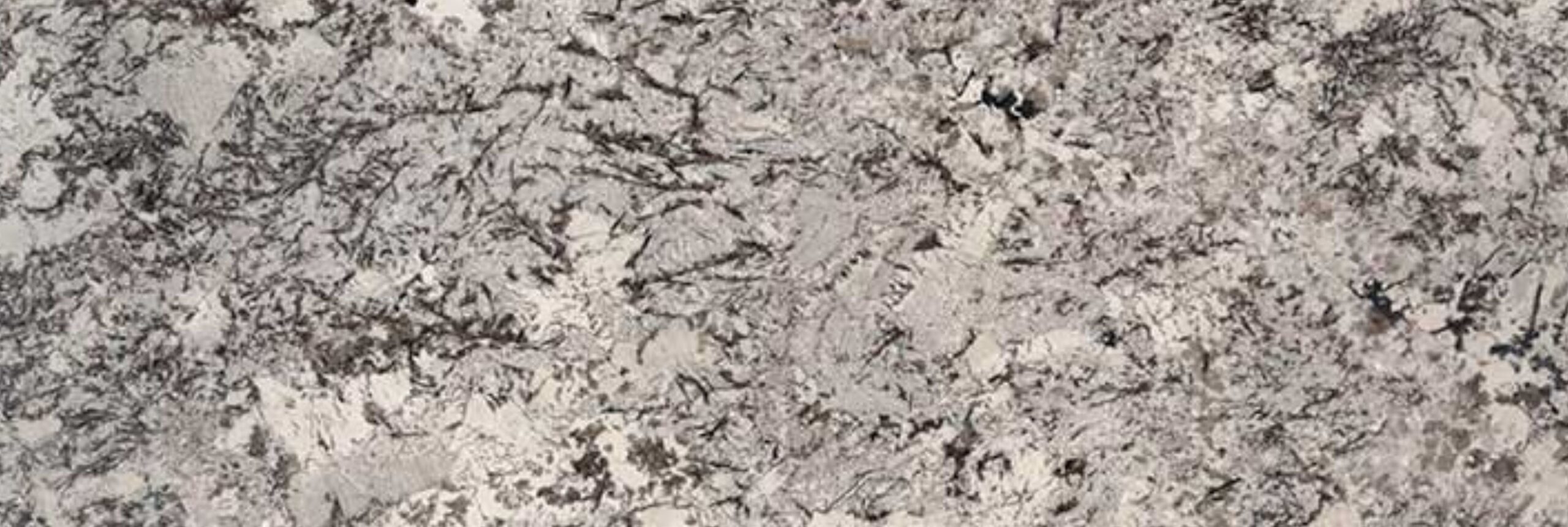
Granite is a natural stone known for its stunning appearance and resilience. Each slab is unique, featuring a variety of colors and patterns. Granite requires regular sealing to maintain its beauty and prevent staining. Popular options include Azul Celeste and Azure Mist.
Quartzite Countertops
Quartzite is a natural stone that offers the look of marble with the durability of granite. It is less porous than granite and can withstand heat and scratches. It is a great choice for homeowners looking for elegance and durability.
Marble Countertops
Marble is celebrated for its timeless beauty and classic appeal. However, it is softer and more porous than granite, making it susceptible to scratches and stains. Homeowners often choose marble for its aesthetic appeal, especially in less-used areas. Popular choices include premium options like marble countertops.
Key Considerations for Slab Selection
Choosing the right slab involves more than just aesthetics. Here are key factors to consider:
1. Aesthetic Appeal
Your kitchen's design and color scheme should guide your stone selection. Consider how the countertop will complement cabinetry, flooring, and appliances. A cohesive look enhances the overall ambiance of your kitchen.
2. Durability
Durability is paramount, especially in a high-traffic area like the kitchen. Quartz countertops offer excellent durability, while granite provides a strong, heat-resistant surface. Marble, while beautiful, may not be the best choice for busy kitchens due to its softness.
3. Maintenance
Different materials require varying levels of maintenance. Quartz is low-maintenance, while granite and quartzite need periodic sealing. Marble requires more care to avoid staining and scratching.
4. Budget
While we avoid discussing specific costs, it’s essential to set a budget for your countertop selection. Premium materials like quartz and granite can vary significantly in price based on quality and sourcing.
5. Environmental Impact
Consider the sustainability of your chosen material. Quartz and recycled materials can be more environmentally friendly options, while natural stones must be sourced responsibly.
The Selection Process
Selecting the right slab involves a systematic approach:
Step 1: Research
Start by researching different materials. Consider visiting local stone showrooms, such as Washington Granite, to view samples and get a feel for the textures and colors.
Step 2: Visualize
Use design software or apps to visualize how different slabs will look in your kitchen. This step can help you see the potential impact of your choices.
Step 3: Narrow Down Choices
Once you have a shortlist, narrow down your choices based on the key considerations discussed earlier.
Step 4: Consult Experts
Consult with professionals at your local showroom for personalized guidance. They can provide insights on the latest trends and help you choose the best stone for your needs.
Step 5: Final Decision
After thorough consideration, make your final selection and proceed with the fabrication and installation process.
Maintaining Your Slab
Quartz Maintenance
Clean with mild soap and water; avoid harsh chemicals. No sealing is required.
Granite Maintenance
Seal every 1-2 years to prevent staining. Use a pH-balanced cleaner for daily cleaning.
Quartzite Maintenance
Similar to granite, quartzite requires sealing and regular cleaning with mild soap.
Marble Maintenance
Clean with a soft cloth and mild soap. Avoid acidic cleaners. Seal regularly to protect against stains.
Expert Tips for Slab Selection
Here are additional tips to enhance your selection process:
- Consider the finish: Polished surfaces offer a glossy look, while honed finishes provide a matte appearance.
- Check for consistency: Ensure the slab matches your desired pattern and color throughout.
- Think about edge profiles: The edge style can dramatically change the appearance of your countertop.
- Request samples: Bring home samples to see how they look with your cabinetry and flooring.
FAQs
What is the most durable countertop material?
Quartz is often considered the most durable countertop material due to its non-porous surface and resistance to scratches and stains.
How do I choose the right color for my countertops?
Consider the existing color scheme of your kitchen, including cabinets and flooring. Neutral colors can provide versatility, while bold colors can make a statement.
Is marble suitable for kitchen countertops?
While marble is beautiful, it is softer and more prone to staining than other materials. It's best suited for low-traffic areas.
How often should I seal my granite countertops?
Granite countertops should be sealed every 1-2 years to maintain their resistance to stains.
What are the benefits of quartz countertops?
Quartz countertops are non-porous, durable, and available in a wide range of colors and patterns, making them an excellent choice for any kitchen.
Can I use hot pans on quartz countertops?
While quartz countertops can resist heat to a certain extent, it's best to use trivets or hot pads to protect the surface from thermal shock.
What is the difference between quartz and quartzite?
Quartz is engineered stone made from natural quartz crystals, while quartzite is a natural metamorphic rock that offers greater durability.
How do I maintain my marble countertops?
Clean with a soft cloth and mild soap, and avoid acidic cleaners. Regular sealing is also necessary to protect against stains.
Conclusion
Choosing the perfect stone slab for your kitchen is an art that requires careful consideration of various factors, including aesthetics, durability, and maintenance. By understanding the different materials available and following our comprehensive selection process, you can confidently make a choice that enhances your kitchen's beauty and functionality. For personalized guidance tailored to your specific needs, call +1 425-545-8006 or visit our Everett showroom to explore our premium countertop options. Elevate your kitchen experience with the perfect stone slab today!

About Washington Granite
Premium granite, quartz, quartzite, and marble countertop specialists in Washington State. We help homeowners transform their kitchens and bathrooms with luxury stone surfaces.