Table of Contents
The Ultimate Homeowner's Guide: Quartz vs. Quartzite Countertops
When it comes to choosing the perfect countertop for your kitchen or bathroom, the options can be overwhelming. Among the most popular materials are quartz and quartzite, both known for their beauty and durability. However, many homeowners often confuse these two materials, leading to questions about their differences, benefits, and suitability for various applications. In this comprehensive guide, we will explore the key distinctions between quartz and quartzite, helping you make an informed decision for your home. By the end of this article, you will understand the unique characteristics of each material, enabling you to choose the right countertop that fits your style and needs.
Understanding Quartz and Quartzite
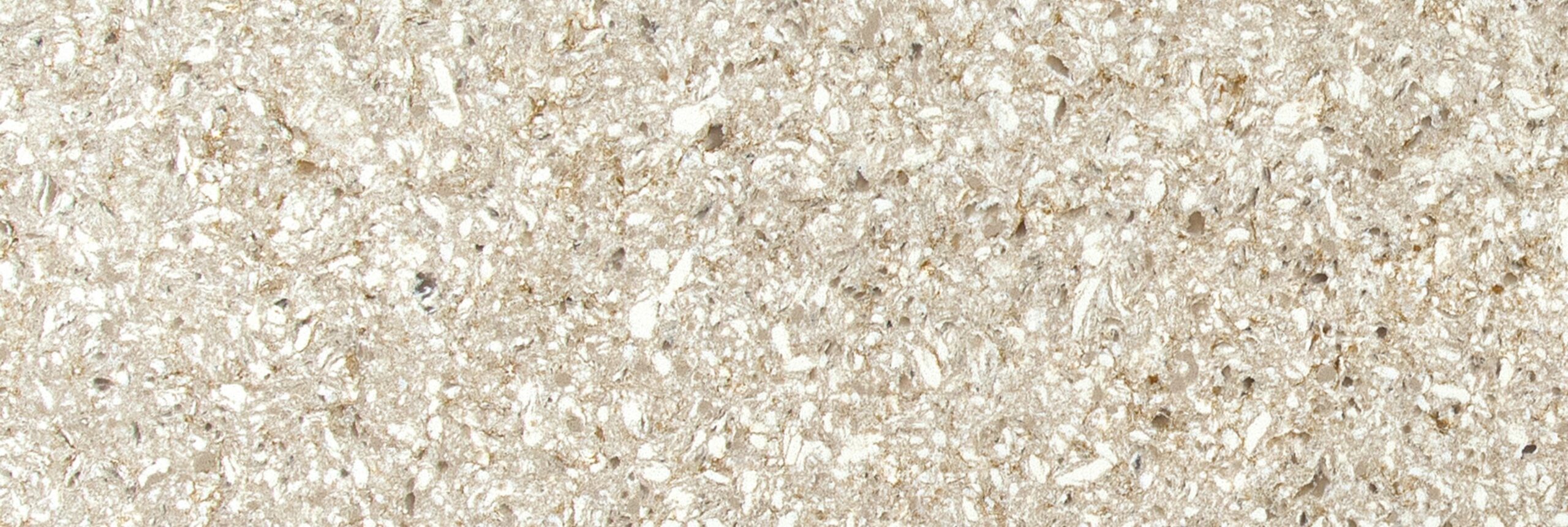
Quartz and quartzite are both popular choices for countertops, but they are fundamentally different materials. Quartz is an engineered stone made from about 90-95% crushed natural quartz crystals mixed with resins, polymers, and pigments. This combination results in a non-porous, versatile surface that can mimic the look of natural stone while offering enhanced durability and a wide range of color options.
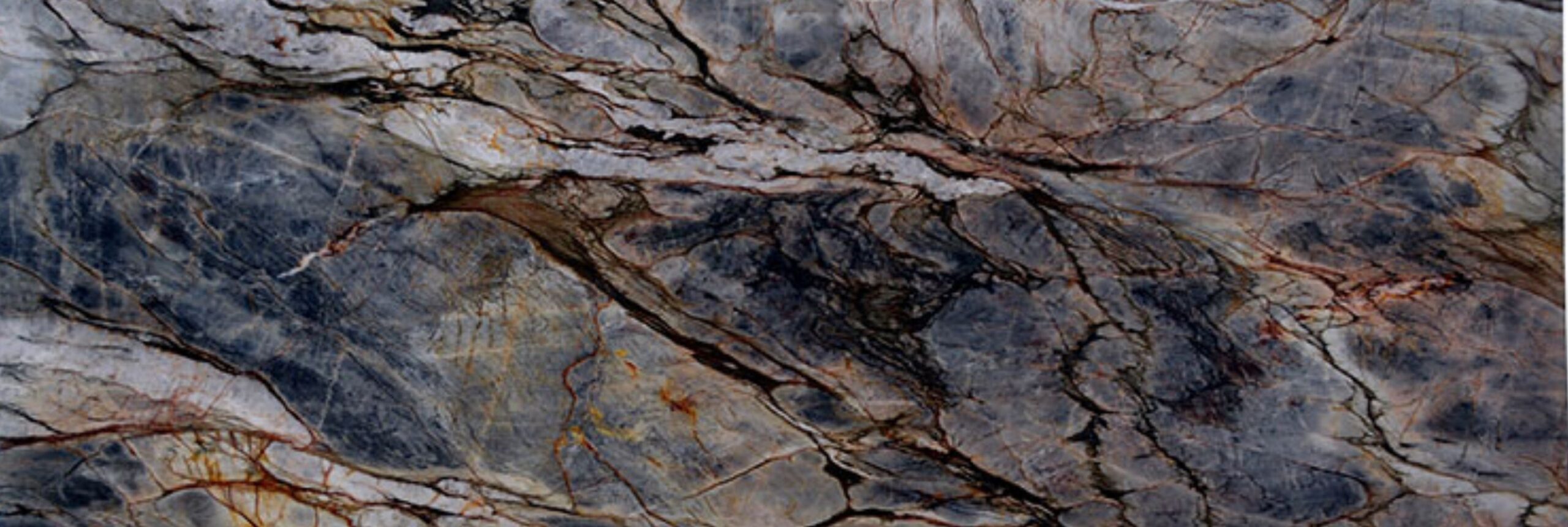
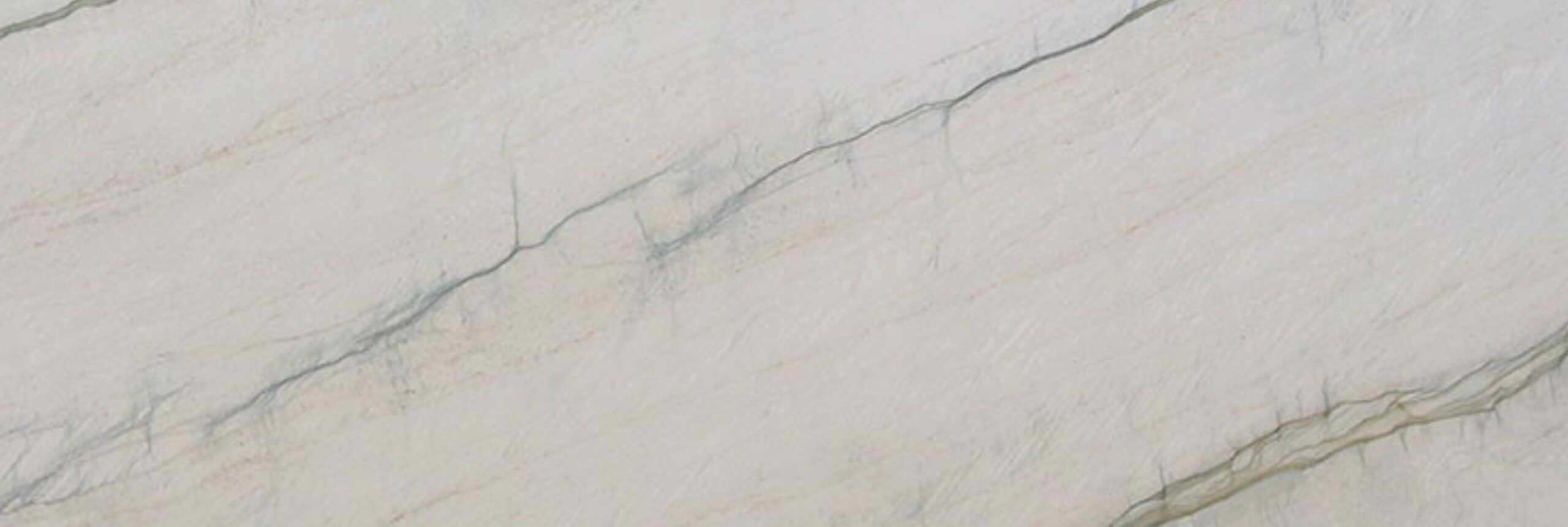
On the other hand, quartzite is a natural metamorphic rock formed from sandstone that has undergone intense heat and pressure. This process alters its mineral composition, resulting in a dense, durable stone that retains the beauty of natural patterns and textures. Unlike quartz, quartzite is 100% natural, making it a stunning option for homeowners who prefer authentic materials.
Key Differences Between Quartz and Quartzite
Understanding the key differences between quartz and quartzite is crucial for making an informed decision. Here are the most significant distinctions:
| Feature | Quartz | Quartzite |
|---|---|---|
| Composition | Engineered stone (90-95% quartz crystals + resins) | Natural metamorphic rock (100% quartz) |
| Porosity | Non-porous | Pore-filled (requires sealing) |
| Color Options | Wide range of colors and patterns | Natural colors and patterns |
| Durability | Highly durable, resistant to stains and scratches | Very durable, but can be susceptible to chipping |
| Maintenance | Easy to maintain, no sealing required | Requires regular sealing |
This comparison highlights the core differences between the two materials. While quartz offers a vast selection of colors and patterns and requires minimal maintenance, quartzite boasts natural beauty and durability, albeit with a need for sealing.
Advantages of Quartz Countertops
Quartz countertops are increasingly popular for various reasons:
- Variety of Aesthetics: With numerous colors and patterns, quartz can suit any design style, from modern to traditional. Homeowners can achieve a tailored look that aligns with their vision.
- Durability: Quartz is highly resistant to scratches, stains, and heat, making it ideal for busy kitchens. Its non-porous surface prevents bacteria growth, enhancing hygiene.
- Low Maintenance: Unlike natural stones, quartz does not require sealing, making it easier to maintain its beauty over time.
For those interested in quartz countertops, explore our extensive selection at Washington Granite.
Advantages of Quartzite Countertops
Quartzite countertops also offer unique advantages:
- Natural Beauty: Quartzite showcases stunning natural patterns and colors, providing a one-of-a-kind appearance that can elevate any space.
- Heat Resistance: Quartzite is highly resistant to heat, making it suitable for areas where hot pots and pans may come into contact with the surface.
- Long-lasting Durability: With proper care, quartzite can last a lifetime, retaining its beauty and functionality.
If you're considering quartzite for your home, visit our showroom in Everett to explore our stunning options.
Maintenance and Care for Quartz and Quartzite
Maintenance is a critical factor in choosing between quartz and quartzite. Here are some essential tips for keeping your countertops in top condition:
Quartz Maintenance
- Cleaning: Use a mild soap and warm water solution with a soft cloth to clean quartz surfaces. Avoid harsh chemicals that can damage the resin.
- Stain Removal: For tough stains, a gentle abrasive cleaner can be used, but always check with the manufacturer for specific recommendations.
Quartzite Maintenance
- Sealing: Quartzite should be sealed regularly, typically every 1-2 years, to prevent staining and moisture absorption.
- Cleaning: Similar to quartz, use a mild soap solution for cleaning. Avoid acidic cleaners that can etch the surface.
Cost Comparison: Quartz vs. Quartzite
While discussing countertops, it's essential to consider the financial aspect. Generally, quartz tends to be more budget-friendly than quartzite, mainly due to the manufacturing process. However, costs can vary based on the quality, brand, and design. It's advisable to visit local showrooms to gauge the options available in your area.
Choosing the Right Surface for Your Home
Choosing between quartz and quartzite ultimately depends on your lifestyle, aesthetic preferences, and maintenance willingness. Here are some factors to consider:
- Design Preference: If you desire a wide variety of colors and patterns, quartz may be the better choice. If you prefer natural stone with unique patterns, quartzite is ideal.
- Maintenance: For a low-maintenance option, quartz is preferable. If you are willing to commit to regular sealing, quartzite can be a beautiful addition to your home.
- Usage: Consider how you use your countertops. For high-traffic kitchens, quartz’s durability might be more beneficial.
For personalized guidance on choosing the right countertop material for your home, call +1 425-545-8006 or visit our showroom.
FAQs About Quartz and Quartzite
What is the main difference between quartz and quartzite?
The main difference is that quartz is an engineered stone made from natural quartz and resin, while quartzite is a natural stone formed from sandstone.
Is quartzite more expensive than quartz?
Generally, quartz can be more budget-friendly than quartzite due to manufacturing costs. However, prices can vary widely based on brand and design.
Do quartz countertops require sealing?
No, quartz countertops are non-porous and do not require sealing, unlike quartzite, which does need regular sealing.
Can quartzite be scratched?
Quartzite is very durable but can be scratched if subjected to sharp objects. It's essential to use cutting boards for protection.
Are quartz countertops heat resistant?
Quartz countertops are heat resistant to a degree but should not be exposed to high temperatures for extended periods.
How do I maintain quartzite countertops?
Quartzite requires regular sealing and should be cleaned with mild soap and water. Avoid acidic cleaners that can damage the surface.
Can I use quartz for outdoor countertops?
While some quartz products are designed for outdoor use, it's essential to check with the manufacturer for specific recommendations.
Which is better for a kitchen: quartz or quartzite?
Both materials have their pros and cons. Quartz is often preferred for its durability and low maintenance, while quartzite is favored for its natural beauty and heat resistance.
Conclusion
Choosing between quartz and quartzite countertops is a significant decision that can impact the overall look and functionality of your kitchen or bathroom. Both materials offer unique benefits, and understanding their differences is crucial for making the right choice. Whether you lean towards the engineered elegance of quartz or the natural beauty of quartzite, Washington Granite is here to help. Contact us for personalized guidance or visit our Everett showroom to explore our wide selection of premium countertops.

About Washington Granite
Premium granite, quartz, quartzite, and marble countertop specialists in Washington State. We help homeowners transform their kitchens and bathrooms with luxury stone surfaces.