Table of Contents
The Ultimate Guide to Integrated Stone Backsplashes: Elevate Your Kitchen Design
When it comes to kitchen design, the details matter. One trend that has gained immense popularity in recent years is the integrated stone backsplash, where your countertop seamlessly extends to the wall. This cohesive design not only enhances the aesthetic appeal of your kitchen but also offers practical benefits that are hard to ignore. In this comprehensive guide, we will explore everything you need to know about integrated stone backsplashes, including design ideas, benefits, installation processes, and maintenance tips. By the end, you will have a clear understanding of how to elevate your kitchen with this sophisticated feature.
1. What is an Integrated Stone Backsplash?
An integrated stone backsplash is a continuation of your countertop material that extends vertically up the wall, creating a seamless transition between the countertop and the wall surface. This design choice eliminates the need for traditional backsplash materials like tiles or paint, giving your kitchen a modern, streamlined look. Popular materials for integrated backsplashes include quartz, granite, quartzite, and marble, each offering unique aesthetic and functional qualities.
2. Benefits of Integrated Stone Backsplashes
Choosing an integrated stone backsplash comes with numerous benefits:
- Seamless Design: The most apparent advantage is the visual continuity it provides. The lack of grout lines creates a sleek, modern look that can make your kitchen appear larger and more open.
- Easy Maintenance: Integrated backsplashes are easier to clean than traditional tile backsplashes, as there are no grout lines to harbor dirt and bacteria. Simply wipe down the surface with a damp cloth and mild detergent.
- Durability: Stone materials like granite and quartz are incredibly durable and resistant to heat, scratches, and stains, making them ideal for the kitchen environment.
- Increased Property Value: A well-designed integrated stone backsplash can enhance the overall appeal of your kitchen, potentially increasing your home's market value.
- Customizable: With a variety of colors, patterns, and finishes available, you can customize your integrated backsplash to perfectly match your kitchen's design aesthetic.
3. Choosing the Right Material
When selecting a material for your integrated stone backsplash, consider the following options:
Quartz Countertops
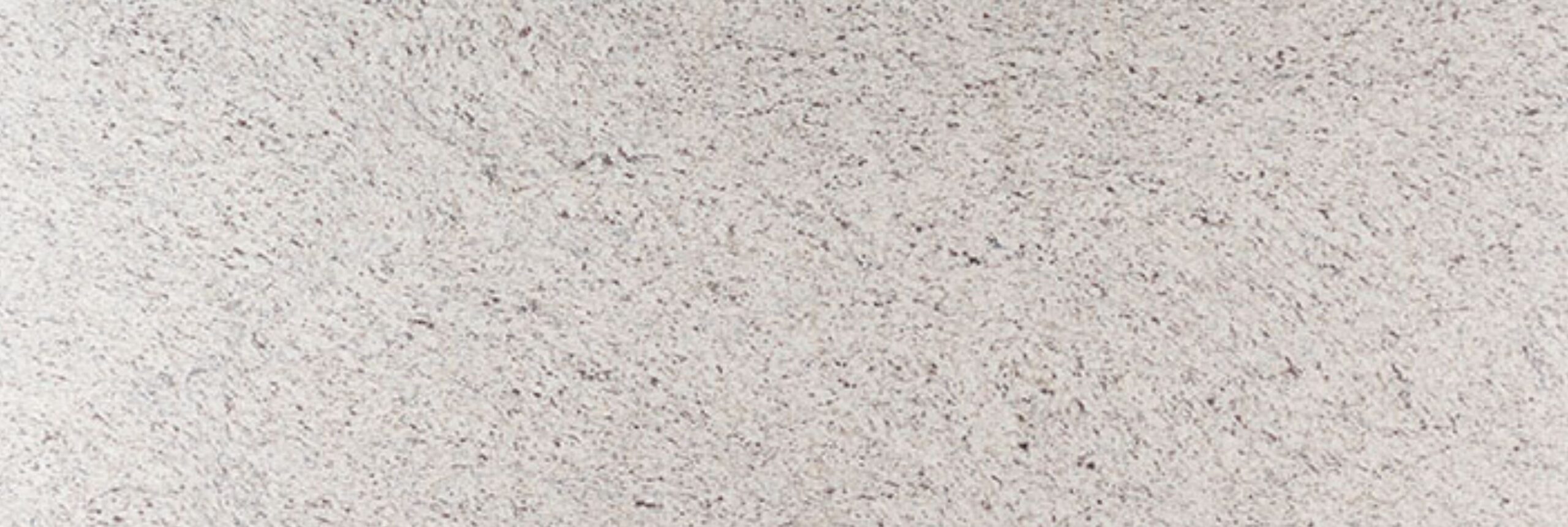
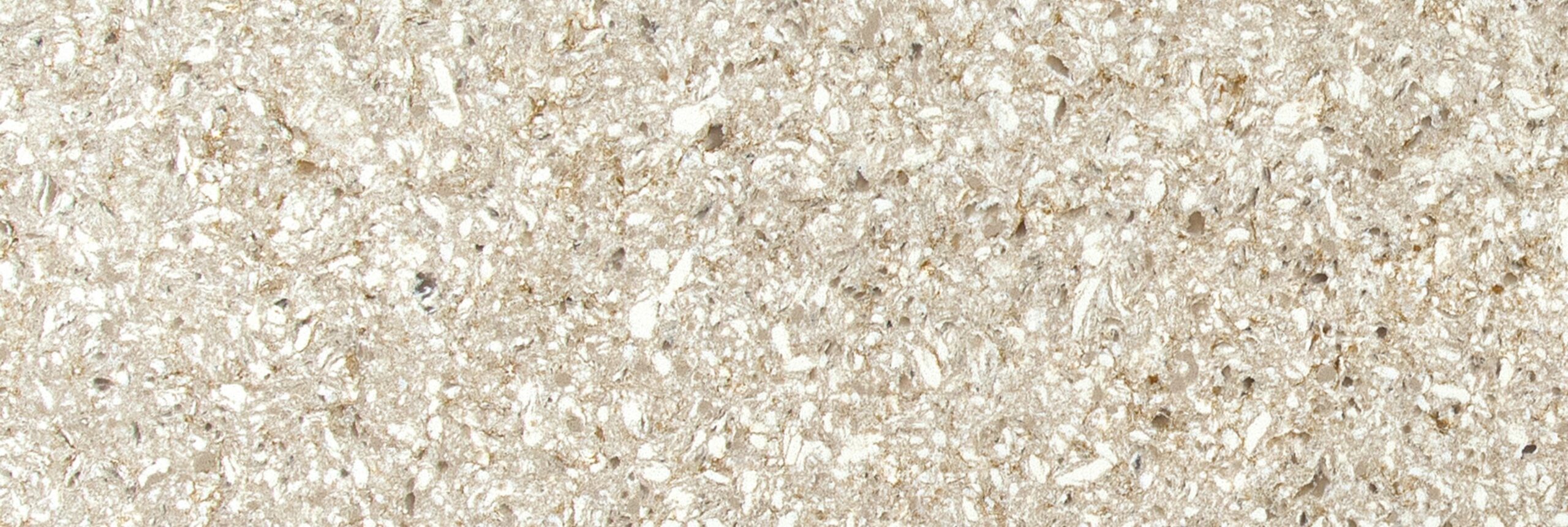
Quartz is a popular choice for integrated backsplashes due to its durability and low maintenance requirements. Available in a wide range of colors and patterns, quartz can mimic the look of natural stone while providing a non-porous surface.
Granite Countertops
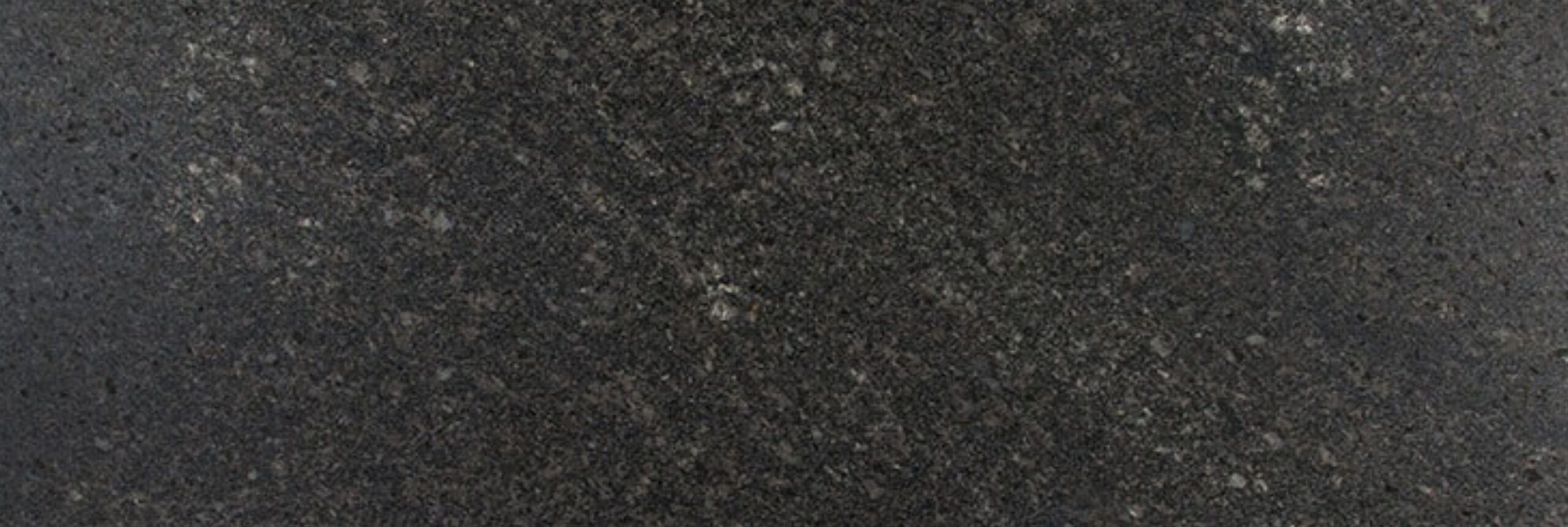
Granite offers a timeless appeal with its unique patterns and colors. Each slab is unique, making it a great option for homeowners looking for a one-of-a-kind design. Granite is also heat and scratch-resistant, making it a practical choice for busy kitchens.
Quartzite Countertops
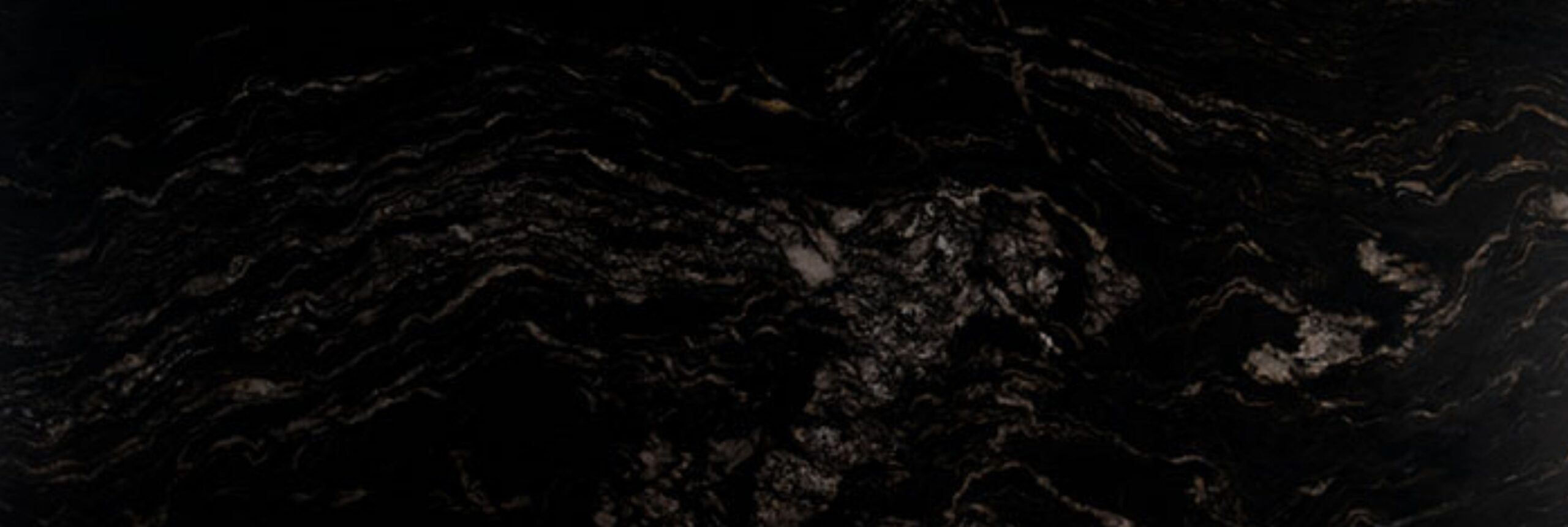
Quartzite is a natural stone that offers the beauty of marble with the durability of granite. It is an excellent option for those seeking a luxurious look without sacrificing performance.
Marble Countertops
Marble provides a classic, elegant appearance and is ideal for those looking to make a statement. However, it is more porous than other materials, requiring regular sealing to maintain its beauty.
| Material | Durability | Maintenance | Appearance |
|---|---|---|---|
| Quartz | High | Low | Variety of colors and patterns |
| Granite | High | Medium | Unique natural patterns |
| Quartzite | High | Medium | Luxurious and elegant |
| Marble | Medium | High | Classic and timeless |
When choosing your material, consider your kitchen's overall design, your lifestyle, and how much maintenance you are willing to undertake.
4. Design Ideas for Your Integrated Backsplash
Here are some innovative design ideas to inspire your integrated stone backsplash:
Color Coordination
Choose a countertop and backsplash color that complements your cabinetry and flooring. For example, a white quartz countertop can pair beautifully with a matching white backsplash, creating a clean and cohesive look.
Contrasting Patterns
If you prefer a bolder design, consider using a countertop with a striking pattern and extending it to the backsplash. This can create a stunning focal point in your kitchen.
Textured Finishes
Incorporating textured finishes can add depth and interest to your integrated backsplash. Options like honed, polished, or leathered finishes can create different visual effects.
Accent Lighting
Installing under-cabinet lighting can highlight the beauty of your integrated stone backsplash, creating a warm and inviting ambiance in your kitchen.
Complete Wall Coverage
For a truly dramatic effect, consider extending your integrated backsplash all the way to the ceiling. This approach not only enhances the visual impact but also makes cleaning easier.
5. Installation Process
Installing an integrated stone backsplash involves several steps:
Step 1: Measurement
Accurate measurements are crucial for ensuring a perfect fit. Measure the length and height of your countertop and mark where the backsplash will extend.
Step 2: Material Selection
Choose your desired stone material and color. It’s advisable to visit a local showroom like Washington Granite to see samples in person.
Step 3: Fabrication
The selected material will need to be fabricated to match your measurements. This process involves cutting the stone to the appropriate size and polishing the edges for a finished look.
Step 4: Installation
Professional installers will then secure the backsplash to the wall using a strong adhesive. It’s important to ensure that the surface is properly prepared to avoid any issues down the line.
Step 5: Sealing
Depending on the material chosen, sealing may be required to protect the surface from stains and damage. Be sure to follow the manufacturer’s guidelines for the best results.
6. Maintenance Tips
To keep your integrated stone backsplash looking its best, consider the following maintenance tips:
- Regular Cleaning: Wipe down the surface regularly with a damp cloth and a mild detergent. Avoid harsh chemicals that can damage the stone.
- Sealing: If you have a porous material like marble, make sure to seal it regularly to prevent stains.
- Addressing Stains: For tough stains, use a stone cleaner specifically designed for your material.
- Heat Protection: While most stone materials are heat resistant, it’s wise to use trivets or hot pads to protect the surface from extreme heat.
7. Cost Considerations
While we do not discuss specific pricing, it’s important to consider the overall investment involved in installing an integrated stone backsplash. Factors that can influence costs include:
- Material Selection: Different materials come with varying costs and durability.
- Installation Complexity: The complexity of the installation can affect labor costs.
- Customization: Custom designs or unique patterns may increase the overall expense.
- Local Market Trends: Prices may vary based on local demand and availability.
For personalized guidance on choosing the right materials and understanding the installation process, call +1 425-545-8006 to speak with our experts at Washington Granite.
8. FAQs
What is the purpose of an integrated stone backsplash?
An integrated stone backsplash serves both aesthetic and functional purposes, providing a seamless look while protecting your walls from moisture and stains.
Can any countertop material be used for a backsplash?
Most solid surface countertop materials, such as quartz, granite, quartzite, and marble, can be extended to create an integrated backsplash.
How do I clean an integrated stone backsplash?
Regular cleaning involves using a damp cloth with mild detergent. Avoid abrasive cleaners that can scratch the surface.
Is an integrated backsplash more expensive than traditional options?
While costs can vary, integrated backsplashes may offer a better long-term value due to their durability and low maintenance needs.
Can I install an integrated backsplash myself?
While DIY is possible, professional installation is recommended to ensure proper fitting and sealing.
How often should I seal my stone backsplash?
Sealing frequency depends on the material; porous stones like marble should be sealed more often than non-porous materials like quartz.
Do integrated backsplashes require special maintenance?
While they are easier to maintain than traditional backsplashes, integrated stone surfaces still require regular cleaning and occasional sealing.
Where can I find inspiration for my integrated backsplash design?
For design ideas and inspiration, visit our inspiration page or consult with our design experts at Washington Granite.
Conclusion
Integrated stone backsplashes are an elegant and practical addition to any kitchen. They not only enhance the design of your space but also offer durability and ease of maintenance. Whether you choose quartz, granite, quartzite, or marble, an integrated backsplash can elevate your kitchen to new heights. For personalized assistance in selecting the perfect materials and designs for your home, contact us or visit our Everett showroom to explore your options.

About Washington Granite
Premium granite, quartz, quartzite, and marble countertop specialists in Washington State. We help homeowners transform their kitchens and bathrooms with luxury stone surfaces.