Table of Contents
Kitchen Islands with Stone Waterfall Edges: Are They Still Worth It in 2026?
As we step into 2026, the kitchen remains a central hub in modern homes, evolving in both functionality and aesthetics. Among the most sought-after features in contemporary kitchens is the kitchen island, particularly those adorned with stunning stone waterfall edges. Homeowners across the Greater Seattle area, including Everett, Bellevue, and Seattle, often grapple with the decision of whether to invest in this striking design element. Are kitchen islands with stone waterfall edges still worth it in 2026? In this comprehensive guide, we will explore the enduring appeal, practical benefits, and potential drawbacks of these stylish features, helping you make an informed decision for your kitchen upgrades.
1. The Allure of Stone Waterfall Edges
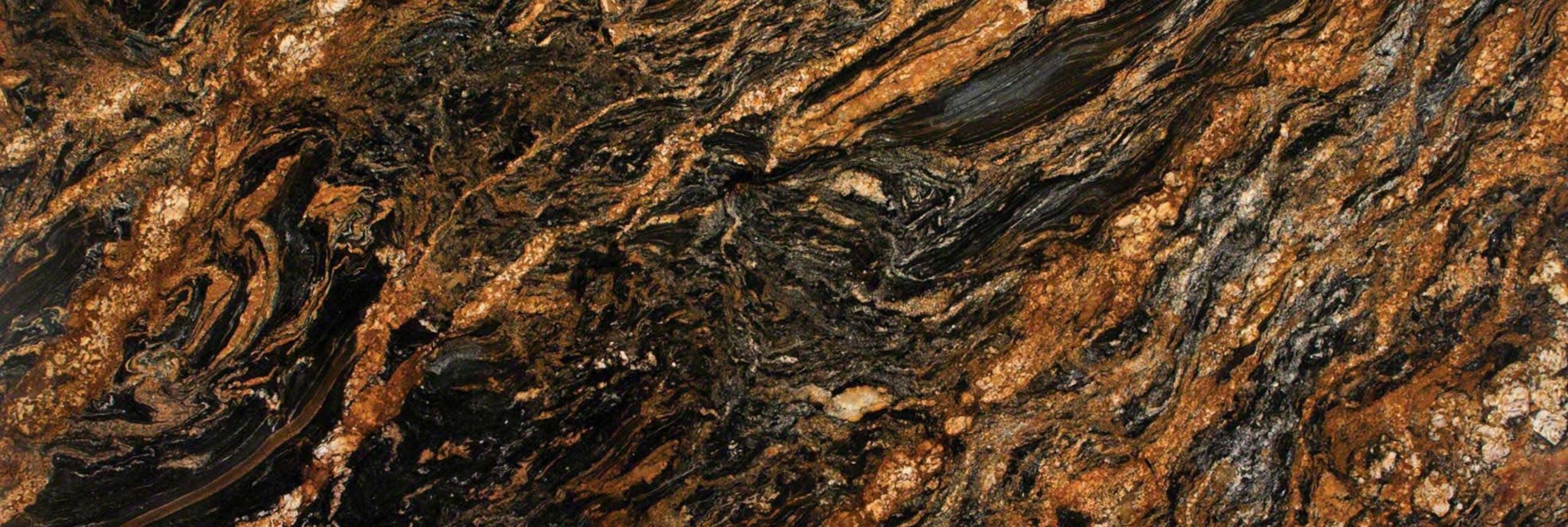
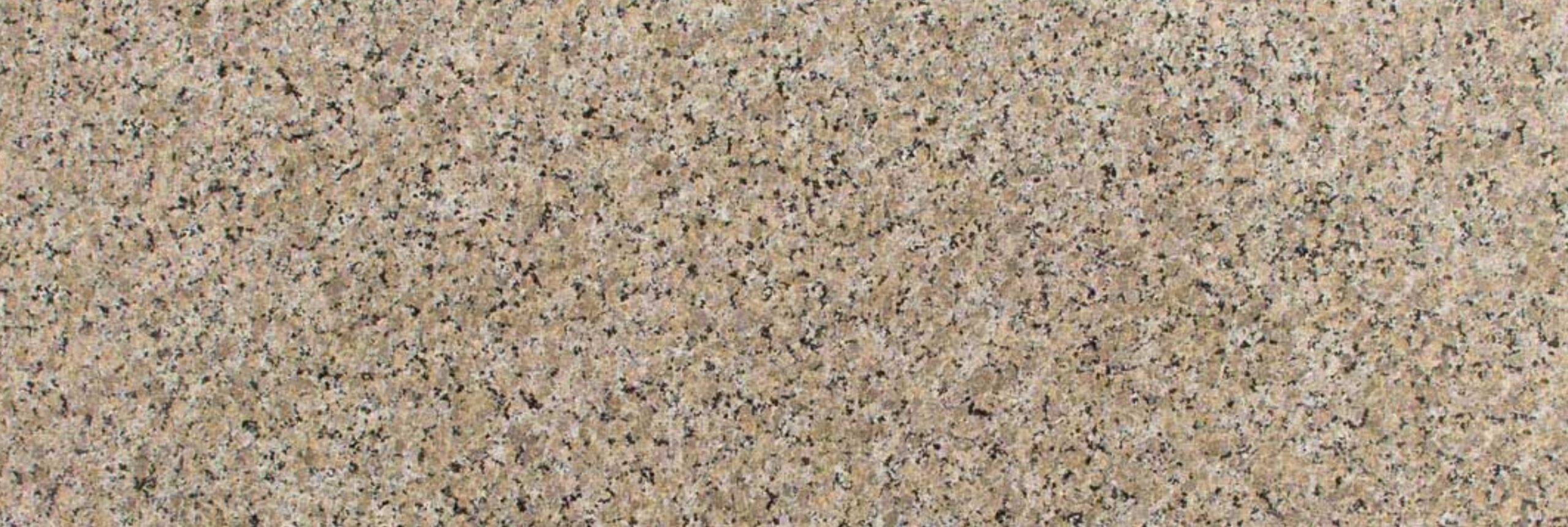
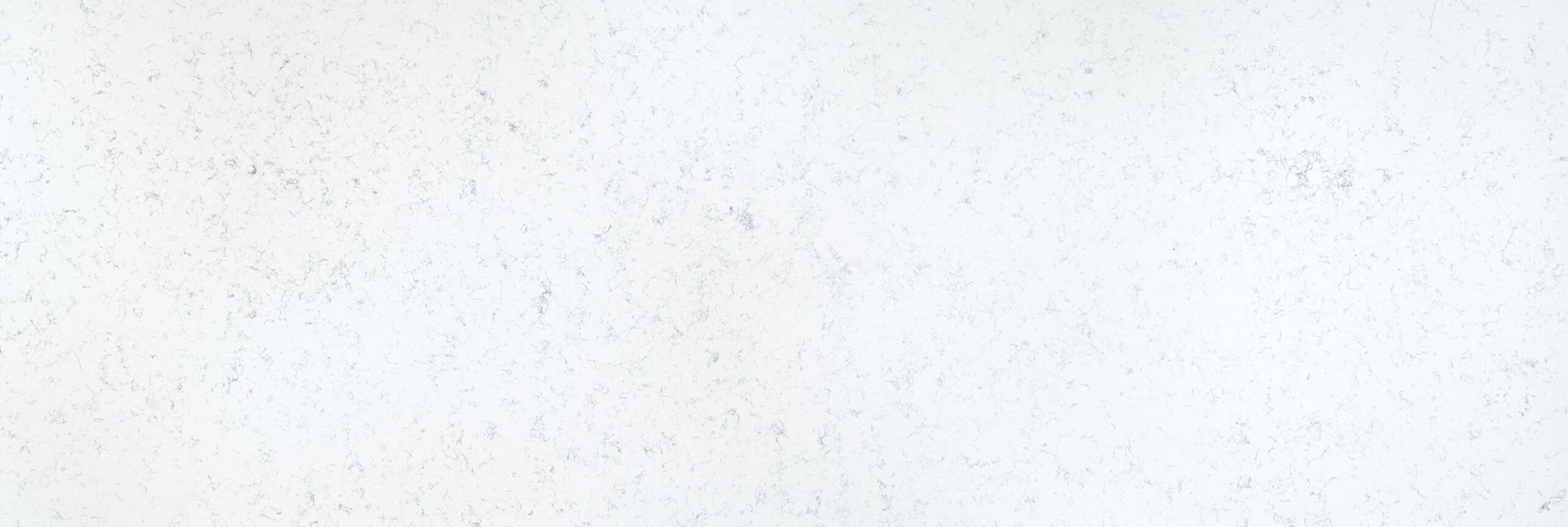
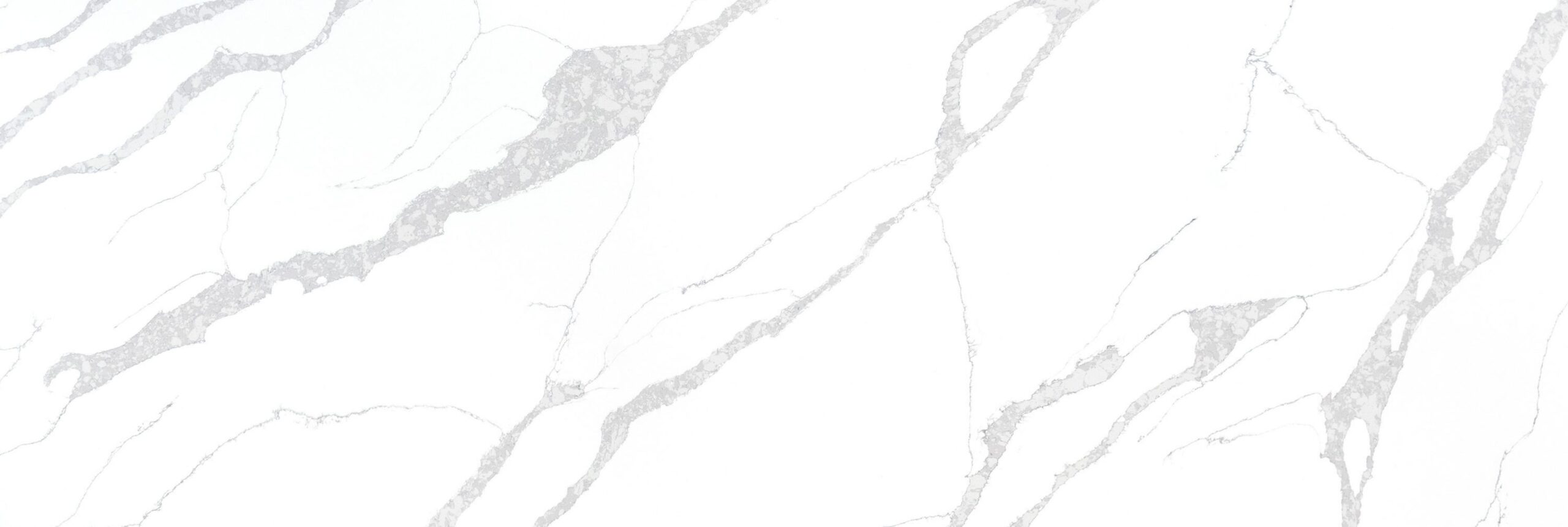
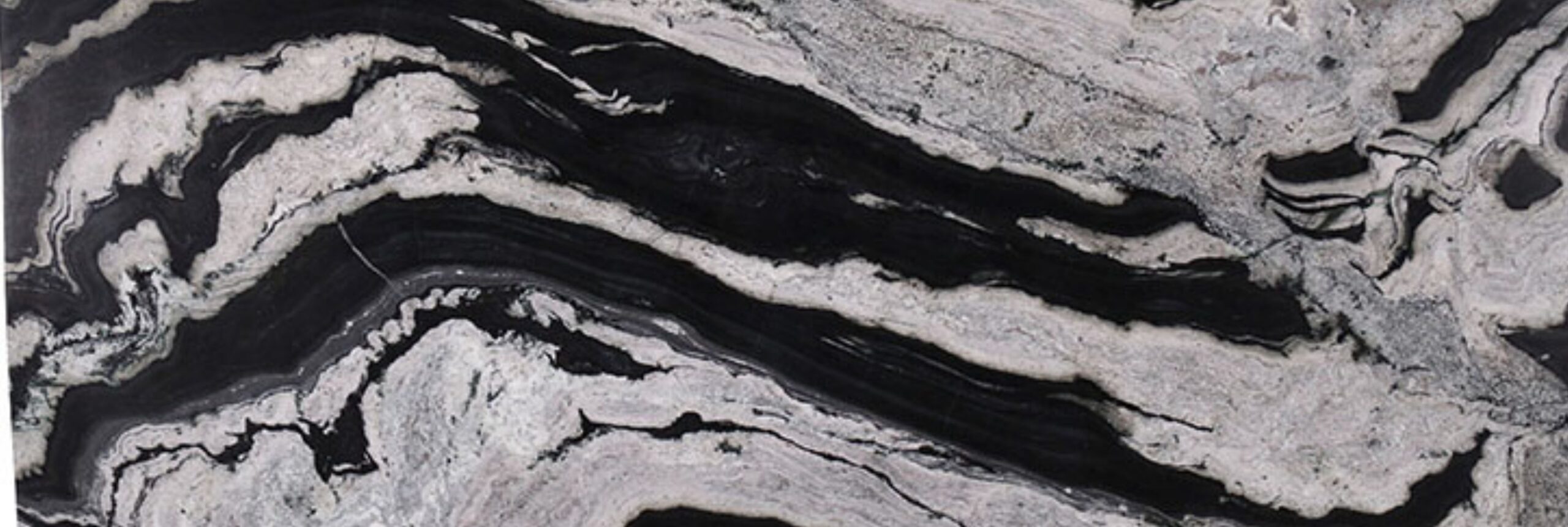
The term 'waterfall edge' refers to a countertop design where the material flows over the side of the island, creating a seamless, visually stunning effect. This design not only enhances the aesthetics of your kitchen but also showcases the beauty of natural stone materials such as quartz, granite, and marble. Homeowners in Everett and surrounding areas have increasingly embraced this feature due to its unique ability to blend style with functionality.
In 2026, the appeal of stone waterfall edges continues to thrive. According to a recent National Association of Home Builders (NAHB) report, kitchen islands remain a top priority for homeowners, with 72% of new homebuyers preferring a kitchen island in their design. This statistic underscores the importance of making choices that not only enhance the beauty of your space but also provide long-term value.
2. The Practical Benefits of Kitchen Islands
Kitchen islands equipped with stone waterfall edges offer several practical benefits that make them a worthwhile investment:
- Increased Counter Space: One of the primary advantages of a kitchen island is the additional counter space it provides. This extra room is invaluable for meal preparation, cooking, and entertaining guests.
- Enhanced Storage: Many kitchen islands come with built-in cabinets and drawers, allowing homeowners to maximize storage without compromising on style.
- Social Hub: Kitchen islands serve as a gathering spot for family and friends. Whether it’s a casual breakfast or a festive dinner, having a dedicated space for socializing elevates the overall kitchen experience.
- Improved Workflow: A well-placed island can enhance kitchen workflow, allowing for a more efficient cooking and cleaning process.
3. Design Trends for 2026
As we look ahead to 2026, several design trends are shaping the future of kitchen islands with stone waterfall edges:
- Bold Colors and Patterns: While neutral tones have dominated kitchen design in the past, bold colors and striking patterns are making a comeback. Homeowners are increasingly choosing vibrant hues for their stone materials, adding personality to their spaces.
- Integrated Technology: Smart kitchens are on the rise, and integrating technology into kitchen islands is becoming common. From built-in charging stations to touchless faucets, technological advancements enhance functionality.
- Sustainable Materials: Eco-friendly options are gaining traction, with homeowners opting for sustainable stone alternatives that minimize environmental impact.
- Minimalist Designs: The trend toward minimalism continues, with clean lines and uncluttered surfaces becoming essential elements of kitchen design.
4. Comparing Countertop Materials
When considering a kitchen island with a stone waterfall edge, the choice of material is crucial. Here’s a comparison table of popular countertop materials:
| Material | Durability | Maintenance | Cost |
|---|---|---|---|
| Quartz | High | Low | Varies |
| Granite | Very High | Medium | Varies |
| Marble | Medium | High | Varies |
| Quartzite | High | Medium | Varies |
Each material has its unique advantages and disadvantages. For instance, quartz is non-porous and easy to maintain, making it a popular choice among homeowners in the Greater Seattle area. On the other hand, granite offers unparalleled durability and natural beauty, making it a timeless option for kitchen islands.
5. Expert Tips for Choosing Your Kitchen Island
When selecting a kitchen island with a stone waterfall edge, consider the following expert tips:
- Assess Your Space: Measure your kitchen dimensions to ensure your island fits comfortably without obstructing traffic flow.
- Choose the Right Material: Based on your lifestyle and aesthetic preferences, select a stone material that aligns with your kitchen design.
- Incorporate Functionality: Consider adding features such as storage, seating, and integrated appliances to maximize the utility of your island.
- Consult with Professionals: Engage with experienced professionals like the team at Washington Granite who can guide you in selecting the perfect stone and design for your kitchen.
6. Frequently Asked Questions
What are the benefits of a waterfall edge on a kitchen island?
A waterfall edge enhances the aesthetic appeal of your kitchen, provides a seamless look, and can increase the overall value of your home.
Are waterfall countertops more expensive than standard countertops?
While waterfall countertops may require more material and labor, they offer unique visual appeal and functionality that can justify the investment.
How do I maintain a stone waterfall edge?
Maintenance varies by material; for instance, quartz typically requires minimal upkeep, while granite may need periodic sealing, and marble requires more care to prevent staining.
What materials are best for a kitchen island with a waterfall edge?
Popular choices include quartz, granite, marble, and quartzite, each offering distinct benefits in terms of durability and aesthetics.
Can I customize the design of my kitchen island?
Absolutely! Customizing your kitchen island allows you to tailor it to your specific needs, preferences, and kitchen layout.
Is a waterfall edge suitable for small kitchens?
Yes, waterfall edges can enhance the look of small kitchens by creating a streamlined, modern appearance. However, scale is essential; ensure the island doesn’t overwhelm the space.
What should I consider when choosing the height of my kitchen island?
Standard kitchen island height is typically 36 inches, but this can vary based on your needs and whether you plan to include seating.
How can I incorporate seating into my kitchen island design?
Consider overhangs or integrated seating areas to create a comfortable space for family and friends to gather around your kitchen island.
7. Conclusion
In conclusion, kitchen islands with stone waterfall edges are not only a stylish choice but also a practical investment for homeowners in 2026. Their enduring appeal, coupled with the various benefits they provide, makes them a worthwhile consideration for any kitchen upgrade. As you contemplate your options, remember to consult with trusted local experts like Washington Granite to ensure you make the best choices for your space. Call +1 425-545-8006 for personalized guidance, or visit our Everett showroom to explore quartz options that suit your design vision.

About Washington Granite
Premium granite, quartz, quartzite, and marble countertop specialists in Washington State. We help homeowners transform their kitchens and bathrooms with luxury stone surfaces.