Table of Contents
How Countertop Choices in Washington Reflect the State's Environmental Values
In the Pacific Northwest, particularly in Washington State, the choices homeowners make regarding countertops are not just about aesthetics; they reflect a broader commitment to environmental sustainability. As homeowners in Everett and the Greater Seattle area prioritize eco-friendly materials and practices, the demand for sustainable countertop options has surged. This article explores how these choices align with Washington's environmental values, focusing on materials, manufacturing processes, and the importance of local sourcing.
The Environmental Landscape of Washington State
Washington State is renowned for its stunning natural beauty, from the majestic peaks of the Cascade Mountains to the lush forests and vibrant coastlines. This rich environment has shaped the values of its residents, leading to a strong emphasis on sustainability and conservation. According to the Washington State Department of Ecology, the state actively promotes initiatives aimed at reducing waste and encouraging the use of sustainable materials.
As homeowners in cities like Seattle, Bellevue, and Everett consider renovations, they are increasingly aware of how their choices impact the environment. This consciousness extends to the materials they select for their homes, particularly countertops, which are a focal point in kitchens and bathrooms. By opting for eco-friendly options, homeowners can contribute to a healthier planet while enhancing their living spaces.
Popular Countertop Materials in Washington
When it comes to countertops, homeowners in Washington have a variety of materials to choose from, each with its own environmental implications. Here are some popular options:
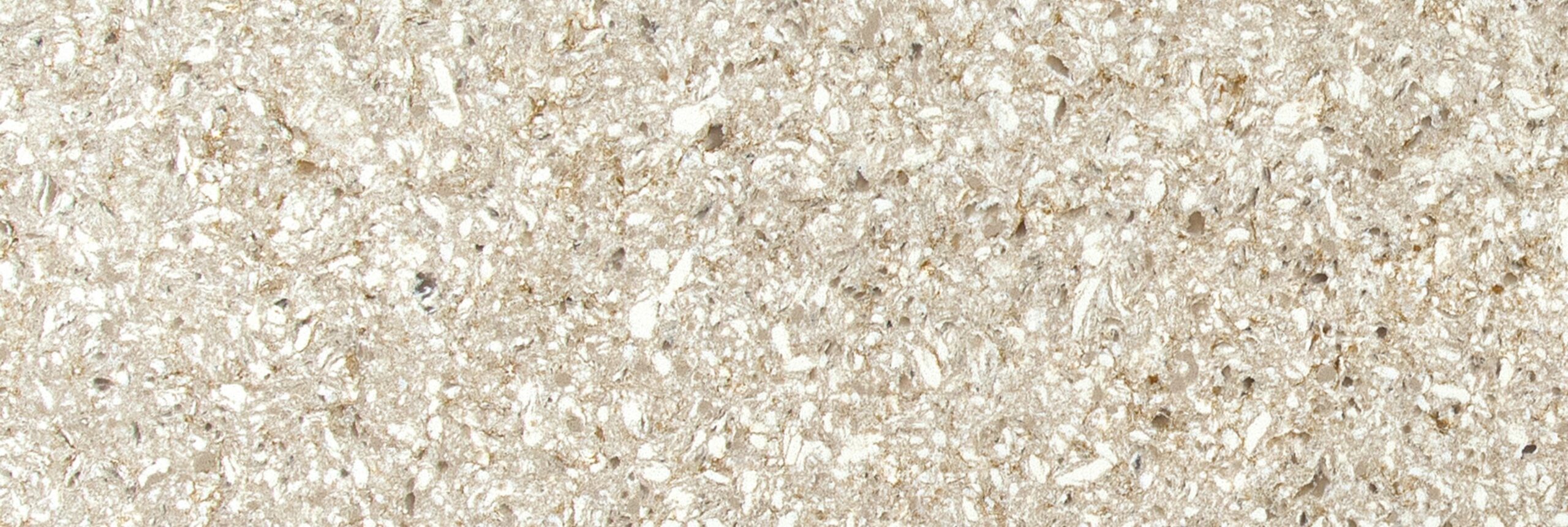
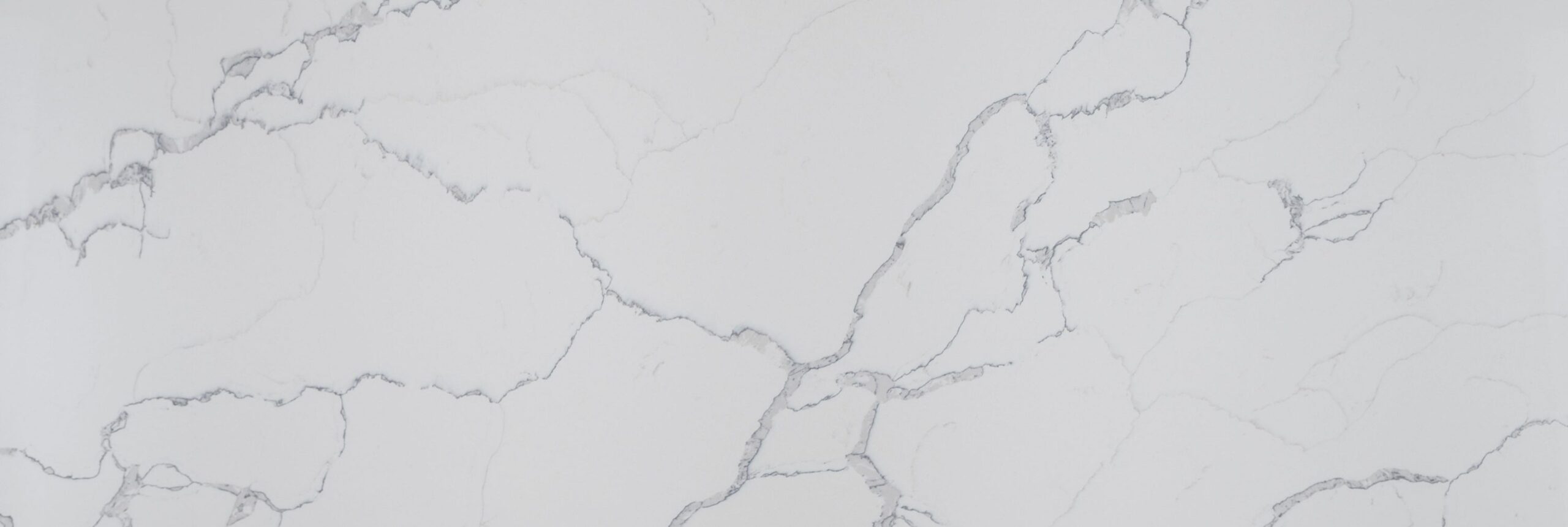
- Quartz Countertops: Engineered from natural quartz and resins, quartz countertops are both durable and aesthetically pleasing. Many manufacturers are now using recycled materials in their production, making them a popular choice for environmentally conscious homeowners. Explore our selection of quartz countertops for your next project.
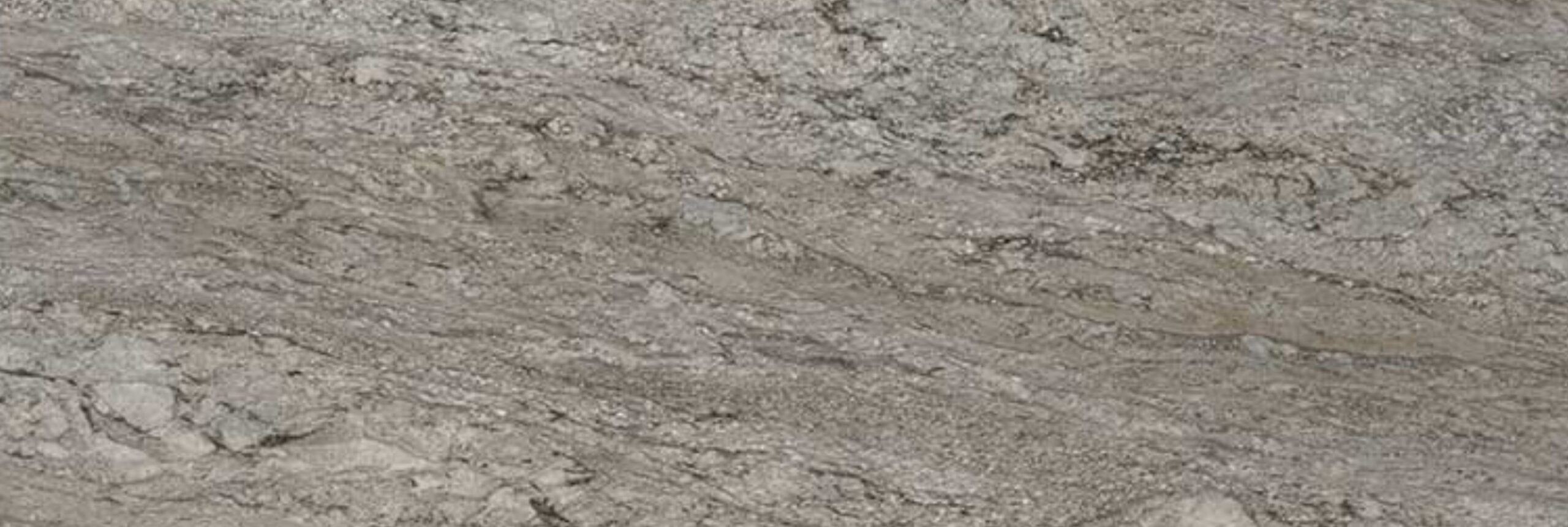
- Granite Countertops: While granite is a natural stone that offers longevity, its extraction and transportation can have significant environmental impacts. However, local sourcing can mitigate these effects. Washington has several local suppliers, making it easier to find granite that hasn't traveled far.
- Recycled Glass Countertops: Made from post-consumer glass, these countertops are a favorite among eco-conscious homeowners. They provide a unique aesthetic and promote recycling efforts.
- Wood Countertops: Sourced from sustainable forests, wood countertops offer a warm, natural look. It’s essential to choose certified wood (such as FSC-certified) to ensure responsible sourcing.
- Concrete Countertops: Concrete can be made from recycled materials and can be formed into any shape, allowing for unique designs. However, it’s crucial to consider the carbon footprint of production.
Sustainability and Countertop Manufacturing
The manufacturing processes for countertops play a significant role in their overall sustainability. Many companies are now implementing eco-friendly practices to reduce waste and energy consumption. For example, manufacturers are increasingly using renewable energy sources and minimizing water usage during production.
Additionally, certifications such as Green Seal and Environmental Product Declarations (EPDs) help consumers identify products that meet strict environmental standards. Homeowners should look for these certifications when selecting countertops to ensure they align with their sustainability goals.
Local Sourcing and Its Impact
One of the most significant ways Washington homeowners can reflect their environmental values through countertop choices is by sourcing materials locally. Local sourcing reduces transportation emissions, supports local economies, and often results in a smaller carbon footprint overall.
For example, Washington Granite, located in Everett, WA, provides a wide range of locally sourced granite and quartz options. By choosing to visit a local showroom, homeowners not only get to see the materials firsthand but also contribute to the local economy and reduce environmental impact.
Moreover, local suppliers often have a better understanding of the environmental practices within the region, ensuring that the materials sourced are in line with the state’s conservation goals.
Expert Tips for Choosing Eco-Friendly Countertops
When selecting countertops, it’s essential to consider both aesthetics and sustainability. Here are some expert tips:
- Research Material Options: Familiarize yourself with various countertop materials and their environmental impacts. Consider options like recycled glass or locally sourced stone.
- Look for Certifications: Check for environmentally friendly certifications such as Green Seal or EPDs to ensure the products meet sustainability standards.
- Consider Durability: Choose materials that offer longevity and durability to reduce the need for replacement, which can be more resource-intensive.
- Think About Maintenance: Some materials require more maintenance than others, which can impact their environmental footprint. Opt for low-maintenance options to save resources in the long run.
- Visit Local Showrooms: Explore options at your local stone showroom, like Washington Granite, to see and feel the materials before making a decision.
Comparative Analysis of Countertop Materials
To further assist homeowners in making informed decisions, here’s a comparative analysis of popular countertop materials based on sustainability criteria:
| Material | Durability | Recyclability | Local Sourcing Availability | Environmental Certifications |
|---|---|---|---|---|
| Quartz | High | Moderate | Yes | Green Seal |
| Granite | High | Low | Yes | Varies |
| Recycled Glass | Moderate | High | No | Green Seal |
| Wood | Moderate | High | Yes | FSC Certified |
| Concrete | High | Moderate | Yes | Varies |
FAQs
What are the most eco-friendly countertop materials?
Eco-friendly options include recycled glass, quartz, and sustainably sourced wood. Each material has unique environmental benefits.
How do I know if my countertops are sustainably sourced?
Look for certifications such as Green Seal or inquire about the sourcing practices of your supplier.
Why is local sourcing important for countertops?
Local sourcing reduces transportation emissions and supports the local economy, contributing to overall sustainability efforts.
Can I find eco-friendly countertops in Everett?
Yes, Washington Granite in Everett offers a variety of eco-friendly countertop options, including quartz and locally sourced granite.
What is the environmental impact of granite countertops?
While granite is durable, its extraction and transportation can have significant environmental impacts. Choosing local granite can help mitigate these effects.
Are recycled glass countertops durable?
Yes, recycled glass countertops are generally durable and offer a unique aesthetic, making them a popular choice for eco-conscious homeowners.
How can I maintain my eco-friendly countertops?
Maintenance varies by material; however, most eco-friendly countertops require less frequent sealing and chemical cleaners, which reduces environmental impact.
What are the benefits of choosing quartz countertops?
Quartz countertops are durable, low-maintenance, and can be made using recycled materials, making them a sustainable choice for homeowners.
Conclusion
As homeowners in Washington reflect their environmental values through their countertop choices, the importance of sustainability becomes increasingly clear. By opting for eco-friendly materials and supporting local suppliers, homeowners can contribute to a healthier planet while enhancing the beauty of their homes. Whether you choose quartz, recycled glass, or sustainably sourced wood, each decision you make can make a significant difference. For personalized guidance on selecting the right countertops for your home, call +1 425-545-8006 or visit our Everett showroom to explore your options.

About Washington Granite
Premium granite, quartz, quartzite, and marble countertop specialists in Washington State. We help homeowners transform their kitchens and bathrooms with luxury stone surfaces.