Table of Contents
Why No Two Granite Slabs Are Ever the Same — And Why That's a Feature, Not a Bug
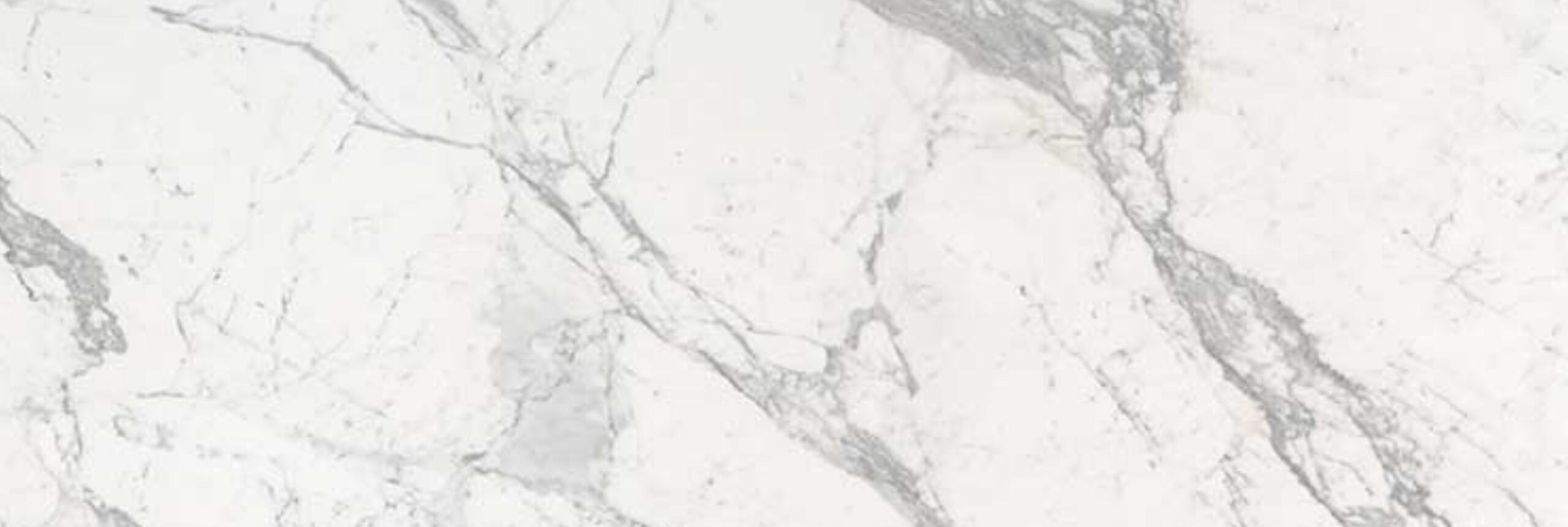
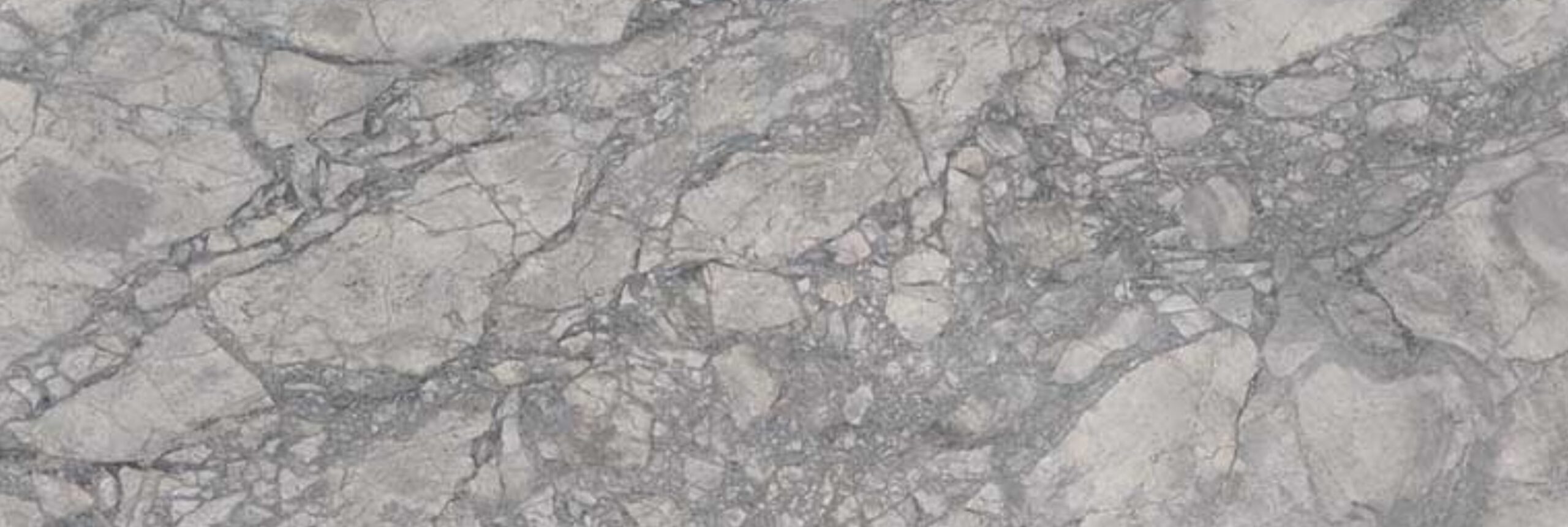
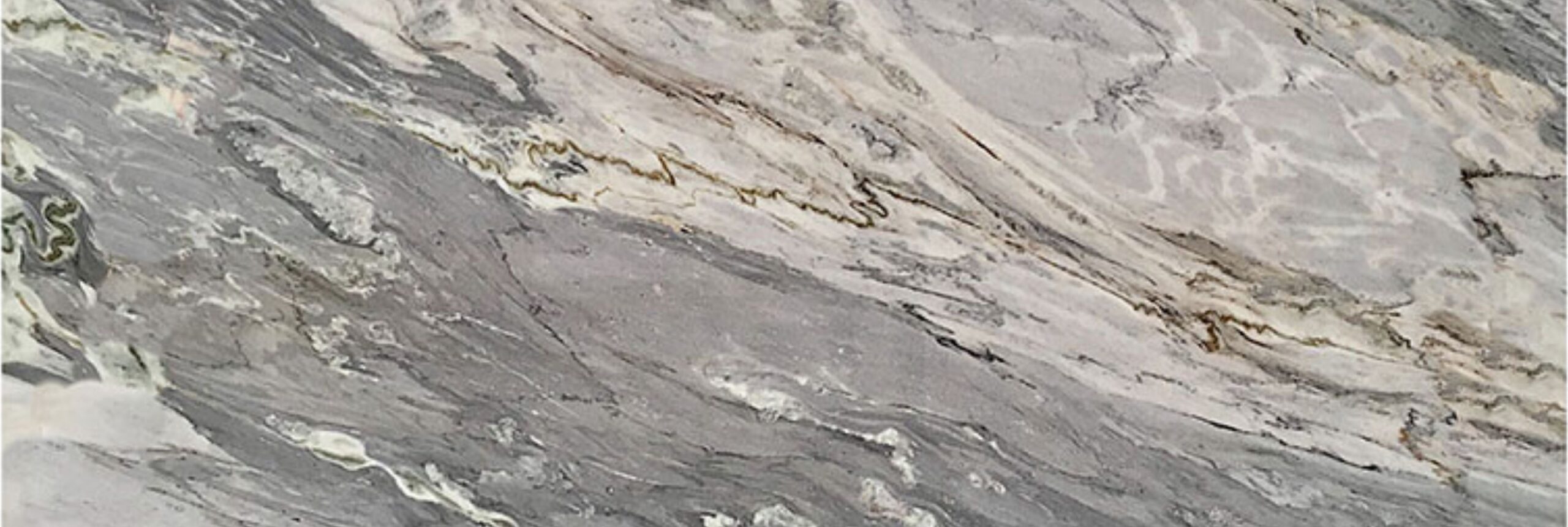
When it comes to choosing materials for home upgrades, granite stands out as a timeless choice. However, one aspect of granite that often surprises homeowners is its unique variation. No two granite slabs are ever the same, and this characteristic can be seen as one of its most appealing features. In this article, we will explore the reasons behind these variations, the benefits they offer, and why choosing granite can enhance the beauty and value of your home.
Why Granite’s Unique Variations Are Appealing
Granite is an igneous rock formed from the cooling and solidification of magma beneath the Earth's surface. This natural process leads to a diverse array of colors, patterns, and textures. Each slab of granite tells a story of its geological history, making it a unique masterpiece. Here are several reasons why these variations are appealing:
1. One-of-a-Kind Aesthetic
Every granite slab is unique, offering a one-of-a-kind aesthetic that cannot be replicated. When homeowners choose granite for their countertops, they are not just selecting a surface; they are choosing a piece of art that will enhance the visual appeal of their kitchen or bathroom.
2. Personalization
The individuality of granite allows homeowners to express their personal style. With a variety of colors and patterns available, it’s easy to find a slab that complements the overall design theme of your home.
3. Natural Beauty
Granite’s natural variations bring a sense of warmth and character to spaces. Unlike manufactured materials that may look uniform and sterile, granite’s irregularities create depth and interest, making your countertops a focal point in the room.
4. Timelessness
Granite has been a popular choice for centuries, and its unique variations contribute to its timeless appeal. Homeowners can rest assured that their granite countertops will never go out of style.
Understanding the Variations in Granite
The variations in granite arise from several factors, including mineral composition, the cooling process, and the geological environment from which the granite is sourced. Here’s a closer look at these contributing factors:
1. Mineral Composition
Granite is composed of various minerals, including quartz, feldspar, and mica. The proportions of these minerals can vary significantly from one slab to another, resulting in different colors and patterns.
2. Cooling Process
The rate at which magma cools influences the size of the mineral grains within the granite. Slow cooling allows larger crystals to form, while rapid cooling results in finer-grained textures. This process contributes to the surface appearance of the granite.
3. Geological Environment
The location where the granite is quarried also plays a crucial role in its characteristics. Different regions have unique geological conditions that affect the mineral composition and appearance of the stone.
Why Variability is Beneficial for Homeowners
While some homeowners may initially see the variability in granite as a drawback, it actually offers several benefits:
1. Distinction from Neighbors
With granite’s unique patterns, homeowners can ensure that their countertops stand out from those of their neighbors. This individuality can enhance the overall appeal of your property.
2. Increased Home Value
Granite countertops are often viewed as a premium feature in homes. The uniqueness of each slab can add value to your property, making it more attractive to potential buyers.
3. Greater Selection
The wide range of colors and patterns means homeowners have a greater selection to choose from. This variety allows for creative design opportunities that can reflect personal taste and style.
4. Resale Appeal
When it comes time to sell your home, unique granite countertops can be a significant selling point. Many buyers appreciate the character and elegance that granite brings to a space.
How to Select the Perfect Granite Slab
When choosing granite for your countertops, it’s important to consider the following:
1. Visit a Local Showroom
Visiting a local showroom allows you to see and feel the granite slabs up close. At Washington Granite, we offer a personalized slab selection experience where you can choose the perfect piece for your home.
2. Consider Your Home’s Aesthetic
Think about the overall design of your kitchen or bathroom. Select a granite color and pattern that complements your cabinetry, flooring, and other elements of the space.
3. Ask About Maintenance
Granite requires some maintenance to keep it looking its best. Inquire about sealing options and maintenance tips from professionals.
4. Trust Experienced Installers
Choosing experienced installers is crucial for ensuring that your granite countertops are properly fitted and aligned. At Washington Granite, we pride ourselves on our exceptional craftsmanship and reliable project timelines.
Frequently Asked Questions About Why No Two Granite Slabs Are the Same
Which brand of granite is best?
Granite has no brands in the way quartz does — it is quarried stone, not a manufactured product, so there is no Cambria or Caesarstone equivalent. What varies is the quarry block, the grade and the fabricator. That is precisely why seeing the actual slab matters more with granite than with any engineered surface.
What is the fake granite called?
Usually granite-look quartz, laminate with a granite-pattern print, or a thin granite overlay bonded over existing counters. None are granite. The quickest tell in person is the edge and the pattern repeat: real granite never repeats, and its pattern continues through the full thickness of the slab.
What are the outdated granite colours?
The dense, high-contrast speckled granites that dominated the early 2000s — busy browns and golds with heavy fleck — are what homeowners most often replace. Current demand runs toward calmer stones with larger-scale movement, which is why our racks lean that way.
Why do two slabs of the same granite look different?
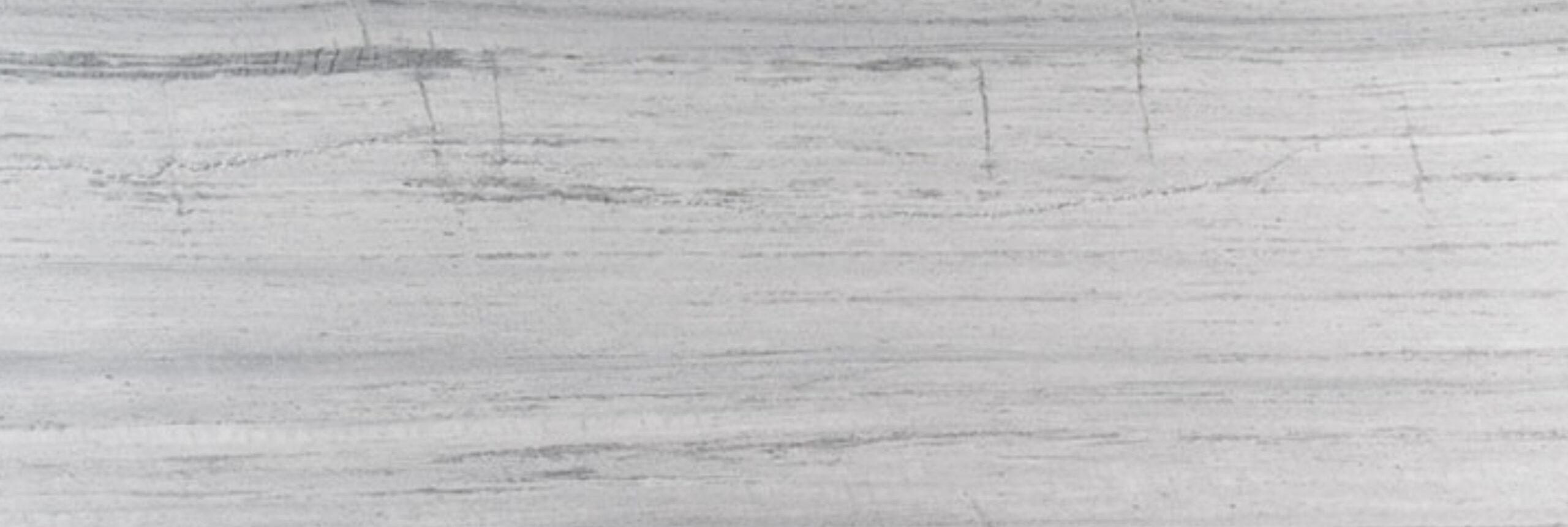
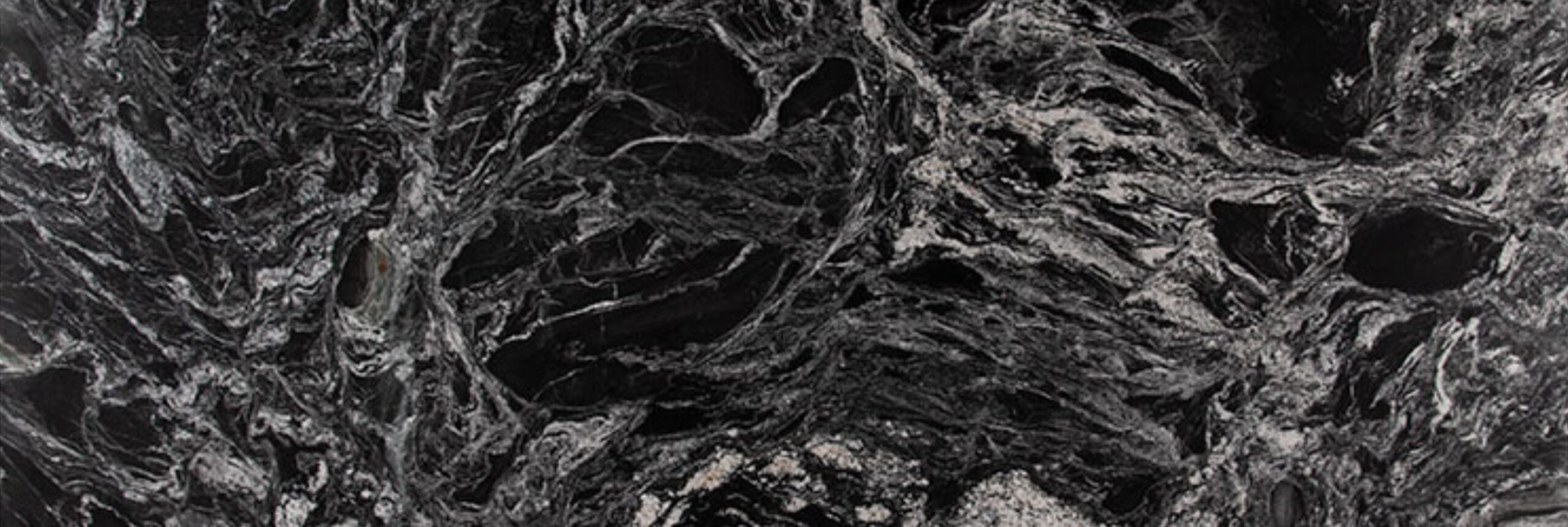
Because they were cut from different depths of the same quarry block, or from different blocks entirely. Mineral composition shifts across a deposit, so colour, vein density and background tone all move. Slabs cut sequentially from one block can be bookmatched; slabs from separate blocks generally cannot.
Where the Variation Comes From
Granite forms as magma cools underground over long periods. How slowly it cools, what minerals are present, and where in the deposit a block is cut all change the result — which is why the same commercial name produces visibly different slabs.
| Factor | What it changes |
|---|---|
| Cooling rate | Crystal size — slower cooling makes larger, more visible crystals |
| Mineral mix | Colour: feldspar gives pink and cream, quartz grey and white, mica and amphibole the dark fleck |
| Depth within the block | Sequential slabs shift gradually; the first and last from a block can differ noticeably |
| Which block, which quarry face | The largest source of variation — two blocks under one trade name can look like different stones |
| Cut direction | Cross-cut and vein-cut from the same block produce completely different patterns |
What This Means When You Buy
Sequential slabs can be bookmatched; separate blocks cannot. If your kitchen needs two slabs and you want the veining to relate, they must come from the same block, cut in sequence. This is a purchasing decision made at the yard, not something a fabricator can produce later.
A sample chip tells you very little. A four-inch sample cannot show crystal scale, vein direction, or how a pattern lands across a 10-foot island. For granite specifically, the gap between sample and slab is wider than for any engineered surface.
The photograph online is one slab, not your slab. This is not a supplier being evasive — it is a property of the material.
How to Buy It Properly
Walk the racks, photograph the specific slab in daylight, and have it tagged to your job so the piece you approved is the piece that gets cut. If you need two, tag both and confirm they are sequential. That is a fifteen-minute visit that removes the single most common source of disappointment with natural stone.
Granite runs $45 to $110 per square foot installed — about $1,800 to $4,400 for a typical 40 square foot kitchen. See what is currently on the racks at our Everett slab yard and the full granite range.
Why Choose Washington Granite?
At Washington Granite, we understand the importance of selecting the right materials for your home. Our showroom in Everett, WA, offers a wide selection of premium granite slabs, and our experienced team is here to guide you through the selection and installation process. Here’s why you should trust us with your granite needs:
1. Local Expertise
As a trusted local showroom serving the Eastside, we have a deep understanding of the preferences and needs of Pacific Northwest homeowners.
2. Personalized Experience
We provide a personalized slab selection experience, allowing you to choose the perfect piece that matches your vision.
3. Precision Fabrication
Our state-of-the-art equipment ensures precision fabrication, resulting in countertops that fit seamlessly into your home.
4. Commitment to Quality
We stand by our lifetime craftsmanship commitment, ensuring that your investment is protected for years to come.
Frequently Asked Questions About Granite Countertops
What makes granite countertops durable?
Granite is a hard stone that is resistant to scratches and heat, making it an excellent choice for kitchen countertops.
How do I maintain my granite countertops?
Regular sealing and cleaning with gentle soap and water can keep your granite looking its best.
Can granite be used in bathrooms?
Yes, granite is an excellent choice for bathroom vanities due to its durability and aesthetic appeal.
Do variations in granite impact its quality?
No, variations are natural and do not affect the quality or durability of the granite.
How does granite compare to other countertop materials?
Granite offers unique beauty and durability compared to other materials like laminate or quartz.
Should I hire professionals for installation?
Yes, hiring experienced installers ensures proper fitting and alignment of the granite.
Is granite suitable for homes in the Pacific Northwest?
Absolutely! Granite can withstand the varying climate conditions of the Pacific Northwest.
How do I choose the right fabricator?
Look for a trusted local fabricator with a commitment to quality and personalized service.
How to Find Us & Our Hours
Ready to explore the beauty of granite for your home? Visit our showroom at 13228 4th Ave W. Unit A, Everett, WA 98204. We are open Monday to Saturday from 9:00 am to 5:00 pm, and we are closed on Sundays. For personalized guidance, call us at +1 425-545-8006 or request a consultation through our website.
Granite’s unique variations are not just an aspect of its beauty; they are a defining feature that adds character and value to your home. Embrace the individuality of granite and let it enhance your living spaces for years to come.

About Washington Granite
Premium granite, quartz, quartzite, and marble countertop specialists in Washington State. We help homeowners transform their kitchens and bathrooms with luxury stone surfaces.