Table of Contents
The Stone Countertop Sustainability Guide: Which Material Is Most Eco-Friendly?
As homeowners in the Greater Seattle and Eastside area consider upgrades to their kitchens and bathrooms, sustainability becomes an increasingly important factor in material selection. When it comes to countertops, stone options such as granite, marble, and quartz are popular choices. However, not all stone countertops are created equal in terms of environmental impact. In this guide, we will explore the sustainability of various stone countertop materials, helping you make an informed decision that aligns with your eco-friendly values.
Why Stone Countertops Appeal to Homebuyers
Stone countertops are more than just a design choice; they also appeal to homebuyers for their durability, aesthetic appeal, and long-term value. Homeowners are increasingly aware of the environmental impact of their choices, making it essential to understand the sustainability of different materials.
Durability and Longevity
One of the primary reasons stone countertops are favored is their durability. Materials like granite and quartz are resistant to scratches, heat, and staining, which means they last longer and require fewer replacements. This longevity translates to a lower environmental impact over time, as fewer resources are used in manufacturing and transporting replacements.
Natural Aesthetics
Stone countertops offer a natural aesthetic that blends seamlessly with various design styles. This appeal to homeowners is crucial as they often seek materials that not only perform well but also enhance the beauty of their spaces.
Evaluating the Eco-Friendliness of Stone Countertop Materials
When considering the sustainability of stone countertops, several factors come into play, including the extraction process, transportation, and the material's lifecycle. Below, we evaluate some of the most common stone materials.
Granite
Granite is a natural stone that is often touted for its durability and beauty. However, its extraction can have significant environmental impacts. Mining granite requires heavy machinery that can disrupt local ecosystems and contribute to pollution. Additionally, the transportation of granite—often sourced from distant locations—adds to its carbon footprint. While granite does last a long time, it is important to weigh these factors against its benefits.
Marble
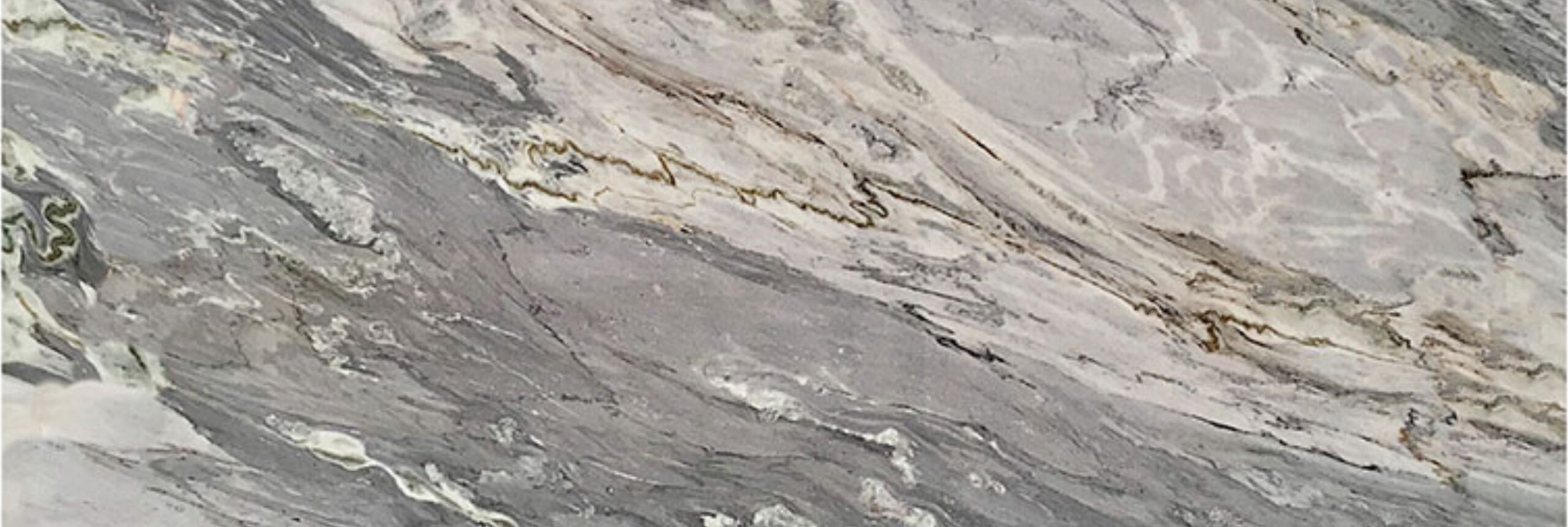
Marble is another natural stone that is prized for its luxury and elegance. However, like granite, marble extraction can be detrimental to the environment. The quarrying process is energy-intensive and can lead to habitat destruction. Furthermore, marble is softer than granite, making it more susceptible to scratches and stains, which can lead to more frequent replacements and increased waste.
Quartz
Quartz countertops are engineered stone products made from a blend of natural quartz crystals and resin. The sustainability of quartz largely depends on the sourcing of the raw materials and the manufacturing process. Many quartz manufacturers are now focusing on eco-friendly practices, such as using recycled materials and sustainable resins. Additionally, quartz countertops are highly durable and require less maintenance than natural stones, which can reduce their overall environmental impact.
Recycled Glass and Other Eco-Friendly Options
For those seeking the most sustainable options, recycled glass countertops are an excellent choice. Made from post-consumer glass, these countertops minimize waste and reduce the need for new materials. They come in a variety of colors and styles, making them a versatile design option. Other eco-friendly materials include concrete and bamboo, which can also be considered for countertops due to their sustainable properties.
Why Choose Washington Granite?
At Washington Granite, we understand the importance of sustainability in your countertop selection. Our commitment to exceptional craftsmanship and personalized consultation means that you can explore eco-friendly options tailored to your specific needs. Our Everett showroom allows homeowners to see and touch various slabs before making a decision, ensuring that you choose a material that aligns with your values and design preferences.
Precision Fabrication and Local Sourcing
We prioritize local sourcing and precision fabrication. By utilizing state-of-the-art equipment, we minimize waste during the fabrication process, and our experienced installers ensure that your countertop is installed with care, enhancing its longevity and reducing the need for future replacements.
Community Engagement and Integrity
Serving the Greater Seattle area with trust and integrity is at the heart of our business. We believe in educating homeowners about their options, empowering them to make informed choices that benefit both their homes and the environment.
Frequently Asked Questions About Eco-Friendly Stone Countertops
What is the most eco-friendly stone countertop material?
Recycled glass countertops are considered one of the most sustainable options, as they utilize post-consumer materials and reduce waste.
How does the extraction process impact the sustainability of granite?
The extraction of granite can disrupt local ecosystems and contribute to pollution due to the heavy machinery used in mining.
Are quartz countertops sustainable?
Quartz can be sustainable if sourced from manufacturers using eco-friendly practices, such as recycled materials and sustainable resins.
What are the maintenance requirements for eco-friendly stone countertops?
Maintenance varies by material; however, quartz typically requires less maintenance than natural stones like granite and marble.
How do stone countertops affect resale value?
High-quality stone countertops can enhance a property's resale value, appealing to buyers looking for durability and aesthetics.
Why is professional installation important for stone countertops?
Professional installation ensures precision and durability, reducing the likelihood of damage and the need for replacements.
What local climate considerations should I keep in mind when choosing a countertop?
The Pacific Northwest's climate can impact material choices; for example, moisture resistance is essential for areas with high humidity.
How can I choose a trusted fabricator for my countertops?
Research local fabricators, read reviews, and seek recommendations to ensure you select a company with a reputation for quality and integrity.
How to Find Us & Our Hours
To explore sustainable stone countertop options, visit our showroom located at 13228 4th Ave W. Unit A, Everett, WA 98204. Our hours are Monday through Saturday from 9:00 am to 5:00 pm, and we are closed on Sundays. You can also contact us to schedule a consultation or learn more about our services.
Conclusion
Choosing an eco-friendly stone countertop is an important decision that can impact both your home and the environment. By considering the sustainability of materials like granite, marble, quartz, and recycled glass, you can make an informed choice that aligns with your values. At Washington Granite, we are here to guide you through the selection process, ensuring that your countertop not only enhances your space but also supports a healthier planet.
Call +1 425-545-8006 for personalized guidance, or visit our Everett showroom to explore quartz options. You can also request a free consultation online to discuss your project with our experienced team.

About Washington Granite
Premium granite, quartz, quartzite, and marble countertop specialists in Washington State. We help homeowners transform their kitchens and bathrooms with luxury stone surfaces.