Table of Contents
The Right Way to Seal Granite Countertops: Avoid Common Mistakes
Granite countertops are a stunning addition to any kitchen or bathroom, adding both beauty and value to your home. However, one of the most crucial aspects of maintaining these surfaces is sealing them correctly. Many homeowners make mistakes when it comes to sealing granite, leading to damage and a shorter lifespan for their countertops. In this article, we’ll explore the right way to seal granite countertops, common mistakes to avoid, and tips for maintaining your investment.
Homeowner Value
Understanding the value of properly sealed granite countertops is essential for homeowners. Not only do well-maintained surfaces enhance the aesthetic appeal of your home, but they also contribute to the longevity and durability of your countertops. A proper seal helps prevent stains, etching, and damage from spills, ensuring your investment remains protected for years to come.
Why Sealing is Important
Granite is a porous stone, which means it can absorb liquids and spills if not sealed properly. This absorption can lead to staining and bacterial growth, which can be harmful to your health and the integrity of your countertops. Sealing creates a protective barrier that helps to repel these substances, making it easier to clean and maintain your surfaces.
Common Mistakes to Avoid
Many homeowners make critical mistakes when sealing their granite countertops, which can compromise the effectiveness of the seal. Here are some common errors:
- Not Sealing Regularly: One of the most significant mistakes is failing to seal granite countertops regularly. Depending on the type of granite and the level of use, countertops should be sealed every 6 to 12 months. Ignoring this can lead to irreversible damage.
- Using the Wrong Sealant: Not all sealants are created equal. Some may contain harmful chemicals that can damage your granite or not provide adequate protection. Always choose a high-quality, natural stone sealant that is specifically designed for granite.
- Applying Too Much Sealant: Over-applying sealant can lead to a sticky residue that is difficult to remove and may not cure properly. Always follow the manufacturer’s instructions for application to ensure the best results.
- Skipping the Cleaning Process: Before sealing, it’s essential to thoroughly clean your countertops. Residue from cleaners, oils, and food can interfere with the sealant’s ability to bond with the stone, leading to ineffective protection.
- Neglecting to Test the Seal: After sealing, it’s crucial to test the effectiveness of the seal. You can do this by placing a few drops of water on the surface. If the water beads up, the seal is working. If it soaks in, it’s time to reapply.
Design Choices
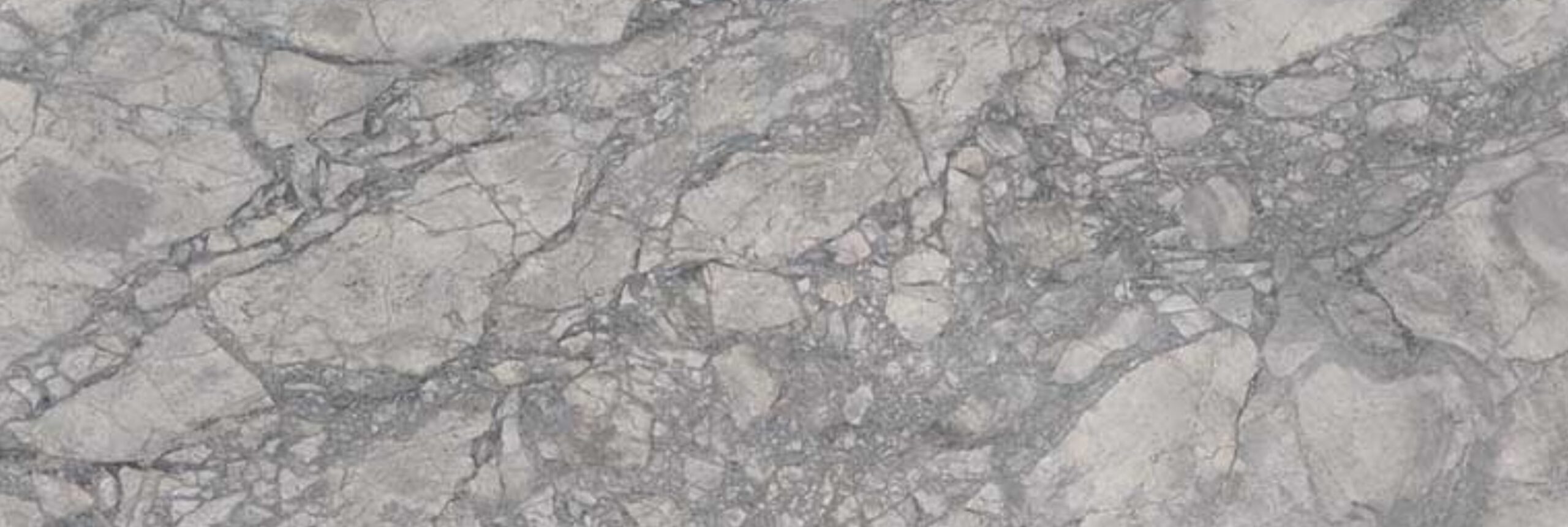
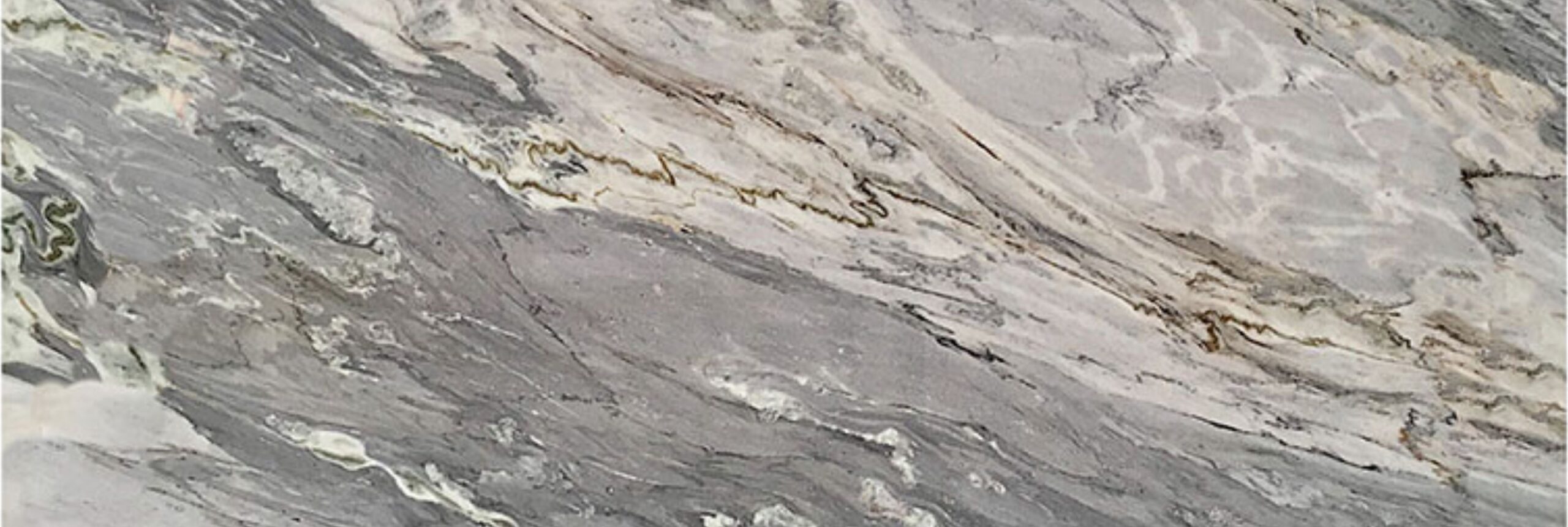
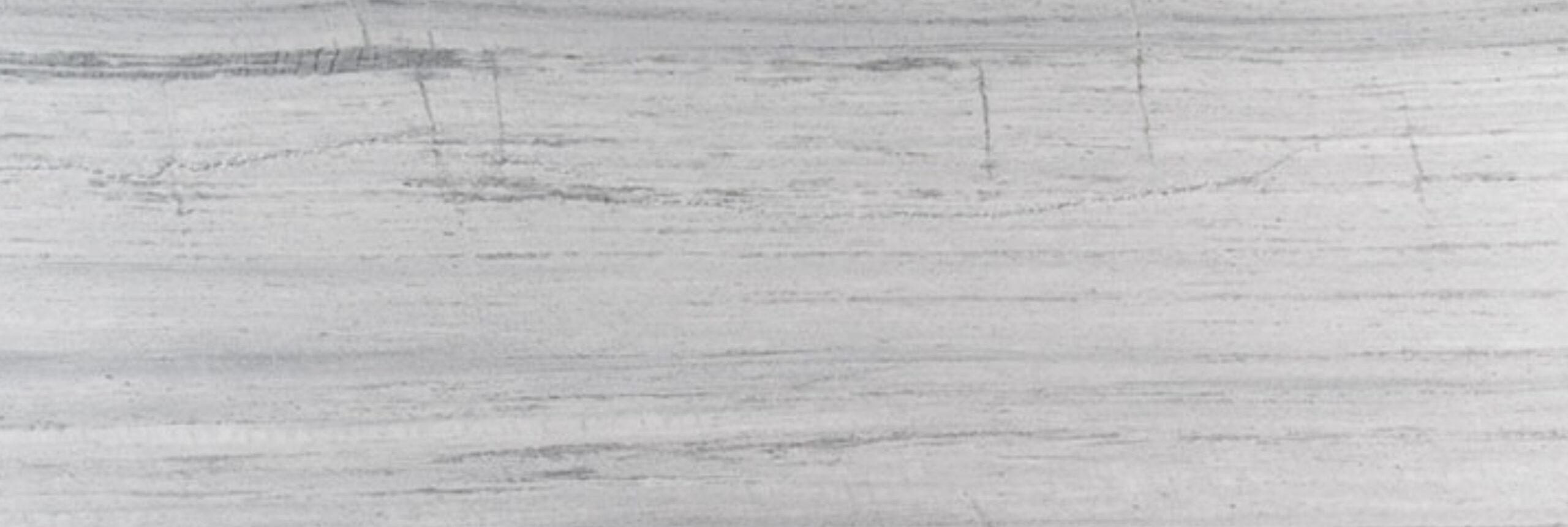
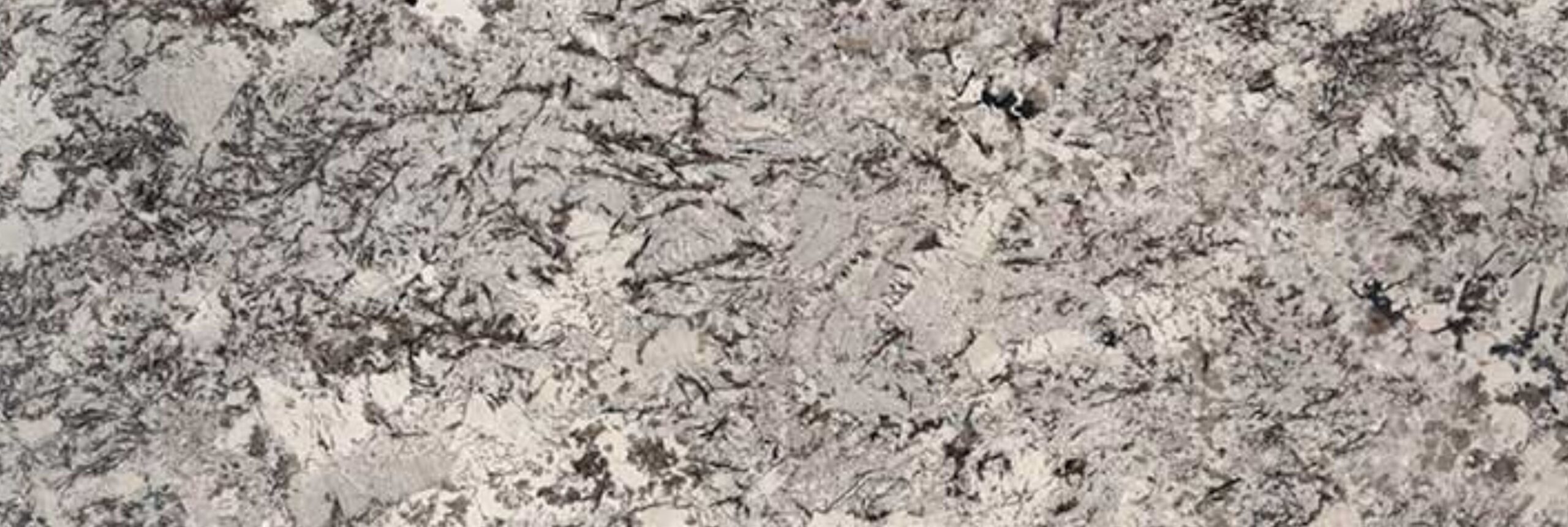
When choosing granite for your countertops, consider the design and color of your kitchen or bathroom. Darker colors may show stains less than lighter shades, but all granite requires proper sealing. Additionally, consider the finish of the granite—polished surfaces may require different care than honed finishes. Always consult with a professional to determine the best granite options for your space.
Choosing the Right Sealant
When selecting a sealant, look for products that are easy to apply and provide long-lasting protection. Some sealants come in spray form, while others are liquid that you apply with a cloth. Make sure to read reviews and ask for recommendations from professionals to find the best sealant for your granite countertops.
Application Process
To ensure a successful sealing process, follow these steps:
- **Clean the Surface:** Start with a deep clean using warm, soapy water or a pH-balanced cleaner specifically designed for stone.
- **Dry Thoroughly:** Allow the surface to dry completely before applying the sealant.
- **Apply Sealant:** Using a soft cloth or applicator, apply the sealant evenly across the surface, following the manufacturer’s instructions.
- **Let it Sit:** Allow the sealant to sit for the recommended time before wiping off any excess.
- **Cure Time:** Give the sealant adequate time to cure before using the countertop, usually 24 hours.
Professional Installation
While sealing granite countertops can be a DIY project, it’s often best to consult with professionals, especially if you are unsure about the process. Professional installers have the expertise and tools to ensure your countertops are sealed correctly, protecting your investment and providing peace of mind.
Why Choose Us
At Washington Granite, we understand the importance of proper countertop care and maintenance. Our experienced team is dedicated to providing high-quality granite countertops and expert sealing services. As trusted local experts serving the Greater Seattle and Eastside area, we focus on quality and craftsmanship, ensuring your countertops remain beautiful and functional for years to come.
Frequently Asked Questions About Granite Countertops
How often should I seal my granite countertops?
Granite countertops should generally be sealed every 6 to 12 months, depending on usage and the specific type of granite.
What is the best way to clean granite countertops?
Use warm, soapy water or a pH-balanced cleaner designed for granite. Avoid acidic or abrasive cleaners that can damage the surface.
Can I use vinegar to clean granite?
No, vinegar is acidic and can etch the surface of granite. Stick to gentle cleaners specifically made for stone.
What happens if I don’t seal my granite?
Without proper sealing, granite can absorb stains and bacteria, which can lead to permanent damage and health concerns.
Is it necessary to hire a professional to seal granite?
While it is possible to seal granite yourself, hiring a professional ensures the job is done correctly and protects your investment.
How can I tell if my granite needs to be resealed?
Perform a water test by placing a few drops of water on the surface. If the water beads up, the seal is still effective; if it soaks in, it's time to reseal.
What type of sealant should I use?
Choose a high-quality, natural stone sealant specifically designed for granite to ensure effective protection.
Can I use the countertop after sealing?
It’s best to wait at least 24 hours after sealing before using the countertop to allow the sealant to cure properly.
How to Find Us & Our Hours
If you’re ready to elevate your home with beautiful granite countertops or need assistance with sealing, call us at +1 425-545-8006 for personalized guidance. You can also visit our Everett showroom to explore our wide range of granite options and request a free consultation online.
Conclusion
Sealing granite countertops is a vital part of maintaining their beauty and functionality. By avoiding common mistakes and following the right procedures, you can ensure your countertops remain in excellent condition for years to come. Don’t hesitate to reach out to Washington Granite for all your granite needs, from selection to installation and sealing. We're here to help you make the most of your home!

About Washington Granite
Premium granite, quartz, quartzite, and marble countertop specialists in Washington State. We help homeowners transform their kitchens and bathrooms with luxury stone surfaces.